
Quel est le prix d’un diagnostic voiture en 2026
Understanding the Car Diagnostic Cost in 2026: What Influences the Price? The car diagnostic cost remains a critical factor for vehicle owners…
Lire l’article →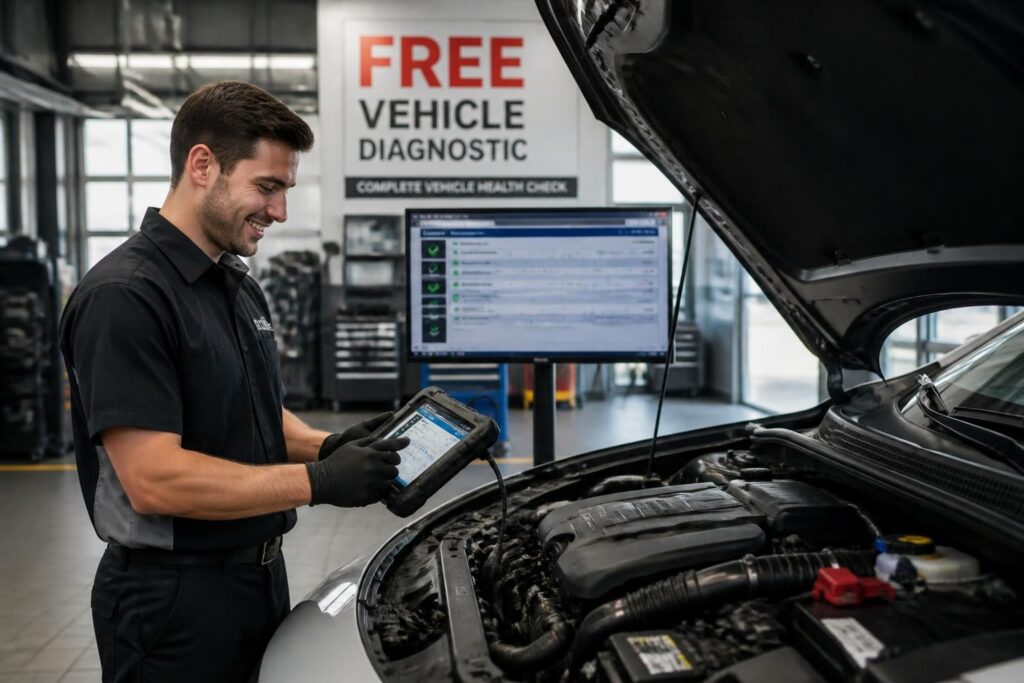
Free car diagnostic services have become an essential part of modern vehicle upkeep, offering drivers the opportunity to perform a thorough vehicle inspection without immediate financial commitment. This approach allows you to detect potential malfunctions, avoid costly repairs, and improve your car’s overall performance. At garages like Garage Crauzaz Nurieux, the emphasis is on providing a comprehensive auto diagnostic service that covers various systems, from engine to electronics, facilitating informed decisions about vehicle care.
When undergoing a free diagnostic test, the process typically involves connecting a specialized device to your vehicle’s OBD2 (On-Board Diagnostics) port. This port, standard in almost all vehicles manufactured since the early 2000s, communicates with the vehicle’s control modules to retrieve codes that can reveal issues ranging from minor sensor faults to more significant mechanical problems. The ability to perform a no-cost car health check streamlines the identification of issues before they escalate into critical failures.
For example, a driver experiencing intermittent engine stalling might bring their vehicle for a free vehicle scan. The diagnostic tool could highlight a faulty oxygen sensor or ignition coil, pinpointing the root cause without guesswork. This precise vehicle troubleshooting minimizes downtime and repair expenses. Moreover, many local garages and national auto centers now offer rapid diagnostics, sometimes completing them in under ten minutes. Services like the autoscan diagnostic at E.Leclerc enable motorists to quickly understand their vehicle’s condition during a routine stop, making preventative maintenance more accessible.
By opting for a no-charge diagnostic evaluation, motorists also gain an opportunity for professional advice. Experienced mechanics explain the significance of error codes and suggest necessary repairs with clear cost estimates. This transparency fosters trust and helps vehicle owners prioritize maintenance tasks logically. Additionally, since many modern cars integrate intricate electronic systems, a free diagnostic check is vital to safeguard features such as anti-lock braking systems (ABS), airbags, and emission control devices.
In summary, a free car diagnostic acts as a cornerstone for responsible car ownership. It enables the discovery of hidden defects, supports safety compliance, reduces environmental impact, and ultimately extends the vehicle’s lifespan. Engaging in such services regularly, especially before critical inspections like the controle systematique offered by Midas centers, can prevent unexpected breakdowns and preserve the vehicle’s value. As automotive technology evolves, embracing these free diagnostic opportunities ensures that your car remains in optimal condition.
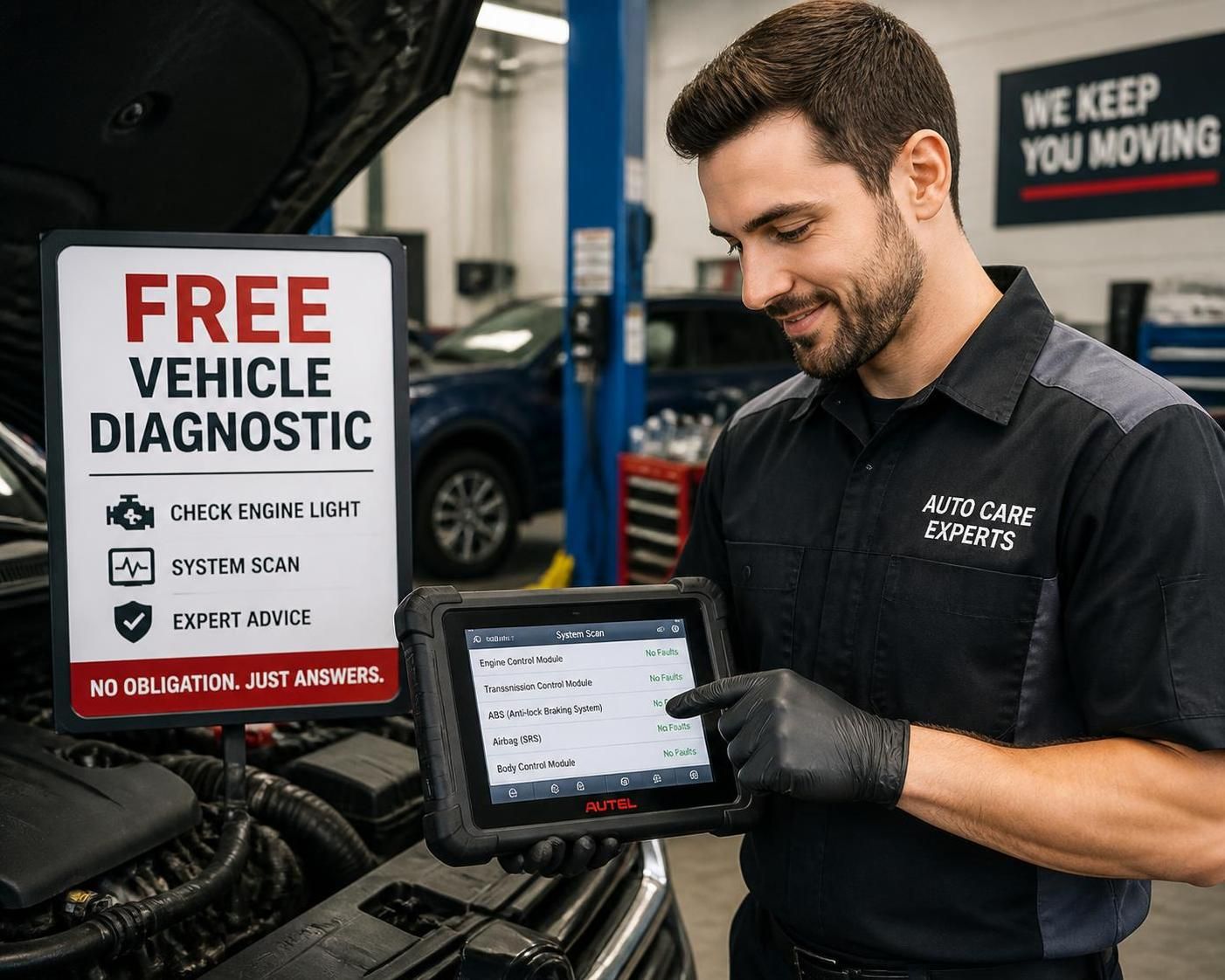
Free vehicle scans rely heavily on advanced diagnostic tools designed to interface with your car’s electronic management systems. These devices, often referred to as diagnostic scanners or code readers, extract data from various sensors and control units to present a detailed snapshot of your vehicle’s health. The expansion of OBD2 protocols has standardized these tools, allowing them to communicate effectively with a wide range of models and makes.
An important innovation is the availability of mobile applications and wireless adapters, such as the popular OBDclick tool. By connecting an OBD2 Bluetooth or WiFi adapter to the vehicle and syncing it with a smartphone app, users can perform detailed diagnostics anytime and anywhere. This functionality transforms your phone into a comprehensive diagnostic instrument capable of reading and clearing error codes, displaying real-time data like engine RPM, fuel trim, coolant temperature, and more.
This self-service aspect encourages drivers to become more knowledgeable about their vehicles and aids in early detection of critical issues. For instance, if a vehicle exhibits rough idling or decreased performance, the app may reveal specific trouble codes linked to the fuel injection system or sensor malfunctions, enabling quick intervention before further damage occurs.
It’s important to differentiate between the preliminary diagnostic provided by these free tools and a full in-depth analysis performed by professionals equipped with manufacturer-level diagnostic systems. The latter can access proprietary data and conduct specialized tests beyond generic OBD2 information. Nonetheless, employing a free vehicle scan as a first step can greatly reduce diagnostic time and cost by clearly pointing technicians toward the problematic components.
Moreover, these tools significantly aid when inspecting used cars. Conducting a free diagnostic before purchase helps identify hidden faults or pending emissions issues, effectively protecting buyers from unforeseen expenses. Several online platforms, including My Auto Check-up, integrate such technology to generate expert reports within minutes, enabling savvy purchase decisions.
To summarize, the technological progress behind free vehicle scans empowers everyday motorists with accessible insights into their car’s condition. From mobile apps to handheld devices, this shift demystifies auto repair diagnosis and encourages proactive vehicle maintenance, which ultimately supports safer roads and longer vehicle lifespans.
Accessing free car diagnostic services is increasingly straightforward, especially with local garages emphasizing customer accessibility and convenience. Many workshops offer complimentary diagnostics either by walk-in or appointment, aligning with busy schedules. For instance, facilities like Garage Crauzaz Nurieux provide free diagnostic evaluations as part of their commitment to thorough car control checks that precede any major repair or service.
When preparing for a free diagnostic, understanding the typical scope of the inspection ensures realistic expectations. These diagnostics often encompass:
The process typically takes between 10 to 30 minutes. Technicians use specific diagnostic devices that connect seamlessly to the vehicle’s OBD2 port. After retrieving the data, the mechanic will interpret the codes and explain their implications comprehensively. Importantly, free diagnostics focus on detection rather than repair, and any necessary maintenance or replacement actions will be quoted separately.
Free diagnostics are not universally identical, as some centers may combine computerized scanning with physical inspections, especially if certain symptoms are reported or observed. To ensure reliability, it’s advisable to choose a reputable garage with experienced technicians, such as those described in the guide to selecting a dependable diagnostic center in 2026.
Additionally, some garages specialize in specific components, like brake or tire systems. For instance, Autodemarque.fr offers free brake system diagnostic appointments, which target a critical aspect of driving safety. Similar services are available for tire health and alignment checks. While these represent segment-specific diagnostics, combining them with full vehicle scans furnishes a holistic understanding of your car’s health.
When visiting for a free car checkup, bringing along detailed information about recent vehicle behavior or dashboard warning lights accelerates the diagnostic process. This collaborative approach helps experts identify underlying issues faster and reduces the risk of overlooking intermittent faults. The ultimate goal is to deliver transparent insights that help regulate your vehicle maintenance budget and prevent unnecessary expenses.
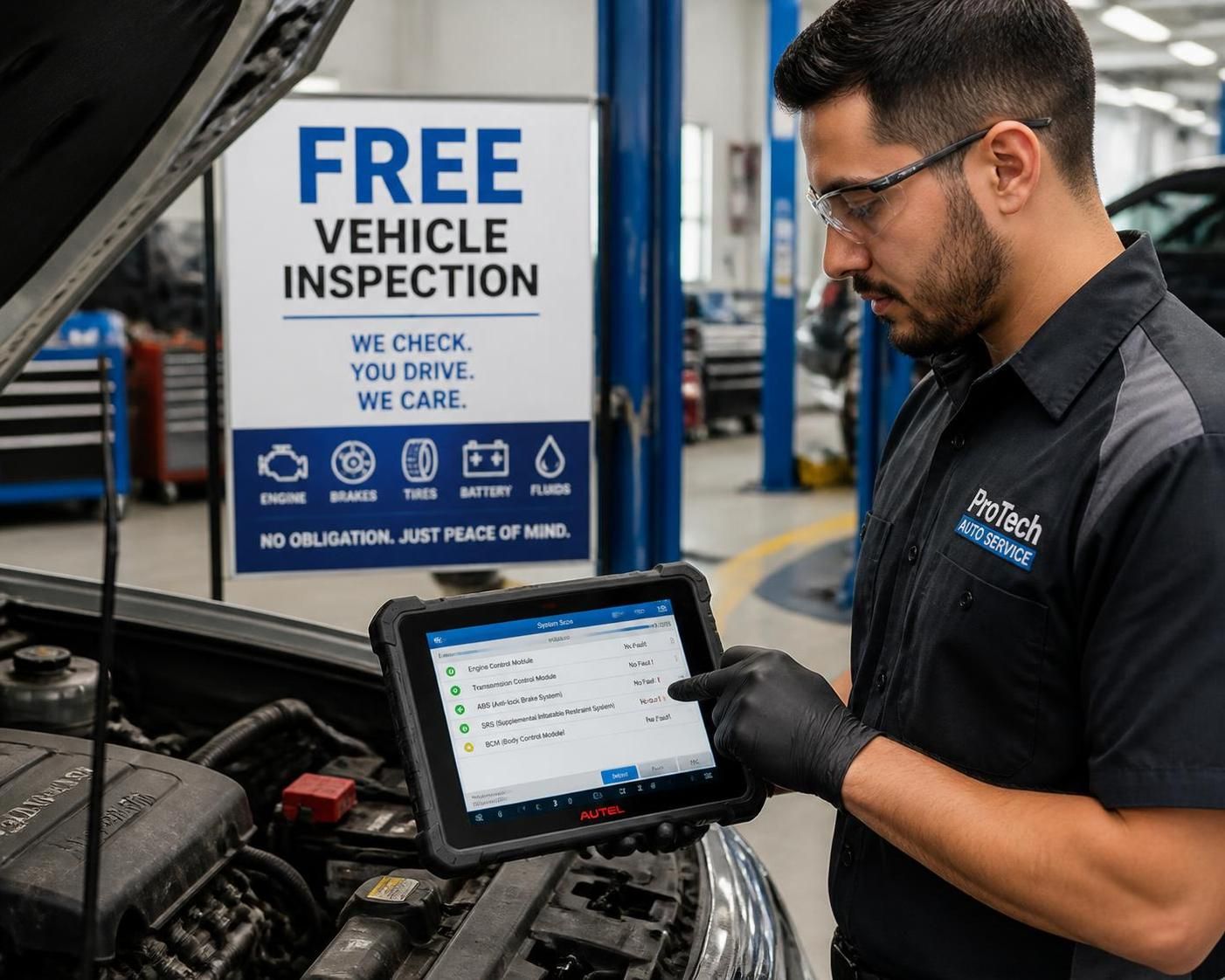
During a free car control check, multiple vehicle systems undergo thorough examination, each critical to maintaining vehicle reliability and safety. Understanding these components helps motorists appreciate the value of such diagnostics and the significance of early fault detection.
The engine management system is central to vehicle performance and fuel efficiency. Diagnostic checks measure sensor outputs like oxygen sensors, air mass flow meters, and throttle position sensors to identify malfunctions or inefficiencies. Detecting issues early avoids problems such as poor acceleration, increased fuel consumption, or failing emissions tests.
Modern vehicles rely heavily on electronic controls for automatic transmissions or advanced clutch management. Diagnostic tests read codes related to abnormal shifts, slipping gears, or fluid temperature anomalies, safeguarding against sudden transmission failures which lead to expensive repairs or immobilization of the vehicle.
Anti-lock braking systems (ABS), electronic stability control (ESC), and airbag electronics are vital for occupant protection. Fault codes or warning lights related to these systems often indicate sensor faults, hydraulic problems, or communication errors between modules. Immediate attention is necessary to ensure full operational safety.
Batteries, alternators, and wiring harnesses undergo testing through voltage and current monitoring during the diagnostic test. Early detection of charging faults prevents starting issues and electrical failures that can affect lamps, infotainment, or engine controls.
Components such as catalytic converters, fuel injectors, and emission valves are monitored for efficiency and faults. A successful free vehicle scan will detect irregularities within these parts, reducing emissions and potential regulatory violations.
| Component | Typical Diagnostic Test | Risks if Faulty | Repair Cost Range |
|---|---|---|---|
| Oxygen Sensor | Signal response time and voltage check | Increased fuel consumption, emissions fail | €100 – €250 |
| Brake System (ABS) | Sensor status and hydraulic pressure analysis | Loss of braking stability, accident risk | €150 – €500 |
| Battery & Alternator | Voltage output and charging load test | Starting failures, electrical system malfunction | €80 – €300 |
| Transmission Control Unit | Error code retrieval for shift quality | Gear slipping, vehicle immobilization | €400 – €1200 |
| Catalytic Converter | Emission efficiency and temperature monitoring | Pollution exceedances, performance drop | €300 – €900 |
Regularly subjecting these key systems to a free or low-cost diagnostic helps preserve optimal functioning and ensures compliance with both safety and environmental standards. It is especially crucial for aging vehicles or models with complex electronic architectures. For motorists seeking to deepen their understanding of diagnostic tools, resources like guides on selecting the right diagnostic devices provide invaluable insights.
To make the most of a free car checkup, vehicle owners should adopt a proactive approach guided by knowledge and preparation. Firstly, it is beneficial to note any unusual sounds, odors, or behaviors your car is exhibiting before attending the diagnostic session. Details such as intermittent dashboard warning lights, performance jitters, or recent incidents provide technicians with a focused direction for diagnosis.
Secondly, understanding that a free diagnostic is primarily a detection service and not a repair contract is crucial. While the diagnosis helps highlight faults, any necessary interventions require approval, detailed quotes, and timelines. For budgeting, referencing updated price guides such as the average cost of car diagnostics in 2026 can aid planning and prevent misunderstandings regarding expenses.
Thirdly, owners should consider combining free diagnostics with periodic preventive maintenance checks, including tire inspections, brake pad condition, and fluid levels. This holistic approach ensures no aspect is overlooked and the vehicle remains roadworthy throughout the year.
Fourthly, leveraging technology can enhance vehicle care. Utilizing applications like OBDclick, which allows you to perform free vehicle scans at your own pace, grants immediate insight into your car’s status. This empowers informed communication with mechanics and can even guide minor repairs for confident DIY enthusiasts.
Finally, when choosing where to conduct your free diagnostic, prioritizing garages that provide expert evaluations and clear advice rather than just scanning is fundamental. Facilities with certified ASE or equivalent technicians ensure the accuracy and relevance of the report. Maintaining a good relationship with trusted local garages, such as those highlighted in advanced diagnostic guidance, guarantees prompt assistance when a repair is confirmed as necessary.
In summary, the optimal benefit of a free car checkup emerges from combining vehicle owner attentiveness, appropriate technology use, and professional diagnostic expertise. This synergy minimizes risk, controls expenditure, and prolongs the vehicle’s safe and efficient operation for years to come.
Understanding the Car Diagnostic Cost in 2026: What Influences the Price? The car diagnostic cost remains a critical factor for vehicle owners…
Lire l’article →
Understanding the Importance of Reliable Car Diagnostic Services in 2026 In the evolving landscape of automotive repair, securing a reliable car diagnostic…
Lire l’article →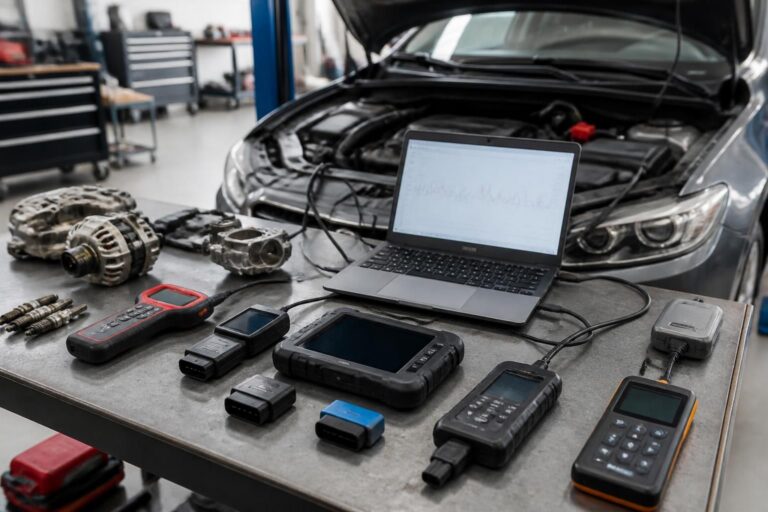
Understanding the Importance of a Car Diagnostic Tool for Vehicle Maintenance In today’s automotive landscape, having a reliable automotive diagnostic device is…
Lire l’article →