
diagnostic auto gratuit : comment bénéficier d’un contrôle complet de votre véhicule
Understanding the Benefits of a Free Car Diagnostic for Your Vehicle Maintenance Free car diagnostic services have become an essential part of…
Lire l’article →
The car diagnostic cost remains a critical factor for vehicle owners seeking clarity on the health of their vehicles. With automotive technology advancing rapidly, the process of identifying issues has become both more efficient and, at times, more complex. In 2026, the price you can expect to pay for a vehicle inspection reflects these technological evolutions as well as regional variations and the type of service provider you choose.
Typically, a simple auto diagnostic in a standard garage ranges between 50 to 120 euros. This initial diagnostic often includes a basic reading of the vehicle’s fault codes using an OBD2 scanner, which pinpoints the system or component at fault. However, the vehicle diagnostic fee can increase significantly if a more thorough inspection is necessary. For instance, pinpointing intermittent electrical faults or proprietary issues in advanced driver-assistance systems (ADAS) may require special software and expertise, commanding higher rates that can reach up to 300 euros in some professional settings.
One of the main factors influencing the auto inspection cost is the choice between a local independent garage and an authorized dealership. Independent workshops generally offer competitive diagnostic car prices, often ranging from 50 to 100 euros, benefiting from multibrand diagnostic tools that cover a wide variety of vehicles. On the other hand, dealership garages typically demand between 100 to 180 euros. This premium comes from their access to cutting-edge manufacturer-specific diagnostic equipment and technical databases, which allow for in-depth analyses particularly suited to their brand-exclusive models.
Another element affecting the vehicle health check cost is the nature and complexity of the problem. Some faults, such as a blinking check engine light due to a loose gas cap, can be quickly diagnosed and resolved, resulting in a low diagnostic car price. Conversely, issues involving the hybrid battery systems, emissions controls, or transmission electronics require extended diagnostic procedures, often involving dynamic tests that connect to several vehicle controllers. This level of attention translates into an increased auto diagnostic pricing, reflecting both the time spent and the expertise required.
The location of the garage also plays a vital role. Urban areas and large cities, where operational costs and demand are higher, tend to have elevated vehicle diagnostic fees compared to rural workshops. This geographical variance is an important consideration when planning your car checkup price, as seeking a diagnosis in less crowded areas might offer a cost-saving opportunity without compromising on service quality.
| Diagnostic Type | Typical Price Range | Included Services | Notes |
|---|---|---|---|
| Basic OBD2 Code Reading | 50 – 120 euros | Code retrieval, initial interpretation | Quick and common for simple faults |
| Advanced Diagnostic | 150 – 300 euros | Comprehensive system scan, live data analysis, tests on multiple modules | Necessary for complex electronic and mechanical faults |
| Dealership Specific Diagnostic | 100 – 180 euros | Manufacturer-specific tools and databases | Often more precise but pricier |
| At-Home Diagnostic Services | Variable (may include travel fees) | Mobile diagnostics and troubleshooting | Convenient but might be more expensive |
For vehicle owners eager to understand the diagnostic car price in detail or find competitive offers, resources like diagnostic auto pricing guides provide comprehensive comparisons. Additionally, consulting local experts ensures clarity on the services included in the vehicle inspection price and helps avoid unpleasant surprises at the garage.
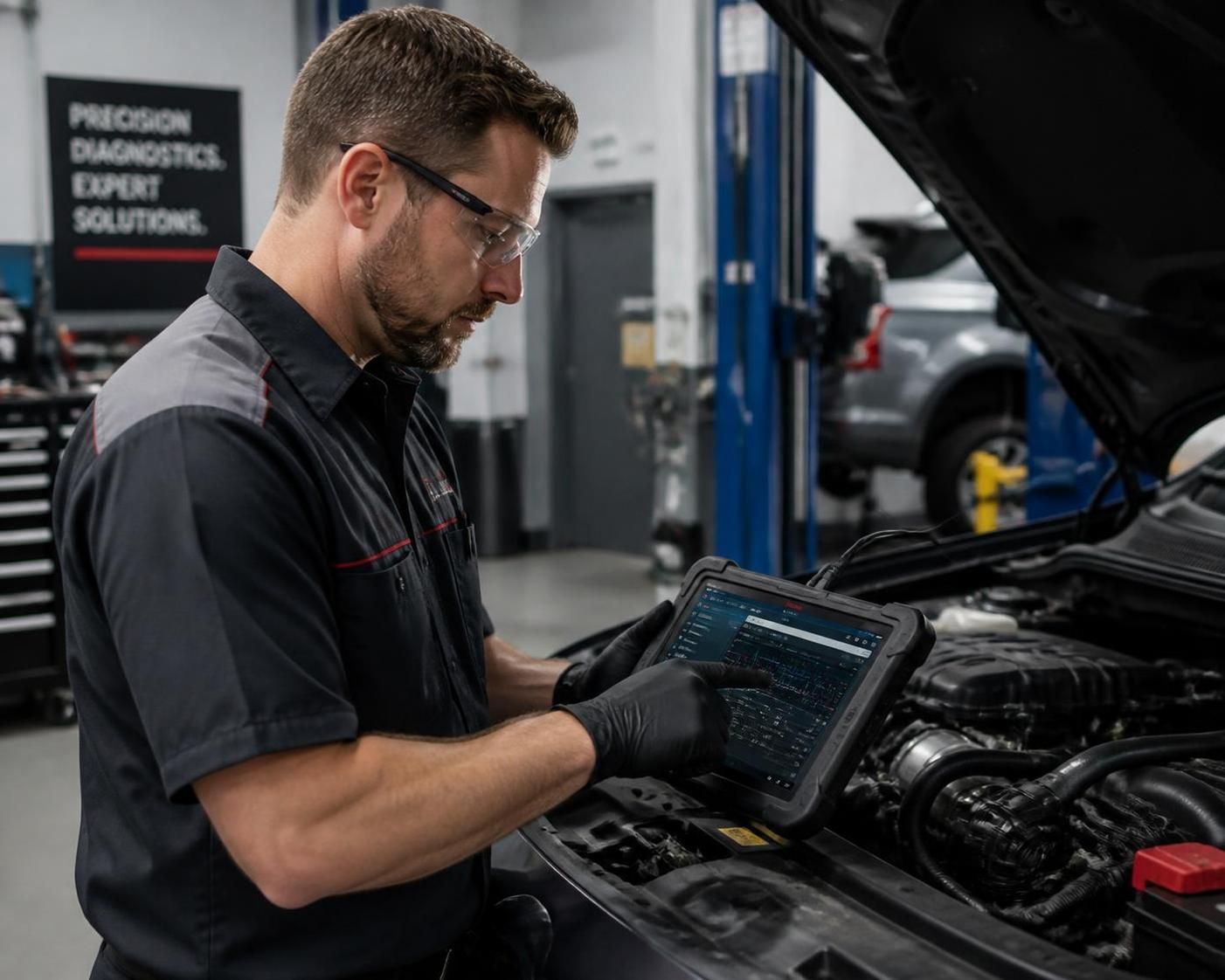
With the rise of at-home diagnostics and the increasing accessibility of diagnostic tools, many vehicle owners consider purchasing their own valise diagnostic (diagnostic scanner). In 2026, the market offers a wide range of diagnostic devices tailored to different needs – from simple code readers to professional-grade multibrand interfaces.
The cost spectrum for these tools is broad. Entry-level devices designed for basic code reading start around 20 to 50 euros. These models primarily read engine and transmission codes and clear fault indications but offer limited compatibility and functionality. For DIY mechanics or occasional users, such devices can be a cost-efficient means to perform a quick vehicle health check at home, avoiding frequent garage visits and the associated labor charges.
Mid-range valise diagnostic tools, which cost between 200 and 600 euros, deliver broader multibrand compatibility and more advanced features. These often include:
For professional mechanics or those managing a fleet of vehicles, high-end valise diagnostic tools can reach prices exceeding 2000 euros. The investment corresponds to enhanced protocols including key programming, module coding, and advanced manufacturer-specific diagnostics. In addition, these devices receive frequent software updates to remain compatible with the latest vehicle models and innovations.
However, owning a diagnostic tool also requires a sound understanding of how to interpret the data correctly. Misreading codes or neglecting manufacturer-specific nuances can lead to misguided repairs or unnecessary part replacements. Therefore, even with a valise diagnostic at hand, consulting with an experienced technician remains advisable for complex cases.
The right choice of tool depends largely on the vehicle types serviced and the user’s technical proficiency. Detailed guides comparing the best options on the market—as found on expert evaluation websites—can be invaluable resources before committing to a purchase.
Understanding the scope of services covered by your diagnostic session is essential for assessing whether the price charged is fair and appropriate. In 2026, a standard diagnostic at a reputable garage does more than just read fault codes.
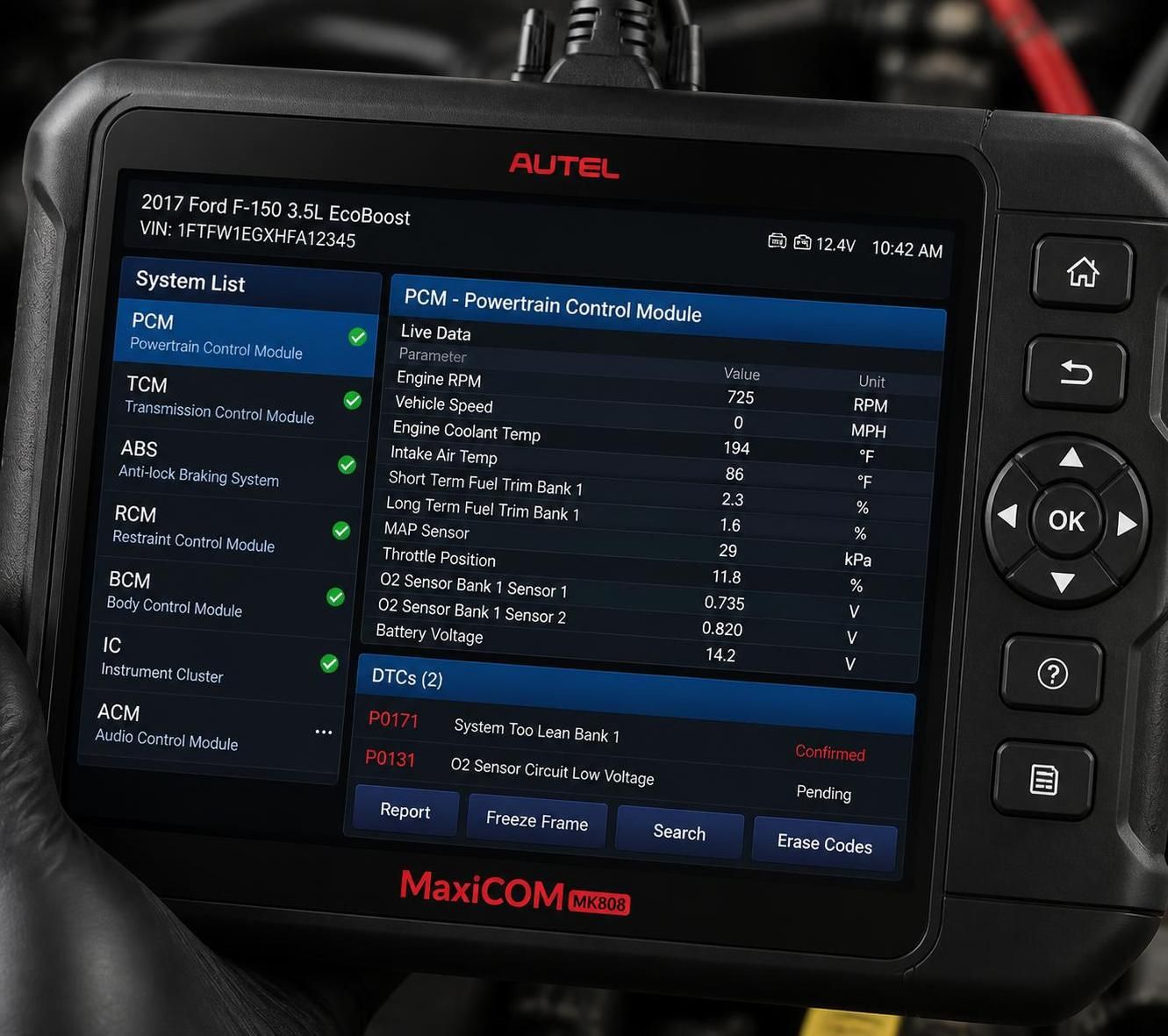
Typically, the process involves connecting a multibrand diagnostic valise to the vehicle’s OBD2 port to access the following systems:
Beyond reading fault codes, more thorough diagnostics include live data monitoring, which enables the technician to observe parameters such as sensor outputs and system responses in real-time. This method helps identify intermittent or load-dependent faults that do not always trigger error codes.
Another key feature of a professional diagnostic is the ability to perform active system tests. For example, a test might activate an injector or a cooling fan to verify functionality while observing corresponding sensor feedback. Such detailed inspection ensures a more accurate troubleshooting process.
The diagnostic appointment often concludes with the erasure of fault codes once the identified issues are repaired, which resets warning lights on the dashboard. Moreover, some garages provide a visual inspection complementary to the electronic check, focusing on components like wiring harnesses and sensor connectors.
Overall, the value of this service can be gauged by the combination of high-tech equipment, knowledgeable technicians, and the extent of systems tested. The diagnostic price charged should reflect these factors to guarantee reliability and thoroughness.
Finding affordable yet trustworthy diagnostic services can be challenging, particularly as the complexity of car systems increases. However, several strategies can help reduce the vehicle diagnostic fee without sacrificing the quality or accuracy of the diagnosis.
Firstly, choosing an independent garage known for honest pricing can often save you money compared to a dealership’s premium rates. Local garages typically provide competitive car checkup prices and personalized attention. Many of these offer promotions or even free diagnostics if the subsequent repair is carried out with them. This practice not only ensures cost transparency but also aligns incentives for efficient problem resolution.
Secondly, taking preliminary steps before a professional diagnostic can be beneficial. Simple checks such as inspecting connectors, fluid levels, and battery condition can sometimes reveal obvious issues that, when resolved, extinguish warning lights and reduce the need for an in-depth evaluation. This not only shortens the diagnostic time but helps keep the overall auto inspection cost lower.
Thirdly, for tech-savvy motorists, investing in a personal OBD2 scanner can be a long-term cost-saving decision. While initial purchase prices and learning curves exist, gaining the ability to read basic fault codes independently minimizes unnecessary garage visits. However, it is crucial to understand when expert intervention is required, especially for complex or safety-critical faults.
Finally, collecting price estimates from multiple service providers helps you gauge the typical market rate and avoid inflated diagnostic car prices. Many garages now provide online quotes or preliminary advice, allowing you to make informed decisions before booking an appointment.
For more detailed advice on cost-effective auto diagnostics, exploring well-curated resources such as trusted diagnostic price guides can help motorists manage their budget wisely while retaining vehicle safety and performance.
The auto diagnostic pricing landscape, although more transparent than in past years, still contains several traps that vehicle owners should carefully navigate. Being aware of these pitfalls can prevent wasteful spending and ensure you receive value for money.
One major issue is the allure of “free diagnostic” offers commonly advertised by certain service centers. Though appealing, these offers often come with hidden conditions such as mandatory repairs at inflated prices, or additional fees for re-scanning and further analysis. Understanding the fine print and asking about all potential charges upfront can save you from unexpected expenses. Reliable garages, by contrast, present clear pricing policies and transparent billing.
Another frequent mistake is opting solely for a code-reader scan without the expertise of a technician to interpret results accurately. While code readers provide raw fault codes, meaningful diagnostics require considering vehicle context, running tests, and correlating symptoms mechanically or electronically. This is why relying on a professional diagnosis is often worth the additional price.
Avoiding the temptation of cheap, poorly supported diagnostic tools is also essential. Some inexpensive scanners do not cover the full range of vehicle brands or lack compatibility with the latest vehicle technology. This limitation can lead to incomplete or incorrect diagnostics, magnifying issues rather than clarifying them.
Lastly, neglecting the importance of timely diagnostics contributes to escalating repair bills. Ignoring a persistent check engine light or delaying professional inspection can cause minor faults to worsen, resulting in higher auto inspection costs later. Proactive diagnostic appointments hence remain an investment in preventing costly repairs.
To better equip yourself against these challenges, consulting guides like in-depth pricing and procedure analyses will help clarify the nuances of professional diagnostics in today’s automotive context.
Understanding the Benefits of a Free Car Diagnostic for Your Vehicle Maintenance Free car diagnostic services have become an essential part of…
Lire l’article →
Understanding the Importance of Reliable Car Diagnostic Services in 2026 In the evolving landscape of automotive repair, securing a reliable car diagnostic…
Lire l’article →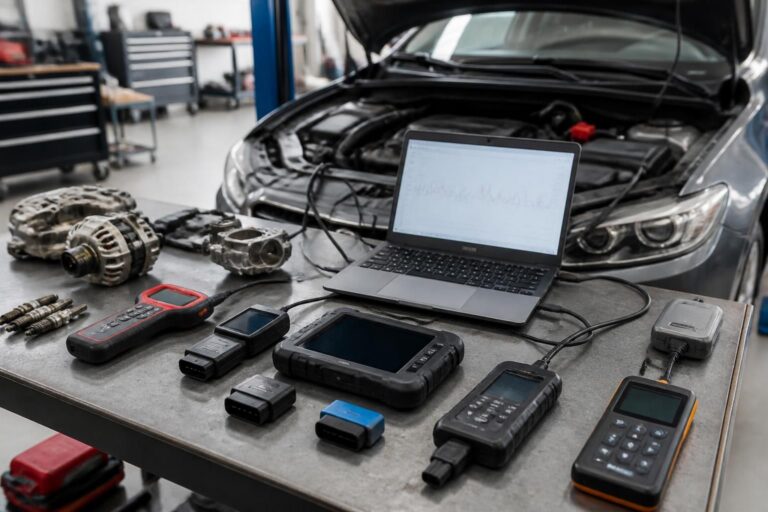
Understanding the Importance of a Car Diagnostic Tool for Vehicle Maintenance In today’s automotive landscape, having a reliable automotive diagnostic device is…
Lire l’article →