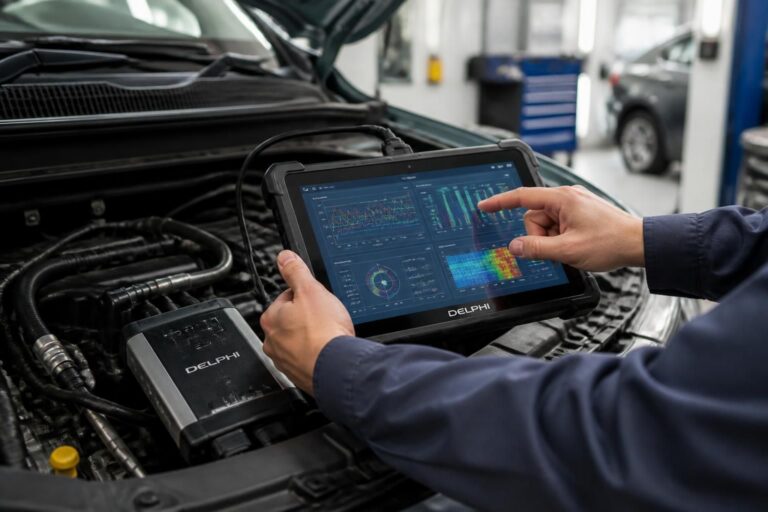
Understanding Common Automotive Faults Through Sound and Sensation
Recognizing early signs of vehicle malfunction is critical to avoid expensive repairs and ensure road safety. A car often communicates its health status through various sensory signals such as noises, vibrations, or warning lights. Identifying these signals promptly can help drivers initiate a precise car diagnostic process before minor issues escalate into costly problems.
Auditory cues are among the most noticeable indicators of automotive faults. A metallic clicking noise heard during cold starts on certain petrol engines may indicate a tension issue or wear in the timing chain system. Similarly, persistent squealing or high-pitched whistles could point towards worn accessory belts or failing pulleys. These noises should prompt an immediate inspection by a mechanic, as ignoring them risks severe engine damage.
Visual signs on or around the vehicle provide important clues. For example, a visible fluid leak beneath the chassis can range from harmless condensation to critical oil or coolant loss. Differentiating the fluids by color and texture is essential for fault detection: coolant usually presents hues of green, pink, or orange and emits a sweet smell, whereas engine oil is dark and viscous. Knowing these distinctions aids vehicle troubleshooting and can guide when to seek professional auto repair services.
Tactile symptoms, such as abnormal vibrations or unusual resistance in the steering, are often overlooked yet crucial. For instance, an excessive play in the steering wheel could indicate worn rack components or tie rods, which compromises vehicle handling and safety. This physical feedback is particularly valuable since electronic error codes may not always register these mechanical deteriorations.
Symptom severity doesn’t always correlate with perceived intensity. A faint odor of coolant inside the cabin might seem minor but could signal a leaking heater core, potentially leading to engine overheating if left untreated. Conversely, some loud noises could be traced back to relatively inexpensive fixes, such as replacing a faulty belt tensioner. Hence, a systematic approach combining sensory observation and error code analysis is advisable for effective fault detection.
Addressing Fluid Leaks: Identifying and Prioritizing Repairs
Fluid leaks under a vehicle are frequent symptoms that often trigger immediate concern. However, understanding the nature and severity of the leak is crucial to determine the appropriate response.
Firstly, categorizing the type of fluid is paramount for accurate fault detection. Condensation from the air conditioning system results in clear water, which is harmless. Engine oil leaks usually manifest as dark, viscous pools resulting from degrading seals or gaskets. Contrarily, coolant leaks require urgent intervention due to their direct impact on engine temperature regulation.
Assessing the volume and rate of the leak helps in prioritizing repairs. A small drip accumulating in isolated spots over time may be managed conservatively with regular monitoring during routine service appointments. However, large puddles appearing overnight are red flags signaling serious leaks that necessitate immediate diagnostic and repair actions, potentially saving owners from extensive engine damage.
Specific systems like power steering are sensitive to minor leaks. Even a seemingly insignificant fluid loss in the power steering circuit can progressively degrade steering performance, risking total system failure and costly repairs upwards of 1,200 euros. Preventive detection and repair are then critical to maintain vehicle safety and control.
Routine checks of parking spots for new stains and a visual examination of seals, hoses, and connectors beneath the vehicle form simple yet effective proactive maintenance steps. Drivers of older vehicles, especially those exceeding ten years, should pay special attention as seals and joints naturally deteriorate over time.
Detecting Early Signs of Steering System Failure
The steering assembly is a fundamental element of vehicle safety and stability. Its deterioration generally occurs progressively, thus early detection through car diagnostic procedures significantly mitigates the risk of accidents and high repair costs.
Often, the easiest way to check steering responsiveness is by assessing the free play in the steering wheel. When the engine is off and the wheels face straight, any movement of the steering wheel exceeding 2 centimeters without corresponding wheel rotation indicates excessive wear in critical assemblies such as the rack or tie rods. This test is straightforward and can be performed quickly in a parking lot, serving as a practical mechanic tip for vehicle troubleshooting.
A persistent vehicle pull to one side while driving can highlight three main causes: misaligned wheel geometry (parallelism), uneven tire wear, or a malfunctioning brake component, such as a seized caliper. Contrary to common assumptions, road slope rarely causes constant directional deviation. Identifying the true cause helps direct repair and adjustment accurately.
More ominous symptoms of steering failure include metallic clunks during turns, vague steering feel, and creaking noises when steering at low speeds. These signs often forecast imminent joint or ball socket failures, requiring immediate inspection and repair to avoid costly breakdowns or compromised safety.
Owners seeking deeper insights into steering system faults and relevant quick repairs can consult expert resources on precise automotive diagnostics. These guides combine practical advice with detailed explanation of fault mechanisms, assisting motorists in timely fault identification and effective communication with professional mechanics.
Engine Problems: Early Detection and Preventive Maintenance
The engine, being the heart of a vehicle, requires detailed monitoring to prevent serious damage and expensive repairs. Many engine problems announce their presence through measurable changes in operation or consumption, which can be detected via diagnostic tools and observational skills.
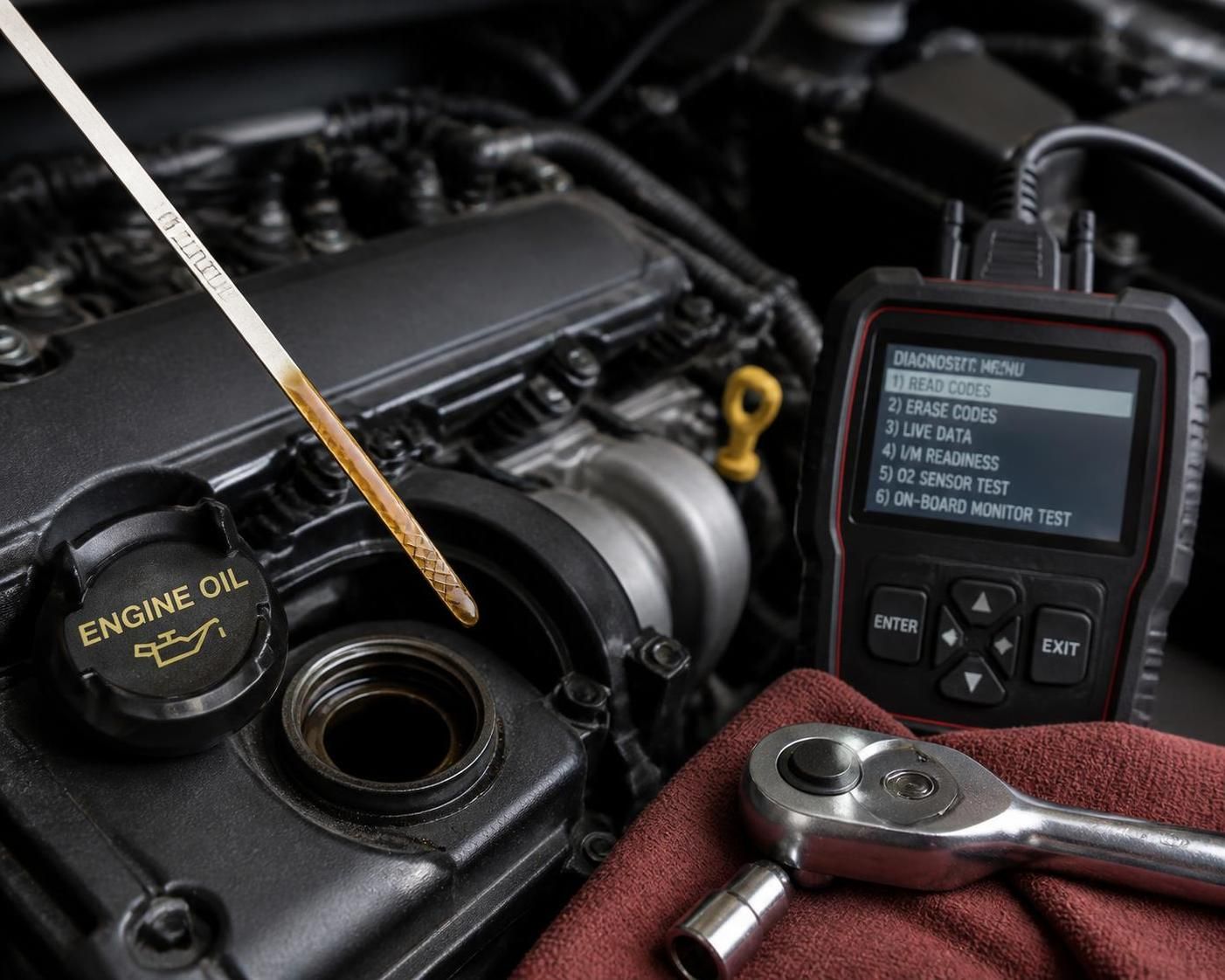
Oil consumption is a key metric in gauging engine condition. Normally, engines consume less than 1 liter of oil per 10,000 kilometers. Exceeding this limit, requiring oil refills every 2,000 kilometers or less, indicates underlying component wear such as piston rings or valve seals. This situation often deteriorates rapidly, amplifying repair costs beyond 3,000 euros if not addressed promptly.
Another common indicator is a sudden spike in fuel consumption. For example, if your usual consumption was around 6.5 liters per 100 kilometers and it rises to over 9 liters, internal engine issues might be present. These include clogged fuel injectors, faulty temperature sensors, or a dirty air filter, all of which can be checked via car diagnostic scanners that read engine error codes for prompt fault detection.
Listening carefully for unfamiliar engine sounds can also reveal problems. Persistent metallic ticking or clicking under acceleration might imply ignition timing irregularities or substandard fuel quality. Meanwhile, hissing noises could point toward belt or pulley malfunction, requiring quick repairs to avoid breakdowns.
Maintaining a rigorous preventive maintenance schedule is indispensable. Ignoring crucial steps such as changing the timing belt at prescribed intervals (usually between 100,000 and 180,000 kilometers according to engine type) risks catastrophic failure. A broken timing belt often leads to engine damage costing five to ten times the expense of timely belt replacement.
For additional technical details about engine oil consumption causes, motorists can refer to authoritative analysis on oil consumption issues. This resource outlines common mechanical failures and offers guidance on maintenance to extend engine longevity and reduce fault incidence.
Choosing the Right Diagnostic Tools and Interpreting Error Codes
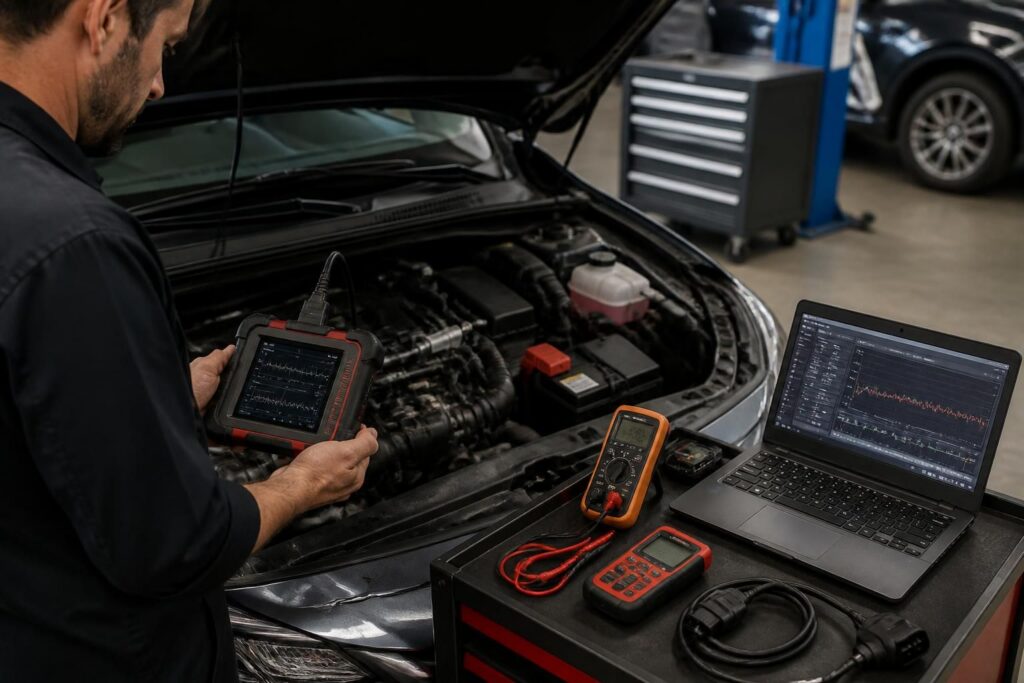
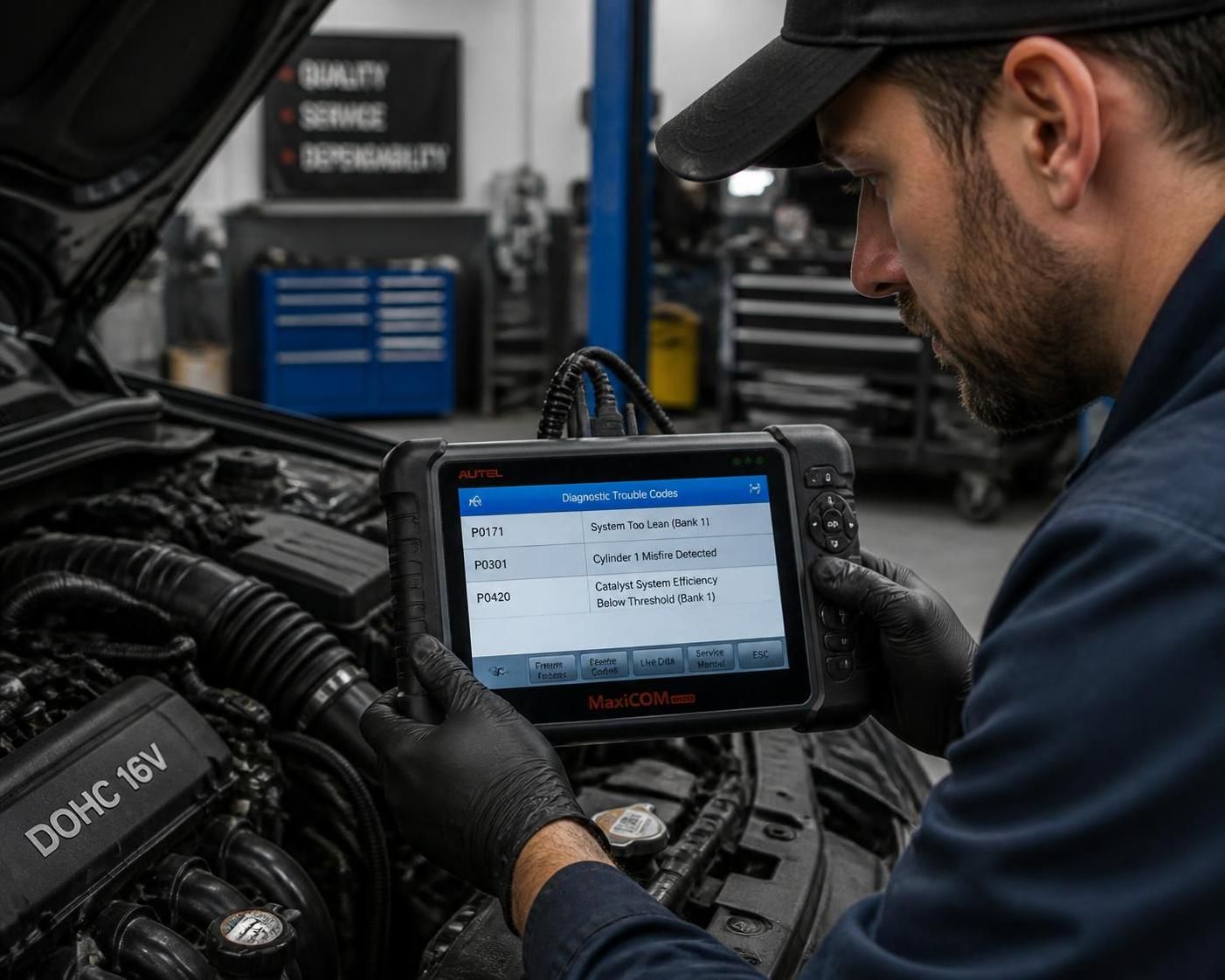
Modern vehicles leverage powerful electronic systems that continuously monitor their health status. After detecting a fault, diagnostic tools reveal error codes that serve as the starting point for further investigations. Understanding these codes accurately is essential in automotive fault detection and successful repair implementation.
Diagnostic tools have become increasingly accessible, ranging from professional-grade scanners used by mechanics to user-friendly OBD2 readers compatible with smartphones. These devices quickly retrieve error codes, but their effective interpretation remains critical. Simply replacing parts corresponding to generic codes without deeper analysis leads to recurring faults and unnecessary expenses.
Decoding error codes requires experience and reliable reference materials, as several issues might share similar diagnostic signals. For example, an engine misfire code may originate from spark plug failure, fuel delivery problems, or sensor malfunctions. A thorough vehicle troubleshooting process integrates code interpretation with sensory checks and mechanical assessments.
Table: Common Error Codes and Corresponding Typical Causes
Error Code
Typical Cause
Recommended Diagnostic Action
Estimated Repair Cost (€)
P0300
Random Engine Misfire
Inspect spark plugs, ignition coils, injectors
100 – 400
P0171
Lean Fuel Mixture Detected
Check air filters, fuel pump, oxygen sensors
150 – 600
P0420
Catalytic Converter Efficiency
Test catalytic converter, oxygen sensors
250 – 1500
P0128
Coolant Thermostat Issue
Evaluate thermostat, coolant temperature sensor
80 – 250
For comprehensive guidance and diagnostic tool selection, consulting dedicated platforms like mechanic-focused diagnostic tutorials enhances both understanding and effectiveness in resolving automotive faults.
Understanding the Importance of Accurate Car Diagnostic for Effective Vehicle Troubleshooting The foundation of realistic and effective automotive maintenance lies in the…
Understanding Delphi Auto Diagnostic: A Key Tool for Efficient Vehicle Fault Analysis Modern vehicles have evolved into complex machines with numerous electronic…