Quel est le prix d’un diagnostic électronique pour votre véhicule ?
Les bases du diagnostic électronique : comprendre son rôle et son utilité pour votre véhicule Lorsque le témoin d’alerte s’allume sur votre…
Lire l’article →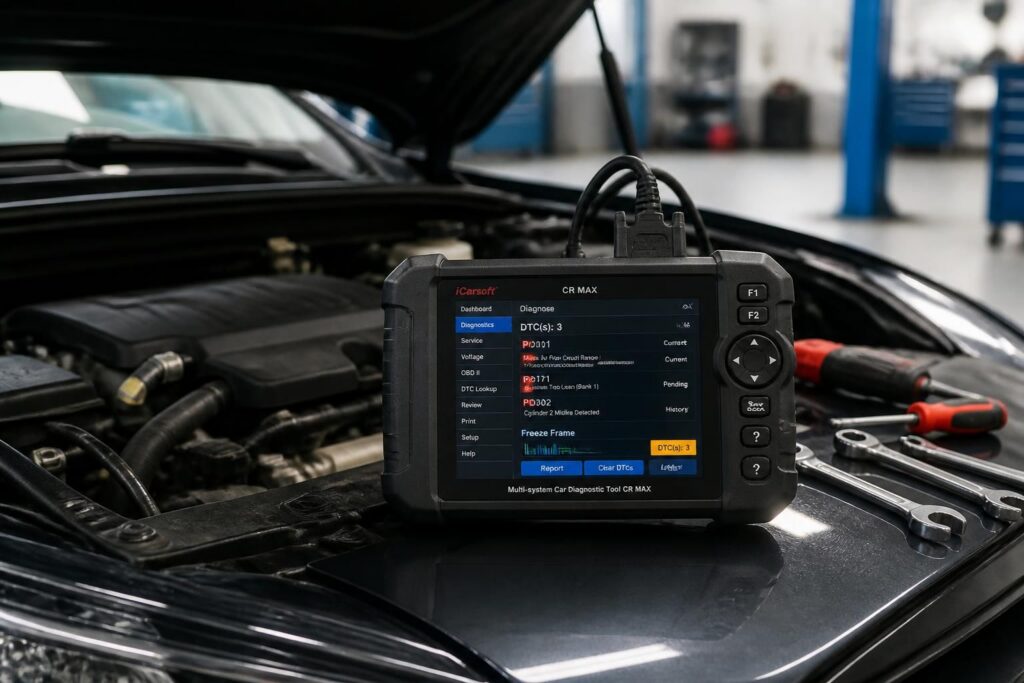
A car diagnostic tool, commonly referred to as a vehicle fault code reader or an OBD2 scanner, is indispensable for anyone interested in maintaining or repairing a vehicle effectively. These devices connect to the onboard diagnostic system of a car and are capable of reading and sometimes erasing fault codes, which illuminate warning lights on the dashboard.
There are three primary categories of diagnostic equipment available in the market today, each tailored to different user needs and vehicle complexities.
The choice between these types of auto diagnostic devices depends largely on the intended use, technical proficiency, and budget. For basic code reading and clearance, an entry-level OBD2 scanner suffices. However, for detailed diagnostics and service functions, more advanced tools become essential.
In terms of vehicle compatibility, it’s important to note that any petrol car manufactured from 2001, diesel from 2004, and commercial vehicles since 2007 are generally OBD2 compliant, meaning these diagnostic tools will work with them. Yet, older vehicles may require specialized interfaces or adapters.
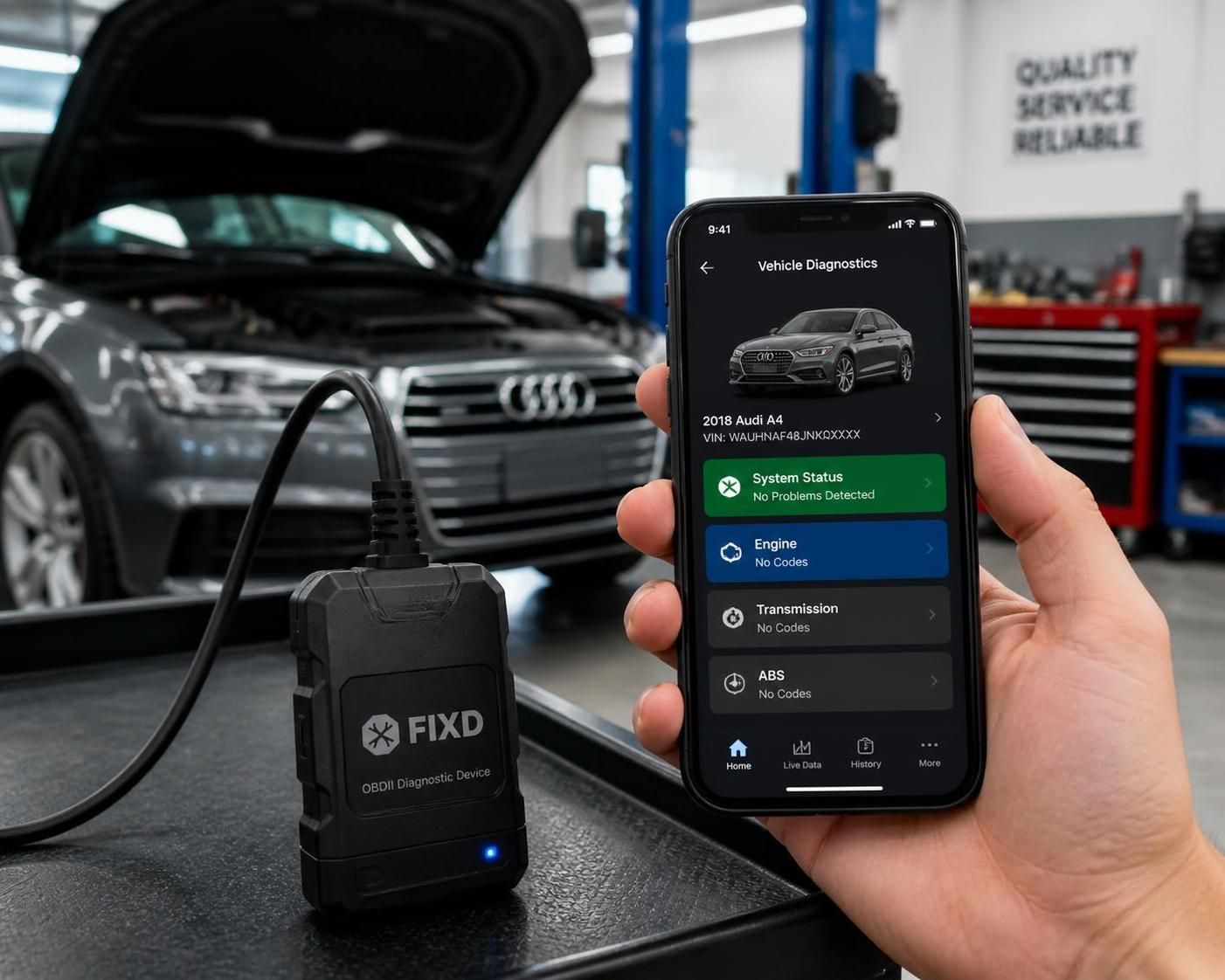
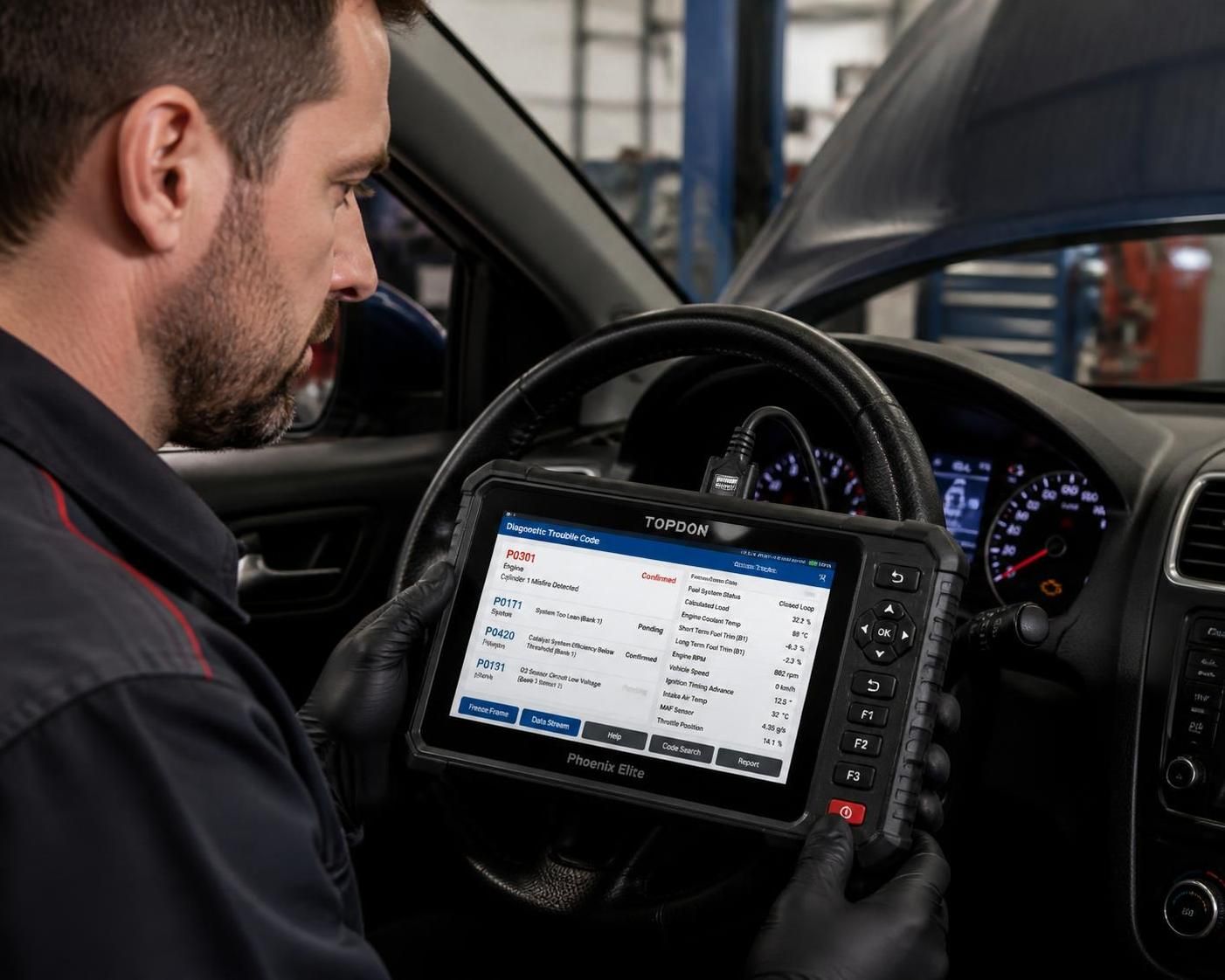
One of the most immediate advantages of utilizing a vehicle scanner is the ability to translate fault codes into actionable information. The diagnostic codes are typically grouped into categories—powertrain (P0xxx codes), chassis and braking system (C0xxx), body systems and airbags (B0xxx), and network communication faults (U0xxx). Interpreting these enables motorists and mechanics to pinpoint system malfunctions accurately.
These devices not only decode stored faults but also provide live data streams from sensors. For example, monitoring parameters such as engine temperature, oil pressure, oxygen sensor readings, and fuel trim levels helps identify deteriorating parts before failure, optimizing preventive maintenance courses.
The financial aspect should not be overlooked. A diagnostic service at a garage can range from 50 to 150 euros or more, solely to reveal what defects exist. Investing in personal car diagnostic equipment swiftly amortizes, especially for those who frequently troubleshoot or maintain several vehicles. This approach reduces unnecessary labor costs and the risk of ordering incorrect replacement parts.
Moreover, an OBD2 scanner or advanced car diagnostic tool is essential during pre-purchase inspections or routine servicing, as scanning all accessible electronic control units verifies the vehicle’s health comprehensively. It allows buyers to confirm repairs or discover hidden issues easily.
However, users must be aware of a security feature prevalent in modern cars—the Secure Gateway or “SGW,” implemented by manufacturers like Stellantis and Volkswagen Group. This acts as a firewall between the OBD2 port and sensitive electronics, restricting active interventions such as resetting codes or running actuator tests while allowing passive data readouts. Addressing this limitation requires either specialized bypass hardware, manufacturer-approved software, or professional diagnostic devices.
Choosing the best car diagnostic tool involves evaluating personal needs balanced against technical specifications and budget constraints. Here are the key factors:
One notable manufacturer, Bosch, offers a wide range of multibrand diagnostic equipment known for reliability and exhaustive capabilities. Additionally, some French brands like Klavkarr provide tools with free updates and French-language support, making them attractive for local users.
In short, knowing how to choose diagnostic tool suites your profile is key to obtaining a balance of ease-of-use, robustness, and depth of diagnostic information without overpaying for unused features.
This table provides an overview of three widely recognized car diagnostic scanners to help car owners and mechanics make an informed decision.
| Model | Compatibility | Functions | Price Range (€) | Support & Updates | Ideal For |
|---|---|---|---|---|---|
| Autel MaxiCOM MK808S | Multibrand, wide range | Engine, ABS, Airbags, Transmission, Coding | ~300+ | 1 year free updates | Advanced DIY and professionals |
| Launch CRP129X V2.0 | Multibrand | ABS, SRS, Engine, Transmission, Scan functions | ~200-250 | Some subscription required | Enthusiasts, intermediate usage |
| iCarsoft CR Max | Multibrand, 40+ brands | Basic engine and system fault reading | ~150-180 | Limited support | Amateurs, budget-conscious |
Each device caters to different needs and budgets, highlighting the importance of aligning the choice with diagnostic requirements. For full multi-system diagnostics, professional tools like the Autel stand out despite their higher cost.
Proper usage of an auto diagnostic device can maximize its benefits and extend its lifespan. Here are key considerations and tips for users:
Additionally, vehicle diagnostics should not replace regular mechanical inspections but complement them, enabling targeted interventions and preventing unexpected breakdowns.
For further insights on selecting the right tool and performing precise diagnostics, detailed resources such as this expert guide on choosing car diagnostic tools and a comprehensive manual on OBD2 scanners are invaluable.
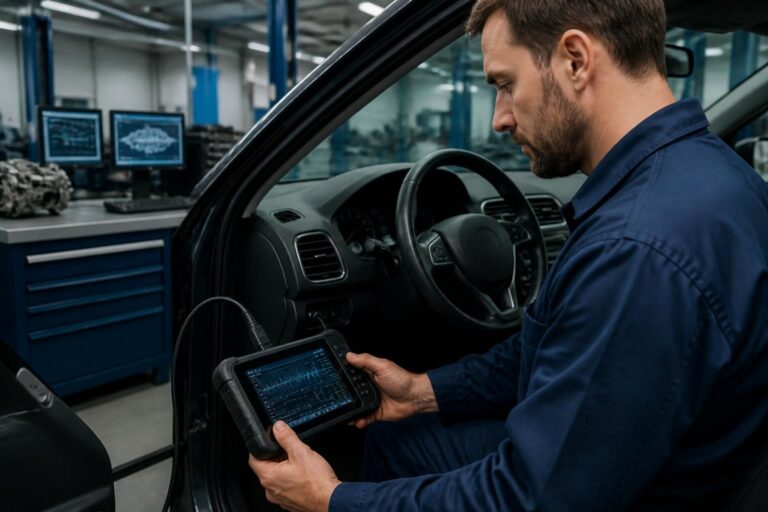
Les bases du diagnostic électronique : comprendre son rôle et son utilité pour votre véhicule Lorsque le témoin d’alerte s’allume sur votre…
Lire l’article →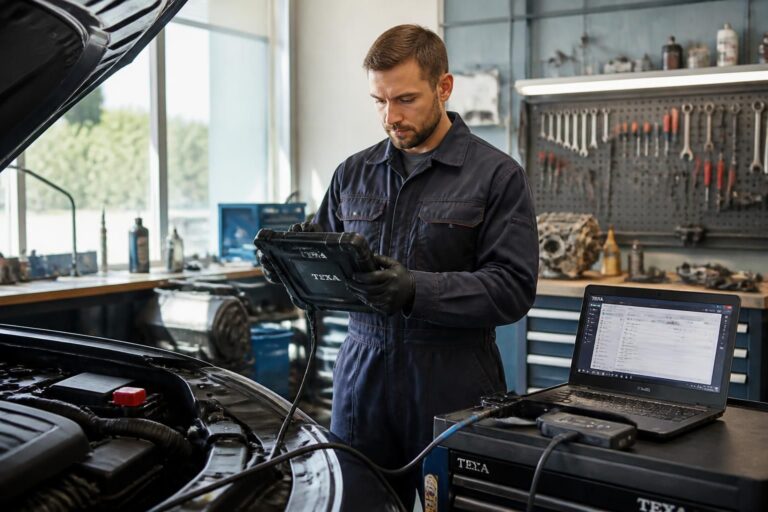
Comprendre la valise de diagnostic automobile : fonctionnement et utilité La valise de diagnostic automobile est un outil devenu incontournable pour quiconque…
Lire l’article →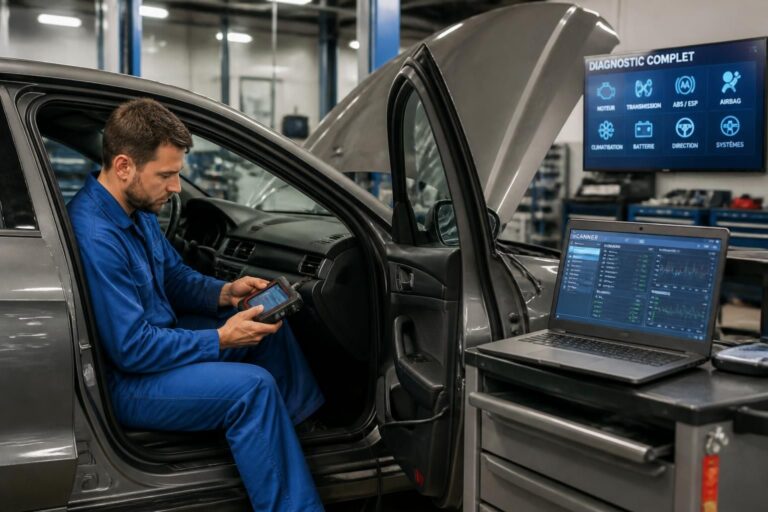
Comprendre les bases du diagnostic voiture pour un contrôle technique efficace Le diagnostic voiture est devenu une étape incontournable pour assurer la…
Lire l’article →