Understanding the Importance of Accurate Car Diagnostic for Effective Vehicle Troubleshooting
The foundation of realistic and effective automotive maintenance lies in the precision of the car diagnostic. An accurate diagnosis is indispensable not only for repairing existing faults but also for preventing further mechanical breakdowns. Skilled technicians rely on advanced tools and detailed observation to ensure each vehicle is thoroughly analyzed, facilitating a deeper understanding of engine fault detection and other underlying problems.
Modern automobiles embed sensors and computer systems that monitor performance continuously. Recognizing the signals from these components can save motorists considerable expense and inconvenience. Moreover, a precise diagnosis reduces the risk of misidentifying problems that can lead to unnecessary repairs, which inflates the repair bill and increases vehicle downtime.
For instance, a shaking steering wheel could suggest anything from wheel imbalance to suspension issues. Without using automotive diagnostics, mechanics might waste time guessing the cause. Applying diagnostic methods such as fault code reading via OBD scanning tools expedites this process by pointing directly to the faulty system.
Furthermore, understanding the vehicle’s response during different driving conditions during an engine performance check is imperative. This allows for the detection of intermittent issues that standard visual inspections might miss. Challenges such as sensor malfunctions, intermittent misfires, or failing emissions components need precise tools to identify their occurrence pattern and origins.
Using diagnostic equipment to assess both hardware and software aspects gives technicians a comprehensive view of the vehicle’s health. Key reasons why accurate diagnostics are vital include:
Preventing unplanned breakdowns that can compromise safety.
Reducing repair costs by addressing issues early.
Facilitating targeted repairs instead of broad component replacements.
Improving the life span of the vehicle through proactive maintenance.
Enhancing fuel efficiency and reducing emissions.
These benefits emphasize why a detailed vehicle assessment must precede any repair or maintenance procedure. The use of diagnostic tools, including OBD scanners, is now a standard practice in reputable garages. They provide fault codes that guide professionals, making automotive troubleshooting more straightforward and reliable.
Essential Tools and Techniques for High-Precision Automotive Diagnostics
Achieving precision in car diagnostic depends significantly on employing the right set of tools and applying methodical techniques. Workshops and professional mechanics increasingly rely on multi-brand diagnostic devices, which allow them to tap into various systems beyond just engine fault detection.
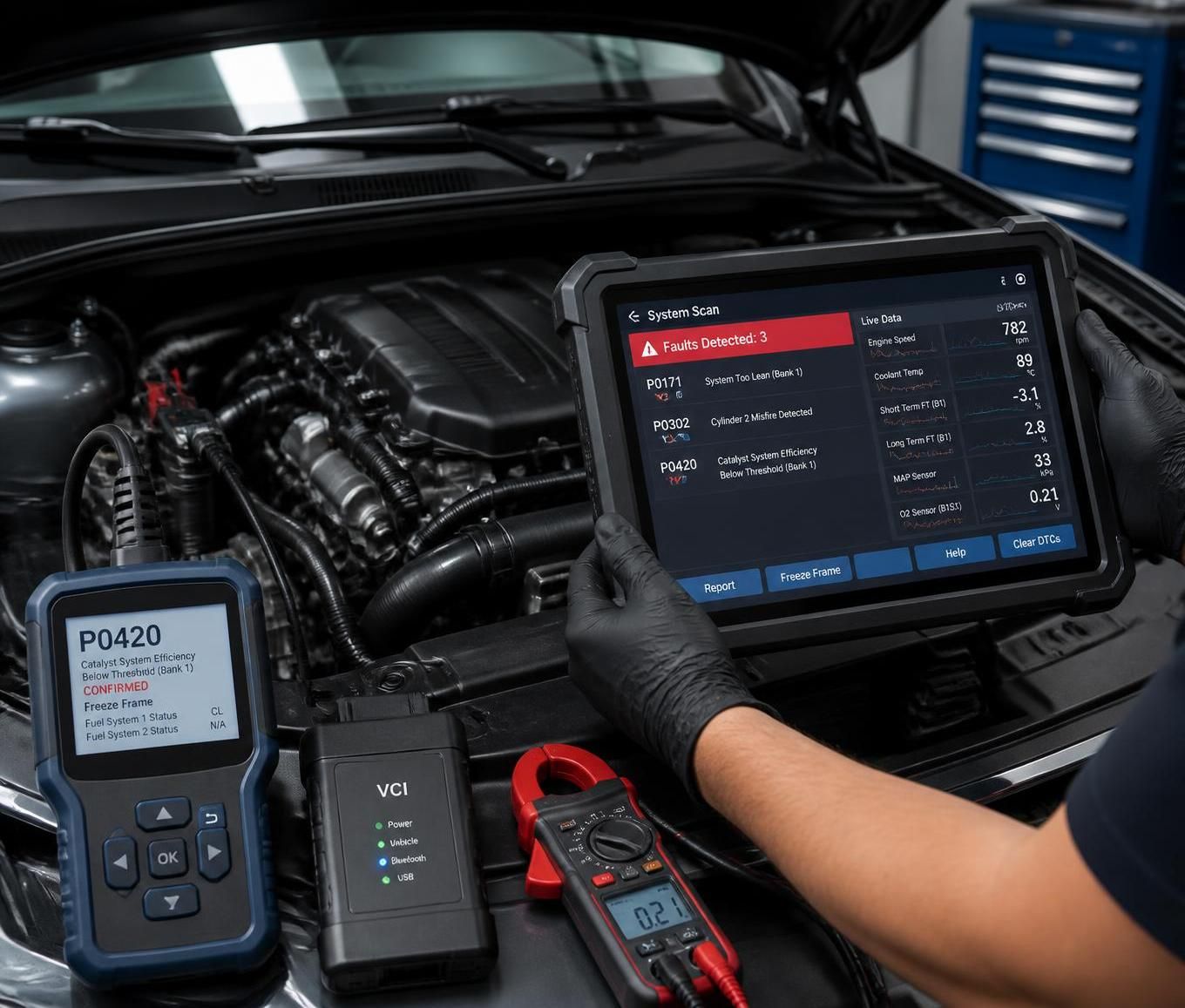
One of the most common equipment used is the OBD-II scanner, which reads fault codes from the vehicle’s Engine Control Unit (ECU). This device is essential for automotive diagnostics, presenting a numerical code that corresponds to specific malfunctions. Interpreting these codes accurately requires expertise, as a single fault can generate several codes, and some codes might signal symptoms rather than root causes.
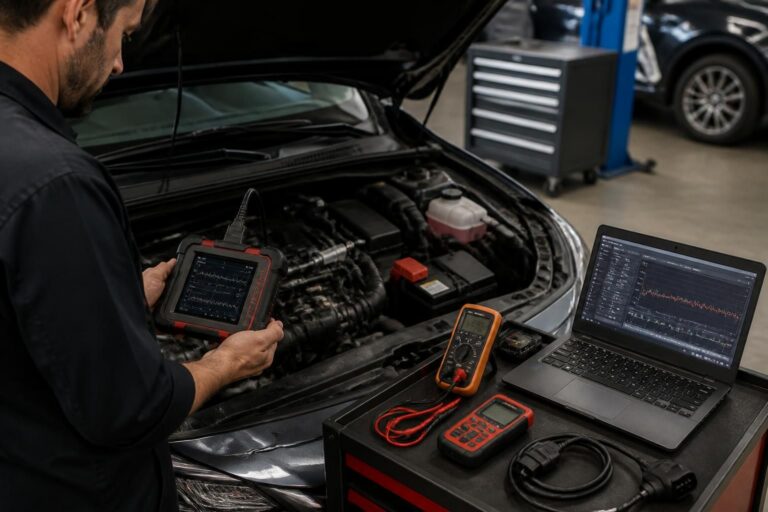
Additionally, advanced diagnostic systems such as those found in Bosch’s latest valise equipment provide comprehensive reports on engine performance, transmission status, braking systems, and electronic control units. These devices allow mechanics to perform a thorough preventive maintenance check and anticipate parts failure long before symptoms appear.
Key techniques employed in automotive troubleshooting include:
Fault code reading: Scanning and understanding trouble codes that the ECU generates.
Live data monitoring: Observing sensor outputs in real time to identify irregularities.
System-specific testing: Conducting tests on fuel injection, ignition, or emission systems.
Physical inspection: Supplementing data scans with observations of components for wear and tear.
Road testing: Evaluating vehicle response under various conditions to detect intermittent issues.
The combination of innovative tools and systematic methods eliminates guesswork. For example, a faulty oxygen sensor could be indicated by a specific fault code, but only a live data check can confirm if the sensor reacts correctly during driving. Such detailed process ensures repairs target the actual problem, preserving vehicle integrity and owner investment.
For more insight on top diagnostic equipment, including guides to choosing the best diagnostic tools for vehicle maintenance, one can explore professional diagnostic tools recommendations. These resources aid vehicle owners and technicians in selecting and using appropriate devices for their vehicle’s make and age.
Step-by-Step Procedures for Carrying Out a Precise Vehicle Diagnostic in a Workshop Setting
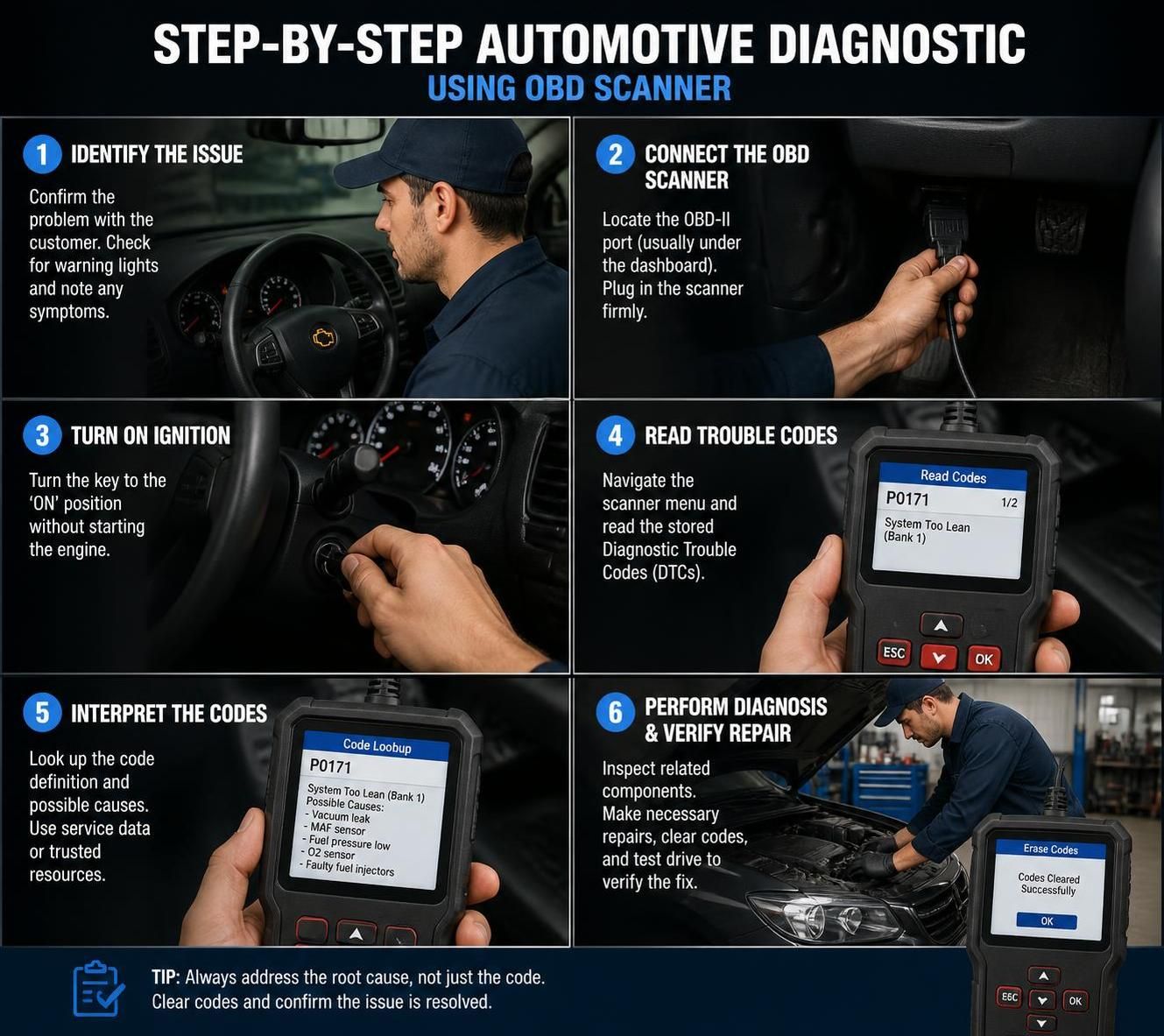
Executing a detailed car diagnostic involves a structured sequence of steps ensuring no aspect is overlooked during vehicle troubleshooting. Professional garages emphasize the protocol explained below to avoid missed signs that may culminate in costly repairs later.
Step 1: Preliminary symptom assessment—Gathering information from the vehicle owner about any signs such as unusual noises, vibrations, or warning lights helps prioritize the parts of the vehicle to inspect.
Step 2: Fault code reading with OBD scanner—Connecting to the vehicle’s on-board computer to extract stored fault codes provides a direct pointer to possible malfunctions.
Step 3: Visual and mechanical inspection—Checking fluid levels, belts, hoses, and physical components for leaks or damages confirms the scanner’s findings and detects hidden wear.
Step 4: Live data analysis—Running the engine and monitoring sensor data such as air-fuel ratio, coolant temperature, or ignition timing identifies irregularity in real time.
Step 5: Functional testing and road test—Driving the vehicle to replicate fault conditions ensures the diagnosis matches actual driving scenarios, confirming findings.
Applying this rigorous diagnostic procedure guarantees optimum vehicle performance and longevity. Missteps in any stage may mislead repairs and waste time, money, and parts. Long-term reliability is ensured when technicians adhere to these essentials.
Workshops offering such detailed diagnostics typically advise customers on the expected pricing and timeframe for different repair phases. To understand typical costs and choose a fair diagnostic service, motorists are encouraged to refer to pricing guide for automotive diagnostics in 2026.
Common Symptoms and Faults Identified Through Engine Fault Detection and Their Underlying Causes
Recognizing symptoms of vehicle malfunction is crucial for early intervention. Engine fault detection often highlights typical problems that manifest through easily observable signs. Understanding these symptoms helps drivers act promptly and seek professional help before issues escalate.
Common symptoms include:
Engine misfires or rough idling: Often arising from faulty spark plugs, ignition coils, or fuel injectors.
Reduced engine power: Caused by clogged air filters, malfunctioning sensors, or turbocharger issues.
Check Engine Light illumination: A universal indicator of ECU-detected faults requiring fault code reading for details.
Excessive exhaust smoke: Suggests burning oil or fuel system problems needing diagnosis to pinpoint exact cause.
Unusual noises from engine bay: Could be loose components, timing belt issues, or failing accessories such as alternator bearings.
For example, symptoms like the vehicle stalling at idle or shaking immediately after starting can be linked to specific underlying problems. An insight into these can be found at this detailed explanation on why cars shake at start and solutions.
Correct interpretation of these signals ensures mechanics identify the root cause rather than just treating symptoms. With fault code reading and appropriate testing, technicians can systematically exclude other potential causes, minimizing the risk of repeated breakdowns.
The following table lists common symptoms, probable causes, and suggested diagnostic checks to support effective troubleshooting:
Symptom
Probable Cause
Diagnostic Approach
Engine stalls at idle
Faulty idle air control valve
OBD code check, air valve inspection, fuel pressure test
Check engine light ON
Sensor malfunction or emissions fault
Fault code reading, emissions system scan
Reduced fuel efficiency
Dirty air filters or malfunctioning injectors
Fuel system cleaning, air filter check
Excessive vibration during acceleration
Faulty spark plugs or ignition coils
Inspection of ignition system, spark plug test
Black exhaust smoke
Rich fuel mixture or turbo failure
Fuel trims analysis, turbocharger inspection
Best Practices and Tips for Preventive Maintenance Through Regular Automotive Troubleshooting
Preventive maintenance remains the most cost-effective strategy to extend vehicle lifespan and reduce the frequency of unexpected repairs. Integrating routine automotive troubleshooting into scheduled maintenance prevents many common failures.
Key elements of effective preventive maintenance include:
Regular inspection of critical parts such as brakes, suspension, and tires.
Frequent engine performance checks to monitor fuel efficiency and emissions.
Periodic oil changes following manufacturer recommendations, especially for diesel engines.
Using diagnostic tools regularly to scan for unnoticed faults.
Promptly addressing warning lights and unusual noises.
Following these practices helps identify early signs of wear and tear, enabling targeted interventions that may avert serious breakdowns. Additionally, preventive maintenance contributes to safer driving conditions and better resale value.
For example, the frequency of oil changes in diesel cars involves several factors such as mileage and operating conditions. Expertise highlighted on when to perform diesel car oil changes underscores the importance of adapting maintenance to specific vehicle needs.
Automotive troubleshooting is also highly effective when paired with professional advice, which ensures vehicle owners receive tailored recommendations pertinent to their car’s make, model, and usage patterns. This approach helps establish a maintenance routine that optimizes both performance and cost.
Incorporating a checklist during inspections facilitates thoroughness. Below is a recommended preventive maintenance checklist mechanics use to keep vehicles in top condition:
Examine engine oils and fluid levels
Check the condition of belts and hoses
Test battery charge and terminals
Inspect tire tread depth and pressure
Assess brake pad and rotor wear
Review all vehicle lighting and indicators
Scan for any fault codes in vehicle computer systems
Maintaining adherence to these steps promotes timely interventions and minimizes emergency breakdowns. For more detailed tips on ensuring your car remains in optimal condition through effective diagnostic approaches, resources such as essential steps for precise automotive diagnostics provide valuable guidance.
Understanding Common Automotive Faults Through Sound and Sensation Recognizing early signs of vehicle malfunction is critical to avoid expensive repairs and ensure…
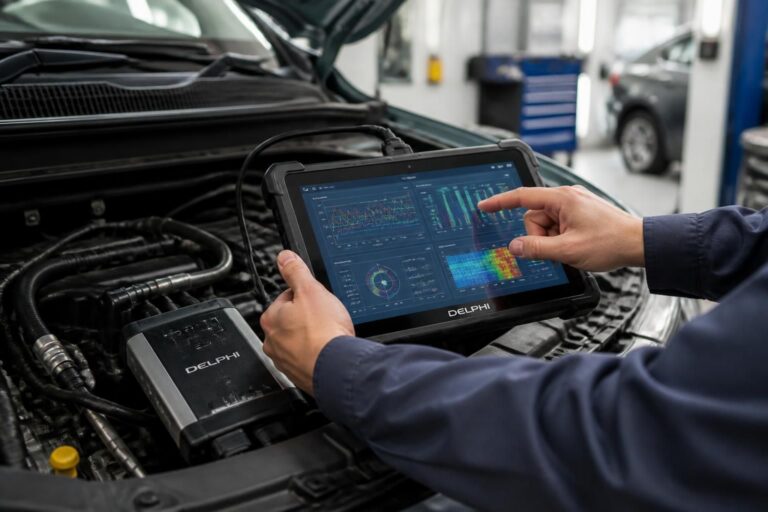
Understanding Delphi Auto Diagnostic: A Key Tool for Efficient Vehicle Fault Analysis Modern vehicles have evolved into complex machines with numerous electronic…