
Comment savoir s’il est temps de faire une vidange de votre voiture
Les signes visibles et ressentis indiquant qu’une vidange est nécessaire Conduire une voiture en bon état passe inévitablement par un entretien régulier,…
Lire l’article →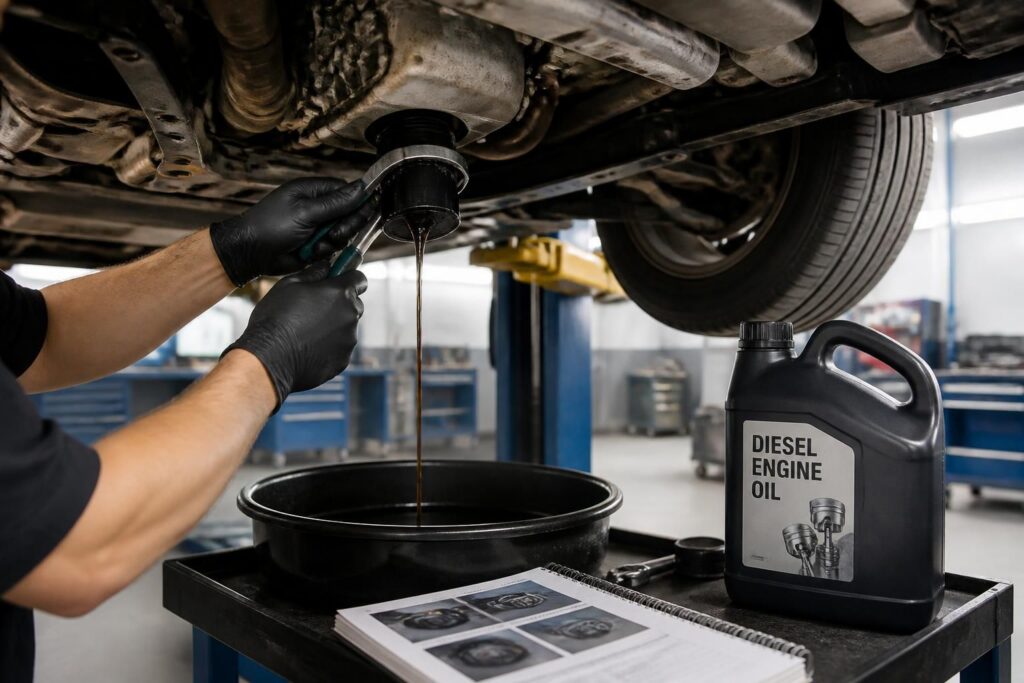
Determining how often to change oil in a diesel vehicle is essential to maintaining its mechanical integrity and ensuring long-term operational efficiency. The oil change frequency for diesel cars has traditionally been around every 7,000 kilometers, a metric echoed by many manufacturers reflecting the specific demands of diesel engine maintenance. This interval typically corresponds to one or two oil changes per year, depending on driving habits and conditions.
For diesel engines, oil not only lubricates moving parts but also manages the intense heat and friction generated during combustion. Over time, the oil degrades due to contaminants like carbon residues, acids, and soot. These impurities reduce oil viscosity and compromise its ability to protect vital engine components, leading to increased wear and potential failure. Hence, adhering to an appropriate car service interval for oil changes safeguards the engine’s internal condition.
New diesel vehicles or those accumulating less mileage may benefit from extended intervals, sometimes reaching up to 20,000 to 30,000 kilometers. However, vehicles surpassing 100,000 kilometers generally require more frequent oil changes, approximately two to three times yearly, to address increased engine stress and prevent premature wear.
Besides mileage, driving environment and usage patterns influence oil change requirements. Urban driving with frequent stops or dusty conditions demands earlier oil replacement compared to highway driving. Recognizing symptoms indicating oil degradation, such as darkened oil color or unusual engine noises, can prompt timely maintenance beyond scheduled intervals.
Automotive specialists advise consulting the vehicle’s manual and local professionals to tailor the oil change schedule in accordance with specific diesel engine models and usage. Resources like recommended maintenance guidelines provide clarity and assist drivers in aligning with manufacturer expectations and preserving warranties.
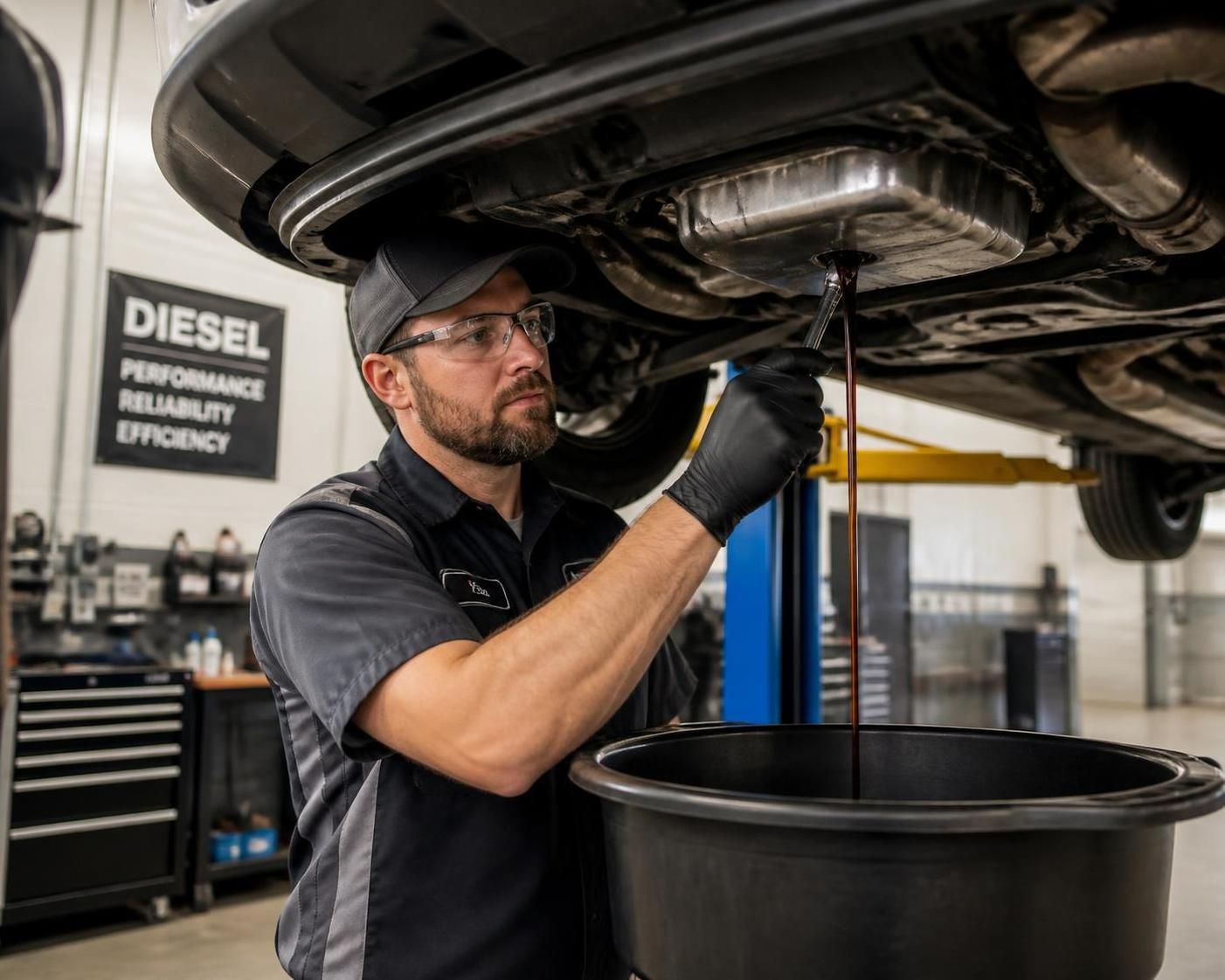
While adhering to predefined oil change kilometers is a good practice, some additional vehicle behaviors and visual clues should prompt an immediate engine oil replacement. Diesel cars often exhibit multiple subtle indicators before severe engine damage occurs. Recognizing these signs early can help owners avoid costly repairs and maintain optimal performance.
The first and most noticeable indicator is the oil’s appearance. Fresh engine oil generally has an amber color and a thick consistency, serving as evidence of its lubricant quality. When the oil darkens considerably or thickens due to carbon and soot contamination, it loses its efficiency in preventing metal-to-metal contact inside the engine.
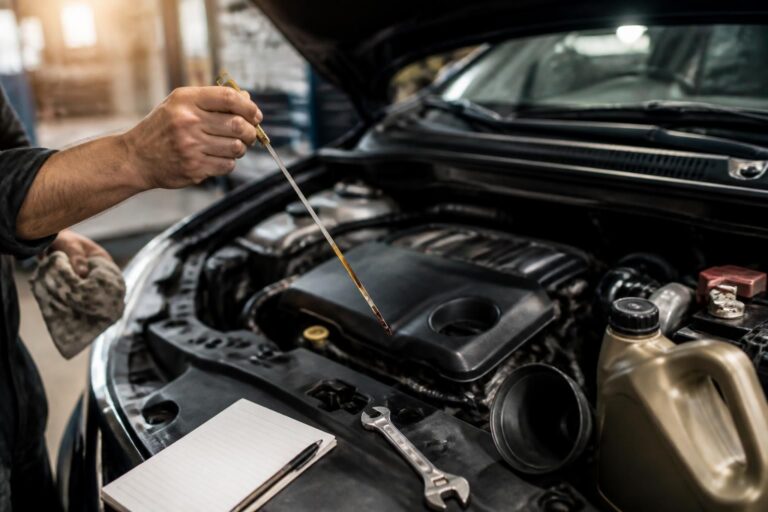
Another sign is excessive smoke from the exhaust, typically black, which may indicate oil leakage or inadequate lubrication due to degraded oil. This issue necessitates checking the oil level promptly using the dipstick and determining whether an oil change or professional diagnosis is required.
Engine noises, such as knocking or louder-than-usual rumbling, frequently arise from increased friction caused by insufficient lubrication. Untreated, this condition accelerates the wear of pistons, cylinders, and other components, shortening engine life.
Modern diesel vehicles include dashboard warning lights monitoring oil quality and pressure. An illuminated engine oil or check engine light demands immediate attention to avoid significant mechanical issues. Such electronic indicators complement traditional symptoms and reinforce the importance of regular maintenance.
Consulting expert advice, like the detailed guidance found on diesel car upkeep recommendations, will help drivers identify appropriate responses when confronted with these warning signs. Timely intervention ensures a sustained driving experience without unexpected breakdowns.
Proper lubrication within a diesel vehicle is pivotal to sustaining engine health and efficiency. The oil serves multiple functions: it reduces internal friction, cools engine parts, and traps impurities, preventing abrasive wear. This makes adhering to a recommended maintenance schedule diesel imperative to avoid costly engine repairs.
The quality of oil used for diesel engines is distinguished by its formulation, designed to cope with higher combustion temperatures and soot production. Selecting the correct oil viscosity grade and performance level — often specified as 10W30, 5W40, or similar — is vital to ensuring adequacy under differing operating conditions.
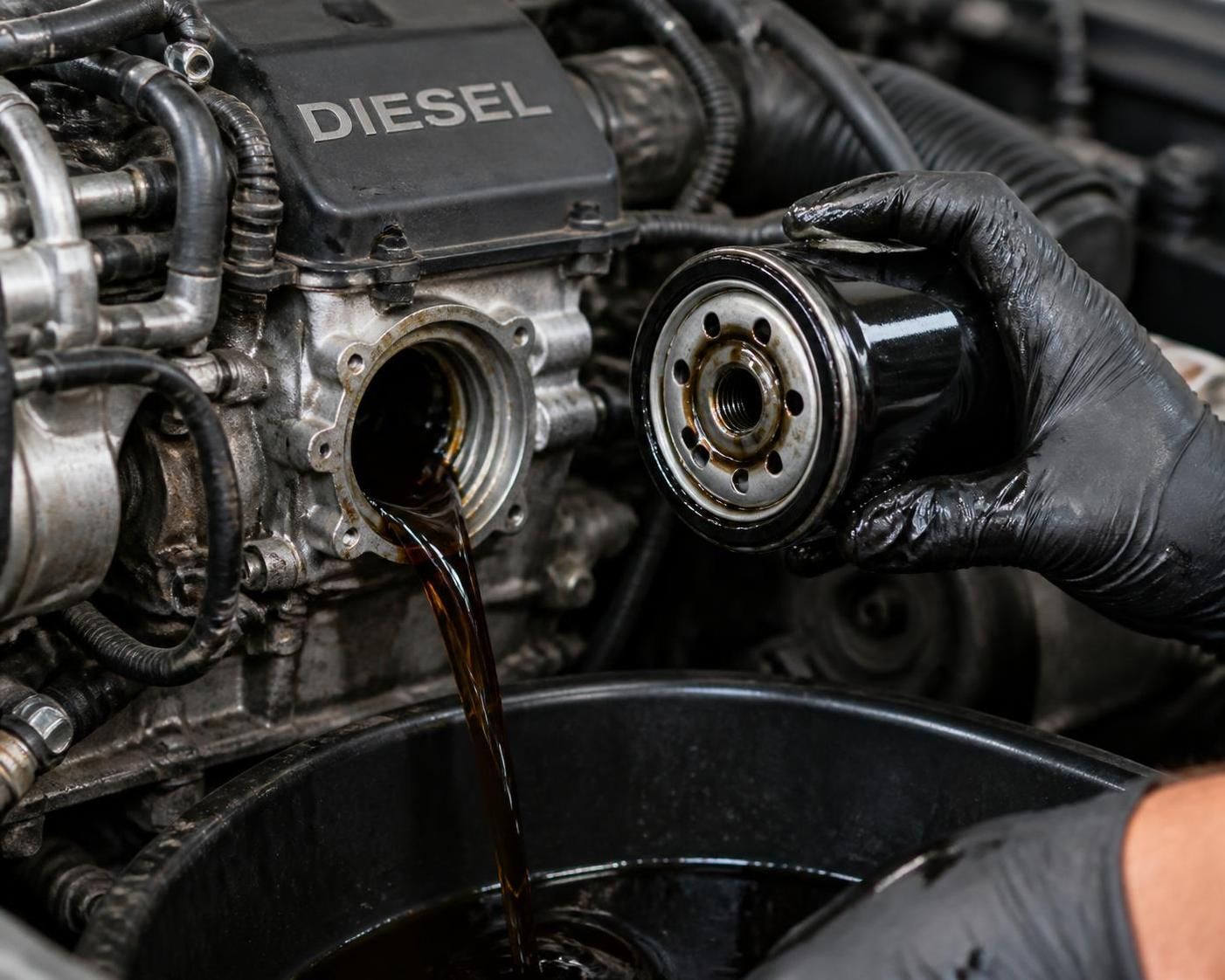
Besides regular oil changes, replacing the oil filter at every service is equally critical. The filter traps contaminants before the oil circulates and prevents dirty oil from circulating through engine components. Neglecting filter changes risks clogging, reducing oil flow and compromising lubrication integrity.
Newer filter technologies, such as permanent self-cleaning filters, are available on the market, lending some flexibility in replacement frequency. However, traditional filters demand replacement in sync with each oil change to maintain system cleanliness and prevent contamination carryover.
The following table highlights key functions of oil and filter components and risks involved when these are neglected:
| Component | Primary Function | Consequences of Neglect |
|---|---|---|
| Engine Oil | Lubricates, cools, and cleans the engine | Increased friction, overheating, engine wear |
| Oil Filter | Removes contaminants from circulating oil | Reduced oil flow, engine clogging, component damage |
Adherence to these maintenance essentials embodies prudent diesel vehicle lubrication management. Owners are encouraged to schedule service visits or consult trusted mechanics to align with optimal upkeep protocols as outlined in expert resources like diesel oil change timing advice.
The financial aspect of routine maintenance is often a concern for diesel vehicle owners. Generally, the cost for a complete diesel car oil change service ranges between €100 to €200. This variation depends on the vehicle’s make and model, labor rates in the region, type and amount of oil used, and additional services performed during the oil change.
Some services may include replacing related filters — oil, air, and fuel — which reflects an all-encompassing approach enhancing engine longevity. It is advisable to demand a detailed service quote when booking to understand which elements the price covers and to compare rates between different garages or auto centers.
Local garages like Garage Crauzaz Nurieux offer tailored maintenance packages for diesel vehicle owners, combining oil changes with system checks, thereby offering peace of mind along with competitive pricing. Home mechanics might be tempted to perform DIY oil changes but should ensure appropriate skill, equipment for safe vehicle elevation, and proper disposal of used oil to comply with environmental regulations.
Below is a summarized cost comparison to give an idea of price variabilities for an oil change service on diesel vehicles:
| Service Provider | Price Range (€) | Includes | Notes |
|---|---|---|---|
| Authorized Dealer | 150 – 200 | Oil + Filters + Diagnostics | Genuine parts, warranty coverage |
| Independent Garage | 100 – 150 | Oil + Filters | Competitive pricing, personalized service |
| DIY | 50 – 80 | Oil only | Requires tools, time, environmental care |
For sustainable vehicle health and budget optimization, consulting professionals and scheduling periodic services aligned with the manufacturer’s timing, as advised on sites like diesel service interval recommendations, is highly recommended.
Maintaining a diesel engine in optimal condition requires more than sticking to a rigid maintenance schedule diesel; it involves adopting best practices that reduce mechanical stress and oil contamination.
Firstly, a proper warm-up phase before driving is crucial. As diesel engines rely on oil circulation to lubricate components fully, a gentle preheating allows oil to reach operating temperature and distribute evenly, mitigating wear during cold starts.
Driving style also plays a major role. Aggressive acceleration or frequent short trips may increase oil degradation and necessitate more frequent oil changes. In contrast, smooth driving under stable conditions helps preserve oil life and engine integrity.
Adding high-quality diesel fuel additives can aid engine function by cleaning fuel injectors and preventing deposit accumulation. These additives boost combustion efficiency and protect internal metal surfaces from corrosion, thus complementing oil change schedules.
Regular replacement of associated filters such as air and fuel filters alongside oil and oil filters ensures contaminants do not enter the engine system. It’s crucial to monitor oil levels between changes and address any leaks immediately.
Lastly, maintaining the cooling system and battery health supports engine reliability. Overheating and electrical faults strain the engine and may exacerbate oil breakdown.
These precautionary measures contribute greatly to extending the diesel car oil change intervals while preserving engine health. Observing these guidelines in conjunction with advice from experienced technicians ensures diesel vehicles remain reliable for many years of service.
Les signes visibles et ressentis indiquant qu’une vidange est nécessaire Conduire une voiture en bon état passe inévitablement par un entretien régulier,…
Lire l’article →
Différences fondamentales entre entretien voiture, révision automobile et vidange Pour un automobiliste, il est indispensable de différencier clairement les notions d’entretien voiture,…
Lire l’article →
Comprendre l’importance d’une carrosserie bien entretenue pour votre voiture La carrosserie est souvent perçue comme une simple façade esthétique, mais elle joue…
Lire l’article →