
Quel est le prix d’un diagnostic électronique pour votre véhicule ?
Les bases du diagnostic électronique : comprendre son rôle et son utilité pour votre véhicule Lorsque le témoin d’alerte s’allume sur votre…
Lire l’article →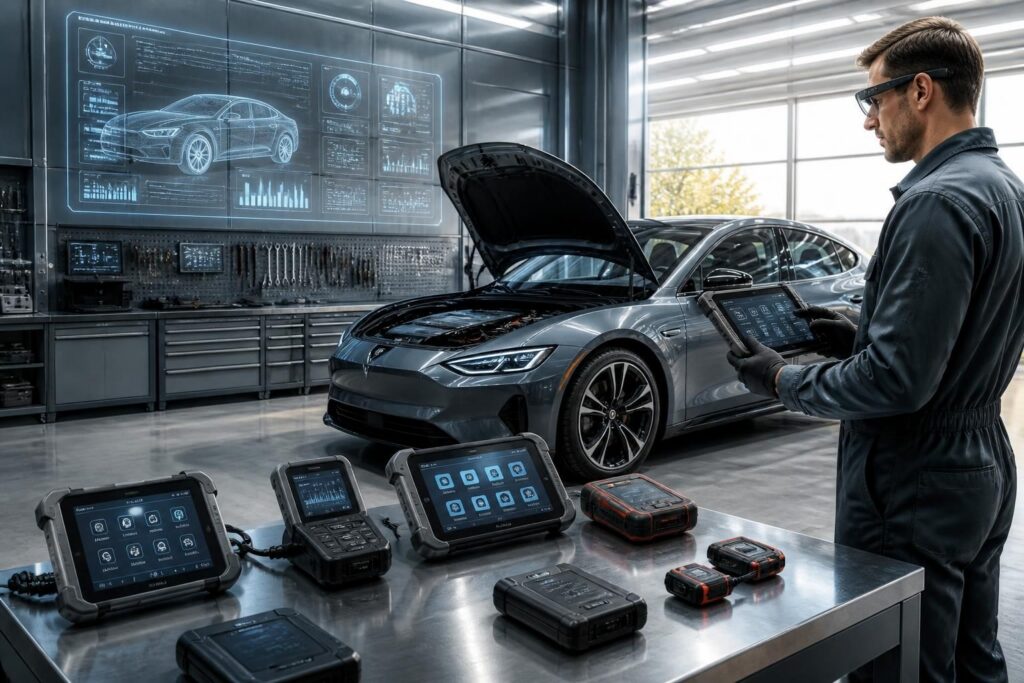
In the rapidly evolving landscape of automotive diagnostics, selecting the right auto diagnostic tools has become a cornerstone for maintaining vehicle reliability and performance. Understanding the intricacies of these devices can prevent costly repairs and ensure safety on the roads. As automotive electronics and computerized systems become increasingly sophisticated in 2026, both amateur motorists and professional mechanics require clear guidance to navigate the expanding market of car diagnostic devices.
The primary purpose of these tools is to provide precise engine diagnostics and comprehensive insight into the vehicle’s electronic control unit (ECU) systems. By identifying error codes and monitoring live data, users can detect engine malfunctions, transmission issues, or electronic failures before they escalate. This preemptive strategy avoids unexpected breakdowns and extends the vehicle’s service life significantly.
When selecting an auto diagnostic tool, compatibility with vehicle brands and models is paramount. Popular connectors like OBD2 (On-Board Diagnostics, second generation) remain the standard interface, allowing access to a wide range of car health monitor functionalities. However, advanced tools now support extended protocols for hybrid and electric vehicles, recognizing the market’s shift toward greener technologies.
One of the key aspects motorists must consider is the user interface of the diagnostic device. Intuitive software navigates the user through error code reading, live sensor data analysis, and fault clearing. Especially for non-professionals, a guided diagnostic mode with easy-to-understand explanations empowers users to interpret results without advanced technical expertise. This, in turn, assists in making informed decisions before consulting professionals.
Connectivity features also influence the usability of these tools in 2026. Many devices offer Bluetooth or Wi-Fi options that enable seamless pairing with smartphones, tablets, or computers, transforming the diagnostic experience through enhanced data visualization and cloud-based updates. Regular software updates are critical to keep pace with evolving vehicle technologies, ensuring continuous accuracy in automotive diagnostics 2026.
Overall, the right choice of vehicle repair tools balances thorough diagnostics, ease of use, and pricing. Modern devices range from entry-level handheld scanners designed for routine checks to robust professional-grade scanners equipped with extensive car troubleshooting capabilities. Evaluating individual needs along with budgetary constraints is essential for a satisfying investment in 2026’s automotive environment.
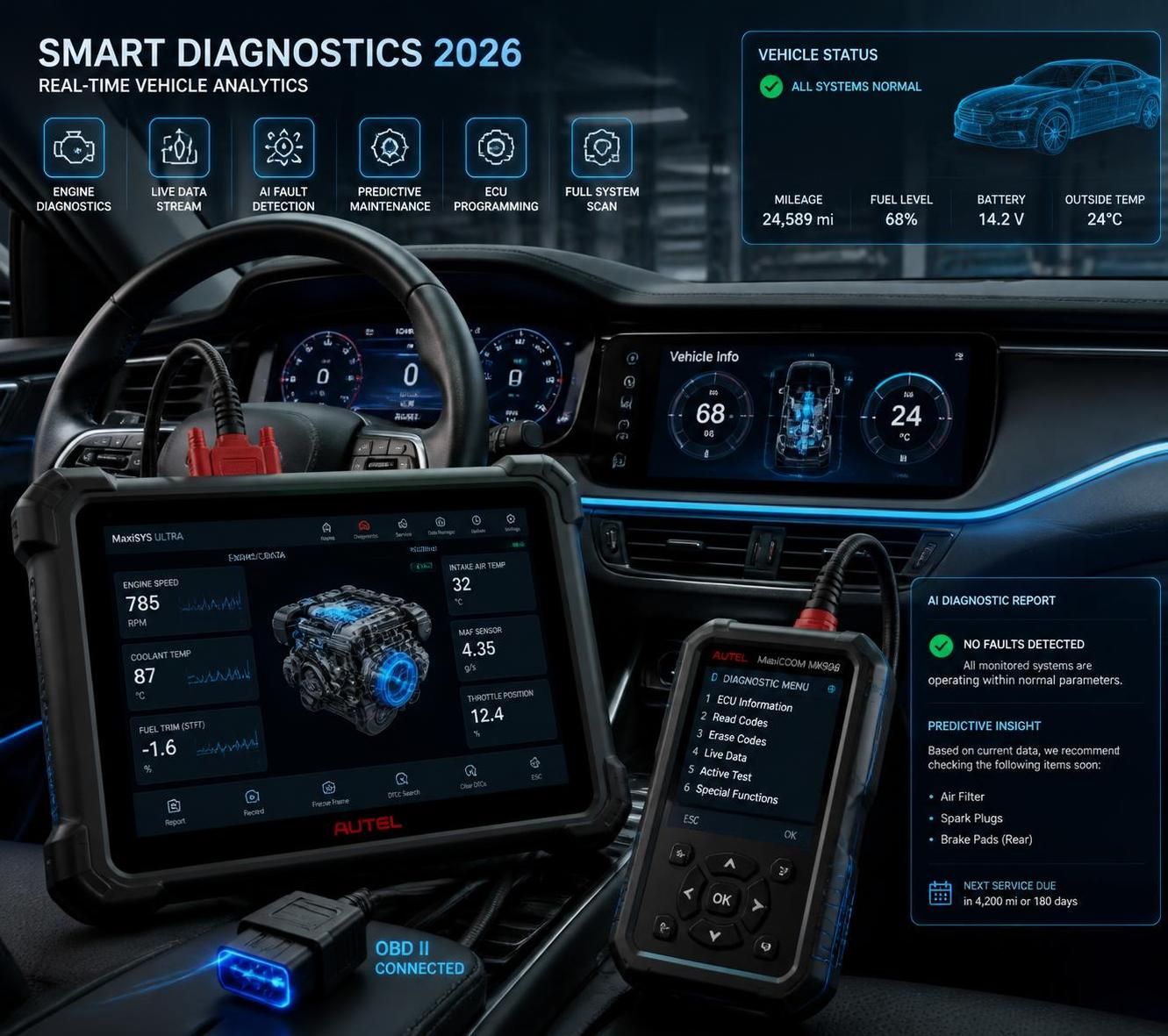
Diving into the spectrum of available car diagnostic devices, a few models stand out due to their performance, reliability, and user-friendliness in 2026. These devices are designed not only to decode trouble codes but also to deliver live sensor information, allowing users to diagnose subtle malfunctions that affect engine performance and overall vehicle health.
For example, a professional-grade diagnostic scanner often features capabilities such as reading and clearing codes across multiple systems including engine control, ABS braking, airbags, transmission, and even body control modules. This wide-ranging analysis is invaluable for pinpointing intermittent faults and complex issues that are difficult to detect through conventional mechanical inspection.
One highly recommended tool in this category provides a broad compatibility range extending from older gas-powered engines to the newest electric and hybrid models. Its interface guides users from error code identification to potential causes, recommended actions, and repair tips. This approach is particularly useful in avoiding common mistakes that could result in misdiagnosis or redundant repairs, saving time and money on vehicle maintenance.
Professional technicians appreciate scanners with rapid update cycles that integrate the latest data from manufacturers worldwide. They offer features such as remote vehicle monitoring and multi-car management, which are becoming standard for efficient workshop operations. These tools often require a higher investment — usually between 150 and 500 euros — but their accuracy and range of functionalities justify the expense for both garages and dedicated enthusiasts.
Meanwhile, entry-level OBD2 scanners attract drivers seeking basic diagnostics primarily focused on engine check lights. While they may lack advanced functions, these compact devices enable quick fault code reading and clearing, assisting drivers in identifying issues such as emission system problems or sensor failures. Their simplicity and affordability make them a popular choice among those wanting straightforward data without overwhelming features.
In essence, understanding the specifications of these devices and matching them to your experience level and vehicle type is crucial. This strategy ensures that diagnostics are both efficient and meaningful, allowing tasks such as resolving engine misfires, monitoring fuel consumption, or diagnosing transmission errors to be handled upfront with improved precision.
With a fluctuating market for automotive diagnostic devices, identifying the right tool based on essential features can streamline vehicle troubleshooting and maintenance processes. This ensures the user obtains maximum utility both immediately and long term.
Below is a comprehensive list of critical characteristics to consider before purchasing any auto diagnostic tool:
Following these criteria not only enhances the diagnostic experience but also optimizes car troubleshooting with a reduced risk of misinterpretation or incomplete analysis. For professional garages, investing in versatile tools translates to better service quality and customer satisfaction.
It is also advisable to consult expert comparisons such as those found on professional diagnostic tool reviews or deep-dives into how to choose the right diagnostic tool to make an informed choice tailored to your specific vehicle fleet and maintenance needs.
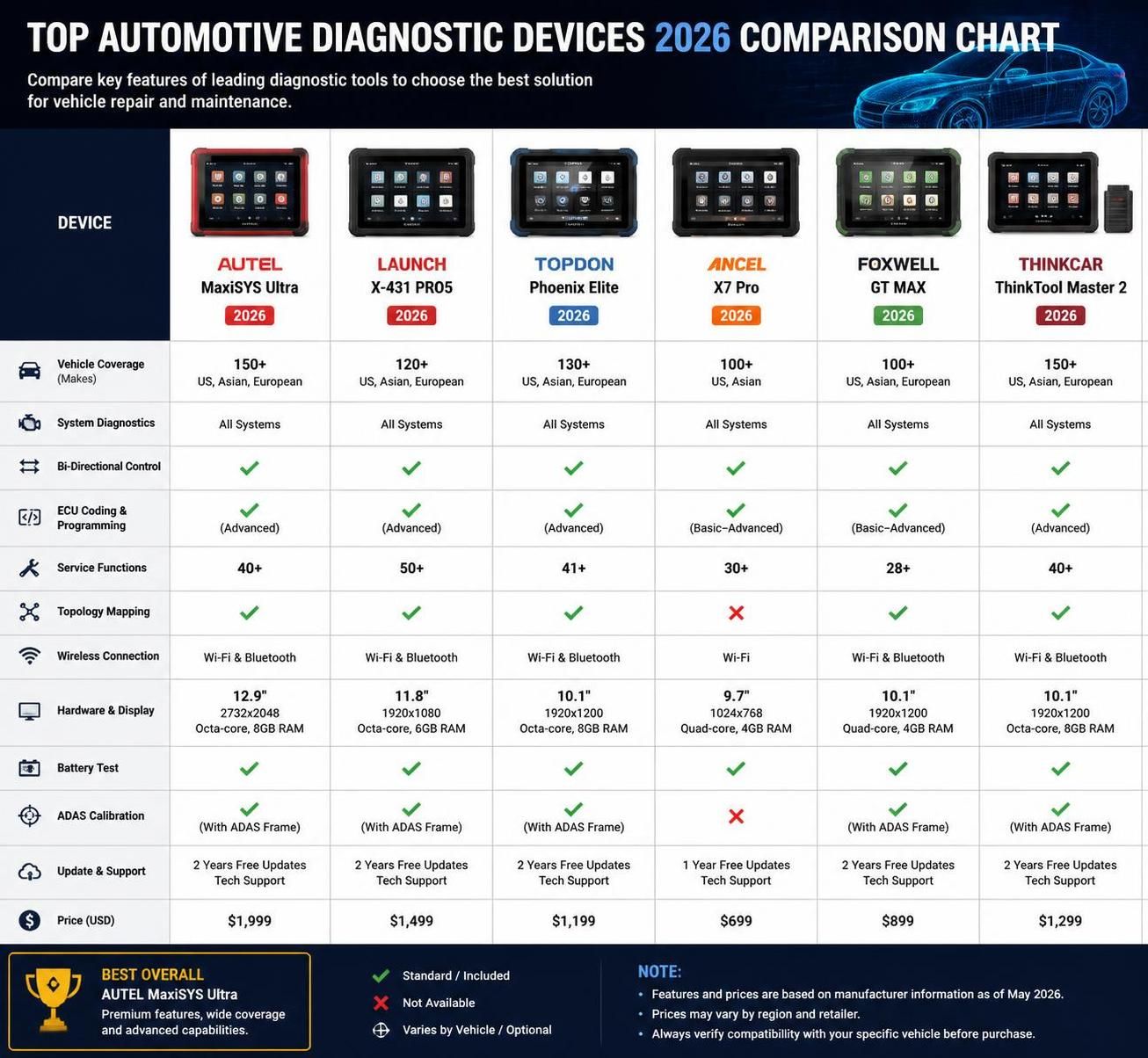
| Model | Compatibility Range | Main Features | Connectivity | Price Range (EUR) | Suitable For |
|---|---|---|---|---|---|
| ProScan X100 | Petrol, Diesel, Hybrid, Electric | Error code reading/clearing, live data streaming, ECU reset | Bluetooth, Wi-Fi | 200 – 450 | Professional and Experienced Users |
| ScanMate OBD2 Basic | Universal OBD2-Compliant Cars | Code reading/clearing, emission check | Wired | 50 – 120 | Beginner and Casual Users |
| AutoClean Deluxe | European, Asian, American Models | Advanced diagnostics, sensor calibration, fault logging | Bluetooth | 180 – 400 | Garages and Skilled Enthusiasts |
| EasyDiag Pro | Wide range including new electric vehicles | Multi-system analysis, live view, comprehensive reports | Wi-Fi, Bluetooth | 250 – 500 | Professional Workshops |
| QuickCheck Lite | Most OBD2 Vehicles | Basic diagnostics, simple interface, live data | Wired | 40 – 90 | New Users, Budget-Conscious |
The advancement of vehicle repair tools in 2026 aligns with growing demands for remotely accessible diagnostics and in-depth data analysis. Tools are evolving beyond mere error code readers towards integrated systems communicating with repair databases and manufacturer updates in real time.
Modern automotive diagnostics now frequently combine with cloud platforms offering enhanced data storage, analytics, and collaborative troubleshooting. This digital shift not only speeds up the diagnosis but also facilitates better maintenance scheduling, contributing to reduced downtime for vehicle owners.
Moreover, mobility apps linked to diagnostic tools allow drivers to monitor car health continuously. Notifications on performance degradation or upcoming maintenance needs enable preventive actions, thereby cutting off potential malfunctions at an early stage. This proactive approach is especially useful in complex vehicles where electronic control units manage multiple components simultaneously.
The integration of artificial intelligence (AI) is also making headway. Some devices incorporate preliminary AI to interpret sensor anomalies and suggest probable causes with a confidence score, empowering users to decide if a professional inspection is necessary. This technology represents a significant upgrade in car troubleshooting, providing more clarity and reducing guesswork.
For garages and professional mechanics, combining these high-tech devices with traditional inspection methods enhances the overall diagnostic process. However, those unfamiliar with advanced systems may initially need guidance to fully exploit their potential. Workshops offering training sessions and updates ensure customers benefit from the latest in automotive diagnostics 2026.
Those interested in deeper insights about trends and tools available today can learn more from detailed resources such as industry-leading diagnostic tool guides, which provide expert evaluations and practical advice tailored to 2026’s automotive care environment.
Les bases du diagnostic électronique : comprendre son rôle et son utilité pour votre véhicule Lorsque le témoin d’alerte s’allume sur votre…
Lire l’article →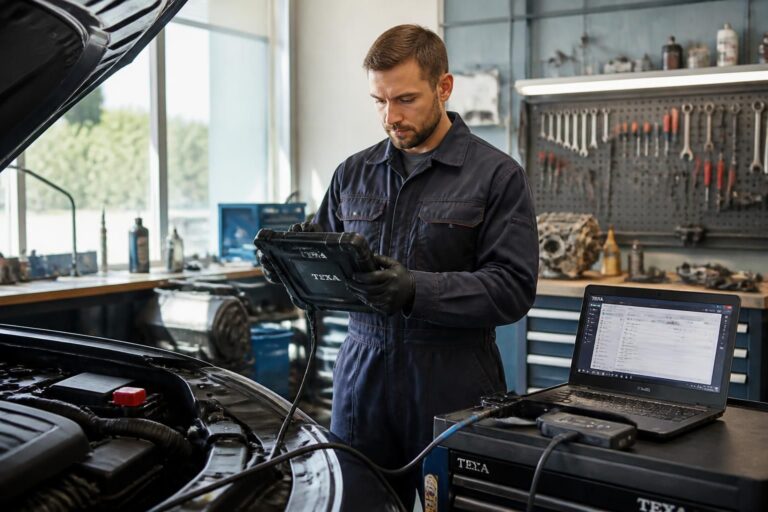
Comprendre la valise de diagnostic automobile : fonctionnement et utilité La valise de diagnostic automobile est un outil devenu incontournable pour quiconque…
Lire l’article →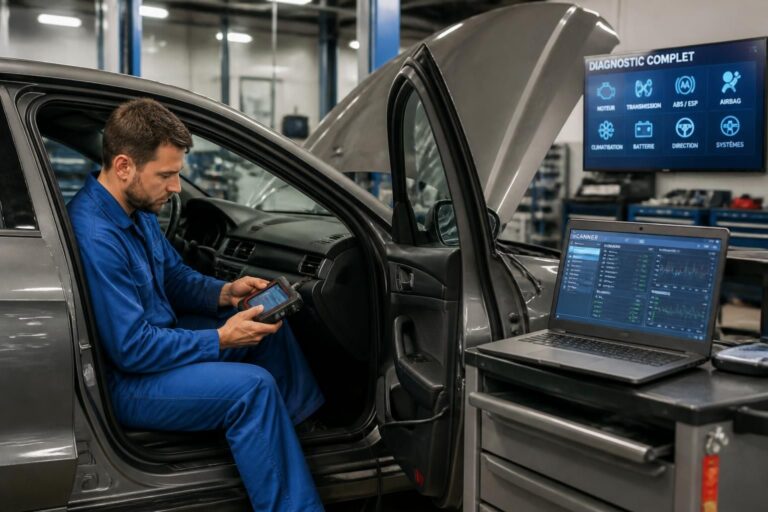
Comprendre les bases du diagnostic voiture pour un contrôle technique efficace Le diagnostic voiture est devenu une étape incontournable pour assurer la…
Lire l’article →