
Comment savoir s’il est temps de faire une vidange de votre voiture
Les signes visibles et ressentis indiquant qu’une vidange est nécessaire Conduire une voiture en bon état passe inévitablement par un entretien régulier,…
Lire l’article →
Performing a timely car oil change is one of the most critical aspects of engine maintenance. An oil change removes degraded motor oil and replaces it with fresh lubricant, essential for reducing friction, cooling engine components, and preventing engine wear. But understanding when to replace the oil in your vehicle goes beyond simply following a preset schedule; it requires considering the vehicle’s usage, type of oil, engine design, and driving conditions.
Generally, car manufacturers advise an oil change every 10,000 to 15,000 kilometers or once a year for most modern vehicles using synthetic oil. However, this interval can vary drastically depending on whether the car runs on gasoline or diesel, the driving environment (urban stop-and-go versus highway cruising), and whether short trips are frequent. Engines operating in harsh conditions—such as cold climates, dusty roads, or intense city traffic—often demand more frequent oil replacements to avoid premature engine damage.
Ignoring the right oil change interval can lead to several issues. Overused oil becomes contaminated with combustion residues, metal particles, and sludge, all of which reduce its viscosity and lubrication efficiency. This degradation risks overheating, increased engine friction, and eventual wear or seizure of critical engine parts. Consequently, a delayed oil change may result in costly repairs that are preventable through regular maintenance.
Addressing the question “when to change oil” effectively involves referring to the vehicle’s owner manual, which provides manufacturer recommendations tailored to each engine model. Furthermore, new-generation cars are increasingly equipped with oil life monitoring systems that assess the oil’s condition in real time, suggesting precise timing for a car oil change based on actual driving behavior rather than fixed mileage.
Owners of diesel engines, with their higher compression rates and soot production, often require more frequent oil changes than gasoline vehicles. A practical recommendation is to perform a diesel car oil change every 7,000 to 10,000 kilometers, especially if used in urban environments with frequent idling. Gasoline engines, by contrast, tolerate slightly longer intervals but still benefit significantly from adhering to manufacturer guidance and frequent oil analysis.
For anyone seeking detailed advice on the optimal interval and understanding the nuances of car engine care, numerous helpful resources exist. These include expert guides on when and why to perform an oil change and practical tips tailored to various engine types. Properly timing your oil change not only extends engine life but also ensures the vehicle runs efficiently, reduces fuel consumption, and minimizes harmful emissions.

While manufacturer recommendations provide a solid baseline, car owners should also be attentive to signs that indicate a needed oil change beyond just elapsed kilometers or time. Observing these indicators promptly helps to avoid latent damage, keeping engine performance optimal.
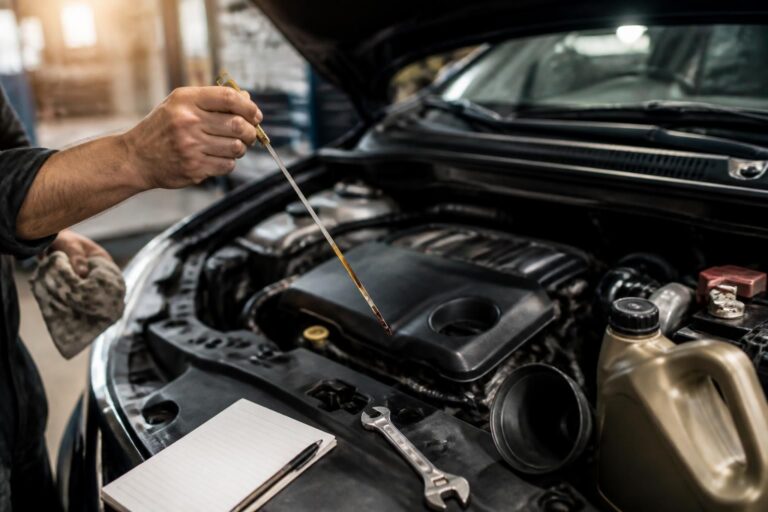
Oil color and texture changes are among the clearest hints. Fresh motor oil typically has a translucent amber hue and smooth consistency. Over time and use, oil darkens and thickens due to contaminants and oxidation. Checking oil via the dipstick regularly offers a simple, hands-on method to assess its condition. If the oil appears very dark, gritty, or smells burnt, an oil change is overdue.
Unusual engine noises are another alert. Worn-out or insufficient oil reduces lubrication, causing increased metal-to-metal contact inside the engine. This often results in distinctive knocking, ticking, or rumbling sounds. Such noises should never be ignored as they signal that engine components may be under stress or wear.
Smoke or exhaust changes could also point to oil problems. Excessive blue or gray smoke from the exhaust can suggest oil burning, a symptom of degraded or overused oil entering combustion chambers improperly. This condition warrants immediate inspection and potentially an accelerated vehicle oil change.
Oil pressure warning light activation on the dashboard signifies a drop in oil pressure, which could come from either insufficient oil levels or poor oil quality. Immediate checks should follow, and if necessary, an oil change coupled with top-up or oil filter replacement.
Owners of high-mileage vehicles, particularly those exceeding 150,000 kilometers, must be vigilant since older engines tend to accumulate sludge and burn oil faster. In such cases, shortening oil change intervals and opting for high-quality synthetic formulations designed for aged engines is advisable to maintain engine health.
Below is a summarized list of common symptoms indicating that a car oil change is necessary:
Promptly addressing these signs helps prevent costly repairs and ensures continued smooth operation of the vehicle’s engine. For further insight into oil health diagnostics and maintenance advice, Garage Crauzaz Nurieux offers a detailed guide on oil change timing and symptom recognition, an essential read for conscientious drivers aiming to preserve their car’s longevity.
When scheduling a vehicle oil change, selecting the proper type of oil and oil filter is just as critical as the timing itself. These elements directly impact the quality of lubrication, engine cleanliness, and overall motor performance.
Oil types are broadly categorized into three main groups: mineral, semi-synthetic, and fully synthetic oils. Mineral oil, derived directly from crude oil refining, is generally less expensive but offers limited protection over time and at higher temperatures. Semi-synthetic blends combine mineral base with synthetic additives, balancing cost and performance. Fully synthetic oils, engineered for superior molecular stability, provide enhanced lubrication, increased resistance to oxidation, and optimal engine protection even under extreme conditions.
Modern engines, particularly turbocharged or high-performance units, often require fully synthetic oils complying with specific standards like API SN Plus or ACEA C3 to maintain warranty compliance and operational safety. Using incorrect or subpar oil types can accelerate wear and cause performance degradations.
The choice of oil viscosity (commonly expressed as grades like 5W-30 or 10W-40) is equally pivotal. Viscosity determines oil flow characteristics at cold and high temperatures. The vehicle manual’s prescribed viscosity ensures proper lubrication across operating ranges and reduces engine stress during cold starts or heavy load conditions.
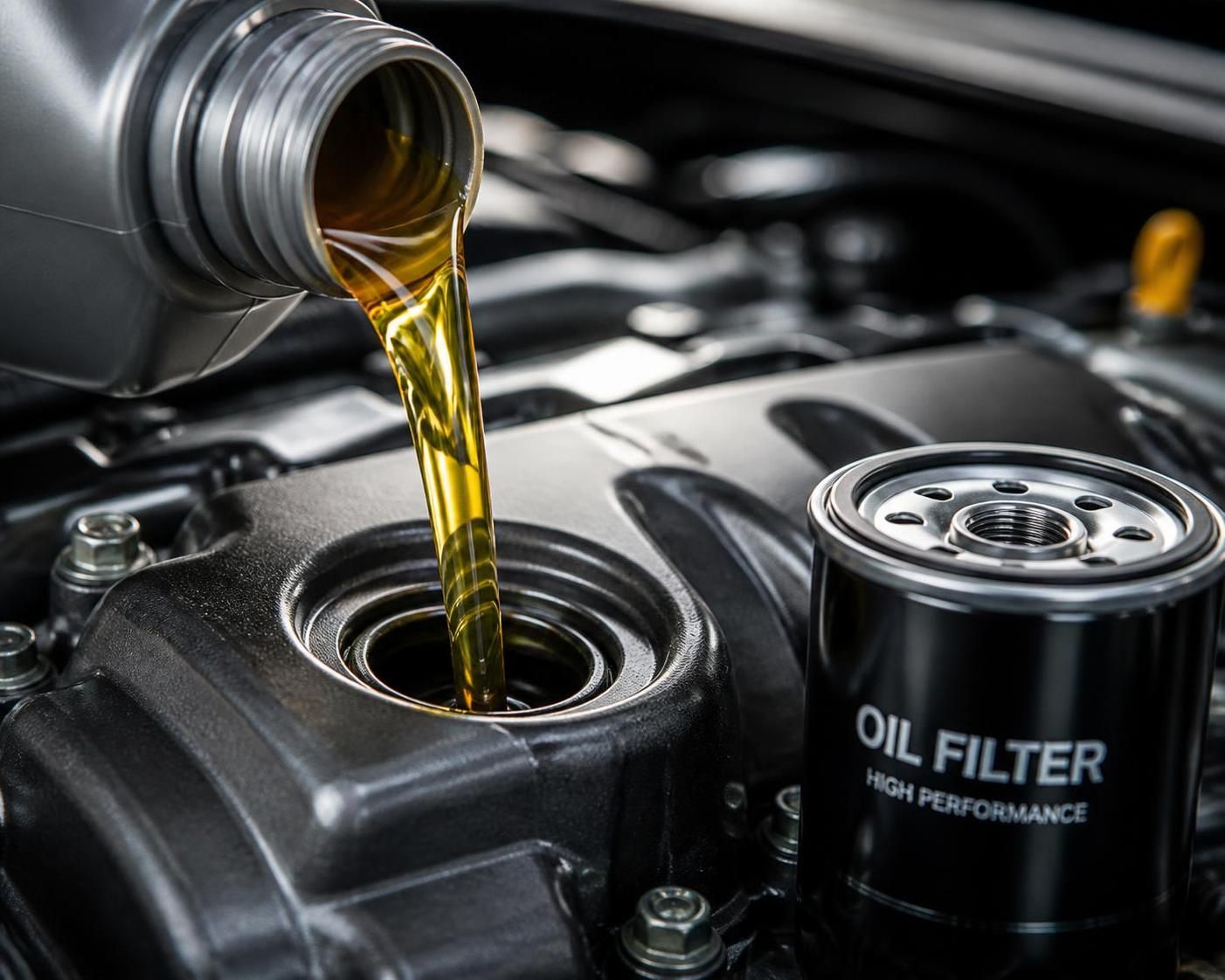
Oil filters complement the oil’s role by trapping contaminants, metal particles, and residues, preventing them from circulating in the engine. High-quality oil filters with fine paper elements improve filtration efficiency and durability. Regular replacement with every oil change is non-negotiable, as a clogged filter can trigger oil starvation, risking severe engine damage.
The table below summarizes key factors to consider when selecting engine oil and filter for automotive oil replacement:
| Factor | Considerations | Recommended Approach |
|---|---|---|
| Oil Type | Mineral, Semi-Synthetic, Fully Synthetic | Choose based on engine specs and usage; fully synthetic preferred for modern or high-stress engines |
| Viscosity Grade | Varies with temperature; e.g., 5W-30, 10W-40 | Follow manufacturer manual for climate conditions and engine type |
| Oil Filter Quality | Filtration efficiency, durability | Replace with every oil change using brand or OEM-approved filters |
| OEM vs Aftermarket | Compatibility and warranty concerns | OEM recommended for warranty compliance and guaranteed fit |
| Oil Change Interval | Depends on oil type, driving conditions | Adhere strictly to recommended oil change interval or oil life monitoring |
Understanding these parameters helps car owners to make informed decisions during automotive oil replacement and avoid common pitfalls that can compromise engine reliability. Given the myriad options available in 2026, consulting an expert workshop or trusted online resources such as technical advice portals on oil change best practices can significantly enhance your car maintenance routine.
Driving style and local environmental conditions heavily influence the rate at which engine oil degrades, thereby affecting both the oil change interval and the overall health of the car’s engine. Recognizing these factors enables drivers to adjust their vehicle oil change guide accordingly and avoid premature engine wear.
Frequent short trips are a common factor that accelerates oil contamination. When the engine fails to reach optimal operating temperature, moisture and combustion by-products accumulate in the oil, creating sludge and reducing lubrication quality. Cars predominantly used for errands within urban settings or with many stop-start cycles typically require more frequent oil changes than vehicles used primarily for long-distance highway travel.
Heavy traffic and idling exacerbate engine strain and oil degradation. Prolonged idling causes incomplete combustion, producing contaminants that degrade oil quality faster. Additionally, stop-and-go driving conditions increase mechanical friction and heat fluctuations, speeding up oil breakdown.
Driving in extreme climates, whether very cold or very hot, also affects oil properties. In cold weather, thicker oil might be necessary to ensure good flow at startup, while hot climates speed up oil oxidation. Consequently, drivers in such regions must adhere to stricter maintenance intervals and possibly opt for specific oil formulations designed for their climate.
Towing, heavy loads, and spirited driving apply extra pressure on the engine and oil stability. Such conditions usually demand shorter oil change intervals and periodic checks to ensure the engine remains well-lubricated.
To tailor the maintenance schedule effectively, drivers should evaluate their usage pattern honestly and consult their service manual or mechanic for adjustments. The following list highlights key driving environment factors that necessitate shorter oil change intervals:
Considering these elements in your car maintenance schedule will optimize engine performance and durability. For specific advice related to diesel vehicles or city-driving patterns, consulting local experts or visiting informative sites like a trusted local garage’s detailed guidance on diesel oil change frequency is highly recommended.
Understanding the financial aspects attached to car oil changes can empower vehicle owners to plan for sound motor maintenance without surprises. The pricing for a complete oil change service depends on several factors including oil type, filter quality, labor charges, and additional service elements such as topping up other fluids or checking the vehicle’s overall condition.
In 2026, the average cost for a standard car oil change service ranges approximately between €60 to €120, depending largely on regional pricing and oil specifications. Synthetic oils command a premium price, typically adding €20 to €40 more compared to mineral oils. However, this additional investment is justified by the prolonged engine protection and extended oil change intervals synthetic oils afford.
Choosing authorized workshops or reputable garages, such as Garage Crauzaz Nurieux’s service for 2026 pricing guidance, guarantees that the oil change is done properly using recommended oils and filters, preserving warranty and ensuring optimal engine care.
When scheduling a car oil change, it’s wise to request a transparent service quote in advance. Many garages offer packaged deals including oil, filter, labor, and inspection of related components such as air filters or belts. Understanding what the servicing package entails helps protect consumers against low-quality products or unnecessary upselling.
For vehicles with complex maintenance needs or signs of engine trouble, requesting a comprehensive inspection alongside the oil change can detect developing issues before serious damage or high repair bills occur. Services like checking the coolant system, belts, and sealing components ensure holistic engine maintenance.
A helpful checklist for effective oil change service planning includes:
Keeping an organized car maintenance schedule aligned with expert recommendations ensures not only engine longevity but also prevents unexpected breakdowns. For those interested in detailed cost evaluations and service comparisons, professional sites provide extensive resources to help make an informed choice when replacing oil and related vehicle fluids.
Les signes visibles et ressentis indiquant qu’une vidange est nécessaire Conduire une voiture en bon état passe inévitablement par un entretien régulier,…
Lire l’article →
Différences fondamentales entre entretien voiture, révision automobile et vidange Pour un automobiliste, il est indispensable de différencier clairement les notions d’entretien voiture,…
Lire l’article →
Comprendre l’importance d’une carrosserie bien entretenue pour votre voiture La carrosserie est souvent perçue comme une simple façade esthétique, mais elle joue…
Lire l’article →