
Comment savoir s’il est temps de faire une vidange de votre voiture
Les signes visibles et ressentis indiquant qu’une vidange est nécessaire Conduire une voiture en bon état passe inévitablement par un entretien régulier,…
Lire l’article →
Knowing when to change oil is essential for maintaining engine health and preventing costly car breakdowns. The oil change interval is mainly determined by reading the vehicle’s maintenance manual, which provides guidance tailored to a car’s specific engine type, oil grade, and usage pattern. Generally, manufacturers recommend changing engine oil every 10,000 to 30,000 kilometers or approximately every year, depending on these factors.
For example, a modern petrol-powered vehicle with synthetic oils might safely reach up to 15,000 kilometers or one year before requiring an oil change. In contrast, older diesel engines operating with mineral oil may need an oil replacement as frequently as every 7,000 kilometers or six months. Understanding these subtle differences helps car owners optimize car servicing intervals without risking engine wear or failure.
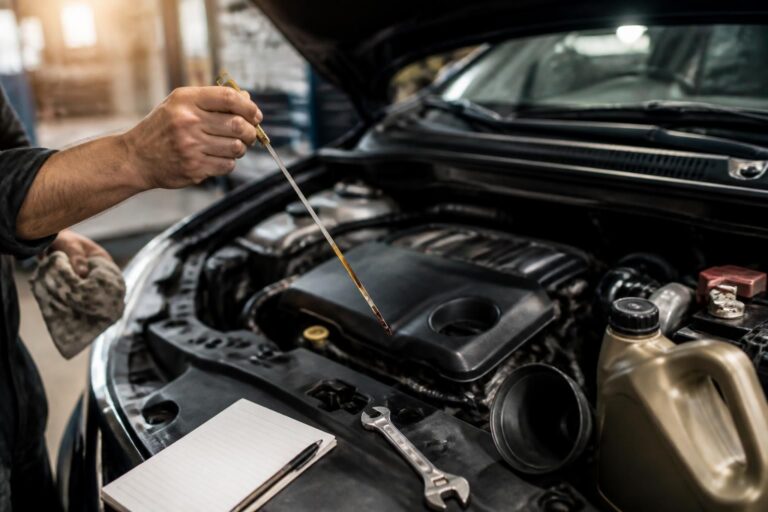
One key sign that indicates a need for oil change beyond simple mileage includes dashboard indicators such as the oil pressure warning light. Ignoring these signs may lead to degraded engine health. Likewise, if the oil appears dark, thick, or smells burnt when checked with the dipstick, it’s advisable to schedule an immediate service appointment.
Online resources such as guides on oil change timing and local garage advice enrich the knowledge of drivers looking to adhere strictly to maintenance schedules, which is the most reliable way to prevent engine damage.
The intelligence built into recent vehicles’ onboard computers can calculate the next recommended oil replacement based on real operating conditions, thereby customizing oil change frequency uniquely to the driver’s habits, whether more urban stop-and-go traffic or longer highway trips.
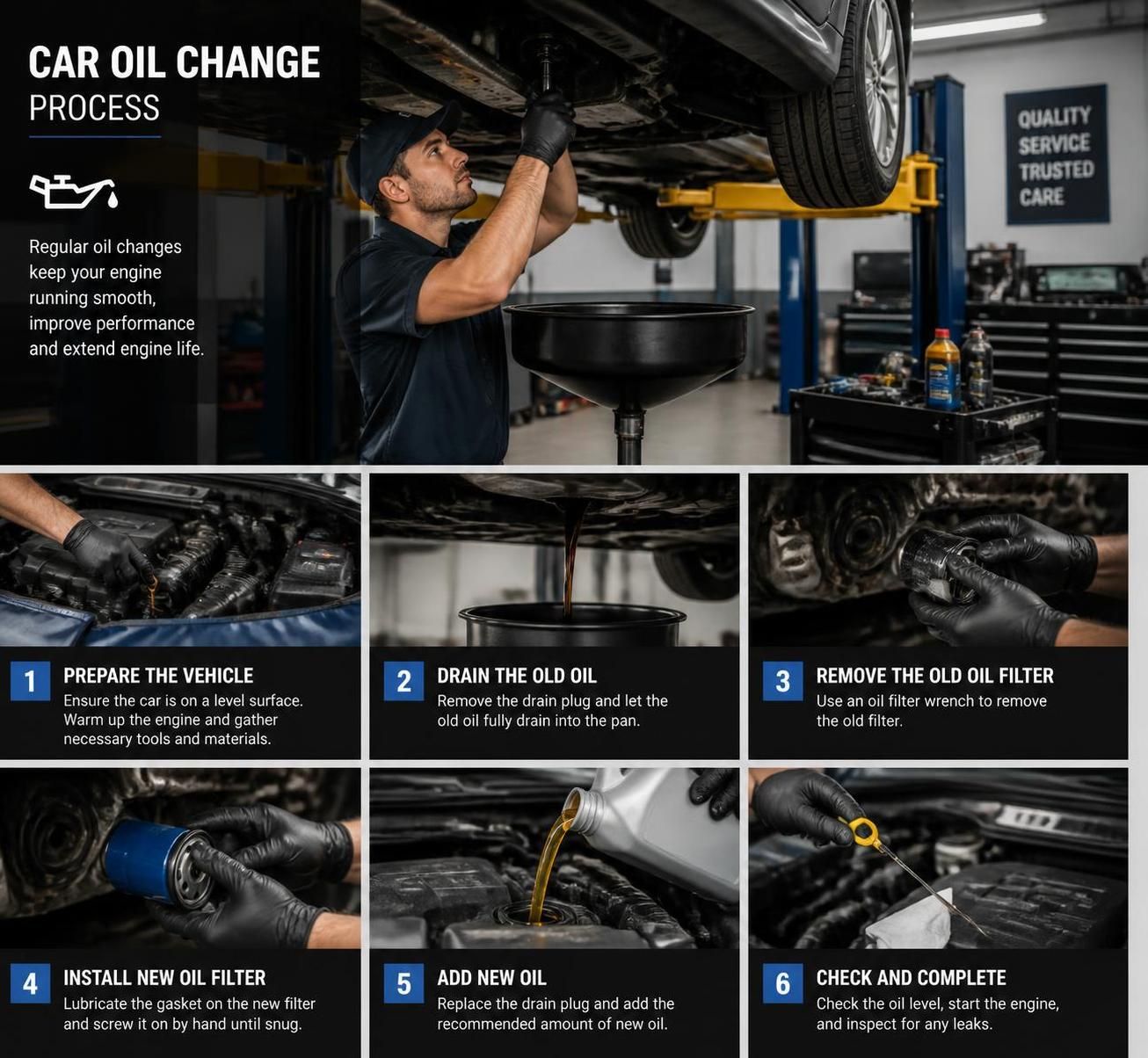
Besides the manufacturer’s recommended schedule, drivers should be vigilant about symptoms that suggest an urgent need for oil replacement. Early recognition of these signs enables timely intervention, shielding the engine from long-term damage.
Common indicators that recommend a readjustment of the oil change interval include:
Waiting for the oil warning light to come on before taking action is risky, as it often indicates that engine damage could already be underway. Instead, proactive oil monitoring and timely servicing are strong pillars of vehicle maintenance that avoid emergency repairs and safeguard engine longevity.
For additional detailed insights on oil change signs and frequencies, consulting trusted automotive platforms like Feu Vert’s advice can provide valuable practical tips to every car owner.
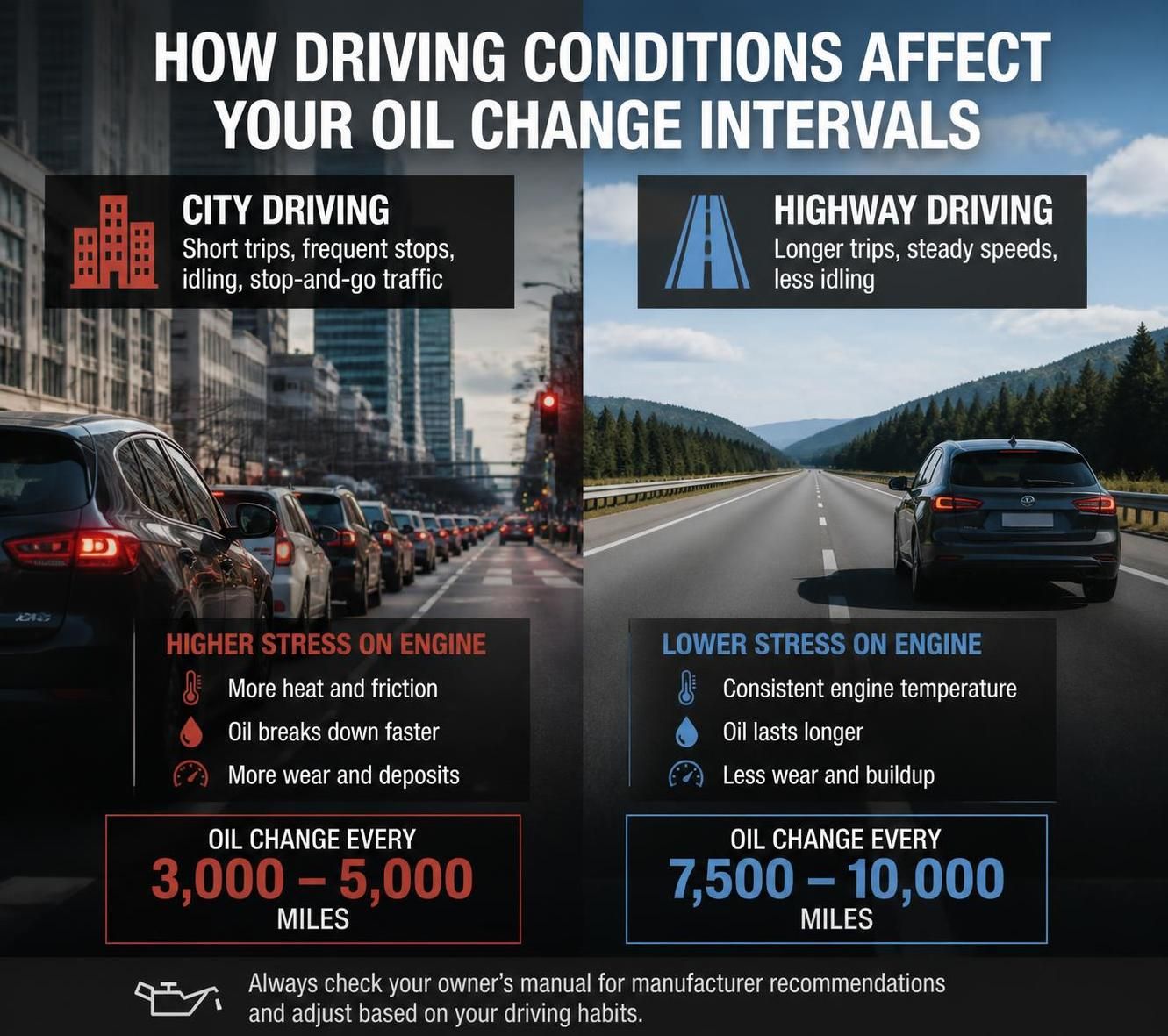
Driving habits and environmental factors significantly influence the oil change frequency needed to maintain optimal engine performance. For instance, frequent short trips and city driving are considered “severe usage” because the engine doesn’t reach ideal operating temperature for long periods, causing faster oil contamination.
In harsher conditions, such as stop-and-go traffic, towing, or operating in extreme temperatures, the oil’s additives degrade prematurely, necessitating more frequent oil changes, sometimes as often as every 5,000 kilometers. Conversely, vehicles mainly used on highways enjoy more stable engine temperatures, often extending oil life closer to the manufacturer’s maximum service intervals.
It is critical for drivers to relay accurate driving conditions to their service technician during car servicing so that maintenance schedules can be customized accordingly. Neglecting this consideration could lead to premature engine wear due to inappropriate oil change intervals.
Below is a table presenting recommended oil change intervals according to common types of engines and driving conditions:
| Engine Type | Normal Driving Interval | Severe/Urban Driving Interval |
|---|---|---|
| Petrol Atmospheric | 15,000 km or 1 year | 10,000 km |
| Petrol Turbo | 10,000-12,000 km | 8,000 km |
| Modern Diesel | 15,000-20,000 km or 1 year | 12,000 km |
| Hybrid (HEV) | 15,000 km or 1 year | 12,000 km |
For specialized recommendations or if uncertain, car owners are encouraged to seek a professional diagnosis from trusted garages, such as Garage Crauzaz Nurieux’s maintenance advisors, who tailor advice based on individual vehicle and environmental specifics.
The type of engine oil used has a direct influence on the oil change interval and overall engine protection. Up-to-date vehicle maintenance emphasizes matching the oil quality to the car manufacturer’s specifications and driving patterns.
There are generally three main categories of engine oil:
Using the correct oil type, often 5W30, 5W40, or 0W20 depending on the engine, is critical. The use of inappropriate oil not only diminishes engine protection but also risks voiding warranties or causing premature wear.
Replacing the oil filter during every oil change is mandatory. Neglecting this step reduces the effectiveness of new oil by allowing contaminants to circulate, leading to accelerated engine wear.
Drivers who want to learn more about engine oil replacement options and costs may find detailed guides at Oscaro’s maintenance tips.
Delaying an oil change beyond the manufacturer’s recommended interval poses a significant risk to engine health. Once the oil degrades, it loses lubrication ability, leading to accelerated wear of moving parts and potential overheating. This deterioration increases the chances of engine seizure or more expensive breakdowns.
A slight delay of up to 10-15% over the scheduled oil change mileage may not immediately harm the engine if driving remains gentle. For instance, an engine with a 10,000 km oil change schedule might tolerate up to 11,500 km before damage risk rises sharply. However, exceeding this margin regularly will diminish oil quality severely.
Consequences of overdue oil changes include:
Car owners noticing signs of overdue maintenance are advised to schedule service as soon as possible and may need to shorten the interval for the following oil changes to compensate. Professional workshops often perform additional engine inspections to assess any wear caused by delayed oil changes.
For further information on the importance of timely oil changes and avoiding vehicular damage, drivers can consult expert advice on Autovillage’s car care tips.
Les signes visibles et ressentis indiquant qu’une vidange est nécessaire Conduire une voiture en bon état passe inévitablement par un entretien régulier,…
Lire l’article →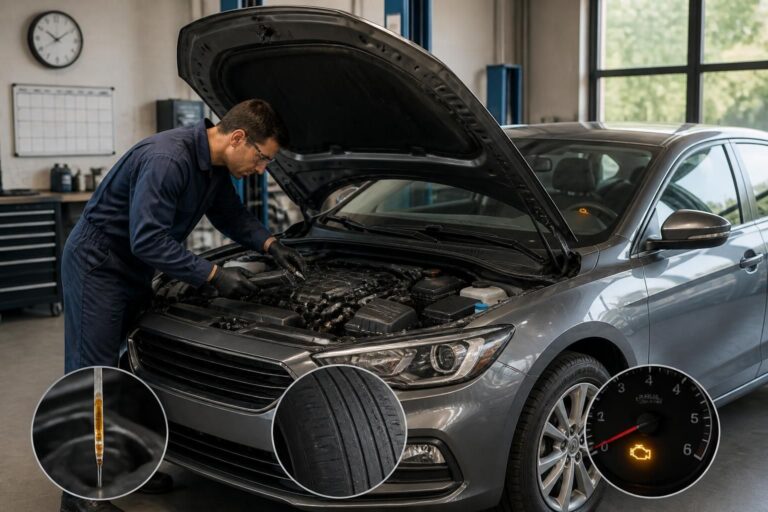
Différences fondamentales entre entretien voiture, révision automobile et vidange Pour un automobiliste, il est indispensable de différencier clairement les notions d’entretien voiture,…
Lire l’article →
Comprendre l’importance d’une carrosserie bien entretenue pour votre voiture La carrosserie est souvent perçue comme une simple façade esthétique, mais elle joue…
Lire l’article →