
Comment savoir s’il est temps de faire une vidange de votre voiture
Les signes visibles et ressentis indiquant qu’une vidange est nécessaire Conduire une voiture en bon état passe inévitablement par un entretien régulier,…
Lire l’article →
When discussing car oil change services in 2026, understanding the price dynamics is essential for every vehicle owner. The oil change price 2026 does not have a one-size-fits-all figure; instead, it fluctuates based on several key factors such as vehicle type, oil quality, and service location. On average, the cost for an oil change lies between 50 and 150 euros, but the range might appear broad due to differences in service packages and vehicle specifications.
The baseline for an oil change usually includes replacing the engine oil and the oil filter. A standard service at popular national auto centers like Norauto, Feu Vert, or Point S starts at about 60 euros, offering transparent rates and frequent discounts. Independent garages might charge slightly higher rates, typically around 70 to 120 euros, influenced by their regional market and reputation. These garages provide the benefit of personalized service and possibly flexible scheduling.
On the other hand, authorized dealerships usually command higher fees, often ranging from 100 to 200 euros. This premium price reflects genuine parts, manufacturer-approved oils, and potentially superior service quality. However, this might not be necessary for regular maintenance unless the vehicle is under warranty or has specific manufacturer service requirements.
The overall pricing will also increase if additional services are included in the oil change package. For example, comprehensive packages encompassing checks or replacements of other filters (air, fuel, cabin) can push the costs to 150 euros or above. Careful comparison of auto oil change rates and understanding what each package offers will help motorists avoid unexpected expenses and choose the best value for their needs.
In essence, knowing these factors and their effect on the average oil change cost enables drivers to manage their vehicle maintenance cost efficiently without compromising on service quality.
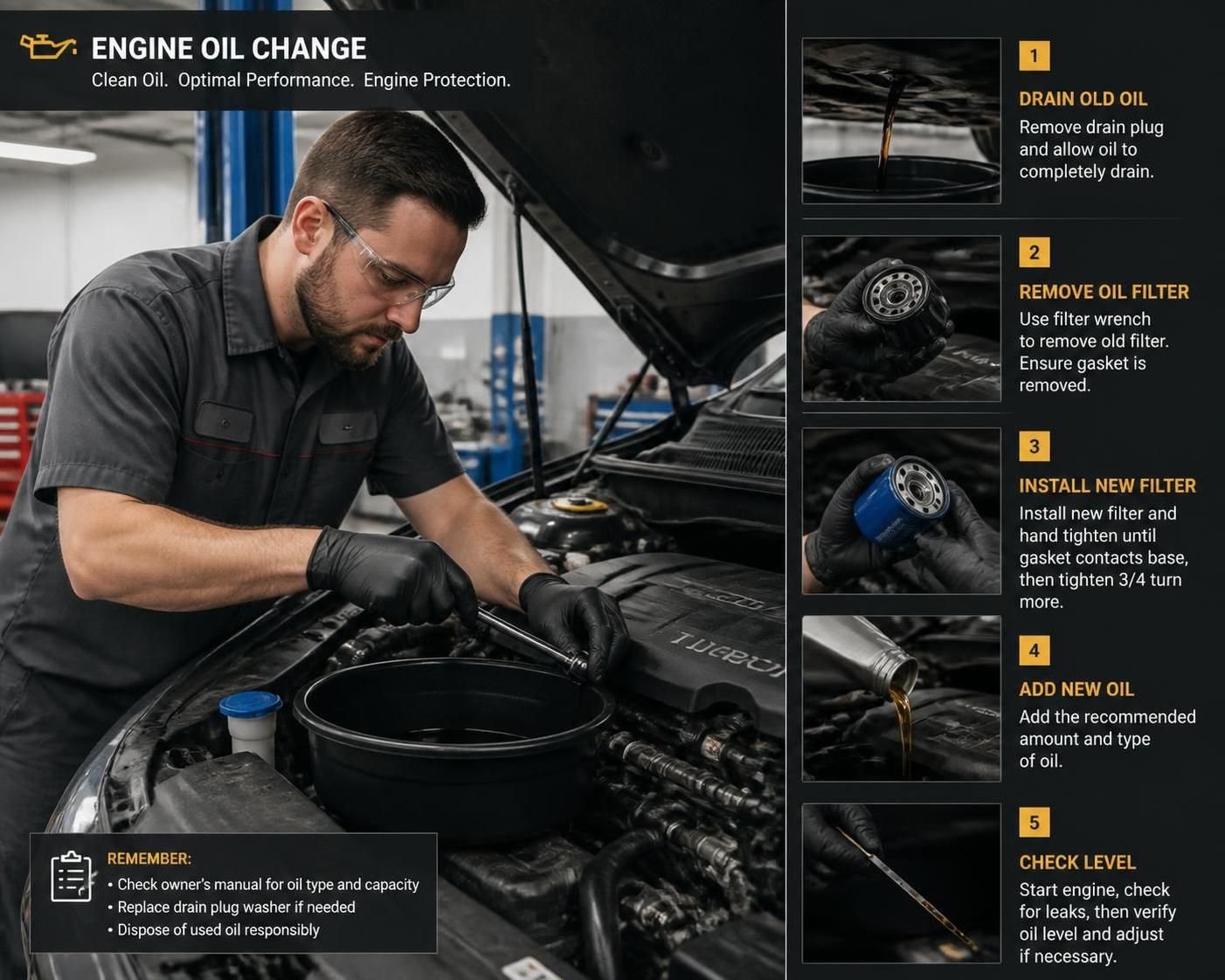
The engine oil replacement cost is largely dictated by the type and quantity of oil required, which varies with vehicle motorization and manufacturer specifications. In 2026, three main categories of engine oils are generally used: mineral, semi-synthetic, and synthetic oils.
Mineral oil remains the most economical choice, priced between 25 and 35 euros for 5 liters. It is suitable for older or low-demand engines but has a shorter lifespan and lower performance under extreme conditions. Semi-synthetic oil, a balanced option blending cost and quality, falls between 35 and 50 euros per 5 liters and serves most everyday vehicles well.
Synthetic oils, costing between 50 and 80 euros or more per 5 liters, are engineered for modern, high-performance engines and diesel vehicles. Their enhanced resistance to temperature fluctuations and longer durability justify the steeper price. The volume of oil used also varies with vehicle size: compact petrol engines may require only around 4 liters, whereas diesel SUVs may consume 6 to 7 liters, significantly impacting the total expense.
Diesel-powered cars typically face higher car service prices due to specific oil requirements and more frequent oil changes, averaging between 80 and 150 euros. Modern diesels equipped with particulate filters necessitate premium synthetic oils to maintain engine health and emissions control systems. Petrol engines generally incur lower costs, in the 50 to 100 euros range, reflecting less frequent servicing and simpler oil needs.
An important consideration involves the vehicle model: familiar everyday cars like a Peugeot 208 or Renault Clio tend to have modest oil change prices compared to luxury brands such as Audi or BMW, which demand specialized oils and additional labor time. This variability underscores the importance of consulting the vehicle’s manual and professional service advisories before scheduling any oil change near me.
The choice of service provider significantly influences the car oil change deals available, impacting cost and convenience. Large national chains such as Norauto, Feu Vert, or Point S offer set rates typically between 60 and 100 euros for a standard oil change. Their transparent pricing and frequent promotions appeal to budget-conscious customers and those new to car ownership. These chains also preserve vehicle warranty conditions when proper documentation is maintained.
Independent garages present a more variable range from 70 to 120 euros, depending on geographic location and business stature. They often excelling in personalized customer interactions and may assist with simultaneous services, thereby optimizing time and cost. Negotiation in these places is sometimes possible, especially when bundling maintenance tasks.
Dealerships or authorized service centers come with the highest auto oil change rates, climbing to 200 euros or more. This premium cost stems from the use of original components and strict adherence to manufacturer service protocols. This venue choice is prudent for vehicles under warranty or possessing advanced emission control technology.
Technology now enables easy price comparisons via online platforms like Vroomly and iDGarages. These tools provide quick access to quotes, user reviews, and time slots, often facilitating savings of 20 to 40% compared to dealer rates. Such resources help drivers select the ideal service spot balancing quality with cost-efficiency.
Below is a simple comparison table illustrating price trends based on service location:
| Service Type | Typical Price Range (Euros) | Features Included | Ideal For |
|---|---|---|---|
| National Auto Center Chains | 60 – 100 | Standard oil + filter, promotions, warranty guaranteed | Budget-conscious, standard vehicles |
| Independent Garages | 70 – 120 | Customized service, flexible scheduling | Local preference, personalized service |
| Dealerships | 100 – 200+ | OEM parts, strict manufacturer specs, premium service | Under warranty, luxury and recent models |

A standard oil change mostly covers replacing the engine oil, oil filter, and the oil drain plug gasket. However, many service providers offer extended packages, which include a series of checks or replacements such as air filter, fuel filter, cabin filter, and fluid level inspections—coolant, brake fluid, windshield washer fluid.
These extras ensure the vehicle’s overall health and can prevent future issues but add approximately 20 to 50 euros to the bill. For example, some centers include resetting the oil change indicator light on the dashboard, which is often overlooked by vehicle owners.
Fuel filters and particulate filters, especially in diesel vehicles, are critical components that may require replacement during a complete oil change service. Their prices vary widely and sometimes cost as much as the oil change itself, pushing the total engine oil replacement cost upwards significantly.
It is vital to read the service description carefully and verify what is included to avoid encountering unexpected charges. Transparency from the garage or service center can be a strong indicator of quality. For a broad understanding of these options, resources like car service price guides provide clear explanations of typical packages and associated costs.
Many car owners consider performing their own oil change to save on labor costs, which often constitute 30 to 50 euros of the total price. Purchasing oil yourself means acquiring engine oil (25 to 80 euros for 5 liters, depending on quality), an oil filter (about 10 euros), and a drain plug gasket (2 to 5 euros).
While this can theoretically reduce the oil change price 2026, DIY oil changes require specialized tools, including a car jack, jack stands for stability, a wrench for the drain plug, an oil catch pan, and a funnel. The initial investment in equipment may reach 100 to 150 euros if not already owned.
Proper disposal of used oil is mandatory; dumping it illegally carries serious penalties. Used oil must be taken to approved collection centers or authorized garages. Not all facilities accept oil from individuals, which complicates the process.
DIY oil changes become economical and practical primarily for high-mileage drivers or those managing multiple vehicles, where equipment costs are spread over numerous services. For occasional maintenance, professional services provide benefits like warranty documentation, quality assurance, and time efficiency.
Maintaining service records and adherence to manufacturer intervals is crucial, particularly if the vehicle remains under warranty. Professional garages can authenticate that the car has been properly maintained, an advantage when it comes to resale or warranty claims.
For further insights on maintenance intervals and professional service comparisons, consult garage advice on oil change frequency and keep track of your vehicle’s needs for optimal performance and longevity.

Les signes visibles et ressentis indiquant qu’une vidange est nécessaire Conduire une voiture en bon état passe inévitablement par un entretien régulier,…
Lire l’article →
Différences fondamentales entre entretien voiture, révision automobile et vidange Pour un automobiliste, il est indispensable de différencier clairement les notions d’entretien voiture,…
Lire l’article →
Comprendre l’importance d’une carrosserie bien entretenue pour votre voiture La carrosserie est souvent perçue comme une simple façade esthétique, mais elle joue…
Lire l’article →