
diagnostic valise voiture : comment choisir l’outil adapté pour identifier les pannes
Understanding the Role and Capabilities of a Car Diagnostic Tool A car diagnostic tool is an essential electronic device designed to connect…
Lire l’article →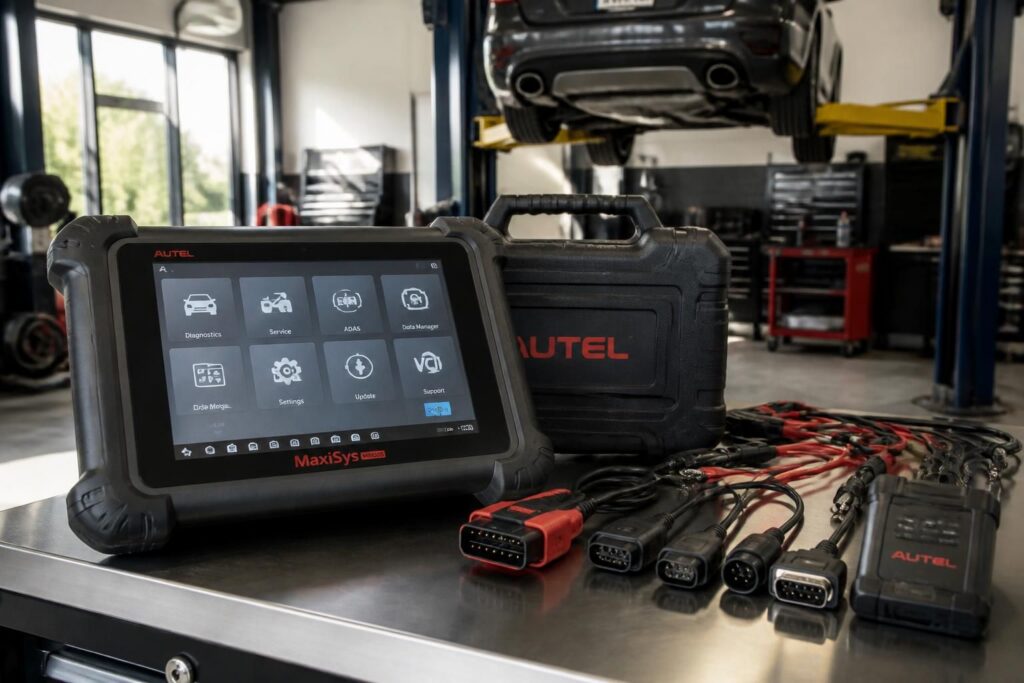
In the automotive repair industry, a professional car diagnostic tool is indispensable for efficiently identifying vehicle issues and providing exact solutions. Whether you run a busy local garage or provide mobile mechanics services, the right auto diagnostic scanner is a significant investment that can greatly impact the speed and accuracy of your work.
The vehicle diagnostic device acts as a bridge between the vehicle’s electronic systems and the technician, reading fault codes and operational data that help understand the car’s condition. Unlike basic OBD2 diagnostic tools designed mainly for casual use, a professional-grade device offers multi-system analysis, real-time data streams, and advanced testing capabilities that cater to a broader range of vehicle models and brands.
This thorough approach helps garages reduce diagnostic time, avoid unnecessary parts replacements, and enhance customer trust. A reliable garage diagnostic equipment enables mechanics to perform detailed interventions on complex problems, such as transmission glitches or airbag malfunctions, which basic car fault code readers often overlook.
For example, many professional diagnostic tools provide control bidirectional functions, letting technicians command components such as actuators or pumps in real time to verify their behavior. This active diagnostic process reveals more than static error codes and leads to accurate root-cause identification.
Used correctly, these automotive diagnostic interfaces transform the repair experience by empowering mechanics with rich vehicle data, reducing guesswork, and decreasing the frequency of follow-up visits. As the market offers a diverse range of diagnostic tool for mechanics, understanding their specific uses and distinguishing features is vital for any automotive professional seeking efficiency and quality.
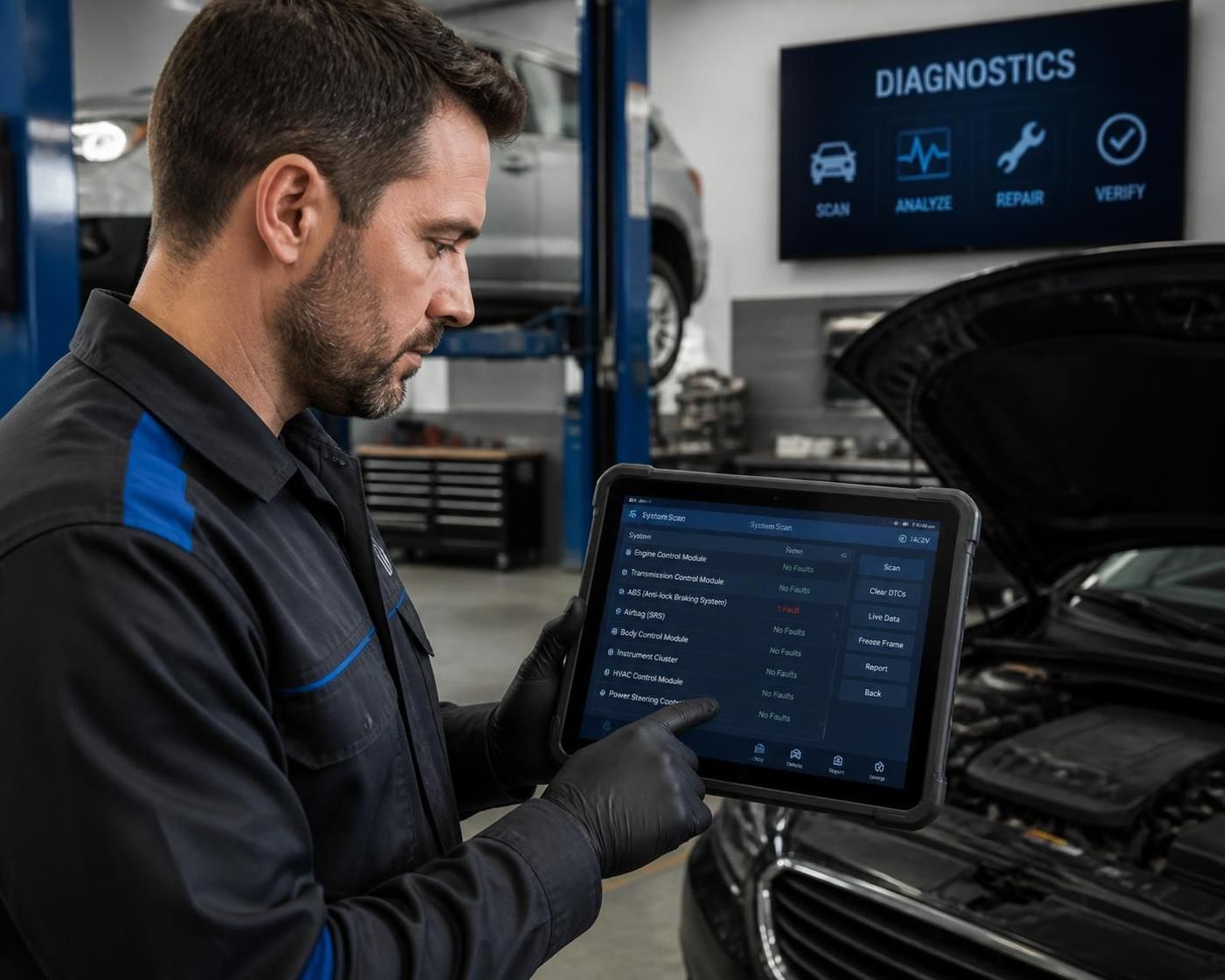
Selecting the right diagnostic tool for your workshop involves more than simply picking a well-known brand or the device with the most features. A systematic evaluation based on your garage’s specific needs can drastically improve operational flow and cost-effectiveness.
Compatibility with Vehicle Models: This is the first and foremost consideration. The best professional diagnostic tools support a wide range of makes and models, including European, Asian, and American vehicles. They offer compatibility not just with the engine control unit (ECU) but also with ABS, airbags, transmission, and other onboard systems critically involved in vehicle performance.
Functionality Beyond Basic Fault Reading: Ensure the tool offers advanced maintenance services such as electronic parking brake (EPB) resets, steering angle sensor (SAS) recalibration, diesel particulate filter (DPF) regeneration, or ECU coding. Not all OBD2 diagnostic tools provide this depth of service, which is essential for comprehensive vehicle care.
Software Updates and Support: An auto repair diagnostic device must remain current with the latest vehicle models and their evolving technologies. Devices offering lifetime or multi-year software updates keep garages equipped with relevant protocols, thereby avoiding obsolescence.
User Interface and Ergonomics: Since garage operations demand quick and effective diagnostics, the tool should feature a clear and intuitive interface, preferably with touchscreen capability, easy navigation, and support in your local language to minimize training time.
Robustness and Mobility: A professional diagnostic tool must endure the workshop environment — dust, temperature variations, and frequent handling. Portability can also be a factor for mobile mechanics requiring a compact yet powerful vehicle diagnostic device.
For a detailed guide to choosing an OBD2 diagnostic tool tailored to professional settings, reviewing expert resources on how to select the right diagnostic tool for your garage provides valuable insights and practical tips.
With the competitive landscape of vehicle diagnostic devices constantly evolving, selecting the best tool in 2026 requires analyzing performance, reliability, and cost. Below is a comparative table featuring some highly regarded professional car diagnostic scanners suited for various garage environments.
| Model | Compatibility | Key Features | Software Updates | Average Price (EUR) | Ideal for |
|---|---|---|---|---|---|
| ICARZONE UR1000 | Wide multibrand & OBD2 | 50 maintenance services, ECU coding, Bluetooth + WiFi updates | Free lifetime | ~650 € | Small garages, DIY enthusiasts |
| TOPDON One 10.1″ | Multibrand with CAN-FD, DoIP support | Bidirectional tests, 50+ reset services, Pass-Thru J2534 | Paid subscription (~300 €/year) | ~1200 € | Serious professionals, large vehicle range |
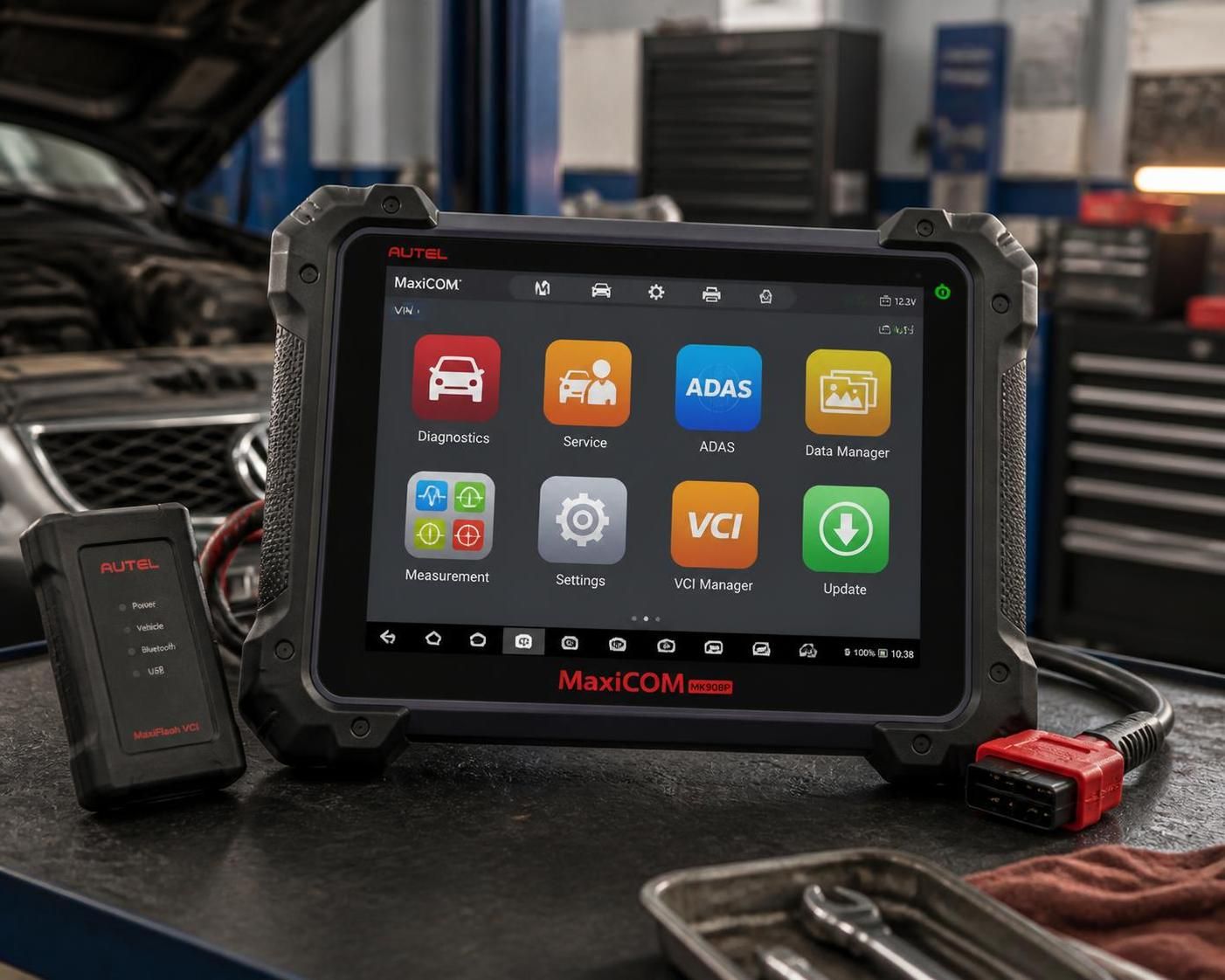
| Autel MaxiCOM MK900BT | Broad multisystem, OE level | 3000+ active tests, 40+ service functions, Bluetooth | 1 year free, paid thereafter | ~1000 € | Professional workshops, fleet management |
| thinkcar TK689BT | Multibrand & 34+ reset services | Bluetooth wireless, active testing, free updates | Lifetime free | ~700 € | Small workshops, advanced home users |
This selection represents a cross-section of options balancing features, pricing, and ease of use. For more comparisons and detailed evaluations, consult authoritative reviews available at professional-grade auto diagnostic tools reviews.
Once equipped with professional-grade garage diagnostic equipment, it is essential to apply best practices to ensure reliable results and safety.
Before connecting the device, the vehicle engine should be turned off, and check that the diagnostic tool is compatible with the vehicle make and model. Always use original cables and connectors supplied with the device to prevent faulty readings or damage. It’s recommended to avoid unplugging the tool during an active diagnostic session to prevent corrupting the vehicle’s electronic system.
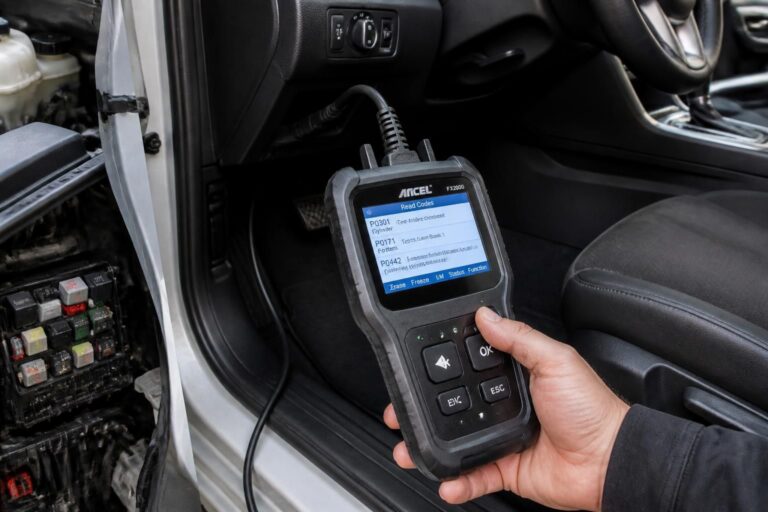
Interpreting fault codes requires technical knowledge; a code should never be erased without solving the underlying issue. For example, a misinterpreted ABS fault could risk vehicle safety if ignored. Consulting vehicle manufacturer documentation or professional repair databases enhances accuracy.
Storing the diagnostic tool in a dry environment and protecting it from shocks prolongs its service lifetime. Periodically updating the software maintains compatibility with the newest vehicle models and technologies.
Mechanics new to automotive diagnostic interfaces can benefit from training programs or tutorials to get comfortable with complex controls and features.
For a comprehensive overview of diagnostic durations, procedures, and costs in professional garages, referring to how diagnostics unfold in garages can provide practical context for scheduling and customer communications.
Finding a dependable professional valise diagnostic auto involves sourcing from reputable outlets that offer genuine products and reliable support. Automotive parts suppliers, specialist diagnostic tool vendors, and authorized e-commerce platforms are preferred over generic retailers to avoid counterfeit items. Checking the seller’s after-sales service and warranty conditions is critical, particularly for software updates and hardware repairs.
Prices vary significantly based on brand, capabilities, and license terms. Entry-level tools suitable for occasional diagnostics start around 200 to 400 euros, while full-featured devices with advanced functionalities and multi-system coverage can reach 1200 euros or more.
Consider the expected frequency of use and the diversity of vehicles served by your garage. Investing in a quality automotive diagnostic interface can be cost effective in the long term by reducing misdiagnoses and unnecessary component replacements, saving both labor and parts costs.
Before finalizing a purchase, reviewing expert buying guides helps confirm that the chosen tool meets specific garage requirements. For additional advice and detailed price and feature comparisons, visiting resources such as professional auto diagnostic scanner buying guides is highly recommended.
Understanding the Role and Capabilities of a Car Diagnostic Tool A car diagnostic tool is an essential electronic device designed to connect…
Lire l’article →
Understanding the Best Car Diagnosis Tools for 2026 As the complexity of automotive technology continues to evolve rapidly, choosing the best car…
Lire l’article →
Key Features and Criteria for Selecting the Best Multibrand Car Diagnostic Tool 2020 In the world of automotive repair and maintenance, choosing…
Lire l’article →