Understanding Different Types of Car Diagnostic Tools for Effective Vehicle Diagnostics
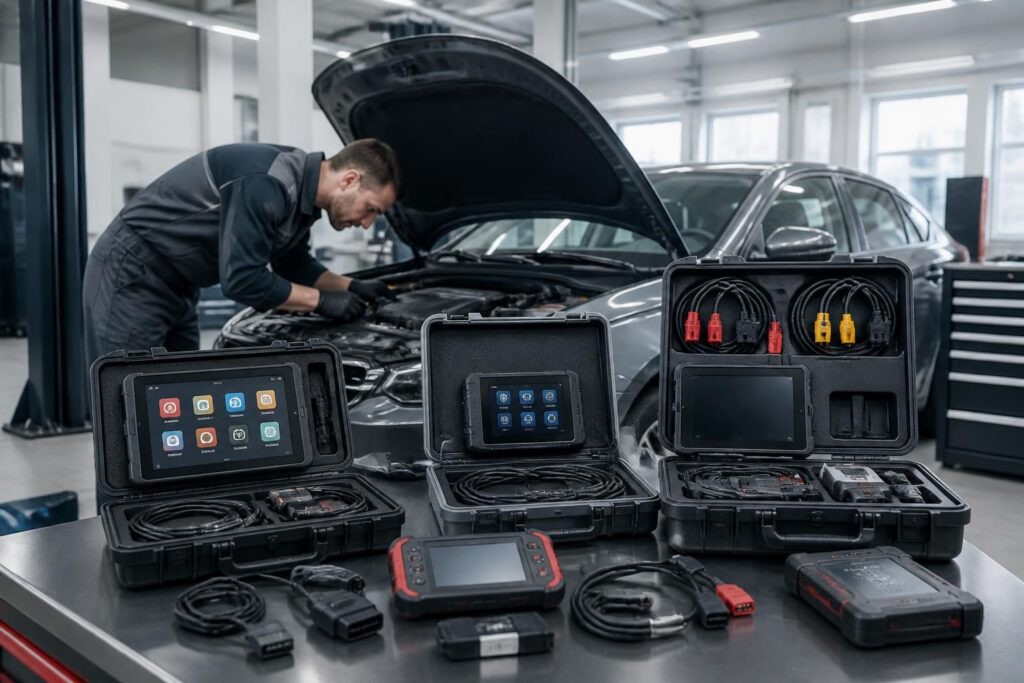
In the realm of modern auto repair tools, choosing the right car diagnostic equipment is essential for accurate car troubleshooting. Vehicle diagnostics rely heavily on various types of diagnostic tools, each designed to cater to specific user needs and vehicle models. Among these, the prevalent options include monomarke (single-brand) valises de diagnostic auto and multimarque (multi-brand) auto diagnostic scanners. The distinctions between these types shape how efficient the diagnostic process will be in everyday workshops or for car owners performing self-checks.
Valises de diagnostic auto monomarques are specialized car diagnostic tools created specifically for one manufacturer’s range of vehicles. This specialization allows them to provide in-depth diagnostics tailored to particular models with precise fault code readers and advanced functionalities that generic scanners might lack. For instance, dealers and specialized garages favor these dedicated tools because they are updated directly by the car manufacturer, ensuring compatibility with the latest models and software protocols.
On the other hand, auto diagnostic scanners that are multimarques offer versatility, able to connect with a broad spectrum of car makes and models. These are especially useful in general repair shops or for independent mechanics dealing with diverse fleets. Their databases cover numerous manufacturers, and their ability to read and clear fault codes across different systems ensures that technicians can handle complex diagnostics without needing to invest in multiple proprietary tools.
Understanding this fundamental difference allows users to align their choice of vehicle diagnostics tools with their specific needs. A garage focusing exclusively on one car brand might find a monomarke valise more cost-effective and practical. Conversely, a workshop servicing a wider array of vehicles would benefit immensely from an all-in-one, multimarque diagnostic tool selection.
Notably, advances in OBD2 scanner technology have increased functionality in both specialized and universal devices. Modern OBD2 scanners support extensive protocols, offer wireless connectivity, and provide detailed live data monitoring. Selecting the correct type—which depends on the expected usage scenario and vehicle compatibility—is therefore a critical first step in any diagnostic tool acquisition.
For those looking to delve deeper into the nuances of car diagnostic scanners, resources like complete guides about OBD2 scanners provide invaluable insights about choosing between monomarke and multimarque units, helping clarify which tool matches specific diagnostic requirements in 2026.
Key Features to Consider When Selecting Auto Diagnostic Scanners
Choosing the best car diagnostic tool is not merely about brand compatibility; it requires assessing essential features that define a scanner’s functionality and ease of use. Important considerations include direct vehicle compatibility, connectivity options, data access capabilities, and user interface design.
Compatibility and Connector Types: Most vehicles manufactured after 2000 adhere to OBD2 standards, using standardized connectors. However, verifying that the tool supports the specific pinout and communication protocols of the target vehicles is critical. A diagnostic tool that matches the type of broche (connector) and supports relevant systems—engine, transmission, ABS, airbags—is necessary for comprehensive fault code reading and resolution.
Size and Breadth of the Database: The depth of the database integrated into the scanner affects its capacity to diagnose different makes and models accurately. A larger database corresponds to more extensive vehicle coverage and updated fault code references. This enables better interpretation of error messages and improved troubleshooting precision.
Connectivity: The inclusion of wireless communication such as Bluetooth or Wi-Fi streamlines both updates and data transfers. Wireless capabilities also allow diagnostics to be performed more flexibly, without cumbersome cables, enhancing workflow in busy repair shops or for home mechanics.
Screen and Interface: The choice between monochromatic or full-color displays impacts readability and navigation. Color displays often provide more intuitive data visualization, while simpler monochrome screens might suffice for basic diagnostics. Ergonomic design, responsive controls, and multilingual support also enhance usability.
Vehicle Type Focus: Some diagnostic tools specialize in light vehicles, while others support heavier commercial vehicles and trucks. Selecting a scanner compatible with the vehicle types your garage services is paramount to avoid investing in an ill-suited device.
Outlined below is a structured checklist to guide the diagnostic tool selection process:
Confirm OBD2 compatibility and connector type
Assess database size for comprehensive vehicle coverage
Prioritize user-friendly interface with clear display
Match scanner’s vehicle type compatibility with workshop needs
Experts share that considering these features in tandem with budget constraints ensures a balanced investment and avoids frequent tool replacements. For a more detailed comparison of features and models, professional evaluations such as those available at expert car diagnostic tool reviews can assist in making a well-informed choice.
Comparing Popular Models of Car Diagnostic Equipment in Today’s Market
Deciding among the myriad of auto repair tools available requires a clear comparison of their advantages, functionalities, and price points. Leading car diagnostic tools in 2026 stand out for their reliability and breadth of vehicle compatibility.
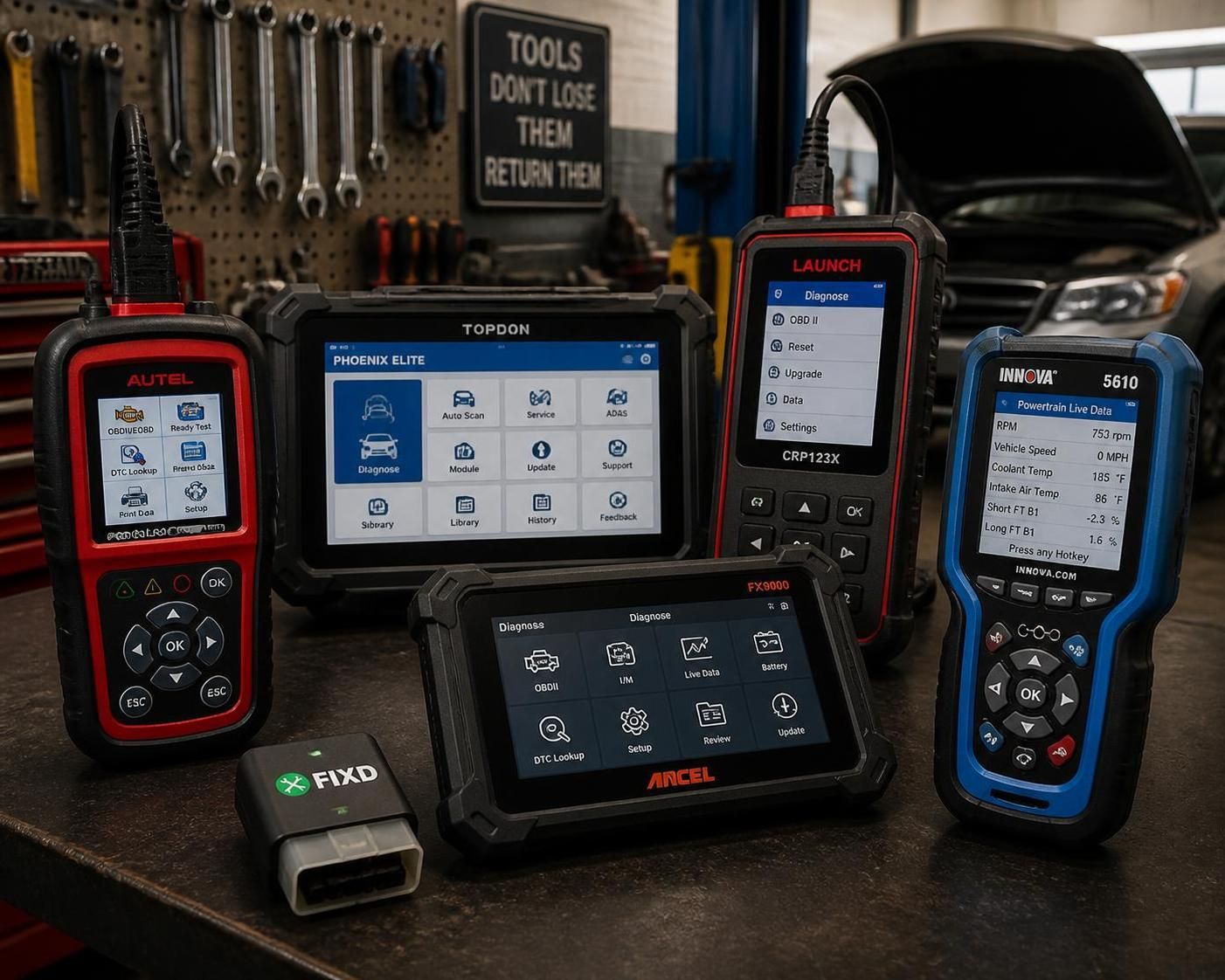
Here is a comprehensive comparison of select models often recommended in repair workshops and by automotive experts:
Model
Key Features
Compatibility
Connectivity
Approximate Price
Launch Elite CRP129X
8 essential functions, real-time engine graph, multilingual support
Multiple vehicle brands
Wired (cable), limited wireless functions
€400 – €500
TOPDON ARTIDIAG 800BT
28 service functions, high compatibility, user-friendly
Wide spectrum of vehicles including light and commercial
Choosing between these options involves weighing the necessity of multiple functions versus budget and ease of use. For example, the Autel MK808TS represents a premium choice for workshops demanding advanced capabilities, while the TOPDON ARTIDIAG 800BT offers a solid middle ground.
Small workshops or individual car owners might opt for a simpler, more affordable fault code reader suited for their regular maintenance tasks without overwhelming complexity. This kind of strategic selection prevents unnecessary expenses and ensures diagnostic precision is maintained.
When and Why to Invest in Advanced Auto Diagnostic Tools for Your Garage
The decision to upgrade or purchase a car diagnostic tool should be grounded in the practical demands of the garage and customer expectations. Over the years, the evolution of vehicle technology necessitates more sophisticated diagnostic equipment, and keeping pace is vital to remain competitive in auto repair services.
Initially, many garages might start with basic OBD2 scanners capable of reading and clearing generic fault codes. These standard devices suffice for minor troubleshooting and routine diagnostics. However, when addressing complex issues such as ABS malfunctions, airbag faults, or transmission errors, more advanced scanners with extended functions become indispensable.
Moreover, the ability to perform live data streaming and real-time parameter monitoring enhances fault diagnosis efficiency. It enables mechanics to detect intermittent problems and evaluate the operational state of vehicle components during repairs.
Investing in sophisticated diagnostic tools also reduces the turnaround time for repairs by streamlining the troubleshooting process. This efficiency builds customer trust, as issues are identified and resolved reliably during the initial visit, minimizing costly callbacks or prolonged vehicle downtime.
Professional workshops increasingly recognize the necessity of these advanced tools, especially as manufacturers integrate complex electronic systems and emerging technologies such as electric powertrains and advanced driver-assistance systems (ADAS).
Therefore, monitoring market offerings and consulting expert recommendations ensures workshops purchase timely upgrades. More advice about matching diagnostics tools to garage needs can be found on expert workshop advisory sites, which offer detailed guidance and user feedback.
Essential Maintenance and Usage Tips to Maximize Your Diagnostic Tool’s Performance
Once acquired, the longevity and effectiveness of car diagnostic equipment depend largely on proper maintenance and correct usage. Mechanics and vehicle owners alike benefit from adhering to best practices ensuring consistent performance and accurate fault reading.
Maintaining up-to-date software is paramount; manufacturers regularly release updates to include new vehicle models, refresh fault code databases, and improve tool operation. Ignoring updates can lead to misdiagnosis or inability to communicate correctly with newer vehicles.
Proper storage plays a role in protecting the device from physical damage, dust, and moisture. Using the original carrying case or a dedicated toolbox compartment limits wear and tear during transport and daily workshop activities.
Users should also familiarize themselves with the tool’s interface and settings. Efficient use involves knowing how to navigate menus, initiate system scans, and interpret diagnostic reports accurately. Many diagnostic tools offer multilingual options and tutorial modes for user assistance.
Additionally, pairing the diagnostic tool with supplementary auto repair tools may enhance troubleshooting capabilities. For instance, combining a fault code reader with a multimeter or a compression tester helps contextualize error codes and assess related mechanical issues.
To optimize your investment further, scheduling periodic software checks and recalibrations, especially for advanced equipment, helps maintain precision. If handling a multimarque valise de diagnostic auto, ensure all brand-specific updates are applied to avoid compatibility gaps.
Routine checks extend beyond the tool itself; verifying vehicle connection ports and ensuring cables remain intact and functional contributes greatly to reliable diagnostics.
This disciplined approach to tool upkeep reduces the risk of diagnostic errors, prevents downtime, and supports a smoother workflow for automotive professionals and enthusiasts alike. For additional advice on maintenance and selecting complementary tools, trusted automotive forums and service blogs like reliable automotive maintenance resources are invaluable.
Regularly update diagnostic tool software
Store diagnostic tools in protective cases
Familiarize with user manuals and navigation
Combine with other auto repair tools for thorough diagnostics
Inspect vehicle connectors and tool cables routinely
Schedule recalibration for advanced devices when recommended
Understanding Car Diagnostic: Foundations for Quick Car Fault Identification In 2026, the complexity of modern vehicles has significantly increased, making reliable car…