
quel est le prix d’un diagnostic auto en 2026
Understanding the Fundamentals of Car Diagnostic Pricing in 2026 A car diagnostic is an essential service in automobile maintenance, designed to detect…
Lire l’article →
When addressing the question of how long car diagnosis takes, it’s important to understand that the car diagnostic duration can vary widely depending on specific circumstances. Typically, a standard diagnostic test can take anywhere from 30 minutes to an hour for straightforward cases. This timeframe is sufficient for identifying common fault codes using a diagnostic scanner connected to the vehicle’s onboard diagnostic port (OBD).
The variations in vehicle diagnostic time are largely due to the complexity of the issue. Simple electronic faults or sensor malfunctions are often identified rapidly through the driver’s interface or diagnostic tools. However, when the problem is multifaceted, involving several systems such as the engine management, transmission control unit, or advanced driver assistance systems (ADAS), the diagnostic test duration can extend to several hours.
Another factor influencing the time is the type of equipment and expertise available. Modern diagnostic tools offer faster, more accurate readings and can interface with multiple manufacturer-specific systems simultaneously. An experienced technician will efficiently navigate the car diagnostic process, prioritizing the most relevant systems to check and interpreting data accurately to reduce unnecessary diagnostic steps.
In some garages, the diagnosis timeframe car can also be affected by the number of systems that need to be inspected. A vehicle fitted with numerous electronic modules requires a more thorough check, potentially extending inspection time. For instance, high-end models with hybrid or electric systems usually demand longer vehicle inspection time because of the additional diagnostic layers.
Lastly, equipment availability and scheduling influence the total diagnostic duration. A busy workshop may face delays if multiple vehicles require diagnostics simultaneously. Hence, pre-booking and efficient workshop management play essential roles in optimizing the time taken to deliver reliable diagnostic results.
The importance of investing the necessary time in diagnostics cannot be overstated, since a precise and comprehensive analysis prevents misdiagnosis, reduces the risk of repeated repairs, and safeguards the vehicle’s operational reliability. For more detailed information on the general process and timing, reviewing resources like this comprehensive guide on automotive diagnostic steps may be beneficial.
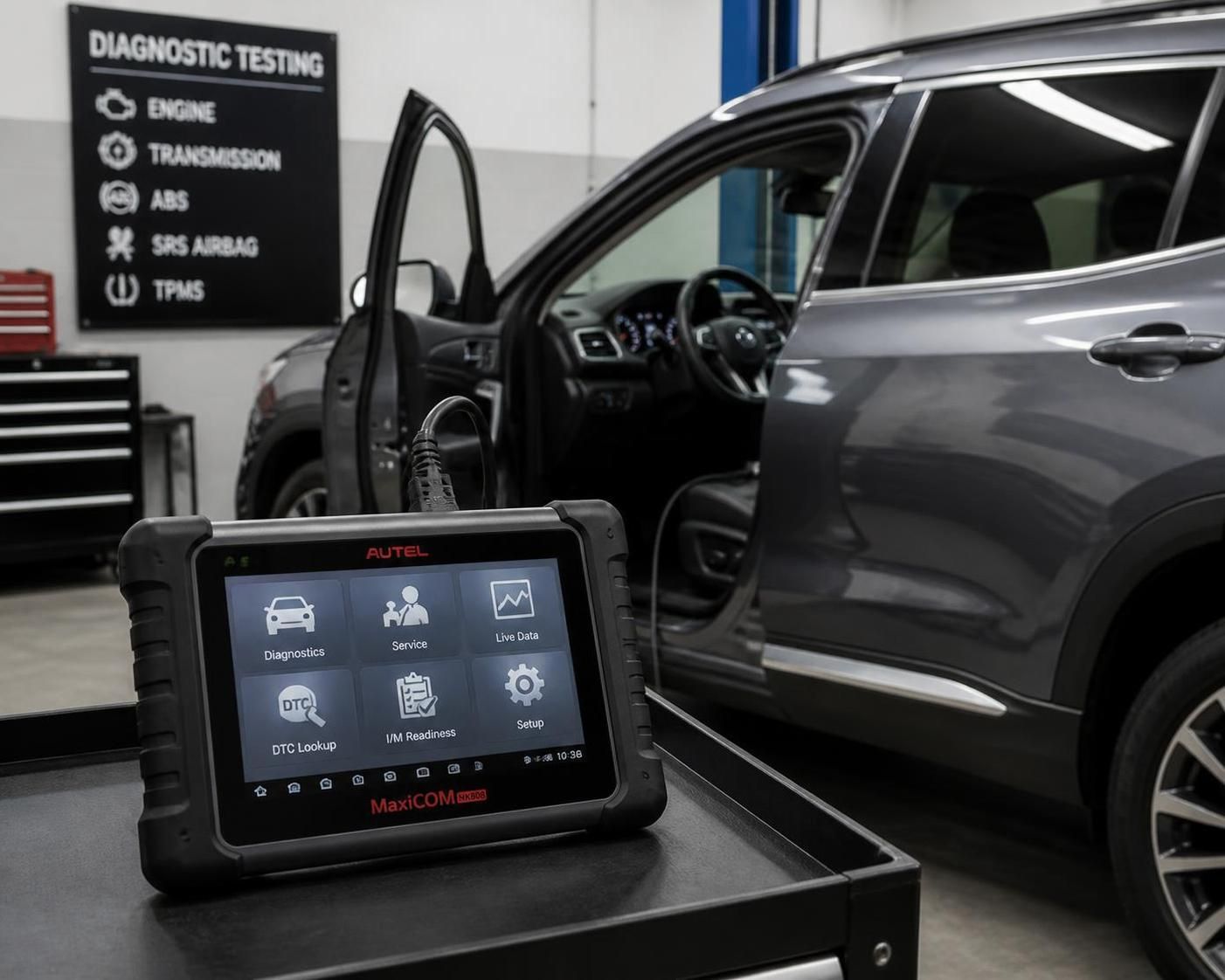
The car diagnostic procedure unfolds in several key stages, each contributing to the overall car diagnostic duration. Initially, the technician connects a diagnostic scanner or “valise” to the vehicle’s OBD port, typically located close to the steering column. This connection usually takes just a few minutes but is crucial for communication with various onboard systems.
Following the connection, the scan tool retrieves fault codes and system data from the vehicle’s electronic control units (ECUs). Interpreting these codes constitutes the core of the car fault diagnosis and can be relatively quick when dealing with straightforward errors like a misfiring cylinder or a faulty oxygen sensor.
However, not all issues are immediately clear from the codes alone. Sometimes, further functional tests and live data analysis are needed to understand intermittent or complex faults. For example, a fault relating to the variable valve timing or fuel injection system may require dynamic testing under different driving conditions, prolonging the diagnostic timeline.
Once the initial scan is complete, some vehicles may require a manual inspection of mechanical parts or sensors, especially when error codes point to components prone to physical wear or malfunction. This step adds additional time to the overall procedure but is indispensable for a reliable outcome.
The final step involves documenting the diagnostic results, discussing the findings with the vehicle owner, and preparing a repair plan or estimate. Transparency during this phase helps avoid misunderstandings regarding repair needs and costs, which aligns with the practical advice offered at garages like Garage Crauzaz Nurieux, a trusted local automotive workshop.
While the diagnostic test duration generally ranges from 30 minutes for simple scans to a few hours for thorough diagnostics, some problems, especially those related to electrical wiring or intermittent electronic faults, might require multiple diagnostic sessions. Patience during these stages is essential to ensure that no detail is overlooked.
To better predict the duration of a vehicle diagnostic, it’s essential to identify influencing factors that directly affect the vehicle diagnostic time:
This range of factors explains why no fixed time frame fits every diagnostic scenario. For instance, a routine engine check in a modern diesel vehicle may be completed within 45 minutes, but diagnosing an electrical issue in a hybrid SUV could exceed 3 hours.
Aside from these considerations, the ongoing evolution of vehicle technology makes it necessary to frequently update diagnostic tools and train technicians accordingly. Automotive workshops that stay current with these trends often deliver faster and more accurate diagnoses, minimizing owner inconvenience and potential vehicle downtime.
Outlined below is a summary table illustrating average diagnostic times for various common vehicle issues encountered in a typical automotive workshop:
| Type of Issue | Average Diagnostic Duration | Remarks |
|---|---|---|
| Simple Sensor Fault | 30 – 45 minutes | Quick error code retrieval, straightforward repair. |
| Engine Management Issues | 1 – 2 hours | May involve live data analysis and mechanical checks. |
| Transmission & Drivetrain | 1.5 – 3 hours | Often requires dynamic road testing and detailed electronic checks. |
| Electrical & Wiring Faults | 3+ hours | Diagnosing intermittent faults can be time-consuming. |
| Hybrid/Electric System Checks | 2 – 4 hours | Requires specialized equipment and safety protocols. |
Such data supports the need for clear communication between the garage and vehicle owners about expected inspection times and repair planning.
Implementing a fast yet comprehensive car diagnostic process provides several advantages, both for the workshop and vehicle owners. Chief among these is the ability to start repairs earlier, halting the progression of faults that could otherwise lead to more costly damage. Early intervention following an accurate diagnosis helps maintain better vehicle performance and reliability.
Speedy diagnostics also reduce risks of erroneous repairs which sometimes result from rushed or superficial checks. By accurately identifying root causes, unnecessary part replacements and labor expenses can be avoided, saving money and time in the long term.
Moreover, a quick diagnosis provides peace of mind for vehicle owners, reassuring them that their car is maintained properly and is safe to drive. This is particularly important in the context of safety-critical systems such as brakes, airbags, or emission controls.
From the workshop’s perspective, streamlining the diagnostic workflow improves customer satisfaction and enables handling more vehicles efficiently without compromising quality. Many garages now invest in team-based approaches and upgraded diagnostic tools to optimize the diagnostic test duration.
Here are practical benefits of an efficient diagnostic process summed up:
For owners interested in a clear pricing and service overview related to vehicle diagnostics, consulting a local professional like Garage Crauzaz Nurieux’s detailed pricing guide can provide useful insight.
While diagnostic thoroughness is essential, several practical approaches can help garages and vehicle owners decrease the overall diagnostic duration without risking missed faults. The following tips, widely recommended by automotive experts, improve efficiency and quality:
Additionally, vehicle owners can play a role by promptly reporting symptoms with clear descriptions, such as unusual noises, warning light patterns, or performance dips. Early, detailed information helps technicians zero in on likely causes faster.
Integrating these strategies results in leaner, more successful diagnostic sessions and a better experience for all parties involved. For an in-depth overview of modern diagnostic methods and tools, the Bosch Car Service diagnostic resources offer authoritative insights.

Understanding the Fundamentals of Car Diagnostic Pricing in 2026 A car diagnostic is an essential service in automobile maintenance, designed to detect…
Lire l’article →
Understanding What a Car Diagnostic Scanner Is and How It Transforms Vehicle Maintenance In the realm of automotive repair and maintenance, the…
Lire l’article →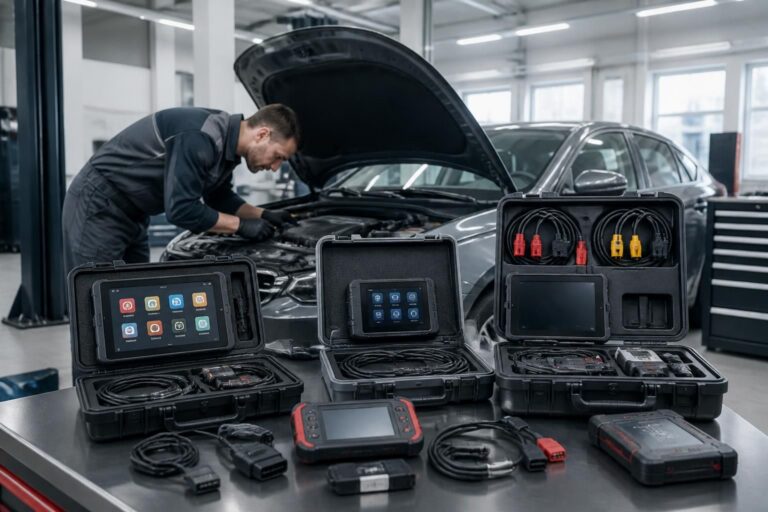
Understanding Different Types of Car Diagnostic Tools for Effective Vehicle Diagnostics In the realm of modern auto repair tools, choosing the right…
Lire l’article →