
Quel est le prix d’une vidange voiture en 2026
Comprendre le prix d’une vidange voiture en 2026 : les facteurs clés à considérer La vidange reste l’entretien indispensable pour préserver la…
Lire l’article →
Performing a car oil change is a crucial component of vehicle maintenance, directly impacting engine performance and longevity. The question of car oil change frequency can be complex due to several influencing factors. Standard recommendations often suggest intervals ranging between 5,000 and 20,000 kilometers, but the precise timing depends on your vehicle’s make, model, engine type, and usage pattern. It is important to emphasize that an oil change is not solely a function of mileage; time also plays a vital role. Manufacturers typically advise not to exceed two years between oil changes, even if the car has been driven less.
For accurate guidance on your specific car, referring to the car servicing schedule found in the vehicle’s maintenance booklet is essential. This document specifies the manufacturer-endorsed oil change intervals and the recommended grade of engine oil, tailored to the vehicle’s design and intended use. Ignoring these recommended intervals risks compromising engine care and can lead to accelerated wear of internal components.
Over the past few years, advances in engine technology and the development of higher quality synthetic oils have allowed longer intervals between changes, particularly for petrol engines. For instance, some modern gasoline cars now require oil changes every 15,000 to 20,000 kilometers. This improvement reduces the maintenance frequency for vehicle owners but does not eliminate the necessity for regular inspections. Always verify the specific parameters for your car, as some models still require more frequent changes based on their design or the type of oil.
Diesel engines, conversely, often demand more frequent oil changes. This is related to the higher compression ratios, turbocharger presence, and increased soot production that degrade the oil faster. For diesel vehicles, a typical oil change interval ranges from 5,000 to 10,000 kilometers. If urban driving dominates your usage—characterized by frequent stop-and-go traffic leading to slower engine warm-up—the shorter interval should be preferred to maintain optimal engine protection.
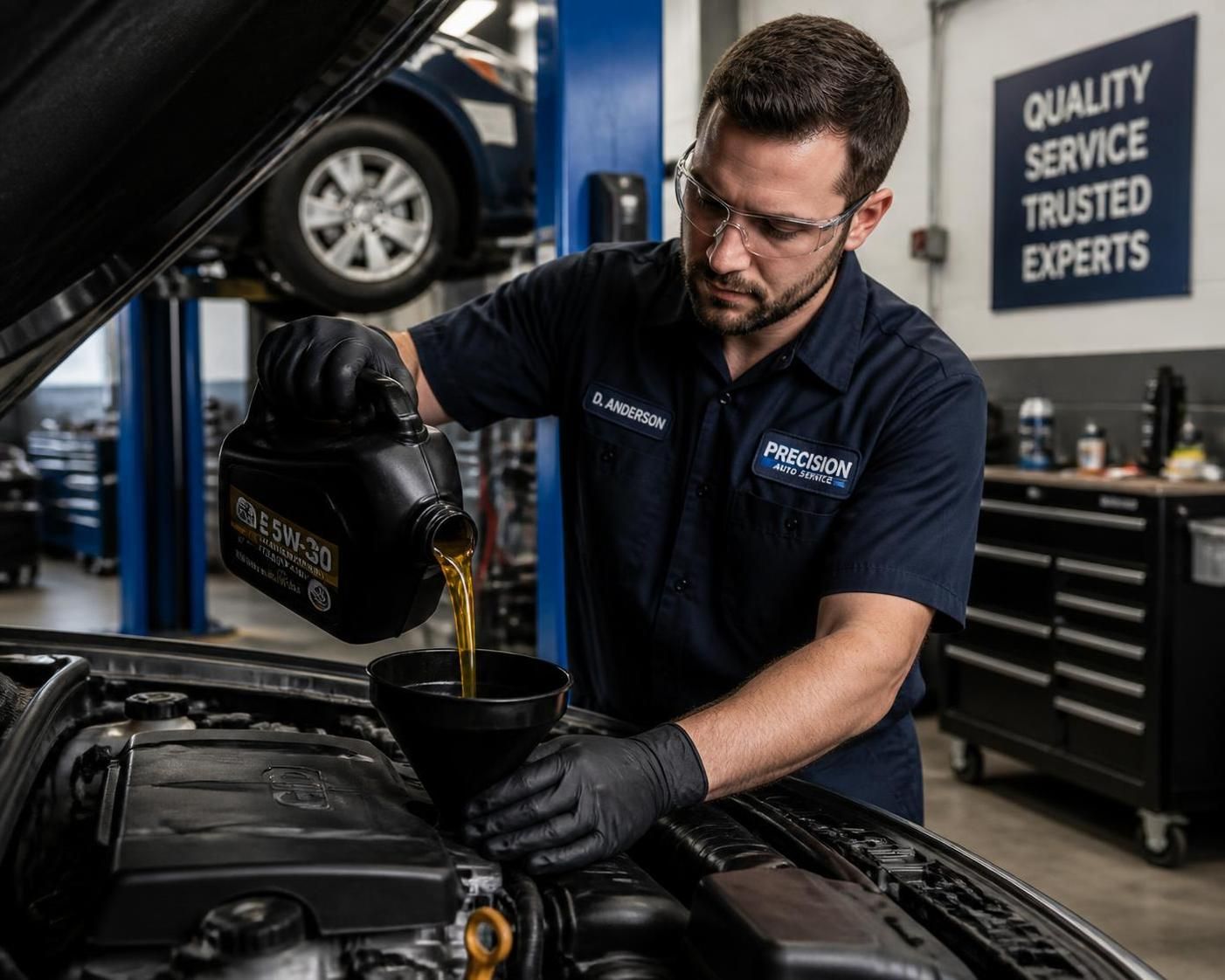
The bucket question remains: should you change oil based on mileage or time? In practice, both criteria are relevant, and professional mechanics recommend adhering to whichever limit is reached first. This dual parameter helps prevent engine oil replacement delays that could cause the lubricant to lose its efficacy through oxidation and contamination, even when mileage thresholds are low.
Regular oil changes contribute to a smoothly running engine by maintaining a clean and effective lubrication film, which reduces friction and heat buildup. Oil also captures dirt, combustion residues, and metal particles that could otherwise accumulate and cause damage. The inclusion of a new oil filter during each oil change is a non-negotiable part of this maintenance to ensure purification of the engine oil system. Failing to replace a clogged oil filter leads to poor oil circulation and eventual component wear or failure.
Not all drivers operate their vehicles under the same conditions, which is why oil change intervals can vary widely. Harsh driving environments such as heavy traffic, mountainous terrain, extreme temperatures, or dusty roads accelerate oil degradation. For example, frequent short trips do not allow the engine to reach optimal operating temperature, causing moisture accumulation and fuel dilution in the oil. Likewise, stop-and-go city driving leads to increased oil contamination and faster deterioration.
Drivers who primarily use their vehicles for highway cruising typically benefit from extended oil change intervals. The steady engine speed and optimal temperature reduce contaminants and oil breakdown. However, even under ideal conditions, adherence to recommended service intervals is mandatory. It’s advisable to communicate your driving patterns to your automotive advisor to establish a realistic and effective maintenance schedule tailored to your needs.
Environmental factors such as seasonal temperature changes also influence oil viscosity and performance. Winter months may require oils with different viscosity grades to guarantee proper circulation and lubrication from engine start-up. Modern synthetic oils possess better stability across temperature ranges, yet checking compatibility with your vehicle remains critical. Your trusted garage professionals can recommend the right oil to fit your climate and driving environment.
Maintaining a consistent car oil change frequency is often viewed as an expense, yet it is a prudent investment to avoid costly repairs. New synthetic oils and high-efficiency filters may have a higher upfront cost, but they extend intervals safely and protect the engine care regimen. Budget-conscious motorists should consider the long-term financial advantages of sticking to recommended oil change schedules versus risking engine damage from neglect.
Scheduling regular oil changes at a certified garage ensures qualified staff handle the procedure and use recommended products. For example, in professional garage networks like AD, the oil change service starts from approximately 79.90 euros, which includes both oil and filter replacement along with a thorough inspection. This price point balances quality and accessibility, providing drivers with peace of mind regarding their vehicle’s health.
Furthermore, many garages offer reminders for upcoming oil changes based on recorded mileage and time intervals, integrating seamlessly into modern automobile maintenance plans. This proactive approach helps avoid scheduling oversights, ensuring timely care of the engine.
Experts recommend combining oil change appointments with other preventive maintenance tasks such as fluid level checks, brake inspections, and air filter replacements. This holistic approach improves vehicle reliability and helps detect potential issues early, reducing the risk of breakdowns. Car owners are encouraged to ask their mechanic for an overview of the next scheduled services during their visits.
Detailed below is a comparative overview of typical oil change intervals for petrol and diesel engines. The table highlights the recommended mileage and corresponding time frames within which oil changes should be performed, reflecting modern vehicle technology and lubricant capabilities.
| Engine Type | Recommended Oil Change Interval (km) | Maximum Time Between Changes | Notes |
|---|---|---|---|
| Petrol Engines | 10,000 – 20,000 km | 12 – 24 months | Modern synthetic oils allow longer intervals; check vehicle manual. |
| Diesel Engines | 5,000 – 10,000 km | 12 – 18 months | Urban driving requires shorter intervals due to engine strain and soot. |
It is crucial to abide by these intervals for maintaining the car oil lifespan and avoiding premature engine deterioration. Always inspect oil quality and level regularly, especially before long trips or harsh seasons.
More detailed guidance on oil change intervals can be found through trusted resources such as the AD garage’s detailed guide on oil change kilometers or expert automotive advice on when to really change engine oil.
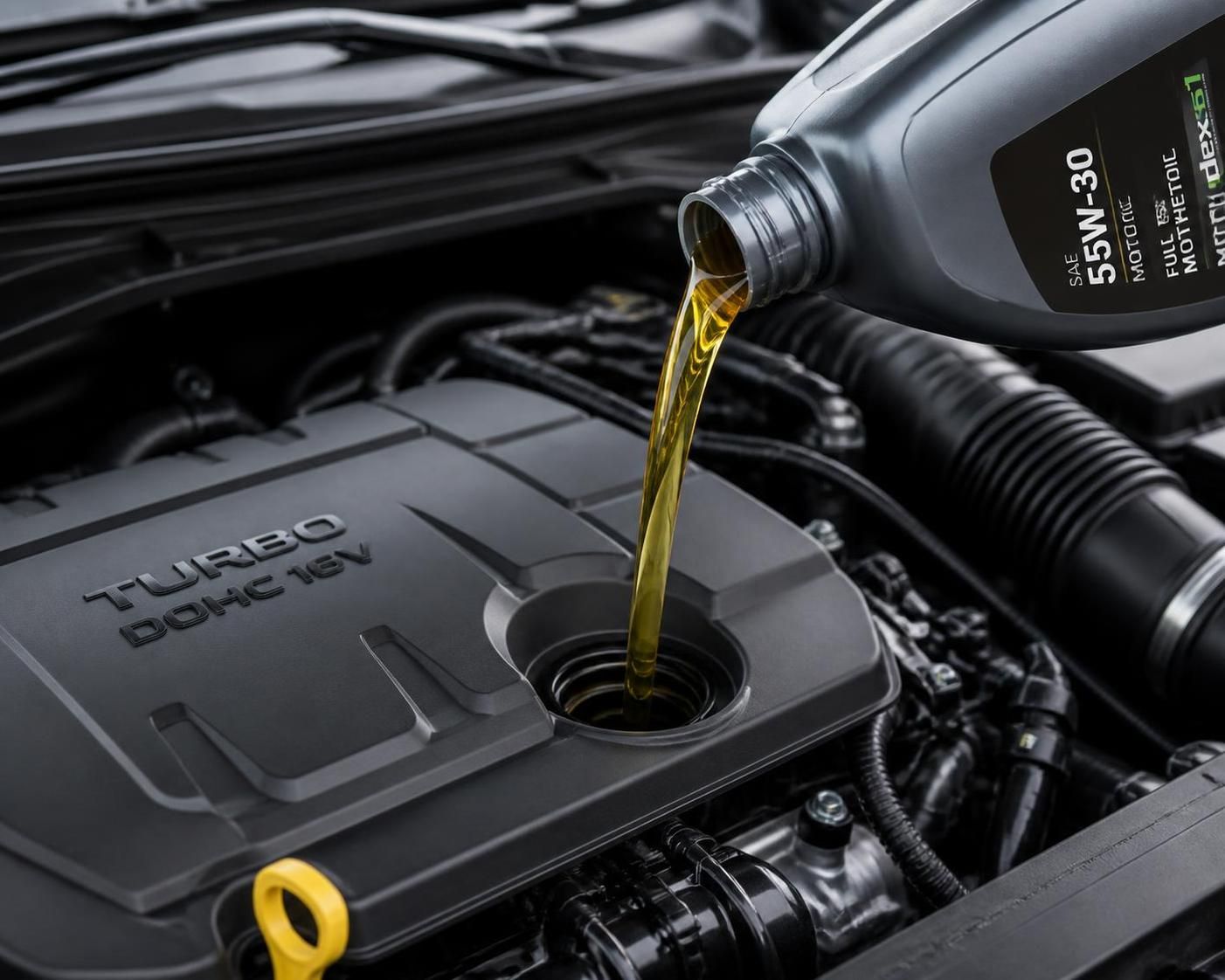
Delaying or skipping routine oil changes leads to the deterioration of engine oil quality, resulting in inadequate lubrication of moving parts like pistons, crankshaft, and camshaft. Over time, the oil loses its protective film strength, leading to increased friction, overheating, and accelerated wear.
Common symptoms signaling an imminent oil change include:
If these signs are noticed, it’s vital to schedule an immediate appointment at a qualified garage. Proceeding too long without fresh oil may cause irreversible engine damage, resulting in costly repairs, including potentially total engine replacement.
Trustworthy garages recommend conducting oil checks regularly by using the dipstick to verify levels and clarity. For drivers unsure about oil status, professional screening during routine servicing ensures safe engine operation. The preparedness of workshops equipped with diagnostic equipment assists in detecting any hidden engine issues before they escalate.
When booking an oil change, entrusting the task to trained professionals guarantees adherence to manufacturer norms and usage of appropriate lubricant types. Experts assess vehicle history, driving conditions, and engine needs to tailor service, selecting from conventional, semi-synthetic, or full synthetic oils.
During the oil change:
The entire process typically takes about one hour and includes the disposal of used oil materials according to environmental regulations. This professional approach helps preserve engine functionality and assures compliance with warranty requirements.
Scheduling service through reputable providers such as the MyCar network or local trusted garages minimizes risk of error or suboptimal product choices. These networks also facilitate appointment booking and provide transparent pricing.
Beyond regular engine oil replacement, integrating complementary maintenance practices safeguards your car’s longevity. Consider these essential tips:
Garages with diagnostic tools capable of multi-brand vehicle servicing help optimize preventive maintenance plans. Setting up reminders based on time and mileage ensures that no aspect of your automobile maintenance is overlooked.
Keep in mind that investing in routine care significantly reduces the risk of costly breakdowns and enhances driving safety. Staying up to date with your car servicing schedule represents a wise decision for both vehicle performance and resale value.

Comprendre le prix d’une vidange voiture en 2026 : les facteurs clés à considérer La vidange reste l’entretien indispensable pour préserver la…
Lire l’article →
Pourquoi demander un devis entretien voiture précis est indispensable Avant de confier votre véhicule à un garage, il est crucial de comprendre…
Lire l’article →
Comprendre le coût d’une vidange voiture en 2026 : éléments déterminants et fourchettes de prix La vidange moteur est un des entretiens…
Lire l’article →