meilleure valise diagnostic auto multimarque pour un diagnostic rapide et précis
Understanding the Best Multibrand Car Diagnostic Tool for Fast and Accurate Car Diagnostics In the evolving world of automotive maintenance, the best…
Lire l’article →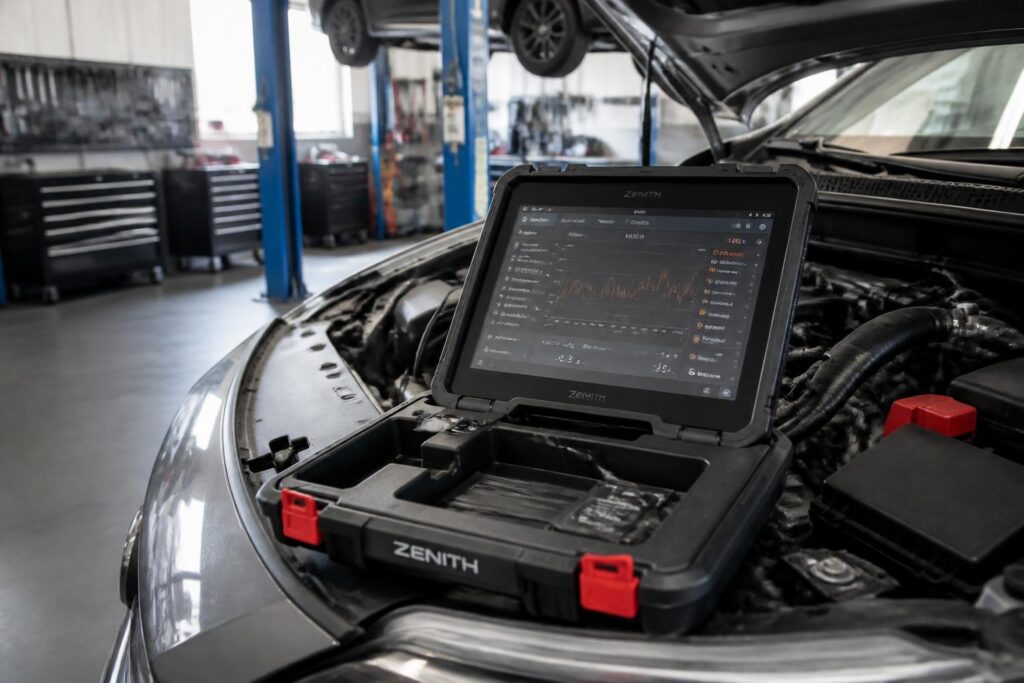
In today’s automotive world, the car diagnostic tool has become indispensable for efficient vehicle maintenance and troubleshooting. This device, also known as an auto diagnostic scanner, interfaces with the vehicle’s electronic control units to detect and report issues affecting performance, safety, and emissions. When the check engine light illuminates on a dashboard, it often signals the presence of one or more car error codes that indicate malfunctioning components or systems. Rather than guessing or waiting for a mechanic, vehicle owners and technicians can use an OBD2 scanner to quickly identify the root cause.
The usefulness of a vehicle diagnostics tool extends beyond mere fault detection. It offers detailed insights into engine performance, ABS, airbags, transmission, and other critical systems. For anyone interested in vehicle troubleshooting, a good car diagnostic device accelerates the diagnosis process, reducing downtime and repair costs. For example, a sensor malfunction in the exhaust system can be pinpointed precisely, avoiding unnecessary replacement of unrelated parts.
Furthermore, with the increasing complexity of modern cars—especially hybrids and electric vehicles—having an automotive scanner equipped to handle multiple systems is essential. It not only reads engine fault detection codes but also performs advanced functions such as resetting service intervals, calibrating sensors, and coding electronic modules.
For everyday car maintenance, this means the ability to preemptively catch problems before they evolve into major repairs. Access to customizable reports and real-time data graphs allows mechanics and thoughtful owners to monitor trends in vehicle health. This proactive approach underpins the growing importance of car diagnostic scanners in 2026, complementing professional garage services without replacing expert know-how.
Selecting the ideal OBD2 scanner depends largely on user profile, vehicle type, and desired diagnostic capabilities. Those who own a single car and want basic code reading and clearing can manage with entry-level tools costing between €50 and €150. These devices generally read generic engine codes but often lack the ability to diagnose subsystems like ABS, airbag, or transmission.
For a mechanic amateur or multi-vehicle owner, a mid-range scanner is better suited. These models cover comprehensive diagnostics across multiple vehicle systems and offer a wider array of service functions like oil reset, brake bleeding, injector coding, and tire pressure sensor calibration. It’s crucial to verify that your chosen device supports the appropriate protocol for your car’s make and model. Most vehicles sold in Europe since 2001 have a standardized OBD2 port, but manufacturer-specific systems may require advanced scanners.
Professionals working in workshops demand high-end automotive scanners with extended coverage, including coding capabilities, active testing of actuators, and compatibility with hybrid and electric vehicles. Such tools, priced above €400, often offer wireless connectivity options (Bluetooth or Wi-Fi) for easier updates and data transfer. Long-term software updates—preferably included for a couple of years—are essential to keep pace with evolving vehicle technology.
Below are key considerations when choosing a car diagnostic tool:
For those seeking guidance on picking the right tool, resources such as expert articles on diagnostic tool selection provide detailed comparisons and user tips addressing specific needs.
The market currently offers a diverse range of automotive scanners, each tailored to distinct requirements. Among 2026’s top choices, four stand out for their performance, reliability, and support.
| Valise | Target User | Systems Covered | Service Features | Level |
|---|---|---|---|---|
| Launch CRP129X Elite | Beginners, Particulier | Engine, ABS, Airbag, Transmission | 8+ functions (oil reset, TPMS, brake bleeding) | Intermediate |
| Foxwell I50 Pro | Multi-vehicle Owner, Technician | All vehicle systems | 30+ service functions including emissions test | Intermediate+ |
| Autel MaxiCheck MX900 | Professional & Advanced Users | All systems plus coding | 40+ maintenance and coding functions | High-end |
| Topdon Phoenix Lite 2 | Professional garages | All systems plus ADAS calibration | 30+ service features including cloud assistance | High-end |
These tools demonstrate varying degrees of complexity and pricing, reflecting their intended use. For instance, the Launch CRP129X Elite offers excellent value for its coverage and reliability, particularly for those beginning to perform inspections and manage simple repairs. On the other hand, professional environments benefit from the advanced possibilities of the Autel MaxiCheck MX900, which supports hybrid and electric vehicles and offers coding and active testing features.
Diving deeper, the Topdon Phoenix Lite 2 extends capabilities into the realm of driver assistance system calibration, a feature gaining importance due to the rise of autonomous driving aids. Meanwhile, the Foxwell I50 Pro attracts users looking for a larger touchscreen and a wide array of service functions, useful for both personal and workshop use.
Reliable reviews and comprehensive tests are available through specialized platforms like professional diagnostic tool comparisons, helping users make informed decisions.
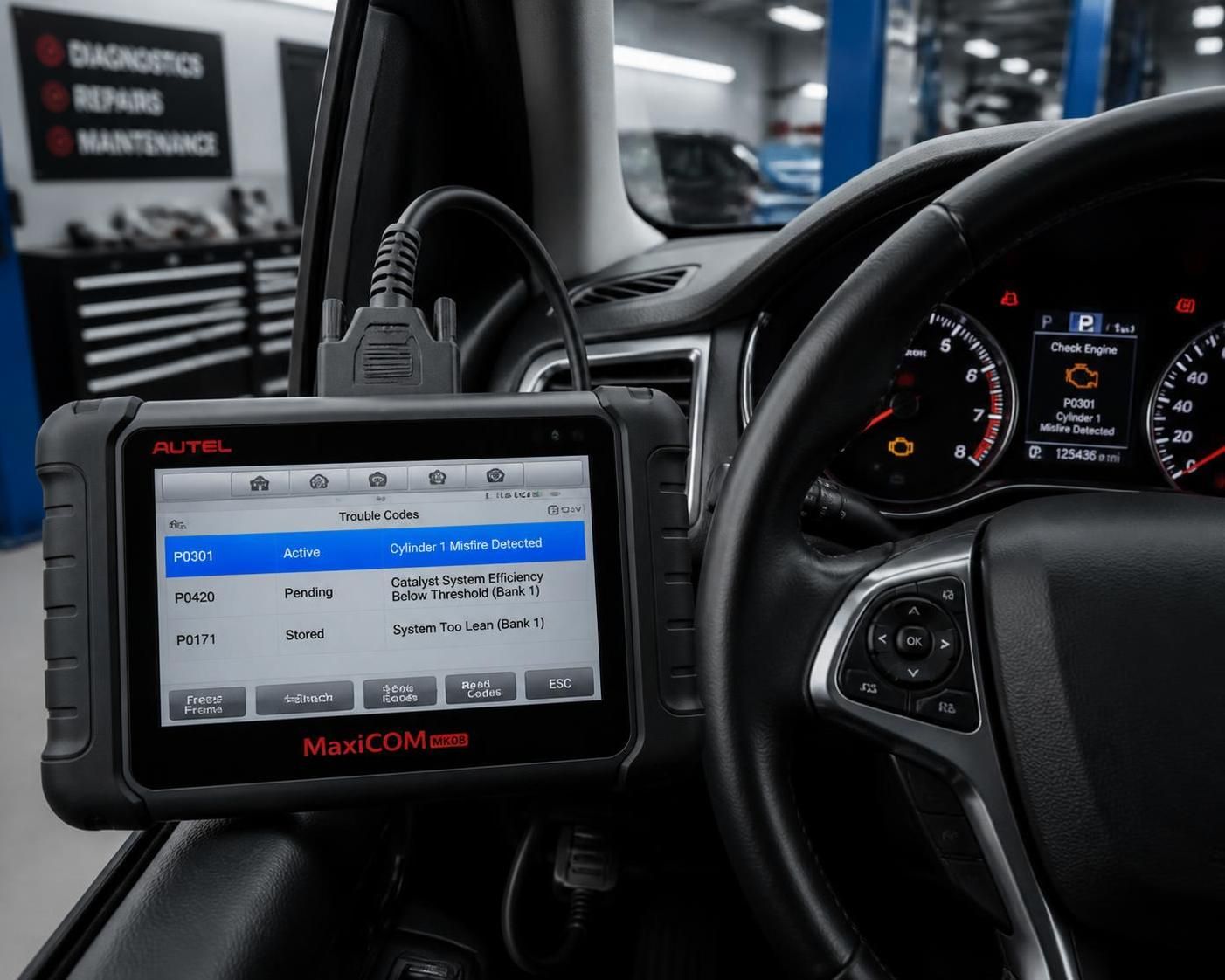
Understanding how to operate an OBD2 scanner effectively makes the difference between a wasted gadget and a genuine car maintenance ally. Once connected to the vehicle’s OBD2 port—typically located below the steering wheel—the scanner communicates with the vehicle’s electronic control units to retrieve stored diagnostic trouble codes (DTCs).
These codes correspond to specific malfunctions and can be categorized as generic or manufacturer-specific. For example, a code P0420 may indicate a catalyst system efficiency below threshold, while proprietary codes might relate to specialized subsystems like the air suspension or advanced safety features.
Interpreting these codes requires some technical knowledge, as a single fault code can trigger a cascade of related alerts. Effective troubleshooting also involves monitoring live data streams—such as oxygen sensor readings, engine temperature, or fuel trim—available on sophisticated scanners.
Practical steps when using a car diagnostic tool include:
It is important to recognize that clearing fault codes without resolving the issue is counterproductive, as the check engine light and corresponding problems will almost certainly recur. This emphasizes the diagnostic tool’s role as a guide rather than a standalone fix.
For those eager to deepen their knowledge, several online resources explain how to perform precise diagnostics and identify common vehicle faults quickly. Using an automotive scanner in conjunction with expert advice is the best approach to maintaining vehicle reliability and safety.
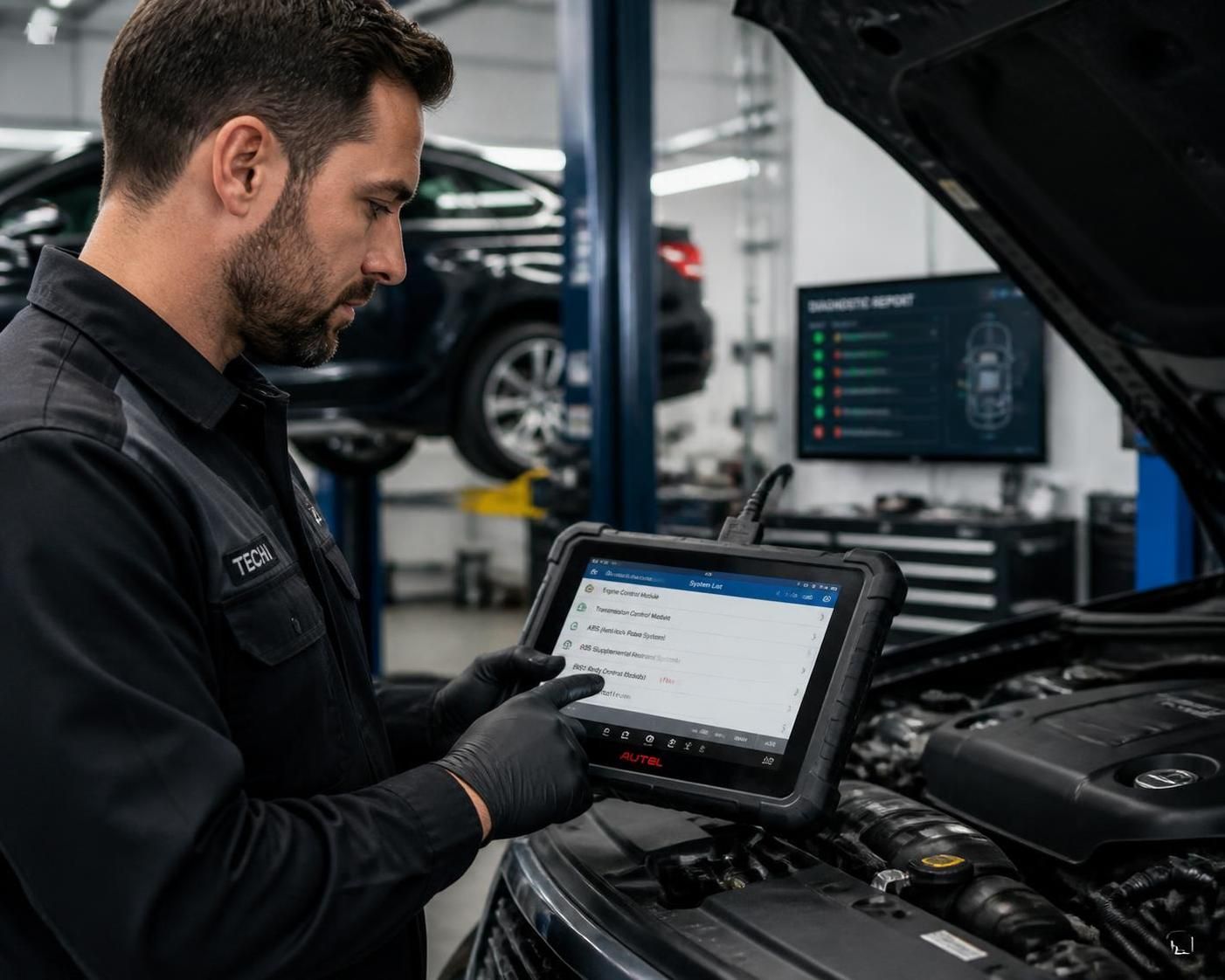
As automotive technologies evolve, so do the needs for sophisticated diagnostic equipment. High-end scanners in 2026 extend beyond simple engine fault detection to encompass complex vehicle systems. These advanced devices perform coding, calibrations, and active testing, supporting workshops in delivering comprehensive repair services.
Key advanced functions include:
Utilizing such comprehensive functions requires skill and knowledge not only in automotive repair but also in diagnostic protocol interpretation. Therefore, professional automotive workshops employ diagnostic tools that support a broad vehicle range, including the latest hybrid and electric models.
For the garage or technician intent on modernizing their equipment, tools like the Topdon Phoenix Lite 2 offer a compelling mix of cloud-based assistance, real-time updates, and compatibility with evolving vehicle architectures. These features reduce diagnostic uncertainty and enhance throughput, which is crucial in competitive markets.
With an investment in advanced diagnostics, vehicle owners benefit from accuracy in identifying subtle or emerging faults that less capable scanners would miss. This ensures maintenance is both efficient and cost-effective, avoiding unplanned breakdowns.
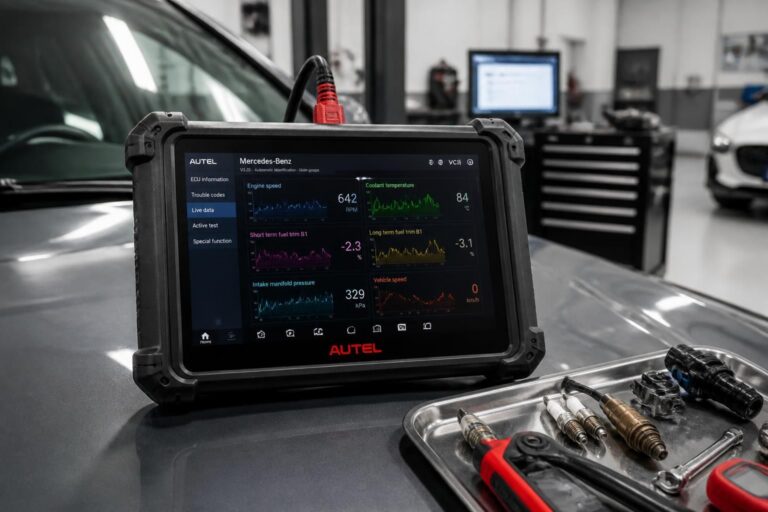
Understanding the Best Multibrand Car Diagnostic Tool for Fast and Accurate Car Diagnostics In the evolving world of automotive maintenance, the best…
Lire l’article →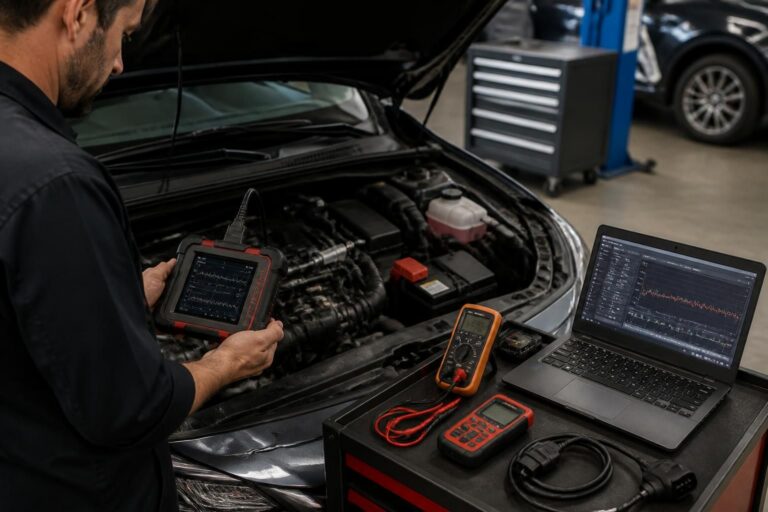
Understanding Common Automotive Faults Through Sound and Sensation Recognizing early signs of vehicle malfunction is critical to avoid expensive repairs and ensure…
Lire l’article →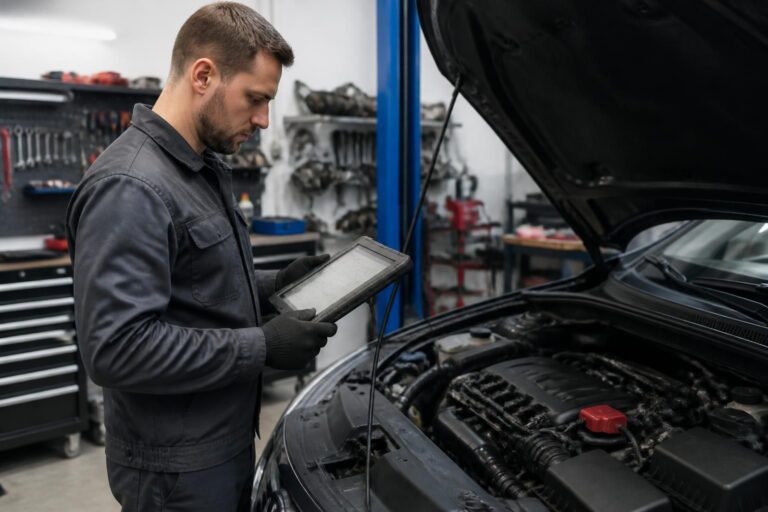
Understanding the Importance of Accurate Car Diagnostic for Effective Vehicle Troubleshooting The foundation of realistic and effective automotive maintenance lies in the…
Lire l’article →