
Comment faire la vidange de sa voiture facilement et rapidement
Essential Tools and Preparation for a Quick and Easy Car Oil Change Performing a car oil change at home is one of…
Lire l’article →
When considering car maintenance cost 2026, it’s crucial to differentiate between a simple oil change and a full vehicle revision. The car revision cost largely depends on the extent of the services performed and the type of vehicle. A standard oil change, or vidange, typically starts at around 59€, covering engine oil replacement and oil filter change with roughly 1 to 1.5 hours of labor. However, this basic service does not include the thorough checks found in a complete vehicle revision.
A general revision, commonly required annually, may range from 89€ to 200€, encompassing oil change plus essential controls such as brake inspection, fluid levels, and filter replacements. For those choosing the rigorous manufacturer’s revision using original parts and a full compliance protocol, expect rates starting from 119€, sometimes reaching up to 350€. These in-depth checks often mobilize around two to two and a half hours of labor.
At the highest level, a comprehensive revision overseeing everything from brakes to various fluid replacements and a full safety check can demand between 250€ and 600€, depending on vehicle complexity. A key factor influencing these prices is the service provider: authorized dealerships generally charge about 30% more compared to certified independent garages, without compromising vehicle warranty or quality.
For example, a mid-range diesel Peugeot might see prices hover around 120€ for a standard revision at an independent garage but would easily exceed 160€ at a dealership for the same service. This pricing difference underscores why many drivers opt for reputable independent garages to manage car servicing rates while preserving service quality.
Ignoring timely maintenance is far costlier; postponing revision can result in damages topping 5,000€, including engine failure or costly system repairs. For drivers aiming to control their car maintenance fees while ensuring road safety, understanding the true composition of revision pricing is vital before contacting a garage.
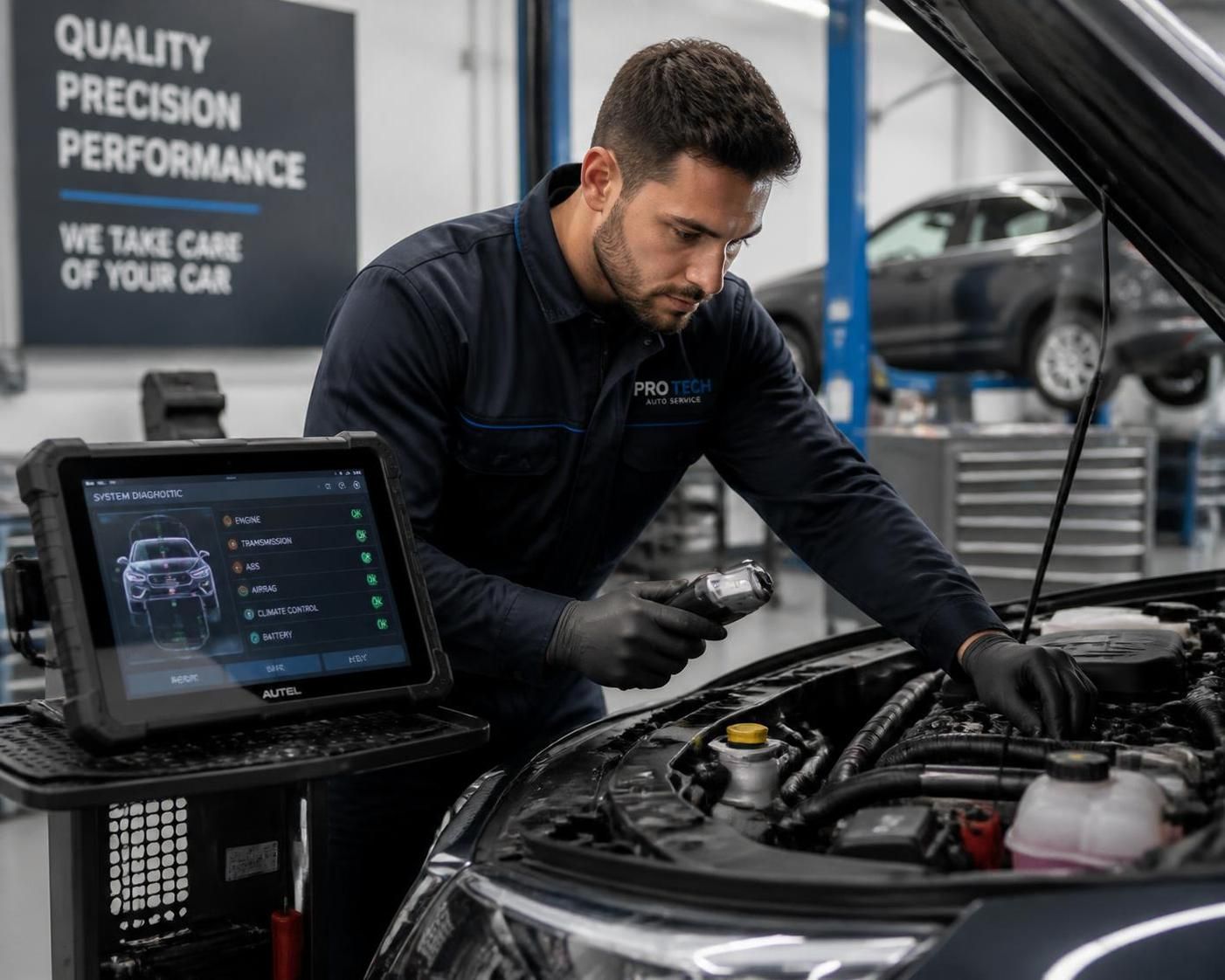
While often confused, a simple oil change and a full vehicle revision represent fundamentally different services, with distinct implications for automobile health and budgeting. The vidange entails only the renewal of engine oil and filter. It does not touch on other filters like air or cabin filters, nor does it include any security inspections.
On the other hand, a revision includes oil changes plus a comprehensive suite of checks and replacements aligned with the manufacturer’s recommendations. For instance, on a vehicle like the Renault Clio, this may cover cabin and air filter replacement, brake fluid level inspection, tire condition assessment, and diagnostic checks of the engine management system, among others – often more than 30 inspection points.
The maintenance frequency also diverges somewhat: oil changes are generally recommended every 15,000 to 20,000 km or annually, varying little between diesel and gasoline engines—though diesel oil and filter replacements can carry a slightly higher price due to the type of lubricants used. Revisions, in contrast, are advised every 30,000 km or two years, aligning with broader safety and operational checks.
Failing to complete a revision means risks such as overworn brake pads or deteriorated filters remain unchecked, possibly leading to mechanical failures or increased fuel consumption. For example, a clogged air filter can boost fuel consumption by approximately 10%. This underlines why motorists should not treat the oil change as a substitute for revision.
Additionally, a burnt-out brake light or degraded brake system may trigger warning lights and noises detectable only within a full revision framework. Ignoring such signs can escalate repair costs enormously, including replacement of brake discs or sudden brake failures, which are emergencies that neither an oil change nor a rushed visual inspection could reveal.
Identifying the proper interval between these services requires consultation of the vehicle’s maintenance schedule, which is often available in digital format or via apps connected to the car’s onboard computer systems.
In 2026, the landscape of vehicle service price is shaped by multiple factors including vehicle type, revision type, and service location (dealership, independent garage, or large auto centers). Below is a detailed summary table illustrating the pricing tiers and typical labor durations:
| Revision Type | Contents | Approximate Price Range (€) | Estimated Labor Time |
|---|---|---|---|
| Oil Change (Vidange) | Engine oil and oil filter replacement | 59 – 100 | 1 – 1.5 hours |
| General Revision | Oil change + basic checks (filters, fluid levels) | 89 – 200 | 1.5 – 2 hours |
| Manufacturer’s Revision | Original parts, detailed protocol, diagnostic reset | 119 – 350 | 2 – 2.5 hours |
| Complete Revision | Full service including brakes, fluid renewals, filters | 250 – 600 | 2.5 – 3 hours |
Price variation depends largely on oil types, parts replaced, and complexity of checks, especially for diesel and hybrid vehicles requiring additional filters or system inspections. Visiting an independent labellized garage can reduce these costs by 20% to 30% compared to dealer prices for comparable service quality.
Auto centers like Norauto, Speedy, or Feu Vert also provide transparent pricing often 20% to 30% lower than dealerships, while offering structured service packages suitable for routine maintenance. To avoid surprises, requesting an online quote prior to booking is advisable.
Additional fees may apply for optional diagnostics, air conditioning recharging, or fluid replacements outside the typical revision scope. Knowing exactly what the revision entails via a detailed service list is essential for accurate budgeting.
For a precise estimate tailored to specific vehicles and service types, users can explore online tools such as the revision cost estimator to compare and plan their visits effectively.
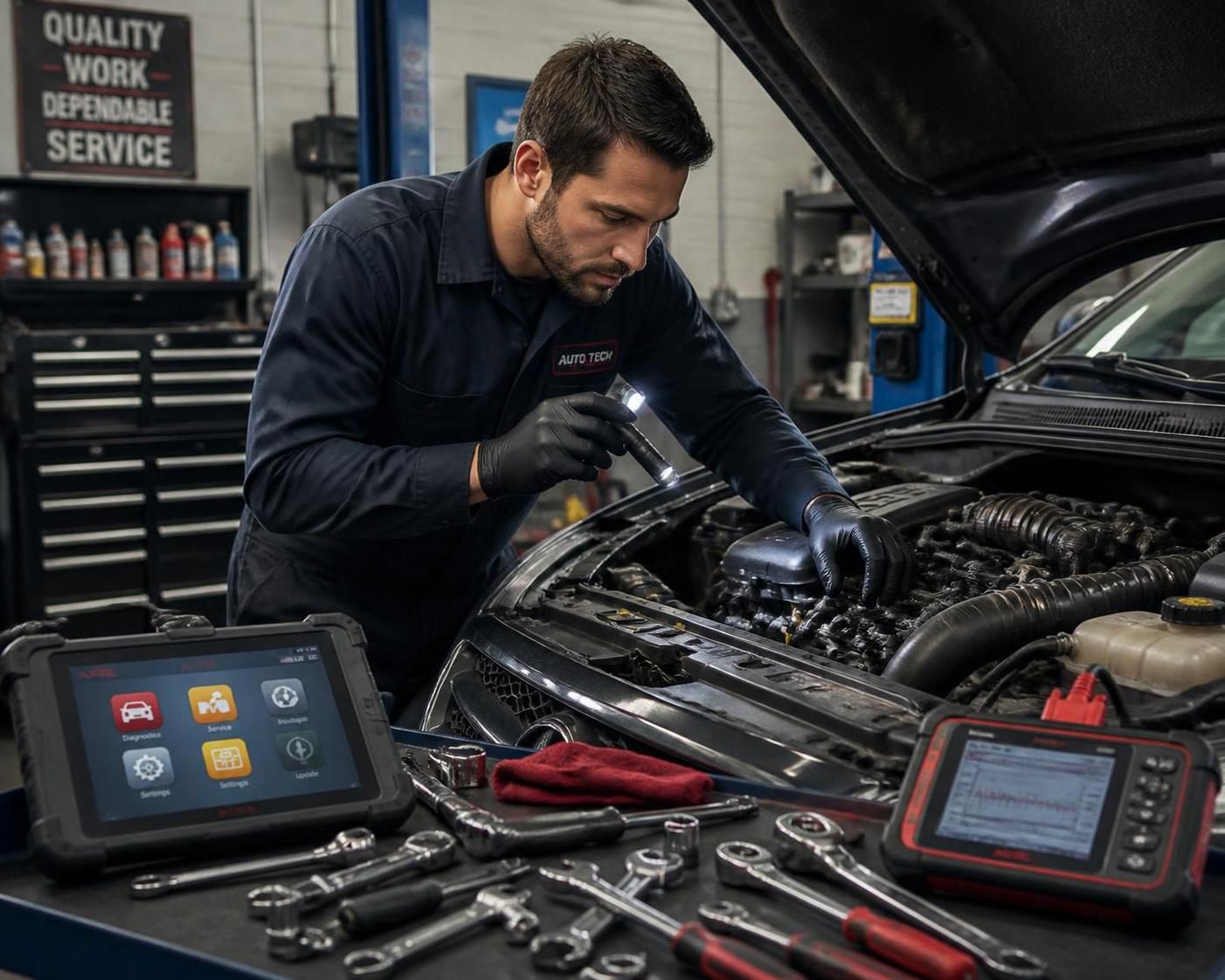
The timing and location of a car revision weigh heavily on both vehicle longevity and the car service pricing. Most gasoline vehicles should undergo a revision every 15,000 to 20,000 km or annually, while diesels benefit from slightly longer intervals of 20,000 to 30,000 km due to differences in engine design and fuel system complexities.
Electric cars, now widespread by 2026, require far fewer interventions, with revisions typically every 30,000 km focusing on brake systems and battery cooling. This results in considerably reduced auto maintenance 2026 costs by cutting out oil changes, timing belts, and other combustion-engine specific parts.
Choosing the right workshop is crucial. Despite common beliefs, servicing outside the manufacturer’s dealership does not void the vehicle’s warranty, thanks to European regulation CE 461/2010. Independent garages certified by recognized networks (such as AD, Bosch Car Service, or Midas) offer competent service with genuine or equivalent parts at a notably reduced rate compared to official concessionaires.
Here is a comparative breakdown of typical hourly labor rates in 2026:
| Service Provider | Average Hourly Rate (€) | Key Advantage | Potential Drawback |
|---|---|---|---|
| Official Dealership | 80 – 130 | Brand expertise, original parts, warranty compliance | Premium pricing, longer wait times |
| Auto Centers (Norauto, Feu Vert, Midas) | 55 – 85 | Transparent pricing, promotional offers | Variable expertise, possible less specialization |
| Independent Labellized Garages | 45 – 85 | Cost-effective, personalized service | Variability in equipment and parts used |
Vehicle owners should always ask for a written quote prior to service, detailing included operations and parts, which helps avoid unexpected fees. Transparency with your garage establishes trust and ensures that budget expectations are managed realistically.
Additional savings can be made by procuring some parts independently from trusted suppliers and presenting them to your garage—this strategy is accepted by many garages and can reduce vehicle inspection cost effectively. Regular maintenance like tire pressure, fluid top-ups, and visual brake checks between revisions can also minimize repair risks and related expenses.
Ignoring the prescribed service intervals can have profound repercussions on vehicle performance, safety, and overall automobile revision fee. Regular revision acts as a safeguard against potentially expensive breakdowns and diminished resale values.
Key warning indicators on your dashboard to heed include:
Other symptoms like decreased engine power, unusual fuel use, soft or spongy brakes, metallic brake noises, and colored smoke from the tailpipe reflect deeper issues. For instance, blue smoke often signals oil combustion due to faulty seals or piston rings, resulting in costly repairs if untreated.
Delaying a timely revision, especially one including the replacement of essential parts like timing belts, risks catastrophic engine damage. In practical terms, neglecting a 120,000 km timing belt replacement on a popular model can lead to a bill of 1,500€ or more to repair a broken engine, against only 400€ spent proactively.
These considerations emphasize why the upfront investment in revision, averaging 150€ to 350€, often prevents service bills soaring beyond 1,000€ for neglected repairs.
For in-depth guidance on interpreting fault codes and performing diagnostics, it is advisable to consult resources like expert diagnostic tool guides which assist in informed decision-making before committing to extensive repairs.
Essential Tools and Preparation for a Quick and Easy Car Oil Change Performing a car oil change at home is one of…
Lire l’article →
Understanding Shock Absorber Replacement Cost in 2026 Replacing shock absorbers is essential for maintaining vehicle safety and ride comfort. In 2026, the…
Lire l’article →
Understanding When to Perform a Car Oil Change: The Fundamentals of Timing and Frequency Determining the optimal moment for a car oil…
Lire l’article →