
Comment choisir un bon garage pour entretenir votre voiture
Identifier un garage fiable grâce à la transparence des prix et des devis Lorsqu’il s’agit de choisir un garage pour l’entretien de…
Lire l’article →
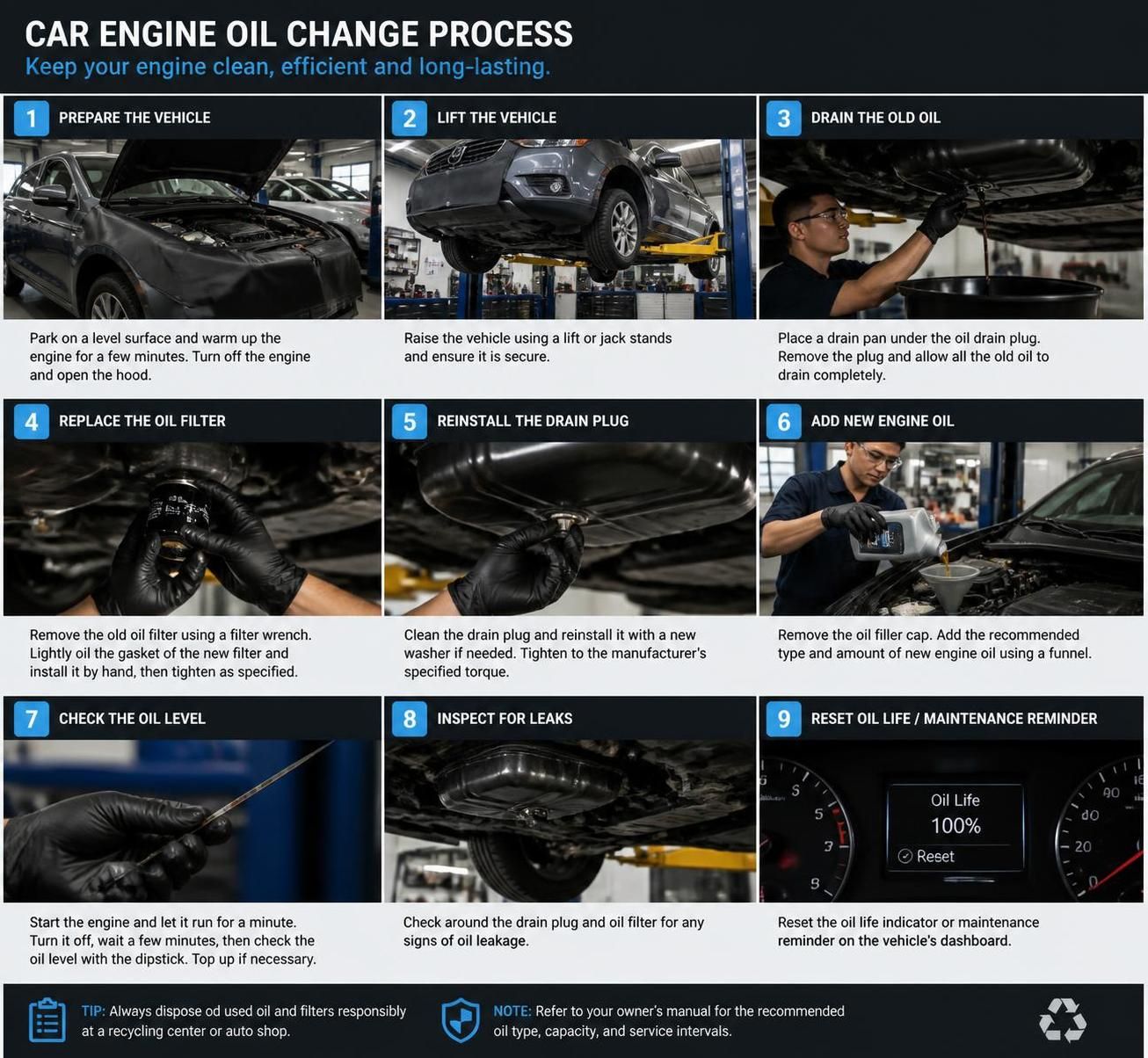
Determining the optimal moment for a car oil change is essential in maintaining engine health and ensuring reliable vehicle performance. For many drivers, the traditional notion of changing oil every 12 months or every 15,000 kilometers still persists as gospel. However, automotive advances and diverse driving patterns have rendered such generalized recommendations outdated. Instead, the question of when to change oil is now influenced by nuanced factors like driving style, engine type, and environmental conditions.
At the core, engine oil replacement is indispensable because it lubricates moving parts, reduces friction, and carries away heat and contaminants. Over time, oil deteriorates chemically and physically, losing its viscosity and protective additives. These changes compromise its ability to guard critical engine components from wear and damage.
The prevalent old school advice assumes a uniform driving scenario, but the reality is more complex. For example, a driver who regularly tackles long highway trips challenges their engine differently compared to one confined to short urban errands. The latter experiences what specialists call incomplete heating cycles, leading to a problematic condition in the oil known as dilution. This occurs when unburned fuel seeps into the oil, significantly reducing lubrication efficiency.
Moreover, advancements in engine and oil technology add layers of complexity. Premium synthetic oils with advanced additive packages permit longer intervals between changes, sometimes reaching 20,000 to 30,000 kilometers under ideal conditions. However, these intervals are not automatic prescriptions. They require adjustment based on real-world usage for sound vehicle maintenance planning.
In practice, understanding the correct oil change schedule starts with consulting the vehicle’s manual for manufacturer recommendations, but it should not stop there. Experienced technicians stress individualization of maintenance plans. This tailored approach ensures protection against costly engine breakdowns and preserves performance.
For drivers eager to deepen their knowledge, extensive resources like reliable guides on when to schedule oil changes provide thorough explanations adjusted to various vehicle models and usage patterns. Proper timing not only prevents premature engine wear but can also optimize fuel consumption and reduce emissions, aligning well with contemporary automotive care principles.
Vehicle maintenance demands an accurate assessment of how the car is used. An unvarying car service intervals approach ignores the different conditions under which engines operate. Urban drivers, for example, repeatedly encounter cold starts and stop-and-go traffic that prevent the engine from reaching optimal operating temperatures.
One of the critical consequences of such conditions is the aforementioned oil dilution effect, where traces of unburned gas mix with engine oil. This phenomenon seriously diminishes the oil’s viscosity, transforming it into a thinner lubricating liquid unable to protect vital components such as turbochargers or connecting rod bearings. The risk of accelerated engine wear is therefore heightened, emphasizing the need for shorter oil change intervals.
Diesel engines introduce additional complexity. Modern diesel cars are often equipped with Diesel Particulate Filters (DPF) that regularly initiate regeneration cycles injecting extra fuel to burn soot emissions trapped in the filter. Interrupting these regeneration processes – typical in short city journeys lasting under 15 minutes – results in fuel mixing with the lubricant. This not only contaminates the oil but also accelerates its degradation.
Owners of diesel vehicles must therefore rethink timing oil change strategies. Expert advice suggests reducing the mileage between oil changes compared to gasoline counterparts. Detailed guidance specific to diesel engines can be found at specialized resources such as diesel oil change intervals reflecting best practices based on engine design and local traffic conditions.
In contrast, gasoline or hybrid vehicles operate under different mechanical dynamics. The recent surge in hybrids entails new challenges. Their internal combustion engines often work less continuously and experience frequent cold starts, causing rapid oil aging. The use of special engine oils containing additives designed for high performance under these conditions is mandatory to prevent premature wear.
Consequently, for drivers of urban vehicles, hybrids, or diesel models, reliance solely on distance-based intervals undermines the integrity of automotive care. Understanding and adapting to environmental and operational factors deliver the best protection against costly repairs.
Sometimes, the most reliable trigger to plan an oil change is diagnostic signs from the vehicle itself, beyond mileage charts. An illuminated oil warning light on the dashboard signals immediate attention is required. Far from being a minor alert, it often points to dangerous oil levels or severe degradation impacting engine safety.
Besides dashboard indicators, drivers should look for other symptoms:
Routine weekly checks of oil levels using a dipstick provide crucial early warning without reliance on electronic sensors, which can sometimes delay alerting drivers to progressive issues. This simple maintenance habit, integrated within a broader car maintenance guide, enhances engine longevity and helps avoid unexpected breakdowns.
Strategically, maintaining an oil change reminder through smartphone applications or service reminder systems embedded in vehicles ensures compliant car service intervals. These systems are great for monitoring timing, yet they should be supplemented with personal vigilance regarding the vehicle’s physical state.
For more detailed insights into identifying oil-related problems and appropriate service responses, articles such as those found on Speedy France’s blog provide practical advice tailored to diverse driving contexts and car models.
Delaying an oil change beyond recommended intervals is a costly gamble. While catastrophic engine failure is not usually immediate, continuous use of degraded oil leads to internal deposits and sludge formation. These deposits clog oil passages and reduce lubrication quality, severely stressing engine parts.
Turbocharged engines are particularly vulnerable. The turbo shaft spins extremely fast — over 200,000 rotations per minute — and requires clean, viscous oil to maintain minimal friction. Poor lubrication causes increased bearing clearances, leading to higher oil consumption and eventual turbo failure, often resulting in repair costs that can run into thousands of euros.
Financially, the paradox is clear: neglecting scheduled oil changes to save on short-term expenses commonly leads to expensive repairs and downtime. The cost of a routine oil change remains one of the best investments in long-term vehicle preservation.
Below is a comparative table outlining potential costs related to oil changes and neglect consequences:
| Maintenance Action | Typical Cost (Euros) | Potential Risks | Long-Term Savings |
|---|---|---|---|
| Regular Oil Change (Every 10,000-15,000 km) | 50 – 120 | Minimal | Extends engine life, lower repair bills |
| Delayed Oil Change (>30,000 km or >1 year) | 50 – 120 | Increased engine wear, sludge buildup | None, risk of costly breakdowns |
| Turbocharger Repair | 800 – 2500 | Failure due to poor lubrication | Prevention via regular oil change |
| Engine Overhaul | 2000 – 5000+ | Severe wear or breakdown | Preventable with scheduled oil changes |
Budget-conscious drivers should view engine oil replacement as a fundamental aspect of vehicle care, ensuring their investment is protected while avoiding the pitfalls of deferring essential maintenance. For accurate service cost estimates and tailored advice, consulting reliable local professionals like the team at Garage Crauzaz Nurieux offers peace of mind.
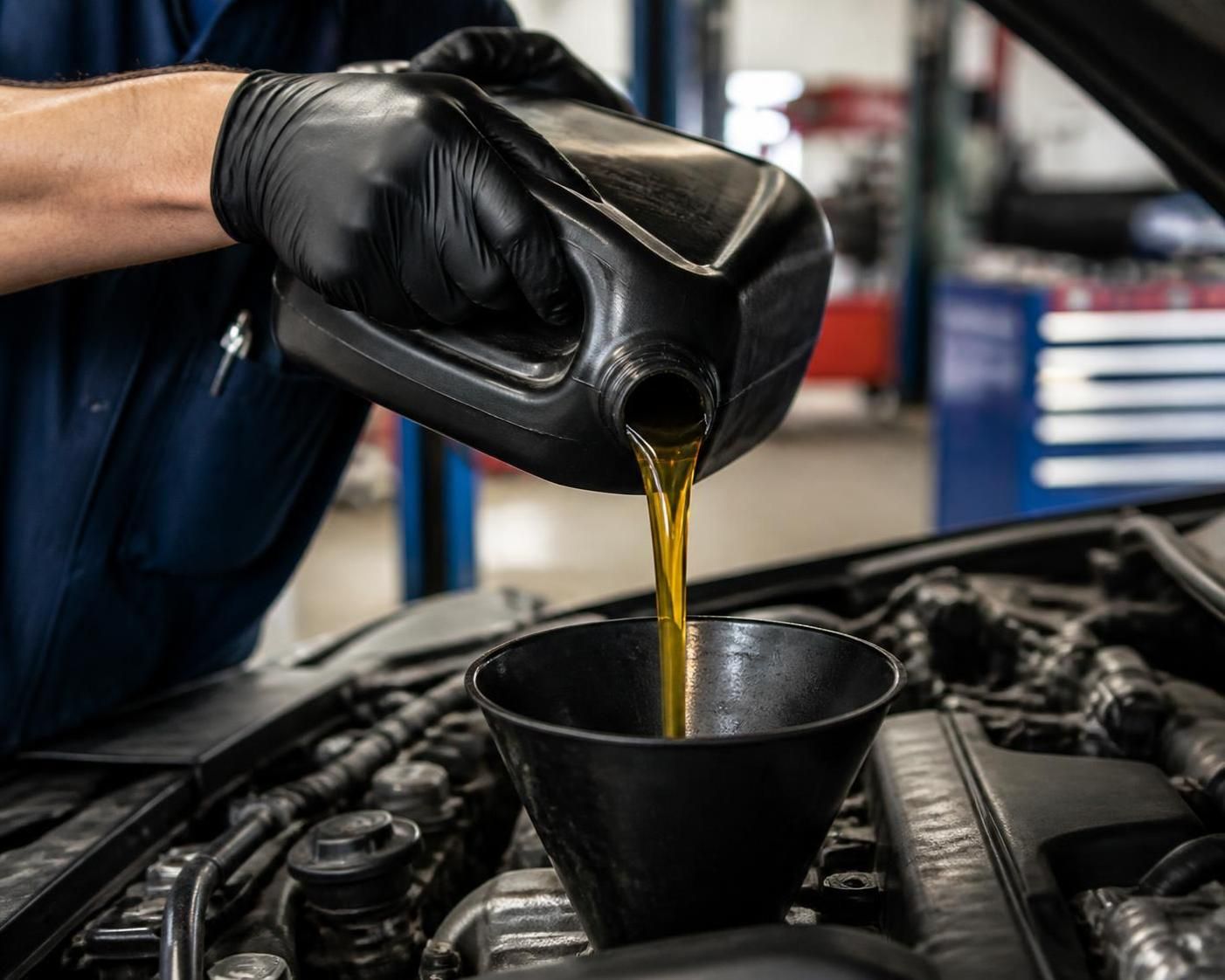
With increasing vehicle complexity and sensitivity to lubrication quality, 2026 underscores the necessity for a refined approach to oil change scheduling. Manufacturers and professional garages now advocate for maintenance plans adjusted to contemporary driving realities rather than arbitrary timelines.
Before undertaking any long-distance journey, especially under demanding conditions like summer heat or winter cold, vehicle owners are advised to verify oil levels and the date of their last oil change. If the interval is approaching within 2,000 kilometers or less, scheduling a service beforehand can prevent mechanical stress during the trip.
Modern vehicles’ onboard systems use sensors and algorithms to track driving habits and notify drivers of impending maintenance needs, effectively optimizing the oil change reminder. Yet, integrating such digital aids with practical checks and professional consultations remains crucial for successful automotive care.
Outlined below is a practical checklist for timely oil changes based on driving behaviors, engine types, and environmental factors:
Adopting this approach is in line with expert automotive advice found on specialized platforms like AD France’s maintenance guides, offering comprehensive insights on how to maintain engine health effectively.
Ultimately, the question “when to perform a car oil change” must evolve from age-old rules into an ongoing, attentive practice. Doing so guarantees that motorists benefit from optimal engine performance and the best value for their car maintenance budget.

Identifier un garage fiable grâce à la transparence des prix et des devis Lorsqu’il s’agit de choisir un garage pour l’entretien de…
Lire l’article →
Comprendre l’importance du suivi entretien voiture pour garantir sa longévité Dans la gestion quotidienne de votre véhicule, le suivi entretien joue un…
Lire l’article →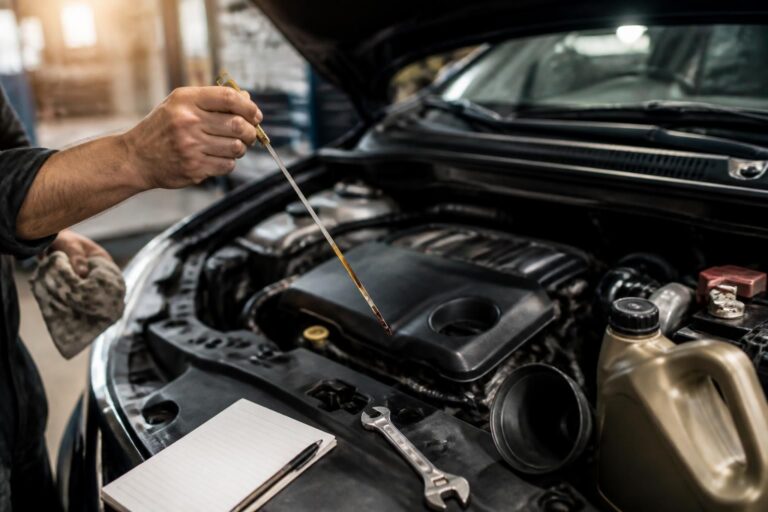
Les signes visibles et ressentis indiquant qu’une vidange est nécessaire Conduire une voiture en bon état passe inévitablement par un entretien régulier,…
Lire l’article →