
Combien de temps dure un diagnostic voiture et comment se déroule-t-il
Understanding the Typical Car Diagnostic Duration and Its Influencing Factors When addressing the question of how long car diagnosis takes, it’s important…
Lire l’article →
A car diagnostic is an essential service in automobile maintenance, designed to detect issues that compromise vehicle safety, performance, and reliability. In 2026, the car diagnostic price varies widely due to factors such as the type of diagnostic requested, vehicle complexity, and the service provider’s location. This procedure often utilizes advanced electronic tools to read error codes from the vehicle’s onboard computer, complemented by a professional mechanic’s expertise during a physical inspection. Recognizing the range of services available and their corresponding costs helps vehicle owners anticipate expenses and make informed decisions.
The simplest intervention is the basic electronic diagnosis, where a diagnostic scan tool connects to the vehicle’s OBD-II port to retrieve stored error codes. This step typically costs between €18 and €60 and takes about 15 to 20 minutes. It helps identify common faults such as engine misfires or sensor failures. This type of service is useful for immediate troubleshooting when a dashboard warning light appears or if unusual noises surface during driving.
Moving beyond basic diagnostics, mechanical diagnostics delve deeper into the tangible components of the vehicle: brakes, suspension, transmission, and engine parts. A qualified mechanic performs an auditory and visual inspection to detect issues not evident in electronic error codes. This thorough examination generally ranges from €60 to €100 and requires 30 to 60 minutes to complete. It suits vehicles whose issues are likely mechanical or intermittent and undetectable by electronic scanners alone.
The most comprehensive option is the full or integral diagnostic, combining both electronic scanning and mechanical verification, along with specialized tests such as exhaust gas analysis or wheel alignment checks. It is typically reserved for high-tech or premium vehicles requiring multi-system analysis. The cost for such a service can reach up to €200 or more, reflecting the extended time and complexity of the testing involved—often spanning 1 to 2 hours or more.
For motorists seeking a precise understanding of their vehicle’s condition, knowing the distinctions between these diagnostics is crucial. A basic scan might detect an engine warning light, but only a complete diagnostic can determine whether there is a failing sensor or a deeper mechanical fault requiring repair.
Further insight into pricing and service details can be found by consulting trusted sources such as garage expert advice or industry reviews on typical diagnostic pricing structures.
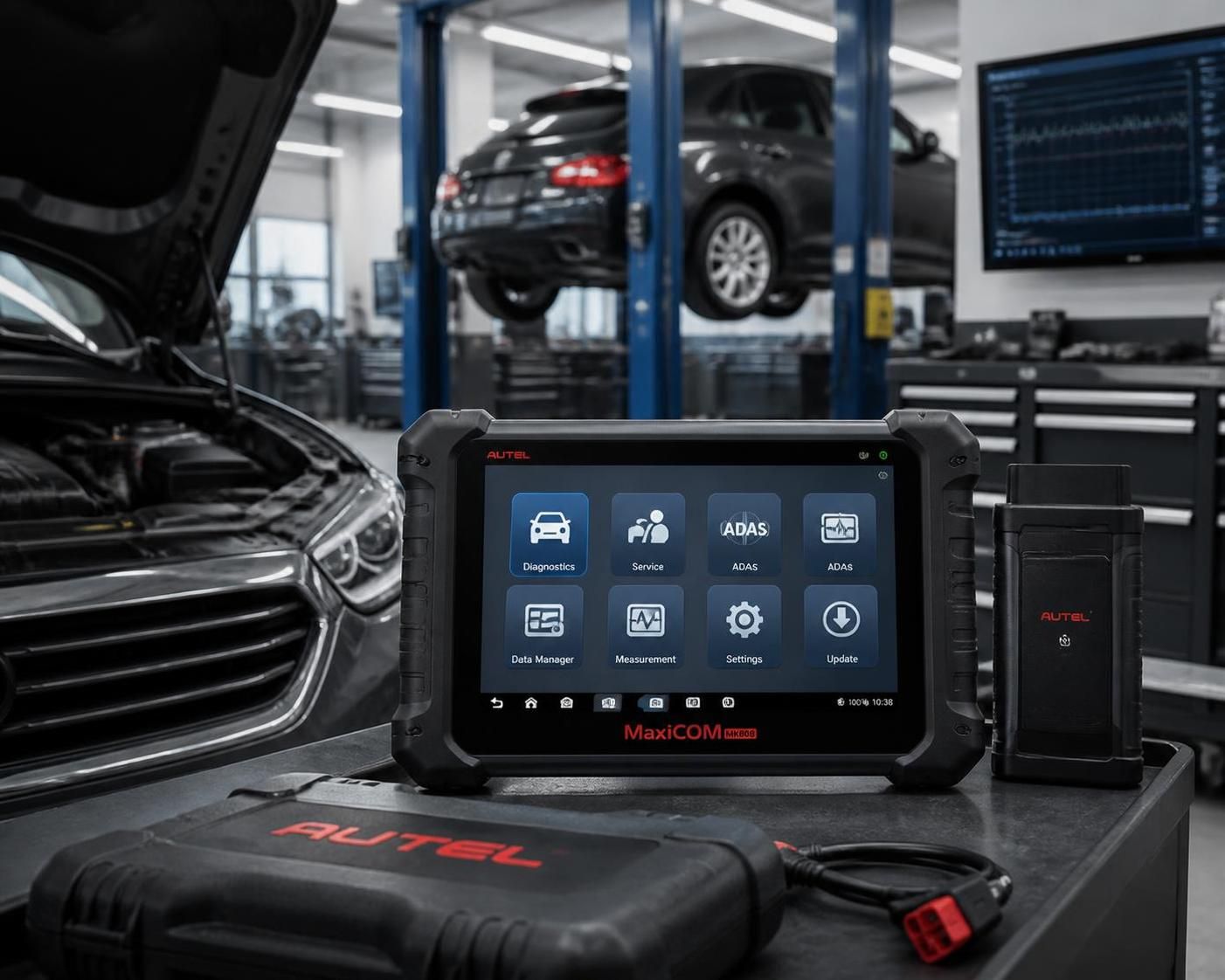
Cost variability in vehicle diagnostics is influenced by a matrix of elements reflecting the complexity of the work, geographical location, and type of service provider. Understanding these factors demystifies why vehicle diagnostic fees may differ widely between garages and helps consumers avoid unexpected expenses.
The brand and sophistication of a vehicle play significant roles in determining the diagnostic test price. Luxury and high-performance cars often require diagnostics with manufacturer-specific tools and software, increasing labor time and instrument costs. For example, diagnosing an advanced hybrid or electric vehicle with complex integrated systems for battery management or ADAS (Advanced Driver Assistance Systems) involves technology and training investments not typical for more common vehicles.
Specialized diagnostic devices used by dealerships are regularly updated to handle the latest vehicle technologies. These specialized services can be priced between €150 and €300 or higher, reflecting both the complexity and exclusivity of the diagnostic process.
The setting where diagnostics are performed greatly affects the price. Independent garages tend to offer competitive rates, balancing skilled labor with cost efficiencies. In contrast, dealerships and branded service centers often charge premium rates justified by access to proprietary diagnostic tools and manufacturer support.
Urban garages typically have higher vehicle diagnostic fees due to overhead expenses compared to those in less populated areas. This regional disparity underscores the importance of shopping around and requesting detailed quotes to ensure fair pricing aligned with service expectations.
The nature of the fault dictates the diagnostic approach and duration. Simple electronic scans for error codes are quick and affordable, but diagnosing intermittent or multi-system failures requires extensive testing, road simulations, or component-by-component checks, which increase both labor hours and costs.
Choosing a diagnostic service aligned with the vehicle’s symptoms is essential to avoid overpaying for unnecessary services or underdiagnosing an issue that could lead to costly repairs down the line.
In 2026, car inspection prices and diagnostic test fees vary widely but can be grouped into clear categories based on the depth and tools involved. The following table presents a structured overview of typical pricing brackets and expected service durations.
| Type of Diagnostic Service | Description | Price Range (€) | Estimated Duration | Included Services |
|---|---|---|---|---|
| Basic OBD-II Code Reading | Connection to vehicle’s OBD port for immediate error code retrieval | 30 – 60 | 15–20 minutes | Error code reading without extensive troubleshooting |
| Standard Electronic Diagnostic | Error code reading plus expert interpretation and visual inspection | 70 – 110 | 30–45 minutes | Diagnostic scan with mechanic’s assessment |
| Mechanical Inspection | Auditory and visual checks of main components (engine, brakes, suspension) | 90 – 150 | 30–60 minutes | Component condition assessment and issue identification |
| Full Comprehensive Diagnostic | Multi-system electronic and mechanical tests including emissions and alignment | 150 – 250+ | 1–2 hours or more | Complete vehicle health check with advanced diagnostic technology |
This detailed pricing snapshot enables vehicle owners to assess which diagnostic service matches their budget and needs. Transparency in pricing is essential to build trust and avoid unexpected costs post-inspection. For further insights on car diagnostic pricing trends, consult specialized pricing guides or industry expert analyses.
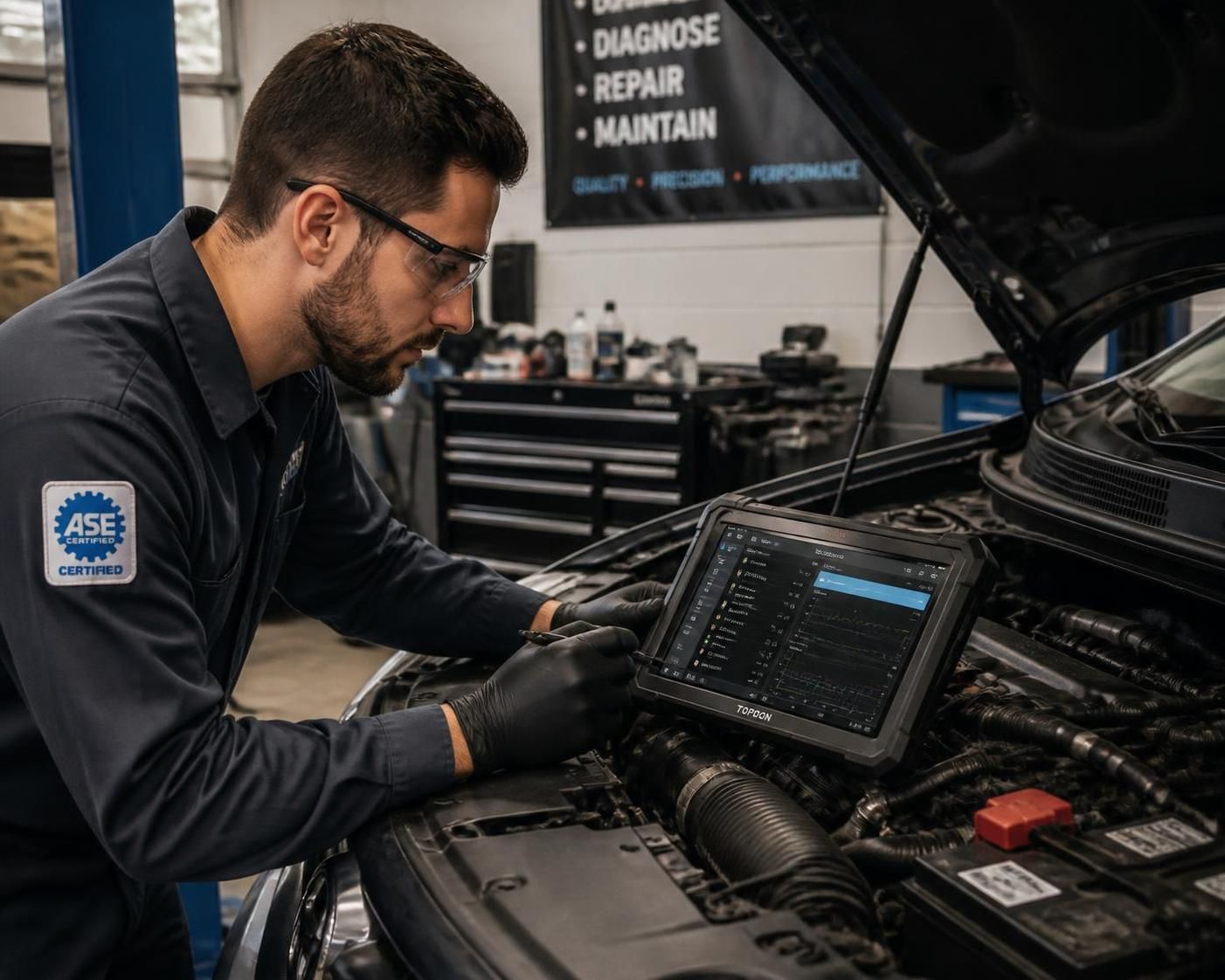
Selecting the appropriate garage to carry out a car diagnostic is critical for receiving accurate and reliable results. A professional, reputable workshop guarantees that the auto diagnostic service fee corresponds to a thorough and precise check-up rather than a quick scan.
Vehicle owners should avoid basing their decision solely on the price or speed of service. Instead, consider these criteria to make the best choice:
Garages operating in urban centers may charge a premium but often offer access to manufacturer-specific diagnostics and continued technician training. On the other hand, independent garages can provide quality diagnostics at more competitive rates with personalized service. For guidance on finding trustworthy service centers, the website Garage Crauzaz Nurieux’s pricing advice offers local recommendations and user testimonials.
For complex faults or vehicles with advanced systems, requesting a diagnostic estimate upfront ensures clarity on costs. Often, garages provide fixed-price diagnostics or bundled packages combining diagnosis and repair.
This proactive approach helps vehicle owners manage their budgets effectively while maintaining vehicle safety and performance.
Undertaking a comprehensive diagnostic in a timely manner translates into significant benefits beyond immediate repair needs. Reliable vehicle diagnostics safeguard the car owner’s investment, improve road safety, and contribute to environmental sustainability.
A precise car error diagnosis 2026 enables mechanics to catch faults before they escalate into serious breakdowns, reducing downtime and the risk of accidents. According to recent automotive studies, vehicles regularly subjected to complete diagnostics can extend their service life by up to 30%, reflecting improved upkeep and maintenance planning.
Additionally, thorough diagnostics help optimize fuel consumption by ensuring efficient engine operation and detecting issues such as clogged injectors or faulty sensors early on. This optimization aligns with increasingly strict emission regulations across Europe, fostering responsible motoring.
Preventative diagnostics also offer financial advantages:
In 2026, with evolving automotive technologies, investing in quality diagnostics is a prudent strategy for all vehicle owners. Choosing between various diagnostic options depends on understanding the balance between initial spending and long-term cost savings.
Understanding the Typical Car Diagnostic Duration and Its Influencing Factors When addressing the question of how long car diagnosis takes, it’s important…
Lire l’article →
Understanding What a Car Diagnostic Scanner Is and How It Transforms Vehicle Maintenance In the realm of automotive repair and maintenance, the…
Lire l’article →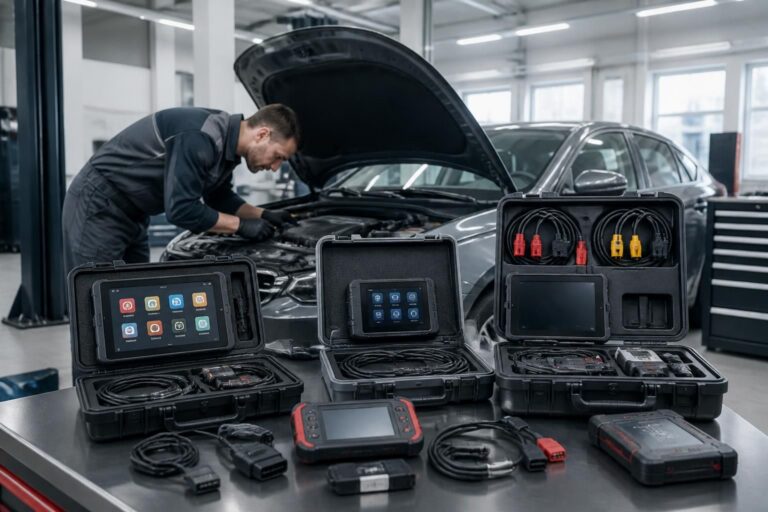
Understanding Different Types of Car Diagnostic Tools for Effective Vehicle Diagnostics In the realm of modern auto repair tools, choosing the right…
Lire l’article →