
meilleure valise diagnostic auto multimarque en 2020 : guide et comparatif
Key Features and Criteria for Selecting the Best Multibrand Car Diagnostic Tool 2020 In the world of automotive repair and maintenance, choosing…
Lire l’article →
As the complexity of automotive technology continues to evolve rapidly, choosing the best car diagnosis tool has become more critical than ever for effective vehicle maintenance. Modern cars are equipped with multiple electronic control units (ECUs), sensors, and modules that communicate through advanced protocols like CAN-FD and DoIP. These systems require sophisticated vehicle diagnostic tools capable of reading and interpreting an extensive range of fault codes beyond simple engine diagnostics.
In 2026, it is no longer adequate to rely on basic code readers. Progressive auto diagnostic 2026 devices offer multi-system diagnostics, real-time data visualization, and troubleshooting features that empower vehicle owners and mechanics alike. Whether it’s identifying emissions issues, ABS malfunctions, or airbag faults, the insights provided by these tools can save time, reduce repair costs, and improve vehicle safety.
For instance, advanced diagnostic devices such as the Autel MaxiCom MK900BT or the Launch CRP123E V2 are renowned for their versatility covering over 80 automobile brands with several key maintenance services included. This means users can manage everything from fault code reading to service resets (oil, brake, TPMS) and even partial ECU coding for certain models.
The importance of investing in reliable car maintenance tools cannot be overstated. A good diagnostic device not only facilitates immediate troubleshooting of unexpected vehicle issues but also allows proactive maintenance through periodic system health checks. This proactive approach helps prevent costly breakdowns and maintains optimal vehicle performance.
Choosing the right tool depends heavily on the vehicle model, the complexity desired, and frequency of use. Independent workshops tend to prefer multifunctional diagnostic suites with programming capabilities, while motorists often benefit from user-friendly, portable scanners for basic fault detection and clearing.
This article will navigate through the defining features to consider, comparisons among top-tier products, common mistakes to avoid, and practical advice to maximize the effectiveness of your vehicle health check regime in 2026.
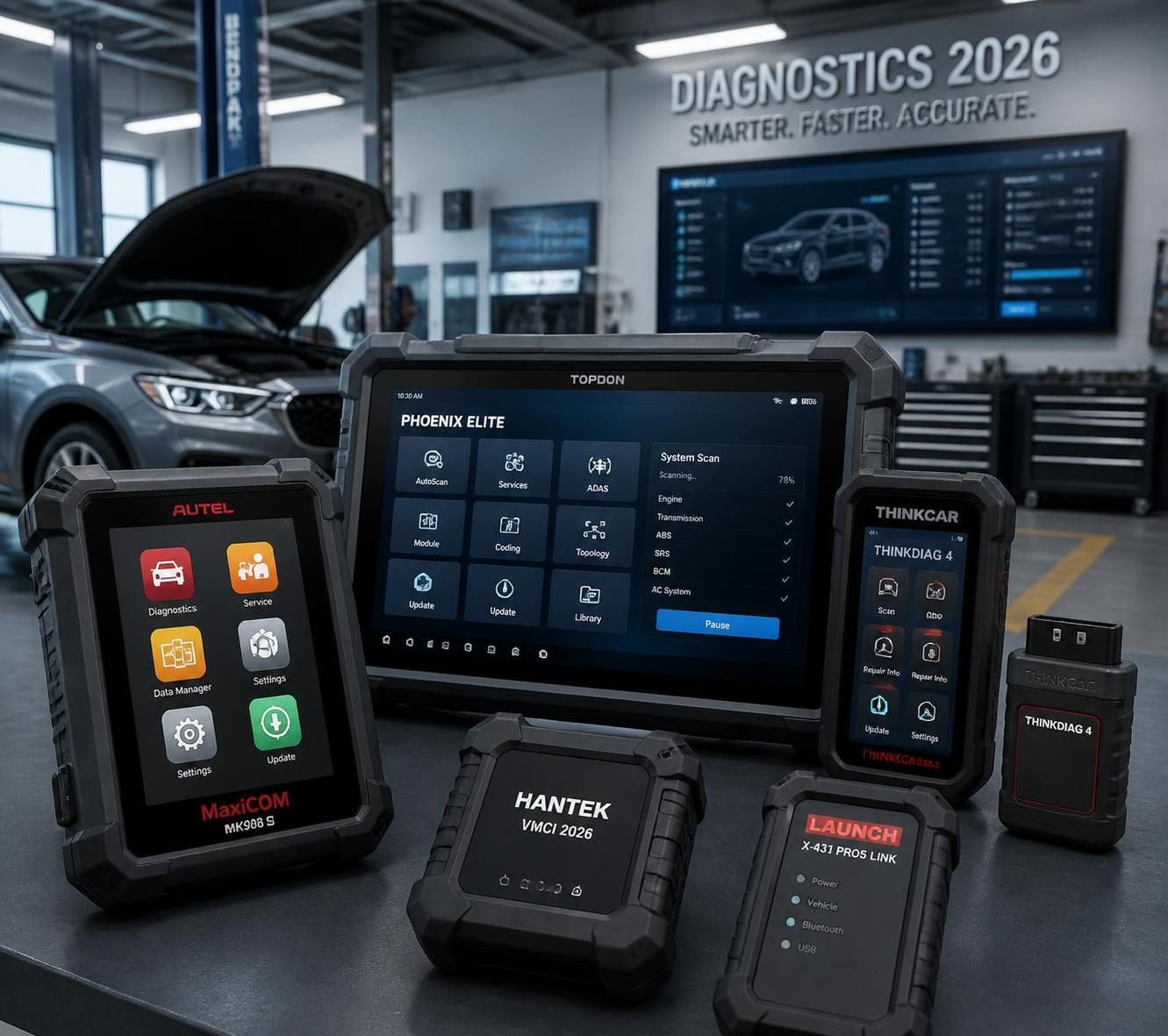
Understanding the array of features available in diagnostic devices 2026 is essential before selecting the best auto scan tool for your needs. Here are the pivotal aspects that influence performance, user experience, and compatibility:
A common pitfall is choosing a diagnostic tool without verifying its compatibility with your car. Most vehicles manufactured after 2002 (gasoline) and 2004 (diesel) possess an OBD2 port. However, the key is to select multibrand diagnostic devices that support your vehicle’s protocols and electronic systems.
Advanced scanners like the TOPDON AD600S support over 90 brands including diesel, petrol engines, SUVs, and light trucks, while devices specialized for brands like BMW or Mercedes (such as iCarsoft) offer deeper system integration tailored to that single marque’s proprietary codes.
Note that electric and hybrid vehicles require tools compatible with high voltage battery management systems. Only high-end scanners with protocols such as J2534 are capable of accessing these advanced systems fully.
Basic readers focus on engine fault codes and can clear dashboard warning lights, but this represents just a fraction of what car diagnostic technology can do today. Modern tools include:
Devices like the Autel MaxiSys MS906 Pro-TS offer not only diagnostics on more than 80 brands but also advanced ECU coding and programming functions essential for professional workshops.
For non-professionals or part-time hobbyists, simplicity matters. Choose diagnostic tools with intuitive interfaces, clear display screens, multilingual menus (often including French for local users), and guided diagnostics to help identify issues quickly. A portable autonomous device with built-in screen (like Foxwell NT301) can be more convenient than Bluetooth dongles which rely heavily on third-party smartphone applications.
Vehicle technology evolves yearly, demanding regular software updates to ensure compatibility with new models and error codes. Many top devices offer free lifetime updates (Launch CRP123E V2), while others require annual subscriptions (Autel MaxiCom), which should be factored into the total cost of ownership. Prioritize tools that guarantee sustained support and data accuracy.
Bluetooth dongles paired with smartphone apps provide convenient, compact solutions for quick car fault detection. However, they often have limited capabilities compared to standalone scanners with LCD screens. Professional environments lean towards full diagnostic workstations, while commuters or occasional users benefit from dongles like the Vgate iCar Pro.
For a detailed buyer’s guide and comparisons of the best devices on the market, platforms like Garage Crauzaz Nurieux’s article on diagnostic tools selection provide valuable insights.
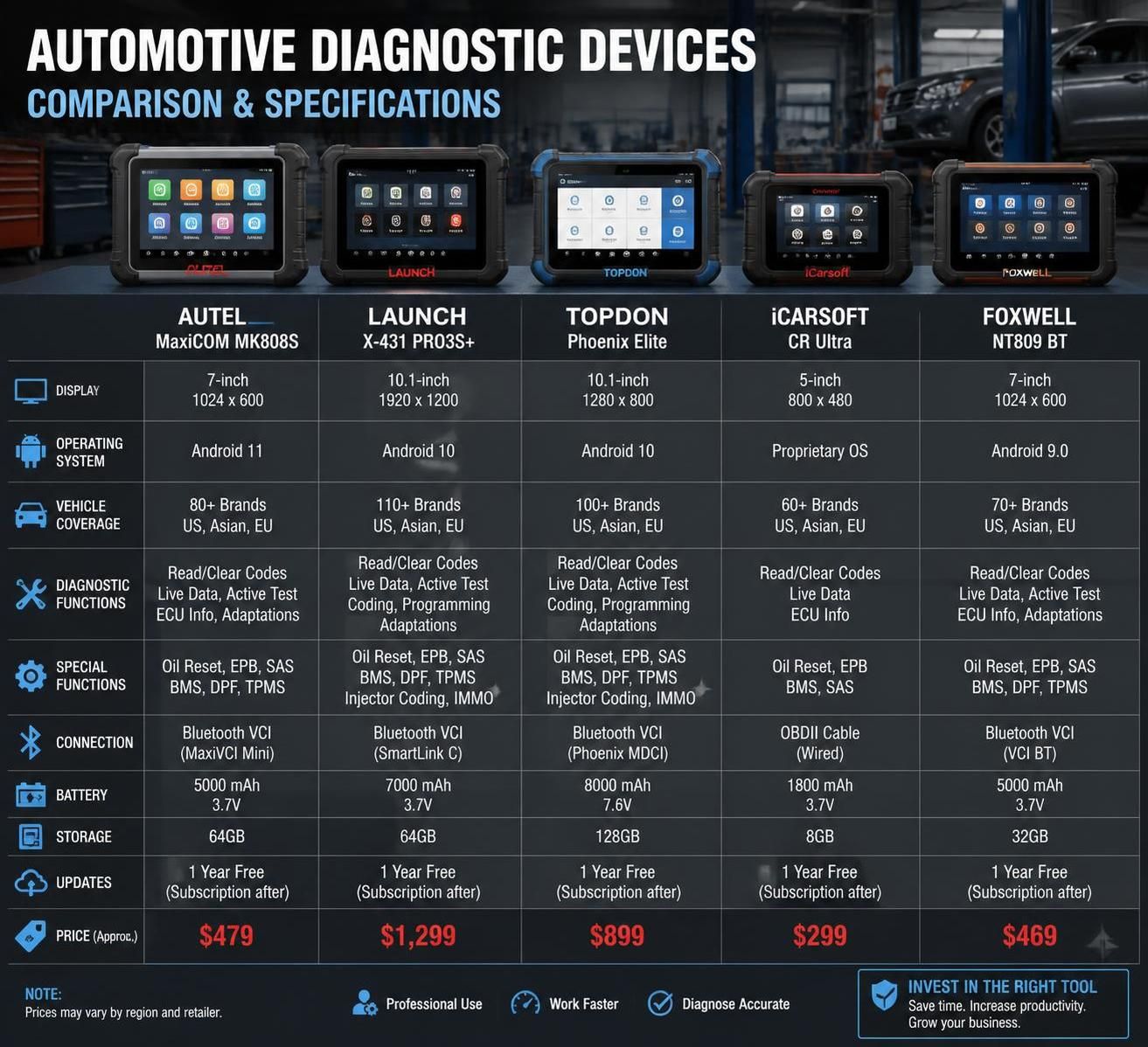
| Model | Compatibility | Functions | Display | Price Range | Update Policy |
|---|---|---|---|---|---|
| Autel MaxiCom MK900BT | 80+ Brands, Multisystem | 28 Service Functions, ECU Coding | 7″ Android Touchscreen | ~€629 | 1 Year Free, then ~€125/year |
| Launch CRP123E V2 | 60+ Brands Multisystem | Engine, Transmission, ABS, Airbag | 5″ Color LCD | ~€165 | Free Lifetime Updates |
| Foxwell NT301 | All OBD2 Vehicles | Engine Codes & Live Data | 2.8″ LCD | ~€55 | Free Updates via USB |
| TOPDON AD600S | 90+ Brands | Multi-System Diagnostics, 10 OBD2 Modes | Color LCD | ~€250 | 1 Year Included |
| Vgate iCar Pro Bluetooth 4.0 | All OBD2 Vehicles | Depends on App (EOBD Facile recommended) | Smartphone Screen | ~€35 | App Updates |
Refer to the comprehensive assessments on Meilleurs diagnostic tools for a thorough understanding of functionalities and user feedback for each device above.
Even the best vehicle troubleshooting gadgets can be misused or selected poorly, leading to wasted investment and unresolved vehicle issues. Here’s a look at frequent errors encountered by motorists and technicians:
Many inexpensive knock-off ELM327 dongles flood the market, often priced below €15. These devices suffer from unstable communication, poor signal integrity, and incompatibility with newer vehicle protocols like CAN-FD and DoIP. Such faults can corrupt ECU data or fail to detect critical problems. It is advisable to invest in recognized brands such as Vgate, OBDLink, or Foxwell, which offer genuine chips and reliable performance.
A common mistake is assuming that all OBD2 tools cover every vehicle system equally. Proprietary manufacturer diagnostics remain essential for features like ECU programming and advanced service resets. For specific makes like BMW or Mercedes, specialized valises or software are recommended for a thorough reading to avoid partial or inaccurate fault detection.
Erasing codes after a fault repair is often necessary to clear the warning light. However, simply deleting fault codes without addressing the underlying problem leads to persistent issues and potential safety hazards. Use diagnostic readings as a guide for repair, and only clear codes when the repair is complete and verified.
Vehicle systems evolve yearly. Diagnostic devices without up-to-date software risk missing new fault codes. Users should ensure the device is regularly updated, either via Wi-Fi or USB connections, to maintain accuracy in car maintenance tools usage.
Connecting the diagnostic tool improperly, such as plugging in without turning the ignition on or removing the device abruptly, can cause communication errors or electrical malfunctions. Follow the manufacturer’s instructions precisely, usually requiring ignition ON but engine OFF during connection.
For detailed advice on safe and effective auto scan tool usage, the tutorial section on Garage Crauzaz Nurieux’s guidelines offers practical steps to avoid these common pitfalls.
Once equipped with the correct device, understanding how to leverage its capabilities fully is crucial to ensure a productive vehicle health check and maintenance strategy. Here are recommendations for routine and advanced use:
Performing routine vehicle scans, even when no dashboard warning lights are visible, is a smart preventive measure. It allows early detection of sensor degradation or system irregularities, which otherwise might escalate into expensive repairs. This is especially true for components related to emissions and safety systems.
Learning to read diagnostic codes and analyze live data streams empowers users to distinguish between minor faults and critical problems. Simple codes like P0300 (random misfire) can have multiple causes such as spark plugs, injectors, or fuel delivery. Being able to pinpoint these factors is valuable before ordering parts or consulting a mechanic.
Some diagnostic tools include service reset features that assist in maintenance tasks. For example, the ability to reset oil life monitors or calibration of newly replaced brake pads ensures the vehicle’s ECU reflects accurate service status, preventing unintended warning lights and maintaining warranty conditions.
While modern car fault detection devices handle most maintenance tasks, some repairs require expert knowledge or tools, particularly ECU reprogramming or complex sensor recalibrations. In such cases, diagnostics can help define the scope clearly, but entrusting the repair to a qualified garage avoids unnecessary mistakes.
Diagnostic tools can serve reliably for many years. A strategic purchase aligned with the expected use, vehicle type, and upgradeability ensures value over time. Workshops often select scalable systems with extended support to adapt to evolving car technologies.
For expanding knowledge on maximizing your diagnostic tool usage, detailed articles such as best diagnostic practices in 2026 offer professional insights.
Key Features and Criteria for Selecting the Best Multibrand Car Diagnostic Tool 2020 In the world of automotive repair and maintenance, choosing…
Lire l’article →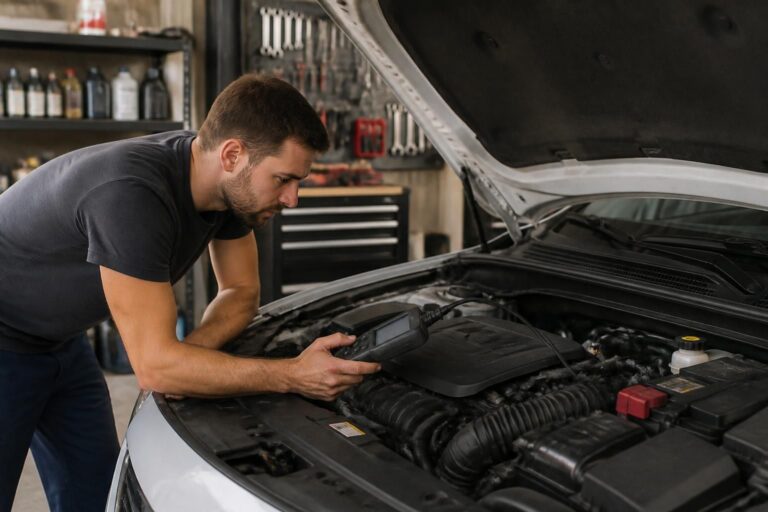
Essential Steps for Performing an Effective Auto Diagnostic Performing an accurate and thorough auto diagnostic is fundamental for maintaining vehicle health and…
Lire l’article →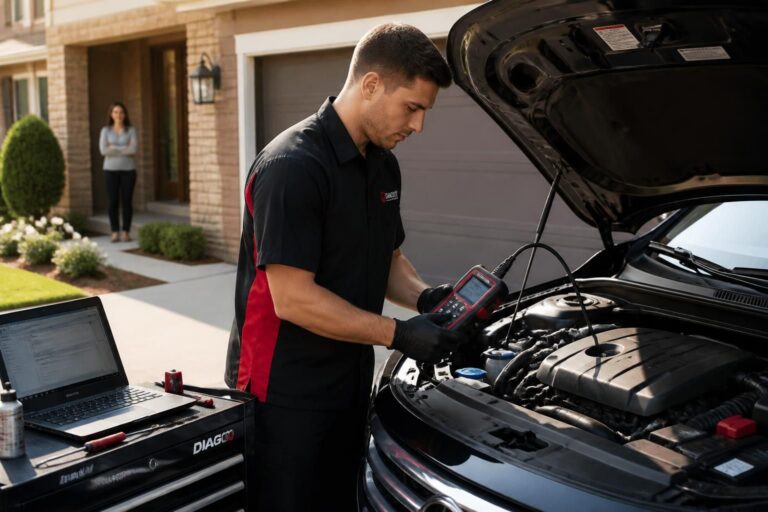
Benefits of Home Car Diagnostic Services for Modern Vehicle Owners Home car diagnostic services have become an essential component of vehicle maintenance…
Lire l’article →