Understanding the Role and Importance of Auto Diagnostic Tools in 2026
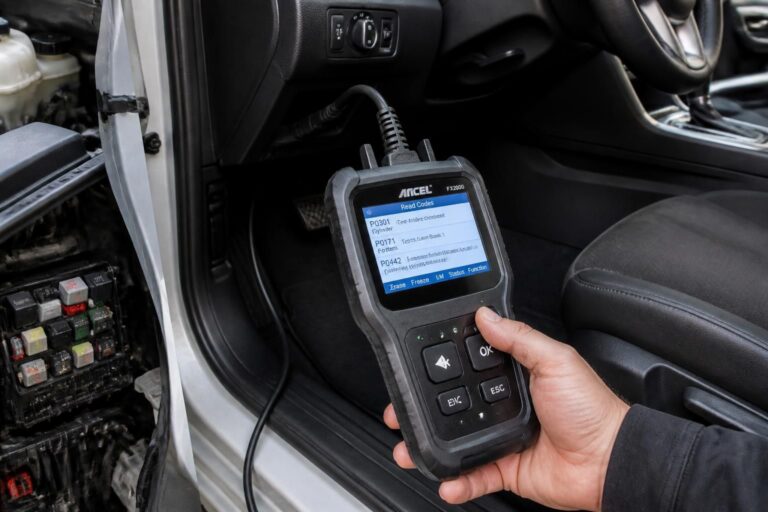
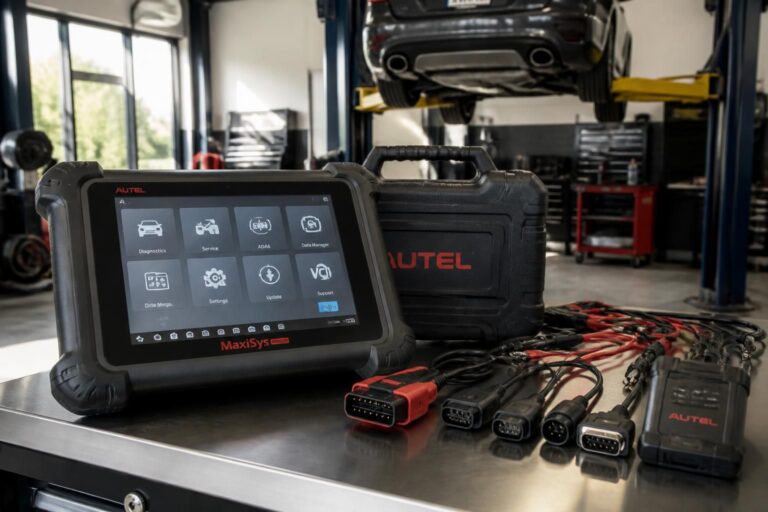
In the evolving landscape of automotive maintenance, the auto diagnostic tool has become a fundamental asset for both professionals and curious vehicle owners. The launch diagnostic scanner, in particular, stands out as a trusted device in modern garages and workshops. These tools serve as the gateway to efficient vehicle fault diagnosis, allowing technicians to tap directly into the vehicle’s computer system, accessing detailed data from various sensors and modules.
In 2026, with the growing complexity of modern vehicles — integrating advanced electronics, adaptive systems, and multiple control units — relying solely on traditional mechanical expertise is no longer sufficient. A car diagnostic device facilitates rapid and accurate detection of issues related to engine performance, braking systems, airbags, transmissions, and even emission controls. This capability dramatically reduces diagnostic time and avoids unnecessary parts replacements, ultimately leading to both time and cost savings.
For motorists, using an OBD2 scanner in 2026 offers autonomy by providing clear insights into why a dashboard warning light is on. Instead of guessing or waiting for professional inspections, a quick scan can pinpoint the problem. However, choosing the right diagnostic device demands understanding its functionalities, compatibility with vehicle models, and ease of use. This is where a launch diagnostic guide proves invaluable for identifying the tool best suited for one’s needs.
Moreover, the capacity of the diagnostic scanner to access multiple systems beyond just the engine has changed the way automotive troubleshooting is approached. From checking ABS sensors to evaluating airbag status or monitoring the state of particulate filters, sophisticated launch tools ensure comprehensive diagnostics that amateurs and professionals alike rely upon. This broad coverage extends even to heavy vehicles and trucks.
The seamless communication capability offered by modern launch tool features — including wireless Bluetooth connectivity, interactive touchscreen interfaces, and real-time data visualization — revolutionizes car repairs. These advancements not only enhance efficiency but also foster a deeper understanding of automotive systems through accessible car diagnostic software.
Criteria for Selecting a Quality Launch Diagnostic Scanner in 2026
Deciding on the best launch diagnostic scanner involves careful evaluation of several technical and practical factors. Given the variety of available devices, the goal is to invest in a unit that balances comprehensive vehicle coverage with user-friendly features. Below are some critical criteria to consider when selecting an automotive diagnostic tool in 2026.
Compatibility and Coverage
A wide compatibility range is key. The diagnostic device must support various makes and models, including emerging manufacturers and the latest vehicle technologies such as CAN-FD and DoIP protocols. The ideal scanner offers multibrand support that spans gasoline, diesel, hybrid, and electric vehicles alike. For shops servicing diverse fleets, this ensures each client can be attended to efficiently without switching equipment.
Software Updates and Longevity
Constant updates keep the tool relevant. Advances in automotive electronics mean new codes and systems emerge regularly. A device providing frequent and easy-to-install software updates guarantees ongoing compatibility with recent vehicle models and enhanced functions. Some of the best scanners come with free lifetime updates or affordable subscription plans tailored for workshop budgets.
User Interface and Practicality
Ease of use is not just about comfort but also efficiency and accuracy. Intuitive menus in multiple languages, responsive touchscreen displays, and clear error code descriptions make a big difference, notably for non-professionals or technicians who might be transitioning from basic OBD readers. Essential features include real-time data streaming, graph plotting, and automated VIN recognition. Additionally, portable designs with wireless operation increase flexibility in busy environments.
Advanced Diagnostic Features
Moving beyond generic code reading, advanced diagnostics involve bidirectional controls, which allow the tool to send commands to vehicle components — useful for testing actuators, resetting service lights, or recalibrating sensors without manual intervention. Features such as ECU coding, IMMO functions, and TPMS programming provide further value. When buying, verify which specific services the scanner supports to avoid paying for unused capabilities.
Build Quality and Support
Investing in robust hardware reduces downtime and replacement costs. Devices built with durable casings, reliable connectors, and consistent battery life perform better in the workshop environment. Additionally, access to responsive customer support, detailed user manuals, and online communities can significantly facilitate troubleshooting and learning.
Look for advanced diagnostics like bidirectional control
Evaluate hardware durability and battery capacity
Verify quality of after-sales support and user documentation
Detailed Comparison of Launch Diagnostic Scanner Models for 2026
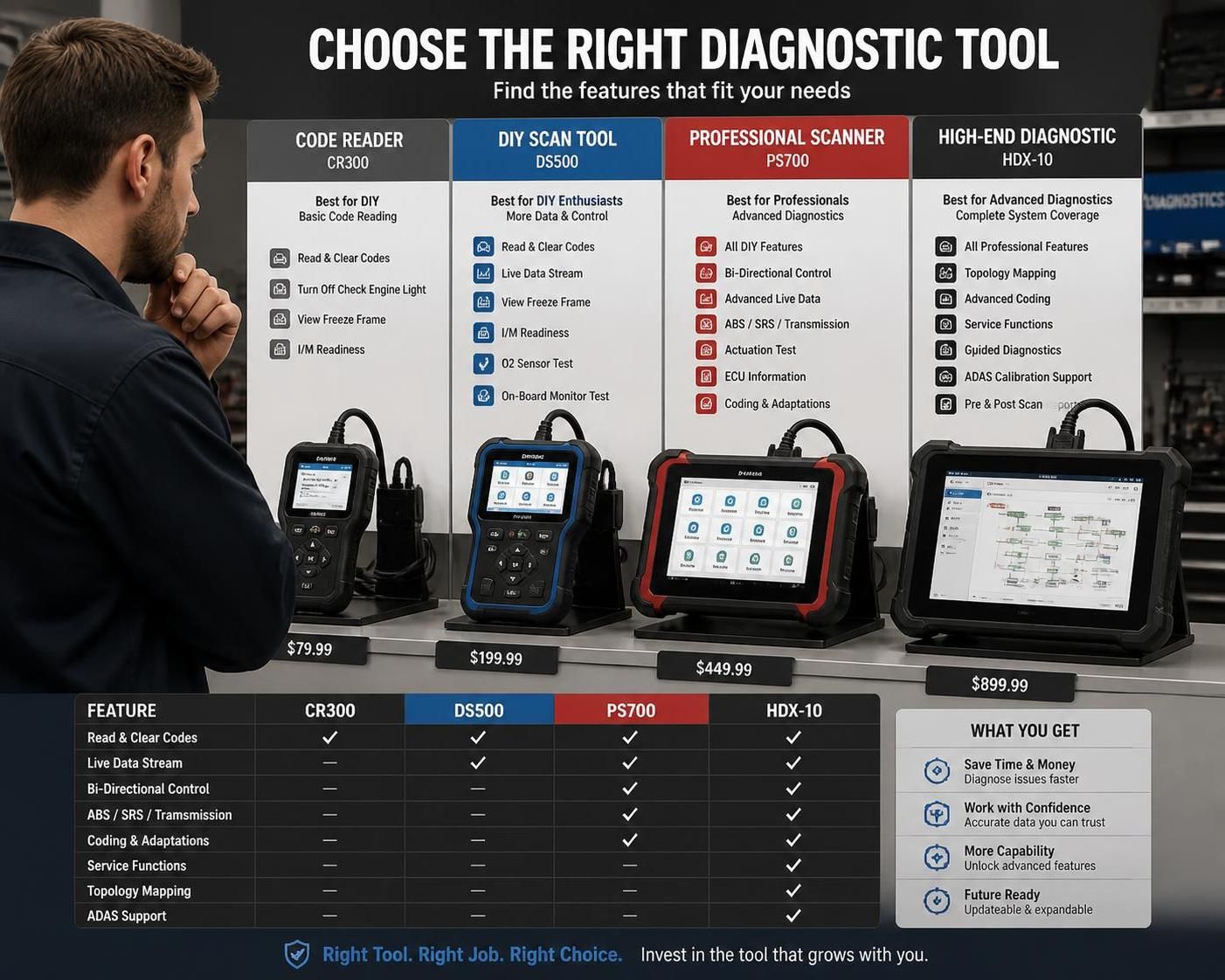
The market for car diagnostic devices has never been richer. From budget-friendly entries to professional-grade scanners equipped with state-of-the-art technologies, each option presents unique strengths and trade-offs. Below is a detailed comparison emphasizing important features relevant to users in 2026.
4 system diagnostics, 9 reset functions; lifetime updates via Wi-Fi
Free lifetime
~€300
These selections highlight that more feature-rich scanners often come at higher prices but offer capabilities that might save workshop time or add revenue streams such as key programming and advanced ECU adaptation. The official launch diagnostic list provides detailed vehicle coverage for those interested in brand specifics.
Practical Tips for Using Launch Diagnostic Tools Effectively
Having equipped your workshop or personal garage with the perfect car diagnostic device, proper usage and interpretation remain crucial to maximize benefits and avoid mishaps. Here are some professional recommendations to consider:
Preparation and Setup
Always ensure the vehicle’s ignition status aligns with the device’s instructions — usually ignition on but engine off is ideal to read fault codes safely. Confirm the OBD2 port is accessible and that the tool’s firmware is up to date before starting diagnostics. Using original cables avoids communication errors caused by subpar connections.
Safety Considerations
Never interrupt a scan or reset process once started, as this can corrupt the ECU memory or cause failures. Electrostatic discharge precautions and a stable power supply from the vehicle battery reduce risks during sensitive programming tasks like coding or IMMO operations.
Interpreting Codes and Reports
Reading fault codes is only half the job. Make sure to investigate the root causes rather than just clearing error codes. Equipped with detailed automotive troubleshooting resources and manufacturer-specific documentation, technicians can align readings with actual symptoms. When in doubt, reaching out to experienced pros or authorized service centers is recommended to avoid misdiagnosis.
Routine Use and Maintenance
Regularly update the diagnostic tool to keep pace with new models and software refinements. Clean and store the device in a dry, impact-free place. For workshops, scheduling preventive diagnostic checks can detect degrading components early, avoiding costly breakdowns.
Use wireless options prudently to maintain connection stability
Maintain the diagnostic tool’s hardware and software since regular updates are vital
Resources such as effective diagnostic technique guides provide detailed steps to improve both accuracy and efficiency during automotive troubleshooting processes.
This video presents a comprehensive walkthrough of diagnostic procedures using popular launch devices, highlighting real case scenarios and best practices for diagnostics and resets.
Where to Purchase Reliable Launch Auto Diagnostic Tools — Price and Availability in 2026
Locating trustworthy sources for auto repair scanners is paramount to ensure authenticity and access to warranty and technical support. Trusted distributors include specialized automotive equipment retailers, authorized launch dealers, and established e-commerce platforms.
Pricing widely varies based on feature sets, user interface sophistication, and update periods. Entry-level OBD2 scanners range from €40 to €80, suitable for basic code reading. Mid-tier options around €200 to €400, often including multi-system diagnostics, fit enthusiasts and small garages. Professional devices exceed €1000 but offer every conceivable diagnostic function.
Comparing offers through reviews and expert tests is advised. Insightful analyses such as those on leading diagnostic tool comparisons help buyers understand product strengths and shortcomings.
Before purchase, confirm warranty conditions and difficulty of software renewal payments if applicable. Some vendors include multi-year updates in purchase price, while others rely on yearly licensing fees, impacting overall cost of ownership.
Prefer official distributors or reputed platforms
Verify warranty and update subscription terms
Balance budget against required functionalities and frequency of use
Consider after-sales support quality and user community size
Investigate user reviews focusing on durability and real-world performance
This practical guide explores retail options, purchasing tips, and key warnings to consider when acquiring a launch diagnostic scanner to maximize investment security and satisfaction.
Understanding the Importance of the Best Multibrand Car Diagnostic Tool 2024 In modern automotive maintenance, equipping oneself with a best multibrand car…
Understanding the Importance of a Professional Car Diagnostic Tool for Your Garage In the automotive repair industry, a professional car diagnostic tool…