Understanding the Role and Capabilities of a Car Diagnostic Tool
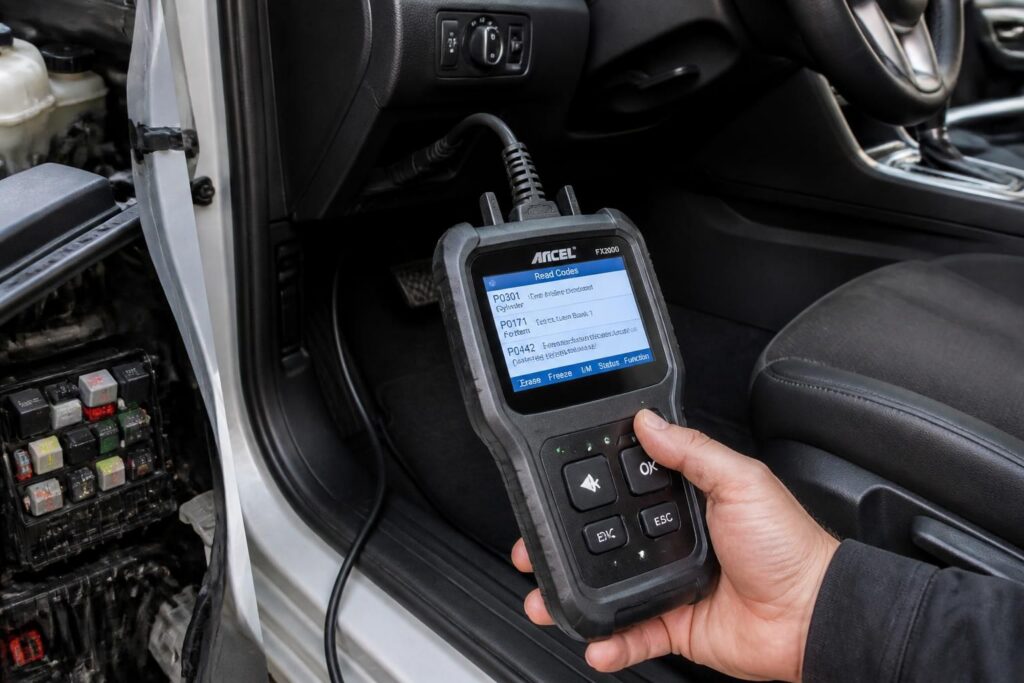
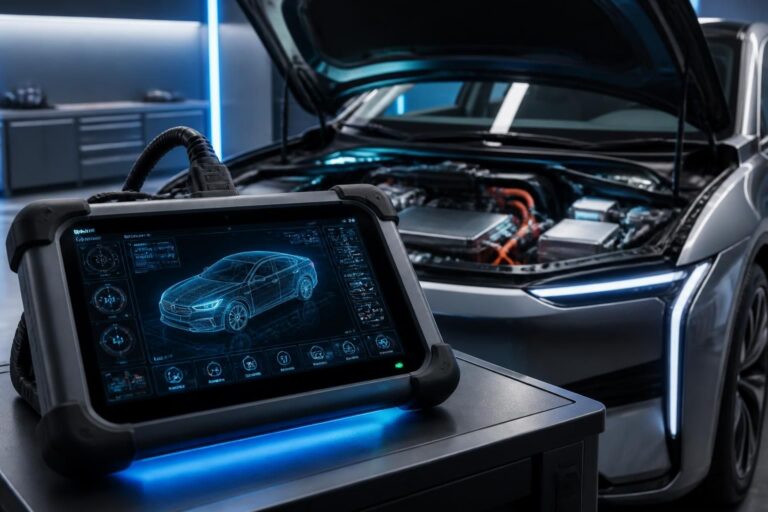
A car diagnostic tool is an essential electronic device designed to connect to a vehicle’s OBD (On-Board Diagnostics) port, available on almost all contemporary cars. This interface acts as a gateway to the vehicle’s computer system, which continuously monitors various components and records fault codes whenever a malfunction or irregularity arises. In practical terms, the diagnostic tool provides a direct line to understanding what’s happening under the hood through the detection and decoding of vehicle trouble codes.
When an engine warning light or other alert appears on the dashboard, the usefulness of a diagnostic scanner becomes clear. By reading stored fault codes, the device translates these usually cryptic signals into actionable insights, enabling vehicle owners and mechanics to pinpoint the root cause of a problem without guesswork. Some advanced models go further, offering the ability to erase error codes once repairs are completed, a convenience that facilitates ongoing maintenance and confirms successful fixes.
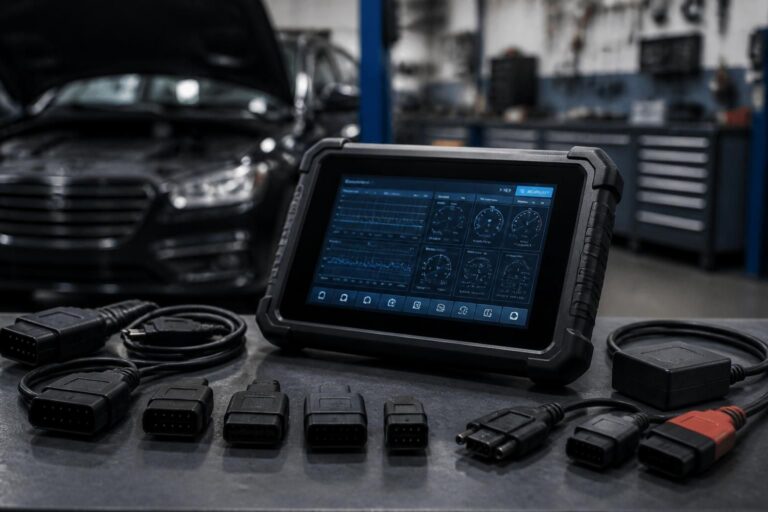
Beyond mere code reading, many auto diagnostic devices provide real-time data streams. These include engine speed, coolant temperature, air flow rates, and pressure levels, all crucial metrics for detailed vehicle troubleshooting. This live information can significantly elevate the accuracy of fault detection and help tailor specific maintenance actions.
Whether it’s a sudden loss of power, unexplained noises, or intermittent engine issues, having reliable access to this diagnostic data empowers car owners to engage more knowledgeably with repair processes. It also aids in preventing unnecessary service visits, helping save both time and money.
For anyone interested in a deeper dive into how diagnostic tools function and tips on avoiding common user mistakes, consulting resources like professional automotive advice can be highly beneficial.
Comparing Different Types of OBD2 Scanners for Vehicle Fault Diagnosis
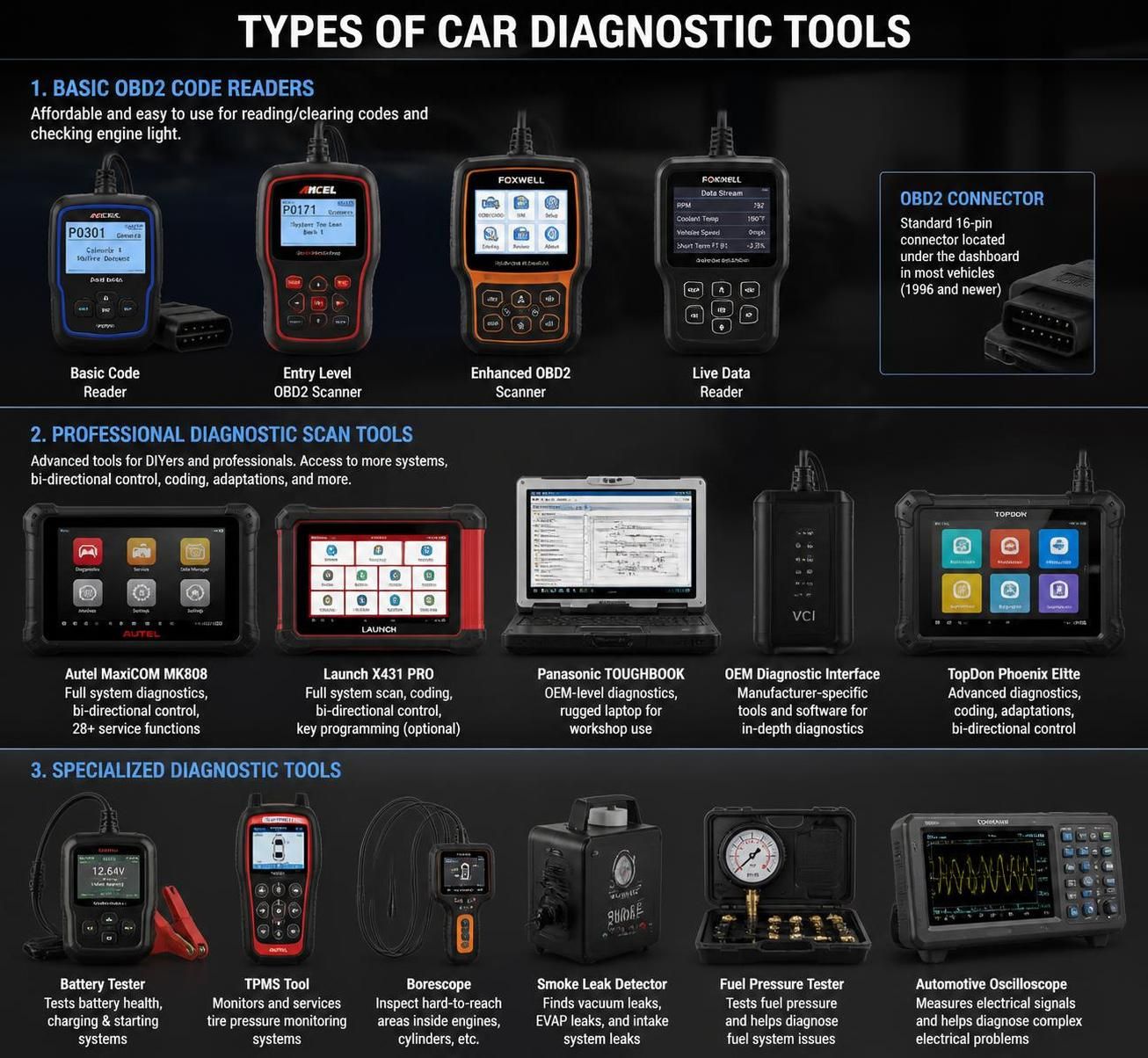
Choosing the right OBD2 scanner involves navigating a wide array of options that differ in complexity, compatibility, and price. These devices range from simple code readers to highly sophisticated scanners resembling professional workshop equipment, each suited to different vehicle troubleshooting needs.
Entry-Level OBD2 Code Readers
At the basic end of the spectrum, these compact and affordable tools focus primarily on reading and clearing engine fault codes. Ideal for occasional use, they help motorists identify common engine issues reflected by the check engine light. Their straightforward interface often means limited additional features but sufficient functionality for those just wanting to understand a code or two without extensive vehicle diagnostics.
Mid-Range Multibrand Diagnostic Devices
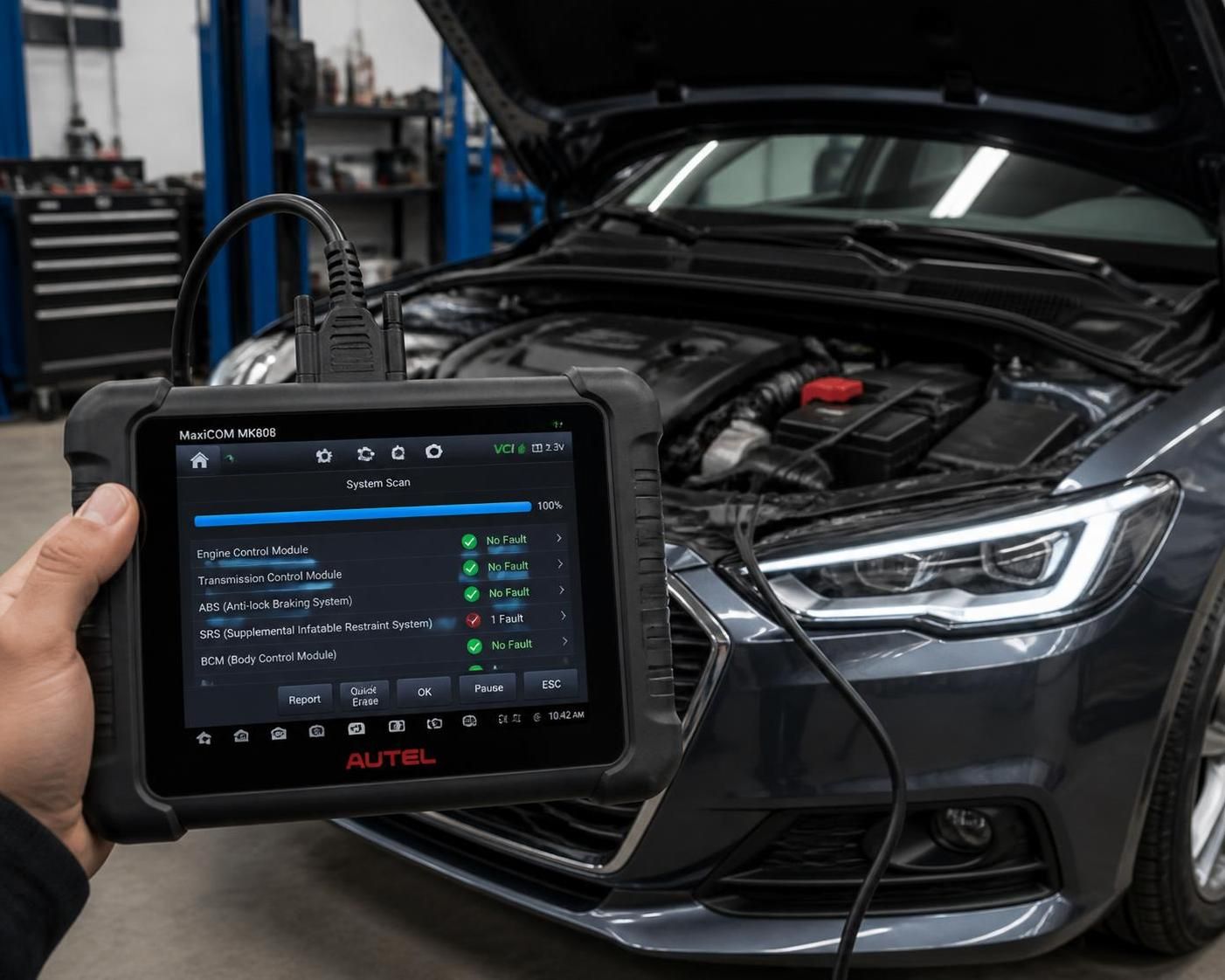
Stepping up, intermediate automotive fault diagnosis tools extend their reach beyond engine codes. They cover other crucial systems like ABS brakes, airbags, and transmission controls, offering a broader diagnostic scope. These scanners tend to support numerous car brands and models, often including routine software updates to maintain compatibility with newer vehicles. This versatility makes them well-suited for garage owners, DIY enthusiasts, or households with multiple cars.
Professional-Grade Diagnostic Scanners
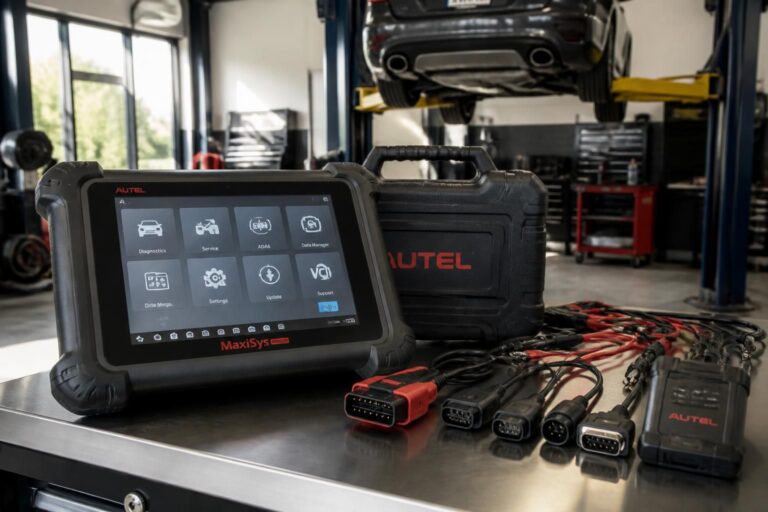
The highest tier includes devices that approach the capabilities of full workshop diagnostic equipment. These tools provide advanced functions like injector coding, battery management, sensor relearning, and even system coding. While they come with a higher price tag, they deliver unparalleled diagnostic precision and extensive control over vehicle subsystems. Such devices are best reserved for trained users or professionals seeking thorough troubleshooting and repair options.
A detailed comparison and advice on the available tools can be reviewed on specialized platforms such as Auto Plus Diagnostic Tools Guide.
Key Criteria for Selecting the Right Auto Diagnostic Device
Making an informed choice about an auto diagnostic device requires evaluating several essential factors to ensure that the purchase matches the specific needs of both the vehicle and user experience. Below is a detailed outline of crucial considerations when deciding on a car trouble code reader or more advanced diagnostic scanner.
Vehicle Compatibility: Not every diagnostic tool works equally well with all makes and models, even if they are OBD2 compliant. It’s necessary to verify the device supports your car’s brand and year to guarantee accurate data access and troubleshooting.
Functionality Scope: Identify which fault detection features you need. Options range from basic engine code reading and clearing to checks on ABS, airbags, and transmission systems, plus live data display and testing of individual components.
User Interface and Ergonomics: Ease of use can vary dramatically – some scanners feature built-in screens with button controls, while others rely on Bluetooth connectivity paired with mobile apps. Clear menus, responsive controls, and readable displays make a substantial difference during vehicle diagnostics.
Software Updates: Regular updates extend device longevity by adding compatibility with newer models and improving system detection accuracy. Ensure the manufacturer offers accessible update methods.
Budget Considerations: Prices range from around €30 for simple readers to several hundreds or even thousands for professional units. Understanding your diagnostic needs helps align willingness to invest and expected return on usability.
Here is a simplified table summarizing these criteria for quick reference:
Criteria
Entry-Level OBD2 Scanner
Mid-Range Multibrand Device
Professional Diagnostic Tool
Vehicle Compatibility
Basic OBD2 vehicles only
Multiple brands and systems
All systems, most brands
Functionality
Read and clear engine codes
Read codes from ABS, airbags, transmission
Advanced system diagnostics, coding, sensor relearns
User Interface
Simple screen, minimal menus
Graphical LCD, multiple menus
Large color screen, advanced navigation
Price Range
€30 – €100
€100 – €400
€500 and above
For a comprehensive decision-making process and up-to-date product reviews, consulting expert advice such as that found in this professional guide will prove valuable.
Practical Tips and Common Pitfalls with Vehicle Diagnostics Tools
Owning a diagnostic scanner is a major step towards autonomy in car maintenance, yet it is important to acknowledge the tool’s limitations and best usage practices. The value of a car diagnostic device depends largely on how well the user interprets its information and applies it to vehicle troubleshooting.
Interpreting Codes Correctly
Many fault codes can indicate a range of possible issues rather than a single definitive problem. For example, a misfire code could stem from faulty spark plugs, fuel delivery problems, or even sensor malfunctions. Jumping to conclusions without further checks may lead to unnecessary repairs or ineffective solutions, so using the live data monitoring capabilities of your scanner or consulting professional diagnostic advice can help clarify the real cause.
Avoiding Over-Use of Code Clearing
While clearing codes after repairs is useful, frequently erasing fault codes without addressing underlying issues is counterproductive and can even mask serious problems until they worsen. The vehicle’s onboard computer will eventually detect the fault again, often accompanied by more severe symptoms or damage.
Maintaining Your Diagnostic Scanner
Keeping your diagnostic tool updated is essential to maintain its effectiveness. Manufacturers often release software updates that enhance compatibility with new car models and improve code interpretation accuracy. Neglecting this can render your device obsolete prematurely.
For detailed advice on optimal use and maintenance, consulting expert resources or local workshop professionals can provide tailored guidance. More comprehensive instructions are available at auto diagnostic analysis techniques.
Benefits of Investing in a Reliable Car Maintenance Tool in 2026
The complexity of vehicle systems continues to escalate as manufacturers integrate increasingly sophisticated electronics and computer controls. In this context, having a dependable car maintenance tool is becoming indispensable for modern motorists who want to ensure their vehicles remain in good condition, minimize downtime, and manage repair expenses effectively.
Access to a competent diagnostic scanner means better communication with repair professionals, permitting more informed discussions and potentially avoiding inflated cost estimates based on guesswork. Furthermore, early detection of faults through regular scanning can prevent breakdowns, enhance safety, and improve fuel efficiency.
In terms of financial investment, purchasing a quality diagnostic tool tailored to your usage profile can yield long-term savings by enabling timely and precise interventions, avoiding prolonged damage and costly repairs. Owners of multiple vehicles or automotive enthusiasts will particularly find a mid-range to professional device justifiable for its broader functionality and reliability.
Finally, embracing the technology behind automotive fault diagnosis empowers drivers to take control of their vehicle’s health. This approach aligns with the evolving trend in automotive care, where preventive maintenance and electronic diagnostics form the cornerstone of vehicle longevity.
For deeper insights on selecting the best diagnostic device adapted to your specific needs, local expertise like the in-depth comparisons found at Garage Crauzaz Nurieux’s diagnostic tools guide can be invaluable.
Understanding the Importance of a Professional Car Diagnostic Tool for Your Garage In the automotive repair industry, a professional car diagnostic tool…