valises de diagnostic auto : comment choisir l’outil adapté à vos besoins
Understanding Different Types of Car Diagnostic Tools for Effective Vehicle Diagnostics In the realm of modern auto repair tools, choosing the right…
Lire l’article →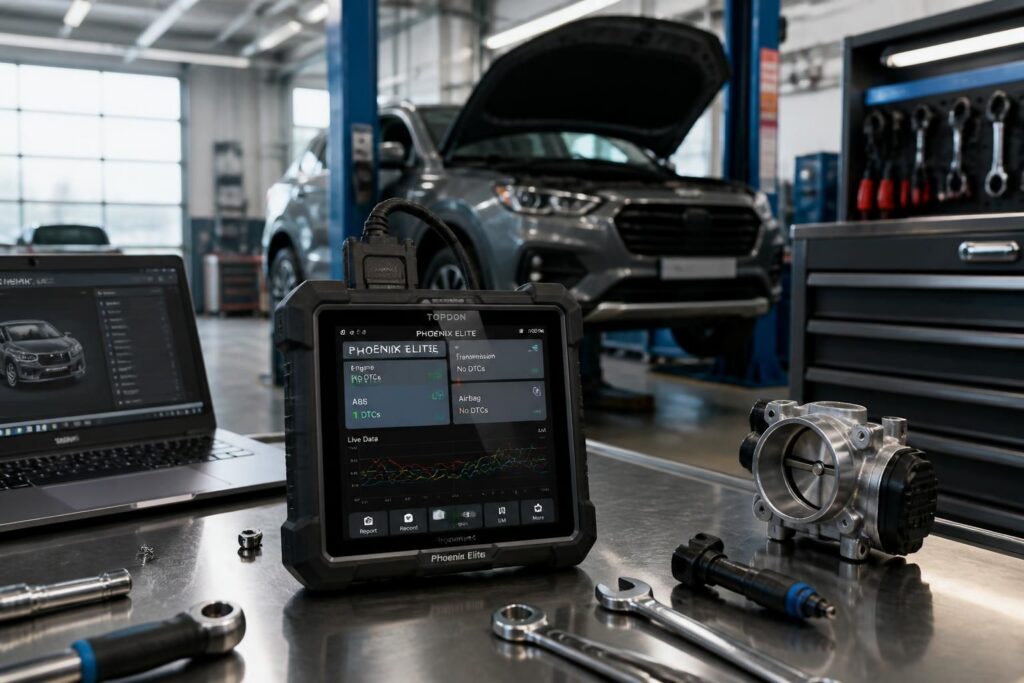
In the realm of automotive repair and maintenance, the discovery and utilization of a best car diagnostic tool signify a key advancement for both professionals and car owners. A car diagnostic scanner, commonly known as a vehicle diagnostic device or OBD2 diagnostic tool, is fundamentally an electronic instrument that connects to a car’s onboard computer system to read and interpret fault codes. These fault codes, triggered by sensors and systems that monitor vital components such as the engine, transmission, airbags, or ABS, reveal any malfunctions or irregularities within the vehicle.
Modern vehicles generate complex data, and an auto diagnostic scanner 2026 accesses this data to provide a detailed assessment. Instead of guessing or manually inspecting parts, this technology enables early detection, avoiding costly breakdowns. For example, it can identify issues such as faulty oxygen sensors, clogged diesel particulate filters, or electrical glitches. This immediate feedback allows for timely maintenance and prevents deterioration that could affect safety or performance.
Besides revealing problems, these scanners often offer real-time monitoring capacities. This means parameters like fuel consumption, engine temperature, and emission levels are tracked actively, helping users to maintain optimal performance and comply with environmental standards. The scope of these tools extends from basic code reading and erasures to sophisticated calibrations and coding operations, depending on the device’s capabilities.
What makes the car fault code reader indispensable today is its accessibility. While professional mechanics in workshops have long used similar technology, recent years have seen the arrival of models tailored for individuals managing their own car maintenance. These tools now offer user-friendly interfaces, multilingual support, and wireless connectivity such as Bluetooth and Wi-Fi, making it easier than ever to perform an automatic car diagnosis independently.
Moreover, when purchasing a second-hand vehicle, having a reliable vehicle diagnostic device is a savvy choice. It detects hidden issues that may not be visible during a regular inspection, including discrepancies in mileage or concealed engine faults. This transparency secures better transactions and reduces the risk of unexpected expenses. Overall, the diagnostic tool has become integral to maintaining vehicle longevity and safety through informed upkeep decisions.
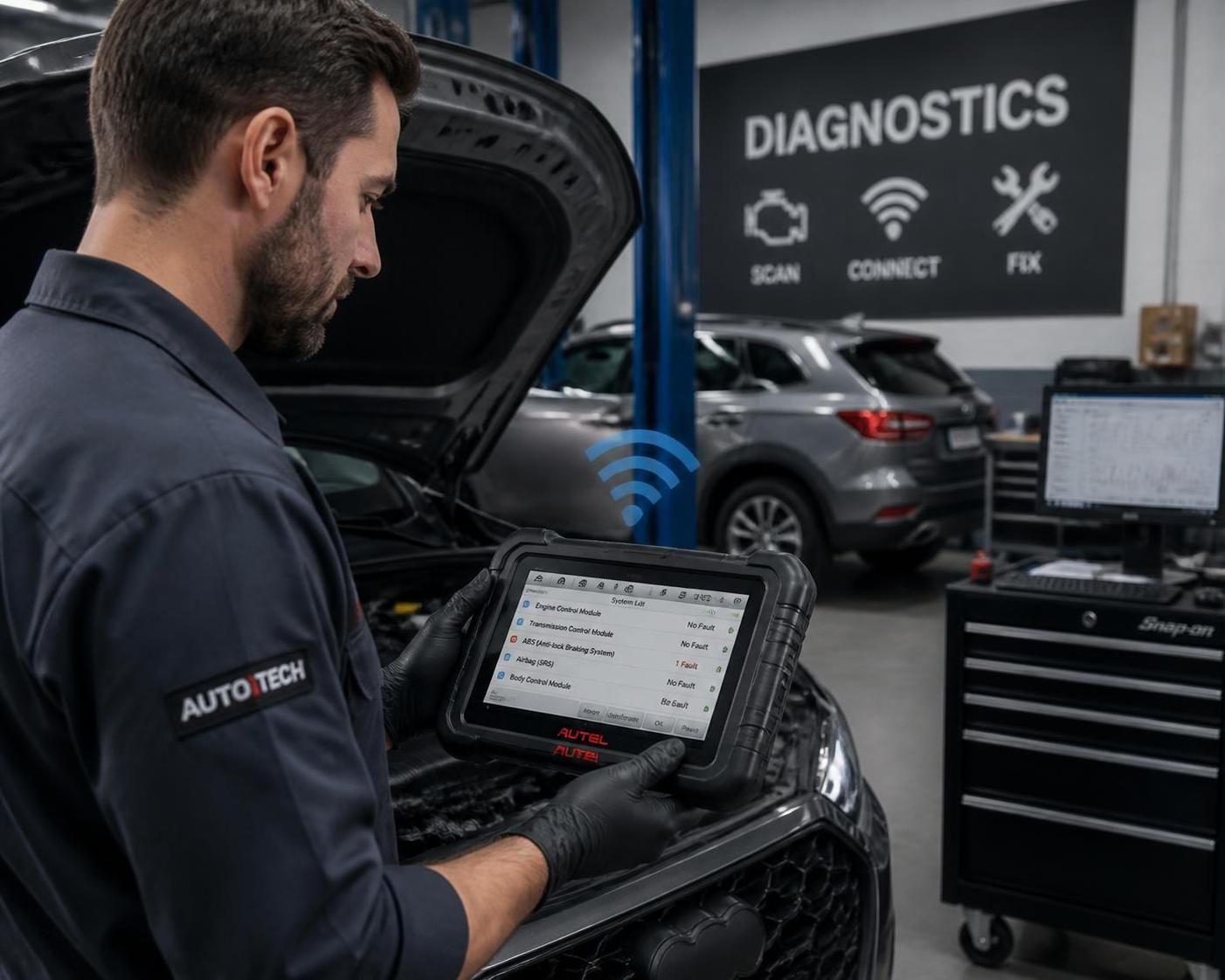
The inner workings of a car maintenance scanner revolve around its connection to the vehicle’s electronic system via the OBD2 port. This universal standard port, typically positioned beneath the dashboard on the driver’s side, allows the device to establish communication with the car’s ECUs (Electronic Control Units). Once connected, the device requests and receives diagnostic trouble codes (DTCs) generated by various subsystems.
Interpreting these codes effectively forms the core function of the auto repair diagnostic device. Each code corresponds to a specific fault, which may relate to the engine, transmission, safety systems, or emissions. High-end scanners provide comprehensive data, often accompanied by descriptions and in some instances, suggested fixes. For example, a code indicating a malfunctioning ABS sensor can prompt the mechanic or car owner to focus on that particular component without unnecessary trial and error.
In 2026, the features of these diagnostic tools have expanded considerably. Basic models allow reading and clearing of error codes but premium devices include:
The diversity of options means users can select a tool that perfectly matches their needs, whether a home mechanic undertaking regular maintenance or a garage seeking comprehensive diagnostic coverage for multiple vehicle brands. This versatility is particularly significant given the proliferation of hybrid and electric vehicles whose management systems require specific diagnostic protocols.
In practical terms, choosing a scanner with software updates guarantees compatibility with evolving vehicle technology standards. Without upgrades, the tool risks becoming obsolete as manufacturers introduce new diagnostic parameters. This makes regular maintenance of the diagnostic device software as important as vehicle upkeep itself.
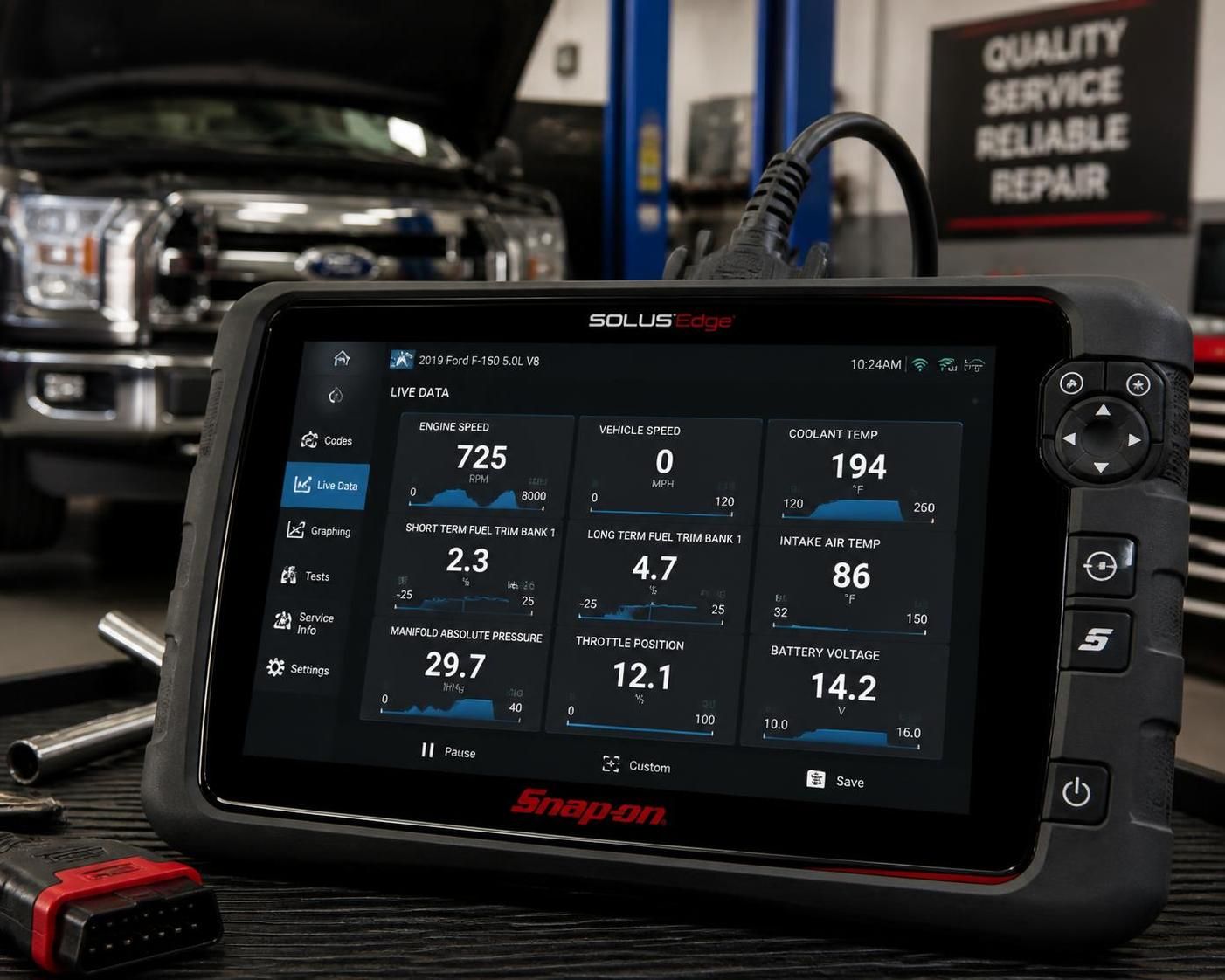
Car diagnostic scanners come in multiple categories, catering to varying degrees of complexity and user profiles. Understanding these categories aids in selecting the right tool with the necessary balance of cost, functionality, and usability.
These entry-level devices primarily read standard engine codes used across all compliant vehicles since 1996. They allow users to detect common faults such as misfires or emission system errors and to clear basic trouble codes after repairs.
Advantages include affordability, simplicity, and sufficient utility for owners of a single vehicle with no demand for advanced features.
Limitations involve restricted access to other vehicle systems like ABS, airbags, or transmission control, thus less suited for in-depth diagnostics.
These scanners expand coverage to multiple brands and deeper system access. They can read codes across ABS, airbags, gearboxes, and climate control systems, making them an excellent choice for workshops servicing various makes.
Though more expensive, these tools enable broader diagnostic capabilities, essential for professional mechanics managing diverse fleets.
Targeted at specialists or brand enthusiasts, these devices communicate directly with manufacturer protocols, offering precise readings and advanced programming features unavailable on generic scanners.
Their high cost and limited brand compatibility mean they suit users focusing exclusively on one particular make.
These represent the state-of-the-art in vehicle diagnostics, capable of bidirectional controls, coding, and adaptation of component modules. They support hybrid and electric vehicle diagnostics and advanced driver-assistance systems calibration.
While their capabilities are unmatched, their complexity and cost restrict their audience primarily to professional workshops.
Utilizing smartphone integration and cloud platforms, these tools facilitate remote assistance and data sharing. They often feature automatic updates and mobile app ergonomics, attracting users who prefer modern, flexible diagnostic environments.
Choosing the right type relies heavily on user profile, target vehicle types, and the depth of diagnosis required. From simple code scanning to advanced troubleshooting and coding, each type serves a clear segment within the automotive maintenance market.
Trusted brand reputation brings assurance of reliability, technical support, and consistent updates—key factors in selecting a best diagnostic scanner.
| Brand | Key Product | Notable Features | Ideal User Profile |
|---|---|---|---|
| Bosch | KTS 670 | Module programming, sensor calibration, broad brand compatibility | Professional workshops and advanced technicians |
| Delphi | DS150E | Multibrand support, diagnostic versatility, reliable software updates | General mechanics and multibrand garages |
| Autel | MaxiCOM MK808 | Intuitive UI, extensive diagnostics, special function support | Enthusiasts and small workshops |
| Actia Group | Multi-Diag Access | European brand coverage, user-friendly interface | Specialized European vehicle technicians |
| Launch | X431 V+ | Wide brand compatibility, remote diagnostics, ADAS calibration | Professional garages adapting for future vehicle tech |
Choosing a diagnostic tool from one of these well-established brands represents a solid investment. Each brand balances innovation with proven performance, ensuring both accuracy and longevity. For in-depth comparisons focused on various user needs, refer to expert reviews and comprehensive lists like those detailed on diagnostic scanner comparisons or industry advice sites such as Garage Crauzaz’s selection guide.
Selecting the right vehicle service tool requires careful consideration of several criteria to ensure it suits the user’s requirements and vehicle fleet.
For instance, a home owner servicing their own car occasionally may prioritize affordability and simplicity, while a garage requires extensive diagnostics and adaptability for multiple vehicle brands. Therefore, thoroughly reviewing product specifications and consulting expert comparisons helps in pinpointing a well-suited diagnostic scanner.
By adhering to these selection benchmarks, users ensure that their investment serves their diagnostic needs efficiently, contributing to better maintenance workflows and improved vehicle reliability on the road.
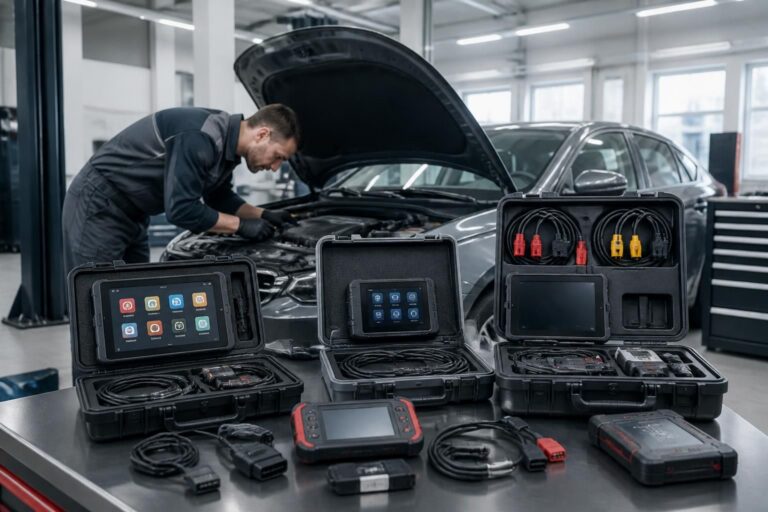
Understanding Different Types of Car Diagnostic Tools for Effective Vehicle Diagnostics In the realm of modern auto repair tools, choosing the right…
Lire l’article →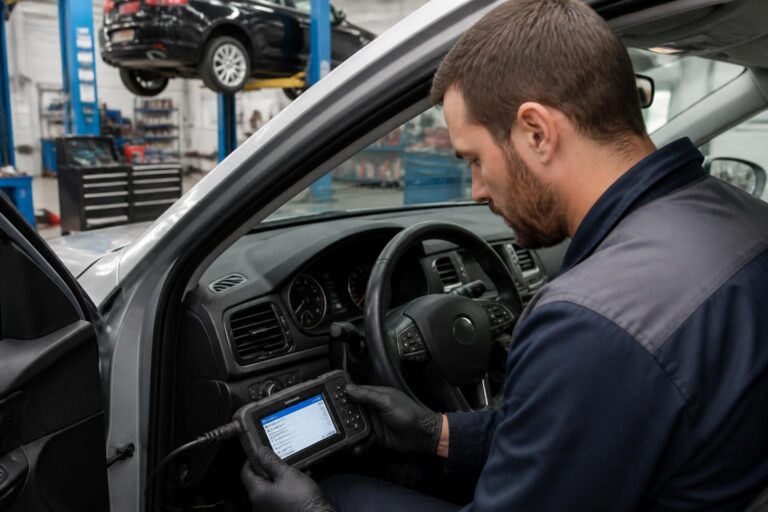
Understanding Car Diagnostic: Foundations for Quick Car Fault Identification In 2026, the complexity of modern vehicles has significantly increased, making reliable car…
Lire l’article →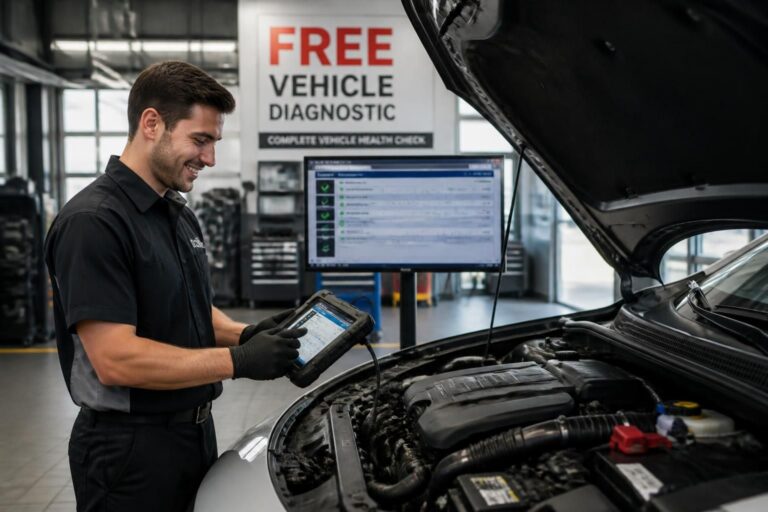
Understanding the Benefits of a Free Car Diagnostic for Your Vehicle Maintenance Free car diagnostic services have become an essential part of…
Lire l’article →