
outil diagnostic auto : comment choisir le bon pour votre véhicule
Understanding the Importance of a Car Diagnostic Tool for Vehicle Maintenance In today’s automotive landscape, having a reliable automotive diagnostic device is…
Lire l’article →
In the evolving landscape of automotive repair, securing a reliable car diagnostic service is essential for vehicle owners seeking precision and transparency. The increase in vehicle complexity, particularly with the integration of hybrid and electric systems, demands garages equipped not only with advanced diagnostic tools but also with technicians capable of interpreting complex fault codes accurately. This shift marks a pronounced departure from traditional mechanical troubleshooting, emphasizing the need for garages that invest in both technology and continuous mechanic training.
Reliability in auto repair diagnostics transcends mere equipment availability. It hinges on the garage’s capacity to interpret results and provide clear explanations backed by sound professional judgment. For example, a check engine light can indicate anything from a minor sensor glitch to a severe engine problem. Selecting a garage confined to superficial readings risks misdiagnoses, leading to unnecessary repairs or worsening conditions. Knowing the right signs to assess, understanding vehicle-specific systems, and recognizing when further testing is warranted are all part of a comprehensive diagnostic approach.
In 2026, with vehicle inspections becoming increasingly stringent, the role of a trustworthy garage grows more critical. Consumers should seek workshops that demonstrate a history of consistent accuracy, transparency in diagnostics reports, and competitive pricing. Reliable garages protect vehicle longevity and driver safety by ensuring timely detection and resolution of faults.
According to experts, some workshops distinguish themselves by offering free preliminary checks or by explaining fault codes in layman’s terms to foster customer trust. These practices not only demystify the diagnostic process but also empower vehicle owners to make informed decisions about subsequent repairs or maintenance.
To get a concrete sense of a garage’s credibility in providing accurate diagnostics, it’s advisable to explore customer reviews and community feedback, especially from drivers with similar vehicle models. Several online resources present comprehensive overviews on identifying trustworthy repair shops, such as the guidelines shared at this detailed platform on reliable auto repair centers. This resource discusses crucial factors like certification, history of customer satisfaction, and diagnostic accuracy that every car owner should consider.
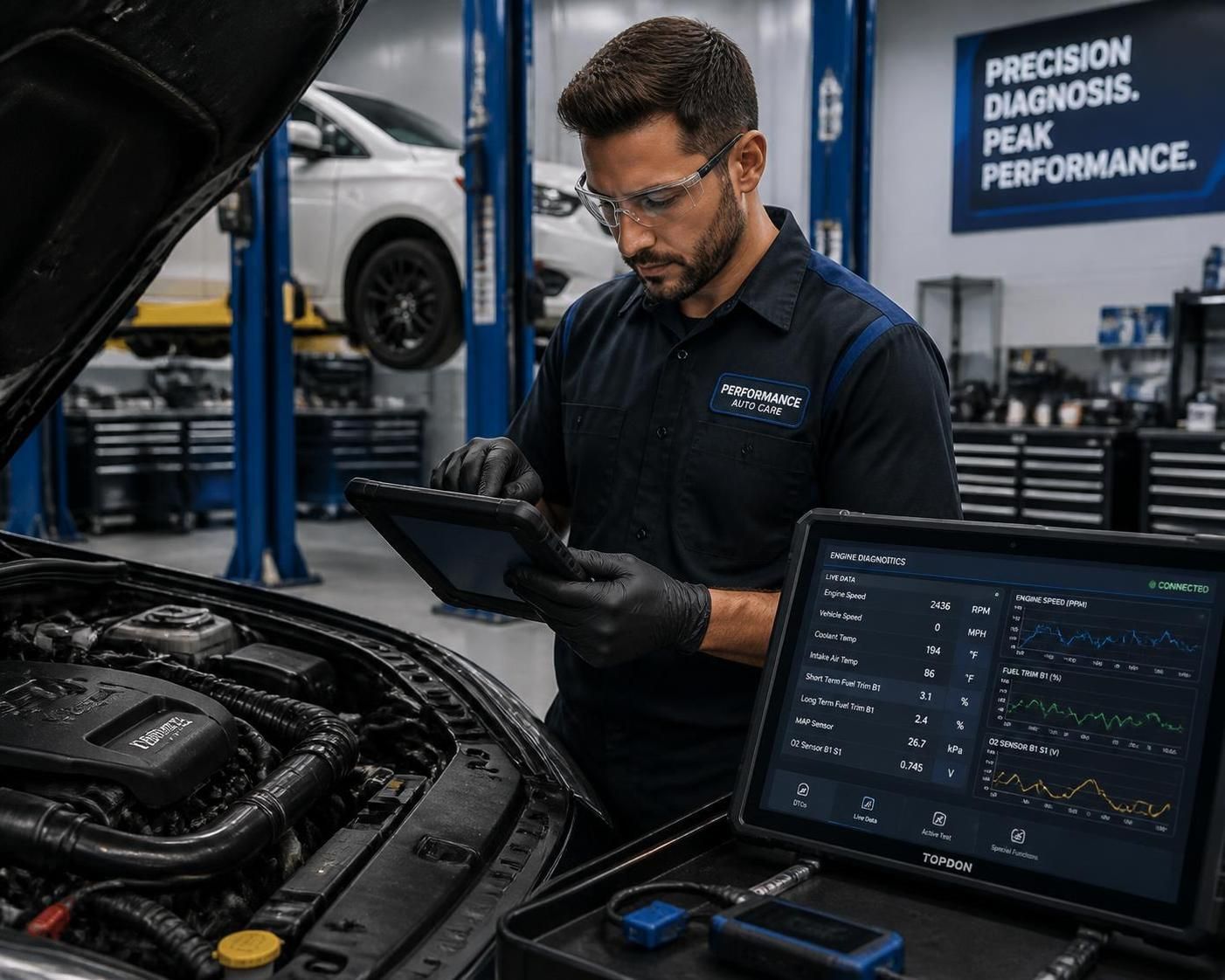
The selection of a professional and dependable garage for an accurate car diagnostic begins with understanding the critical criteria that separate high-quality workshops from less reliable ones. Below are the foundational aspects to examine when choosing a garage in 2026:
To understand the practical implications of these points, consider a scenario where a vehicle presents irregular engine noises and warning lights. An experienced mechanic equipped with professional diagnostic tools can isolate the problem quickly – whether it involves a faulty ignition coil, clogged fuel injectors, or sensor failures. Conversely, untrained personnel or insufficient equipment may misinterpret these symptoms leading to costly trial-and-error repairs.
Moreover, a repair shop’s transparency about diagnostic fees and follow-up repair estimates protects consumers from unexpected expenses. An advanced garage will detail each step of the diagnostic process, clarifying inspection procedures, possible causes found, and options for repair or further monitoring.
For additional guidance on selecting a competent and ethically sound repair shop for vehicle inspection and diagnostics, exploring expert advice such as the tips shared at this informative guide on choosing approved auto centers can be invaluable. It distills the methods to verify official certifications and assess quality benchmarks efficiently.
Spotting warning signs early can save substantial time and costs in vehicle maintenance. Reliable garages excel at diagnosing common symptoms and applying systematic troubleshooting approaches that minimize guesswork. Some prevalent symptoms signaling the need for diagnostic evaluation include:
When a vehicle is brought in, a professional will initiate a thorough vehicle inspection combining computer diagnostics and physical assessments. Diagnostic scan tools interface with the vehicle’s onboard systems, reading fault codes stored in the Engine Control Unit (ECU) and other control modules.
However, the numbered code is often only the starting point. Skilled mechanics then interpret these codes relative to live sensor data, correlating symptoms reported by the driver to pinpoint malfunctions more accurately.
As an example, a code indicating an oxygen sensor fault may sometimes mask issues such as exhaust leaks or fuel system irregularities. Precision in these settings avoids premature part replacements and ensures repairs address the root cause.
The time required for a comprehensive diagnostic can vary widely depending on vehicle model, symptom complexity, and system access. Generally, expect initial readings and inspections to take between one to two hours, though detailed troubleshooting or test drives may extend this window.
Costs for diagnostic services demonstrate similar variability, typically ranging from 50 to 150 euros in well-established garages. It is advisable to seek a detailed service quote before agreeing to proceed. For specific cases like a clutch pedal hardness causes review, specialized expertise can expedite diagnosis and solution planning.
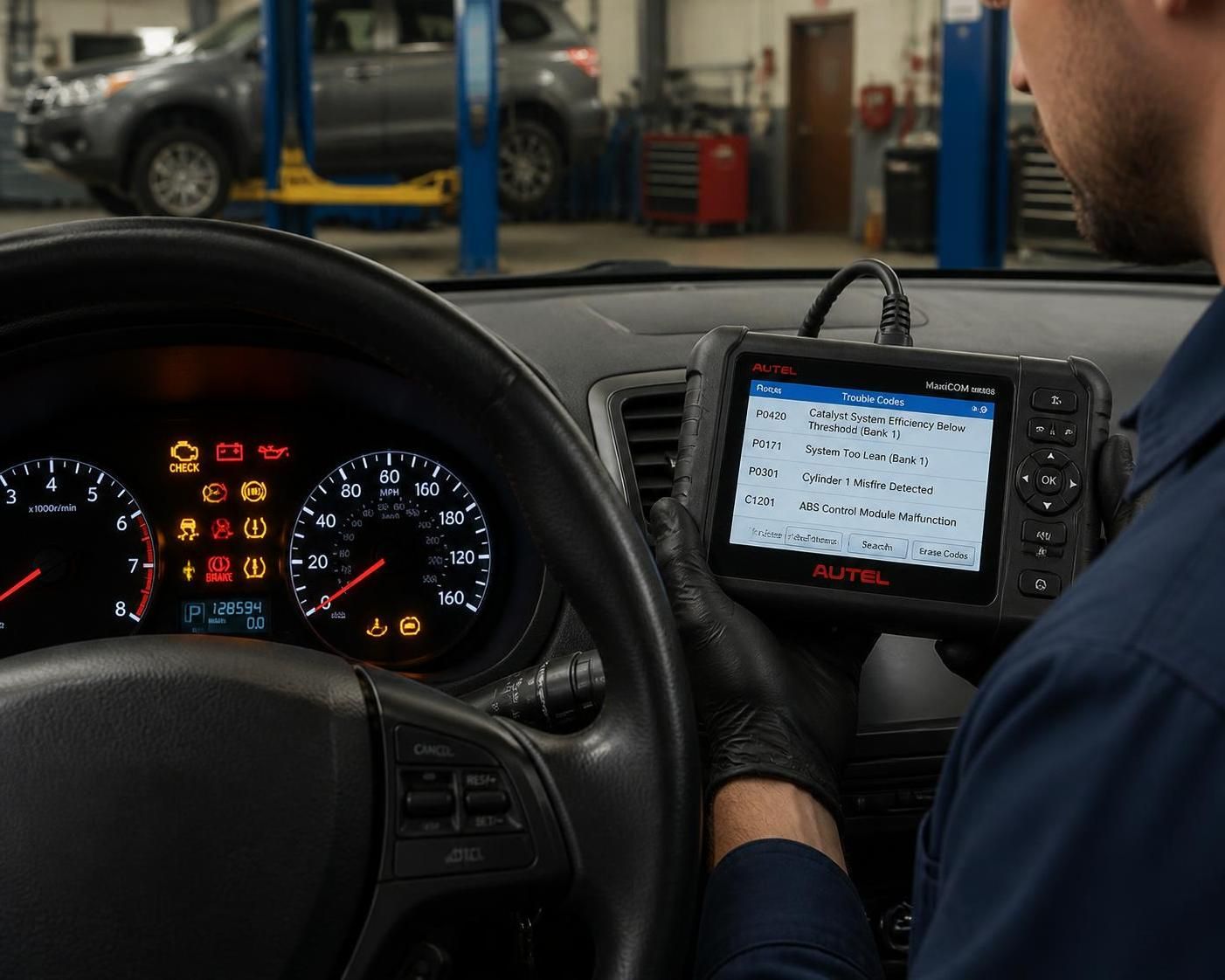
The backbone of any credible garage lies in the reliability of its mechanics and commitment to investing in up-to-date diagnostic technology. With automotive systems growing more intricate each year, reliance on obsolete tools or insufficient training can lead to diagnostic errors that compromise vehicle safety and cost-effectiveness.
Mechanic reliability encompasses several factors. First, it involves continuous education and certification to keep pace with evolving automotive engineering. Workshops that support staff training typically exhibit higher diagnostic precision, fostering long-term customer loyalty.
Second, diagnostic tools themselves must be current, versatile, and compatible with a wide range of vehicles—ranging from combustion engines to hybrid and electric drivetrains. Professional garages maintain inventories of manufacturer-specific software and hardware interfaces to extract comprehensive data during assessments.
Failure to upgrade tools risks misreading or missing errors embedded deep within electronic control systems. For vehicle owners, this may result in repeated visits and unneeded expenses, undermining confidence in the repair shop.
To illustrate, consider a repair shop that recently upgraded its diagnostic suite to access proprietary manufacturer modules for electric vehicles. This investment enables detection of battery management issues or electric motor faults that older generic scanners cannot identify, thereby providing superior service aligned with current market demands.
In addition, mechanic reliability shows in a workshop’s ability to communicate issues clearly and offer pragmatic repair recommendations. Transparency about what can be addressed immediately and what might require monitoring or deferred intervention is a hallmark of professionalism customers appreciate.
For those exploring options on garage trustworthiness, in-depth strategies on identifying trusted garage professionals detail attributes related to mechanic skills and equipment investments.
To assist vehicle owners in making informed decisions, here is a comprehensive checklist covering the most vital aspects when choosing a garage for reliable auto diagnostics:
This checklist is supported by a comparative table outlining typical advantages and caveats among various garage types:
| Garage Type | Strengths | Potential Limitations |
|---|---|---|
| Authorized Dealership Workshops | Access to manufacturer-specific diagnostic tools, trained technicians on brand-specific systems | Higher pricing, longer wait times, limited brand coverage |
| Independent Specialist Garages | Competitive pricing, personalized service, specialist knowledge on certain models | Variable equipment quality, possible gaps in diagnostics for new technologies |
| General Repair Shops | Convenience, broad vehicle coverage, affordable rates | Limited specialized diagnostic expertise, risk of generalist misinterpretation |
Each category provides options that suit different budgets and expectations, but prioritizing mechanic reliability and technology ensures accurate automotive diagnostics. Vehicle owners should balance their need for affordability with the imperative for precision, especially when safety and costly repairs are involved.
Combining this strategic approach with expert insights builds confidence in selecting the right repair shop. Resources like in-depth analyses on precise auto diagnostics elaborate additional factors that distinguish top-tier garages for trusted service in 2026.
Understanding the Importance of a Car Diagnostic Tool for Vehicle Maintenance In today’s automotive landscape, having a reliable automotive diagnostic device is…
Lire l’article →
Understanding the Best Multibrand Car Diagnostic Tool for Fast and Accurate Car Diagnostics In the evolving world of automotive maintenance, the best…
Lire l’article →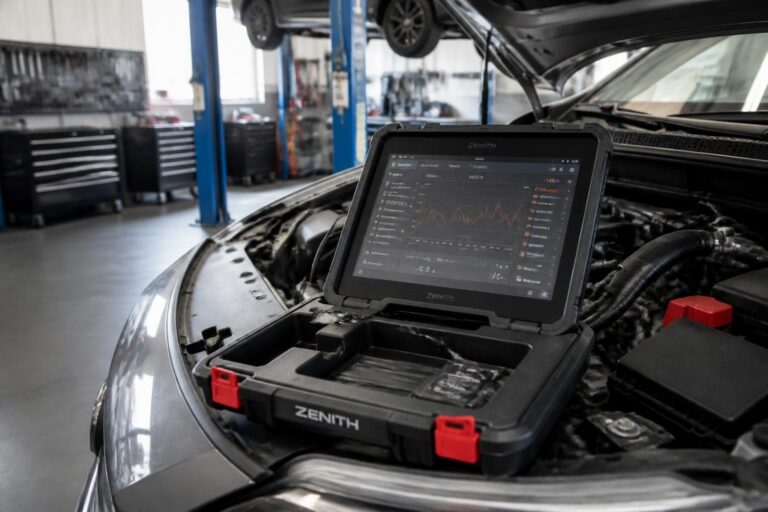
Understanding the Role of a Car Diagnostic Tool in Modern Vehicle Maintenance In today’s automotive world, the car diagnostic tool has become…
Lire l’article →