
Comment choisir un garage pour un diagnostic auto fiable en 2026
Understanding the Importance of Reliable Car Diagnostic Services in 2026 In the evolving landscape of automotive repair, securing a reliable car diagnostic…
Lire l’article →
In today’s automotive landscape, having a reliable automotive diagnostic device is no longer reserved for professional mechanics. Modern vehicles are equipped with numerous electronic control units that monitor and regulate everything from the engine’s performance to safety systems. A car diagnostic tool, commonly known as a vehicle scanner or car fault detector, serves as the vital link between the vehicle’s complex systems and the user. This tool reads engine codes, interprets fault data, and provides actionable insights, ultimately assisting in detecting underlying issues before they evolve into costly repairs.
For the average driver, encountering a warning light on the dashboard can be unsettling. The vehicle fault finder property of diagnostic devices helps decode those engine warnings into understandable terms. This is particularly vital because not every illuminated warning light signals an emergency; some may indicate minor maintenance needs while others forewarn serious malfunctions. Owning a car diagnostic software or an OBD2 reader gives vehicle owners the autonomy to understand the severity of issues firsthand, reducing unnecessary trips to the garage and preventing fraudulent or superfluous repairs.
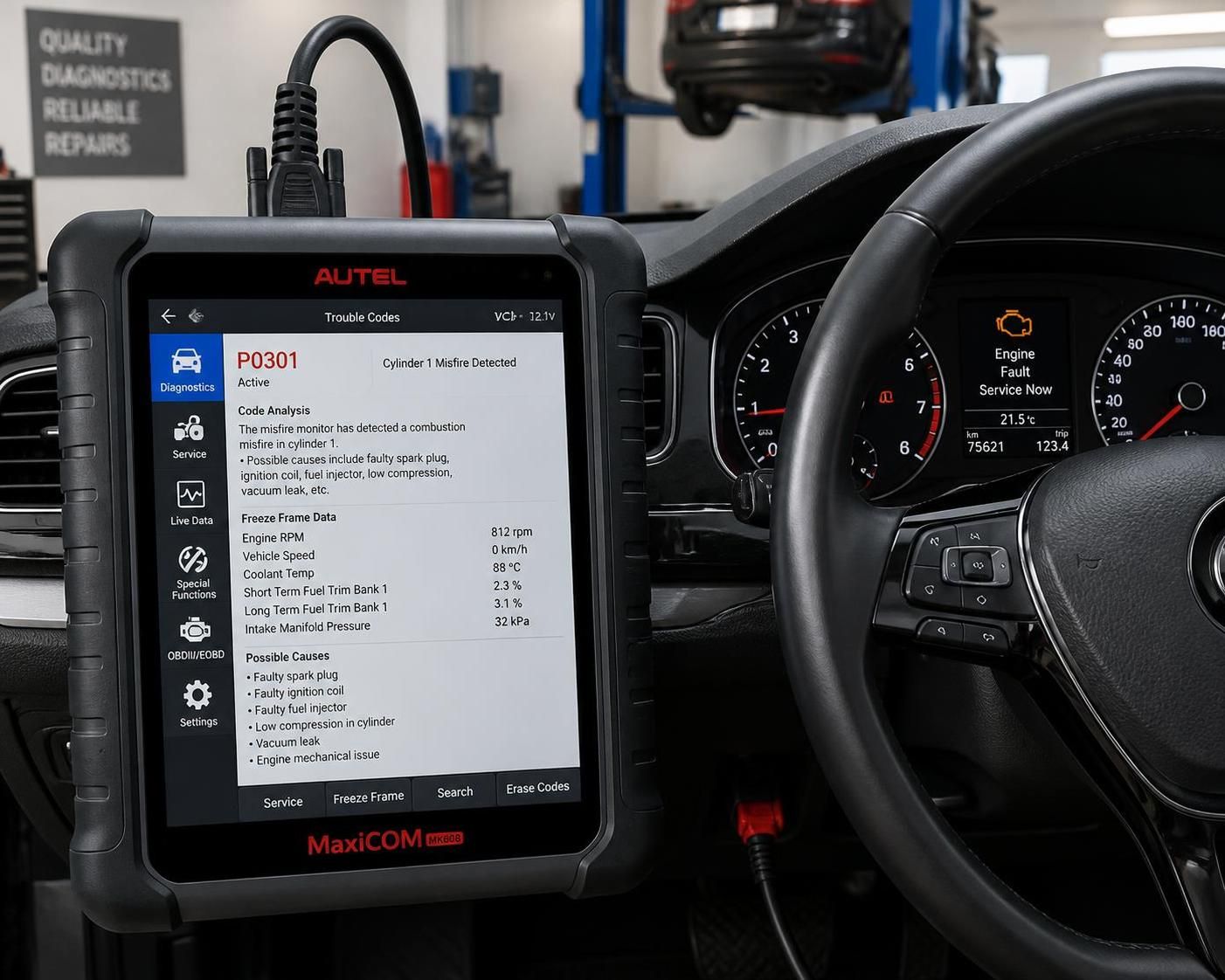
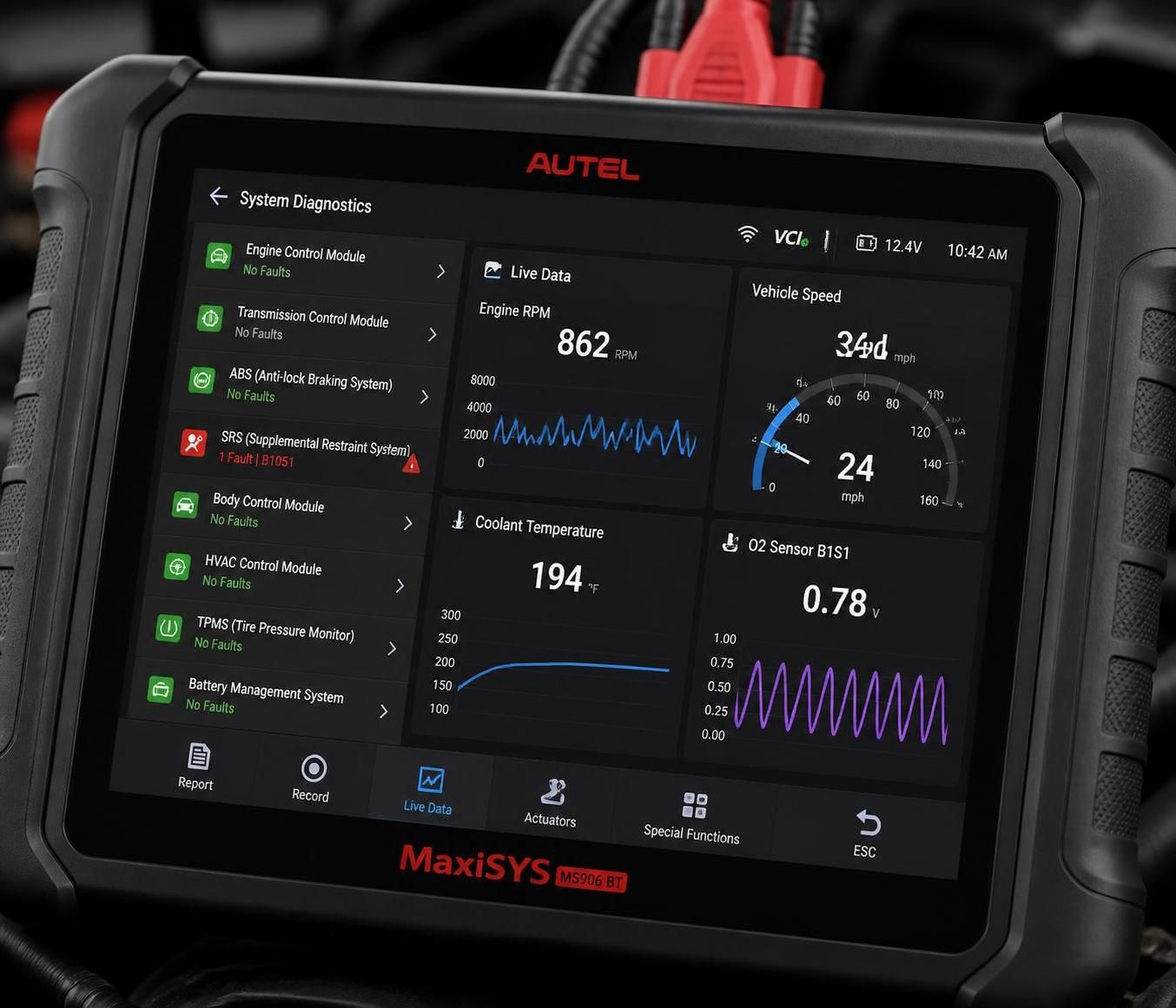
Professional workshops and local garages leverage advanced vehicle scanners to deliver precision diagnostics efficiently. These tools not only detect and clear fault codes but also perform active tests on components like fuel pumps, injectors, and sensors, which are essential for comprehensive automotive diagnosis. With advances in technology, vehicle scanners now provide real-time data streaming, which assists technicians in monitoring parameters such as fuel mixture, ignition timing, and sensor outputs, enhancing the accuracy of troubleshooting and repair processes.
Furthermore, the benefits of an auto diagnosis tool extend beyond fault detection. Regular diagnostic checks can act as preventative maintenance, identifying issues in their incipient stages. Given the complexity of modern vehicles, from electrical architectures to hybrid powertrains, having these devices ensures that both specialists and motorists can maintain optimum vehicle health. This proactive approach not only promotes safety but also protects your investment from unexpected breakdowns and inflated repair costs.
For those interested in a more detailed selection and comparison of devices, several online resources provide exhaustive reviews of tools ideal for different vehicle types and user expertise. Consulting these guides aids in pinpointing the optimal car diagnostic tool tailored to specific needs, ensuring the balance between functionality and budget. For more detailed informational reading and buying advice, visit an expert guide on choosing the right diagnostic tool for your vehicle.
Selecting the ideal vehicle fault finder requires careful consideration of various criteria to guarantee that the chosen device aligns with the vehicle model and the user’s diagnostic needs. Here is an in-depth breakdown of essential features and why they matter:
By carefully evaluating these factors, one can choose a car diagnostic tool that not only performs efficiently but also fits the budget and skill level of the user. For a deeper dive into the technical distinctions among top models currently available, readers can explore expert comparative analyses on leading automotive diagnostic devices.
| Model | Vehicle Coverage | Key Functions | Update Policy | Price Range |
|---|---|---|---|---|
| ICARZONE UR1000 | Multibrand, all systems | 50+ service functions, ECU coding, TPMS programming | Free lifetime Wi-Fi updates | Mid to high (€400-€600) |
| TOPDON One 10.1″ | Wide multibrand coverage | Bidirectional control, 50+ resets, AI diagnostics | Subscription based after free period | High (€600-€800) |
| Autel MaxiCOM MK808S | Multibrand, focus on common systems | 28+ service functions, active tests, injector coding | Free 1st year, paid updates thereafter | Mid (€450-€550) |
| Launch CRP129X | Broad multibrand | Engine, ABS, SRS, transmission diagnostics | Free lifetime Wi-Fi updates | Entry to mid (€200-€300) |
| Thinkcar TK689BT | Multibrand with focus on comprehensive testing | Bidirectional tests, 34+ service resets, Bluetooth | Free lifetime updates | Mid (€350-€450) |
While basic OBD2 readers allow reading and clearing of engine trouble codes, selecting a car diagnostic tool with advanced capabilities amplifies diagnostic accuracy and maintenance efficacy substantially. Here are key features to prioritize when choosing your automotive diagnostic device:
Incorporating these functions elevates the diagnostic process, leading to more precise fault pinpointing and enhanced vehicle servicing outcomes. However, advanced features often require greater user knowledge to avoid misinterpretation or inadvertent programming mistakes.
Numerous professional-grade tools might include subscription fees for advanced diagnostic protocols or regular software updates. Being aware of these costs beforehand ensures no unpleasant surprises after purchase. For a comprehensive guide on selecting a diagnostic device that matches your technical expertise and needs, consider consulting the detailed resources available on professional automotive diagnostic tool selection.
Being able to perform thorough diagnostics comes with the added advantage of cutting down garage visits for simple resets or minor troubleshooting tasks, helping local motorists save on labour costs and time.
Proper use of a vehicle scanner or engine code reader is paramount to obtain reliable results and avoid inadvertent harm to the vehicle’s electronic systems. Here are key tips and precautions to consider when operating these devices:
Adopting these best practices ensures the durability of your diagnostic equipment and the safety of your automobile’s electronics. When in doubt, do not hesitate to seek professional assistance or further training to use advanced car diagnostic software effectively.
For a detailed walkthrough on how to conduct a precise vehicle diagnosis and interpret results, visit this automotive diagnosis guide providing steps and tips to avoid common pitfalls.
Choosing where to purchase your automotive diagnostic device is as significant as selecting the right tool. Reputable sources ensure product authenticity, warranty coverage, and access to technical support. Here are some recommendations when acquiring a vehicle scanner or OBD2 reader:
The price spectrum for automotive diagnostic devices varies depending on features, brand, and update policies:
Investing in a credible tool tailored to your vehicle’s specifications and maintenance habits prevents futile expenses and enhances your ability to address vehicle issues independently. For an extensive listing and price-based recommendations, the article on top automotive diagnostic equipment delivers valuable analysis and guidance.

Understanding the Importance of Reliable Car Diagnostic Services in 2026 In the evolving landscape of automotive repair, securing a reliable car diagnostic…
Lire l’article →
Understanding the Best Multibrand Car Diagnostic Tool for Fast and Accurate Car Diagnostics In the evolving world of automotive maintenance, the best…
Lire l’article →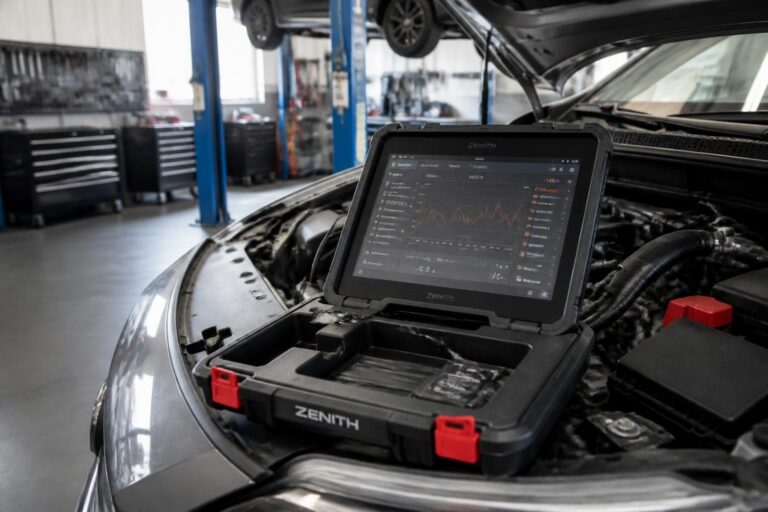
Understanding the Role of a Car Diagnostic Tool in Modern Vehicle Maintenance In today’s automotive world, the car diagnostic tool has become…
Lire l’article →