
Que faire en cas de pare-brise fissuré : guide complet et conseils pratiques
Understanding the Risks and Legal Implications of a Cracked Windshield A cracked windshield is more than a mere cosmetic issue; it jeopardizes…
Lire l’article →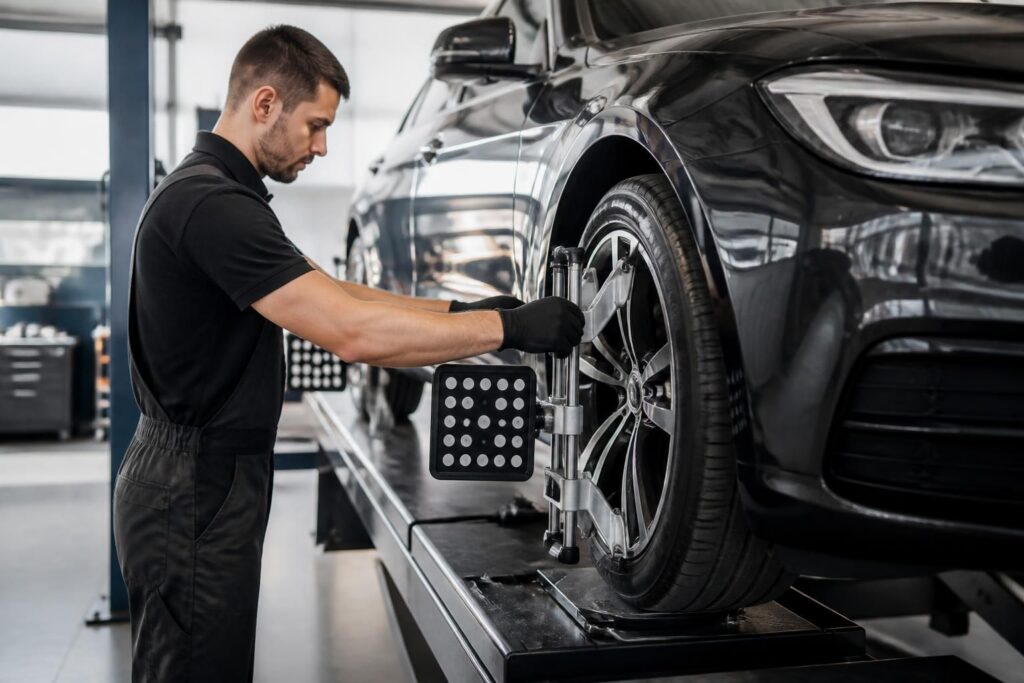
Wheel alignment, often referred to as parallélisme voiture in French, is a critical aspect of vehicle maintenance that directly affects the safety and performance of any car. In simple terms, it is the adjustment of the angles of the wheels so that they are set to the specifications recommended by the vehicle manufacturer. Proper alignment ensures that the wheels are parallel to each other and perpendicular to the ground.
In 2026, technological advances in automotive systems, including electric vehicles and sophisticated driver-assistance systems, have increased the complexity and precision required for wheel alignment. Poor vehicle alignment leads to uneven tire wear, increased fuel consumption, and compromised steering control, which can ultimately affect driver safety.
The alignment process now typically involves a thorough check of car suspension adjustment cost implications, as suspension components bear a close relationship with wheel angles. Misaligned wheels frequently cause the vehicle to pull to one side or the steering wheel to be off-center.
Modern mechanics use electronic tools and computerized systems for precise measurements, detecting even minute deviations from factory specifications. This ensures a safer drive, better tire longevity, and an optimized car maintenance alignment price investment, which benefits car owners in the long run.
Signs of faulty alignment include asymmetric tire wear, unusual vibrations in the steering wheel, and a noticeable pull towards one side while driving straight on a flat road. Ignoring these symptoms can escalate maintenance costs due to premature tire replacements or damage to suspension components.
At a local workshop such as Garage Crauzaz Nurieux, experts recommend an annual check or after impacts with curbs or potholes. This service plays a strategic role not only in preserving the life of tires but also in reducing overall running costs, including fuel expenses that can rise by up to 5% with poor alignment.
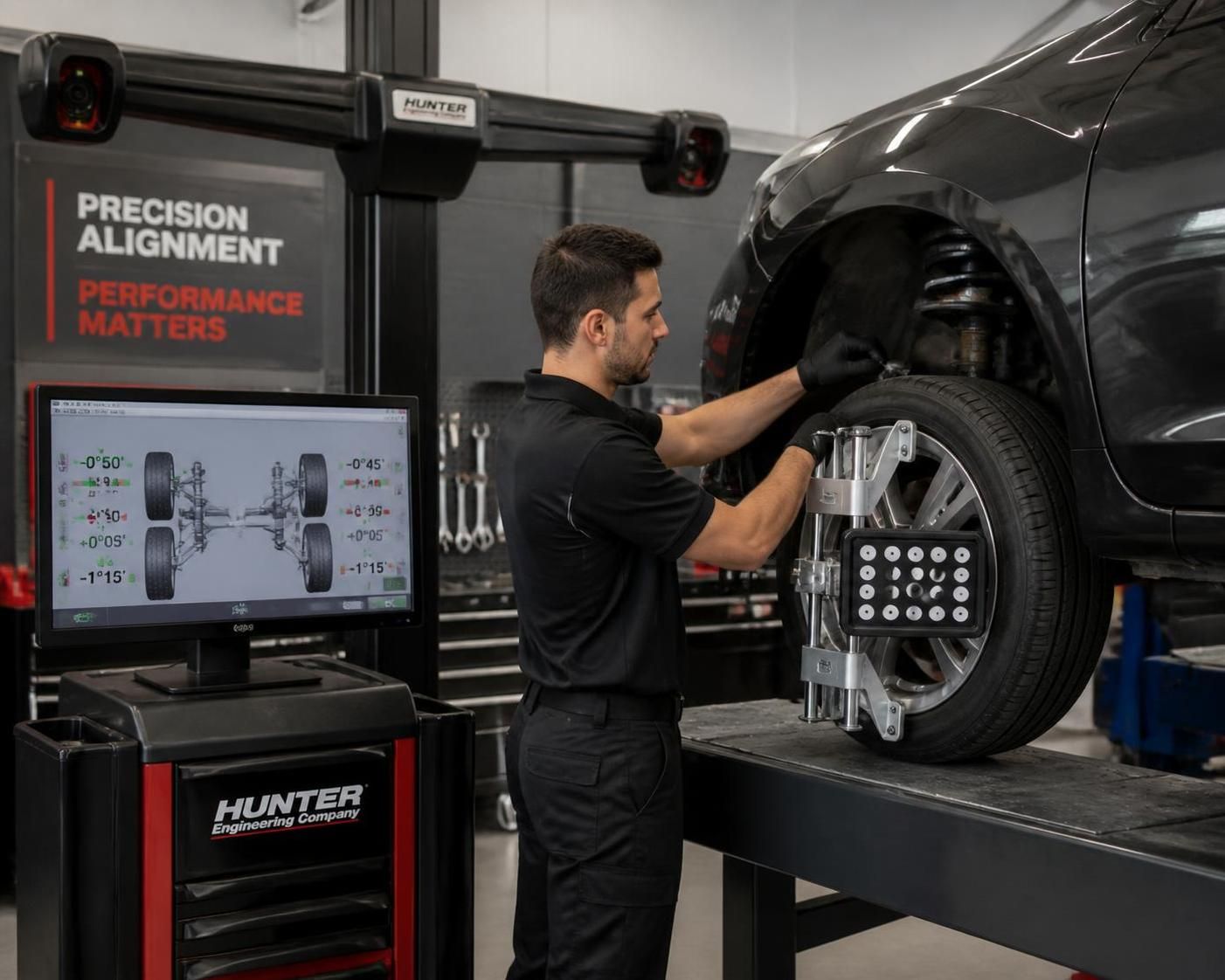
A vehicle that drifts or pulls to one side while driving straight is usually a clear indication of misaligned wheels. The steering wheel may also not be centered when driving on a straight path, creating discomfort and increased driver fatigue. These symptoms are often accompanied by visible uneven tire wear, which dramatically shortens tire life.
On close inspection, worn tires might show excessive wear on one edge or irregular pattern wear, which are tell-tale signs of poor wheel alignment. Vibrations emanating from the steering wheel during certain speed ranges further confirm potential alignment or balancing issues.
From a technical perspective, defective alignment can increase fuel consumption due to higher rolling resistance. Test cases reveal that imperfect alignment can raise fuel use between 3% to 5%, which becomes noteworthy over time.
More importantly, handling and road traction degrade significantly, especially during rainy or slippery conditions, increasing the risks of accidents. Continuous corrections required at the steering wheel lead to constant driver strain and may mask other mechanical faults if left unchecked.
An illustrative case from an automotive workshop reveals a small city car suffering edge tire wear after hitting a curb. Following a full wheel alignment and suspension inspection, both the trajectory and fuel consumption normalized, highlighting how a professional intervention restores vehicle performance and safety effectively.
Early detection and resolution not only preserve vehicle components but also ensure compliance with safety regulations, avoiding surprises at technical inspections or roadside checks.
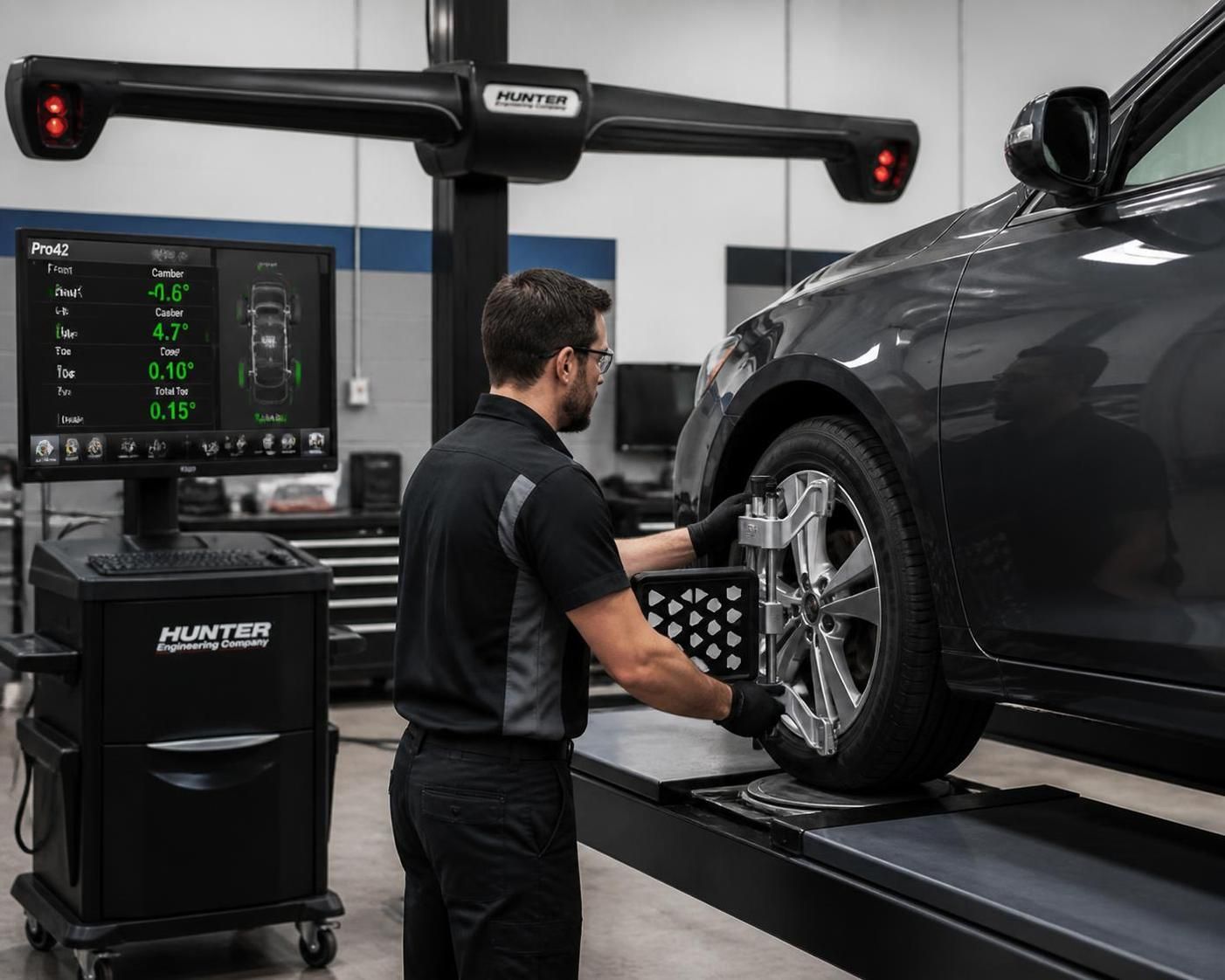
The wheel alignment process starts with an electronic diagnostic measuring the angular positions of the wheels. Sophisticated machines compare the current values against the manufacturer’s technical tolerances for the vehicle. This initial diagnostic identifies which angles—whether parallelism, camber, or caster—need adjustment.
Technicians adjust components such as tie rods, control arms, and suspension links to achieve the correct alignment. Subsequently, a thorough quality control check validates the adjustments, including a test drive to verify the corrected handling and steering alignment.
In many auto repair shops like Garage Crauzaz Nurieux, alignment services also incorporate a visual inspection of suspension components including ball joints, bushings, and shock absorbers. This inspection is essential since worn parts can prevent the alignment from holding properly, necessitating repairs before final adjustments.
A concrete example involves a winter tire change—a routine occasion to perform wheel alignment. Without proper adjustment, new tires could wear out prematurely, negating the benefits of fresh rubber and resulting in unexpected costs. Frequent customers report noticeable improvements in vehicle comfort and tire longevity after timely adjustment.
The entire process typically takes 30 to 60 minutes for a front axle alignment and up to two hours for a full four-wheel alignment, depending on vehicle complexity and access.
For those interested in a detailed explanation of the technical steps, many workshops provide documentation or online resources explaining the difference between simple wheel alignment service cost and comprehensive geometry adjustments that involve multiple angles.
The car wheel alignment cost in 2026 varies widely, influenced by vehicle type, the extent of the required adjustment, and the garage’s expertise and equipment. A basic front-axle alignment generally ranges between €60 and €90, which covers the adjustment of parallelism for the front wheels.
For comprehensive four-wheel alignment, including camber and caster adjustments, prices typically lie between €80 and €160. This price range reflects additional labor, the use of advanced measurement tools, and sometimes the complexity of suspension systems, especially on SUVs or vehicles with multi-link suspensions.
Several factors affect the final cost, such as accessibility of suspension components and the presence of electronic sensors that require recalibration. High-end vehicles or electric cars may incur higher costs due to specialized equipment needed for correct alignment.
Before scheduling an alignment, it is advisable to request a detailed quote specifying the number of axles adjusted and which components are included. For transparency, a reputable garage will provide written measurements taken before and after the alignment, combined with a test drive report.
| Type of Service | Estimated Price Range (€) | Included Services |
|---|---|---|
| Basic Front Wheel Alignment | 60 – 90 | Parallelism adjustment, test drive |
| Complete Four-Wheel Geometry | 80 – 160 | Parallelism, camber, caster adjustment, test drive |
| Diagnostic Check Only | 25 – 45 | Visual inspection, electronic measurements |
Local workshops, such as those recommended on Garage Crauzaz Nurieux price guide and detailed in industry reports, offer competitive rates and guarantee quality alignment with advanced machinery.
Additionally, many garages suggest bundling wheel alignment with other services like tire changes or suspension repairs, which can reduce overall labor costs and streamline maintenance schedules.
Preventive care is essential for maintaining the health of a vehicle’s suspension and ensuring safe handling. It is sensible to check wheel alignment at least once annually, especially during a regular vehicle inspection or immediately after any significant road impact, such as curbing or hitting potholes.
When replacing tires—particularly switching between summer and winter tires—alignment checks reduce premature wear hazards and improve driving comfort. Additionally, routine balancing of wheels complements alignments by preventing vibrations and uneven tire tread wear.
Maintaining a detailed maintenance log helps track alignment history and anticipate the next service. Drivers in rural or road-deteriorated areas must be even more vigilant, where the risk of sudden alignment changes is higher.
Simple habits further assist in early detection of alignment issues:
Taking such steps complements professional service and can help avoid costly repairs, as well as enhance overall ride quality. For those interested in detailed maintenance advice, consult the amortisseur replacement guide or auto diagnostic pricing tips, both of which support informed automotive care.

Understanding the Risks and Legal Implications of a Cracked Windshield A cracked windshield is more than a mere cosmetic issue; it jeopardizes…
Lire l’article →
Understanding the Vehicle Inspection Cost and Inspection Retest Fee in 2026 Vehicle owners preparing for their car inspection in 2026 should expect…
Lire l’article →
How to Quickly Locate an Open Garage Near Me for Emergency Car Repairs When facing a sudden car breakdown, finding a reliable…
Lire l’article →