
Comment trouver un garagiste honnête pour réparer votre voiture sans souci
Les critères essentiels pour reconnaître un garagiste honnête et fiable Choisir un garagiste honnête pour la réparation voiture est primordial afin d’éviter…
Lire l’article →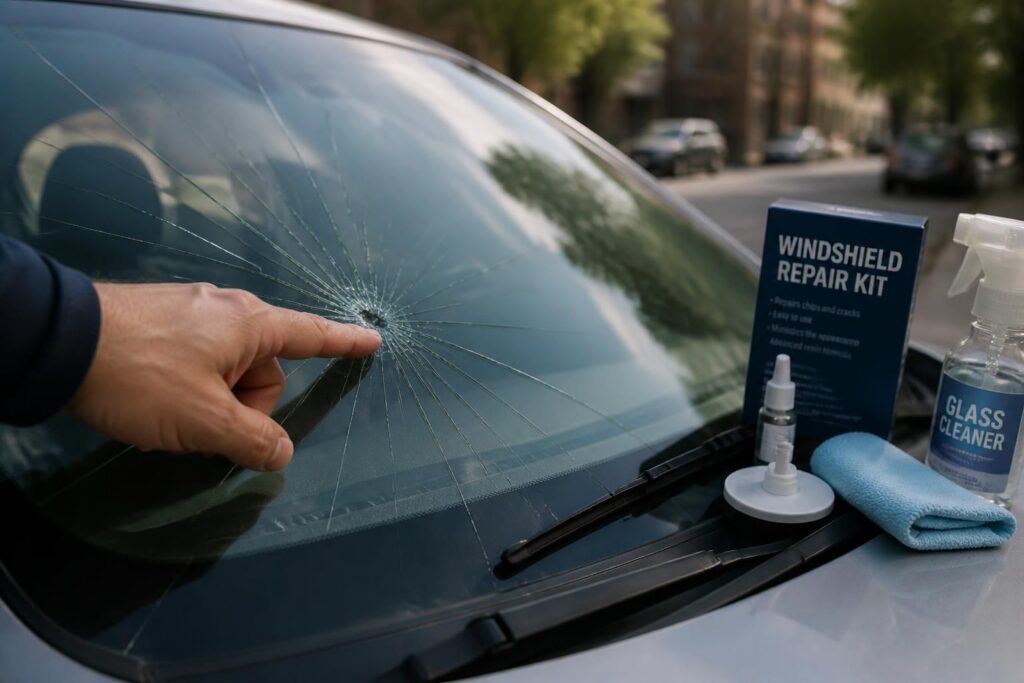
A cracked windshield is more than a mere cosmetic issue; it jeopardizes the safety and structural integrity of a vehicle. Modern windshields are composed of laminated glass, combining two layers of glass bonded with a polyvinyl butyral (PVB) interlayer. This design serves as a safety feature, ensuring that the glass holds together during impacts.
When a windshield acquires a crack or an impact, even a small one, it means that one of those glass layers has been compromised. This damage diminishes the windshield’s ability to distribute force evenly, undermining the vehicle’s rigidity. In case of a collision, a weakened windshield could fail to prevent cabin deformation, exposing passengers to increased risk.
Legally speaking, driving with a cracked windshield carries clear restrictions. French regulations specify that the crack or impact must not exceed 30 centimeters unless it lies outside the driver’s line of sight. If the crack runs across the entire width or height of the windshield, or measures more than 30 cm, it becomes an infringement. This can result in a 4th class fine amounting to €375 upon traffic stop.
Furthermore, a windshield showing more than three impacts, or damage within 5 cm of the edge, or close to rain sensors, is considered unsafe by regulations and will fail the technical inspection. For example, a crack located directly in the driver’s forward view seriously impairs visibility and must be repaired or replaced immediately to comply with road safety standards.
Ignoring these regulations may not only provoke legal consequences but also endanger lives. Reduced transparency and obstructed vision increase driver fatigue and the likelihood of accidents. Thus, immediate evaluation and response to any car glass damage is critical.
Delaying repair can also escalate the severity of the auto glass crack. Temperature variations, vibrations from road bumps such as potholes, or mechanical stress during driving often cause cracks to propagate rapidly. This rapid spread can transform a simple impact into a full-length fissure, necessitating expensive windshield replacement instead of a simple repair.
For detailed expertise on legal limits and recommendations related to cracked windshields, this guide offers comprehensive insight into what the law permits and how to act responsibly.
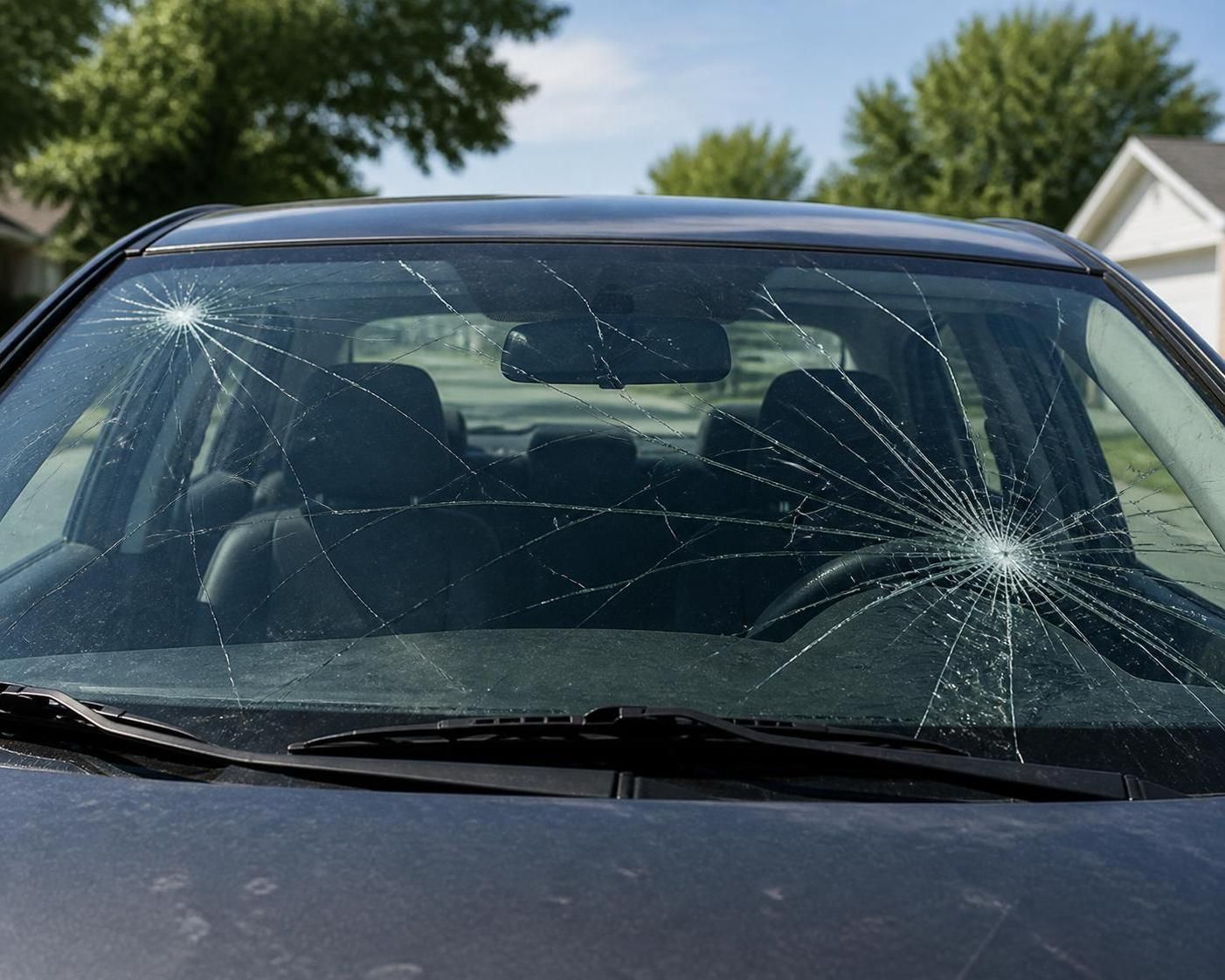
Preventing further damage to a cracked windshield begins with adopting safe driving habits and environmental precautions. Maintaining a safe following distance is essential. Gravel or debris thrown up by other vehicles are a common cause of impacts, so increasing space reduces the risk of new chips appearing.
Temperature management also plays a crucial role. Sudden changes between heat and cold can exacerbate existing cracks. For instance, using strong heating or air conditioning immediately when stepping into a very cold or hot car can cause the glass to expand or contract unevenly, worsening the fissure. In winter, it is advisable to cover the windshield with cardboard or a windshield cover when parking outdoors to avoid frost or ice contact. Similarly, sunshields help prevent extreme heat damage during peak summer months.
If a crack is already present, minor DIY techniques might slow its progression. For example, applying a special windshield resin or using kits designed to seal cracks can temporarily stabilize the damage. Some anecdotal methods, like applying household items like garlic juice, are occasionally mentioned but lack proven effectiveness and are generally not recommended by professionals.
Another practical tip involves carefully smoothing the crack’s edges with a specialized grinder or electric file, which can reduce stress points. However, these interventions serve only as temporary preventive measures.
Ultimately, the only definitive solution to stop a crack from spreading is professional windshield repair or replacement. It is imperative to act promptly and avoid ignoring the damage, particularly because a hasty crack can easily lead to sudden glass failure and create hazardous driving conditions.
Professional workshops often provide quick assessments to determine the best course of action, which might include injection of resin to reinforce the glass or an outright replacement for more severe damage. It is always better to consult an expert rather than rely solely on temporary DIY fixes.
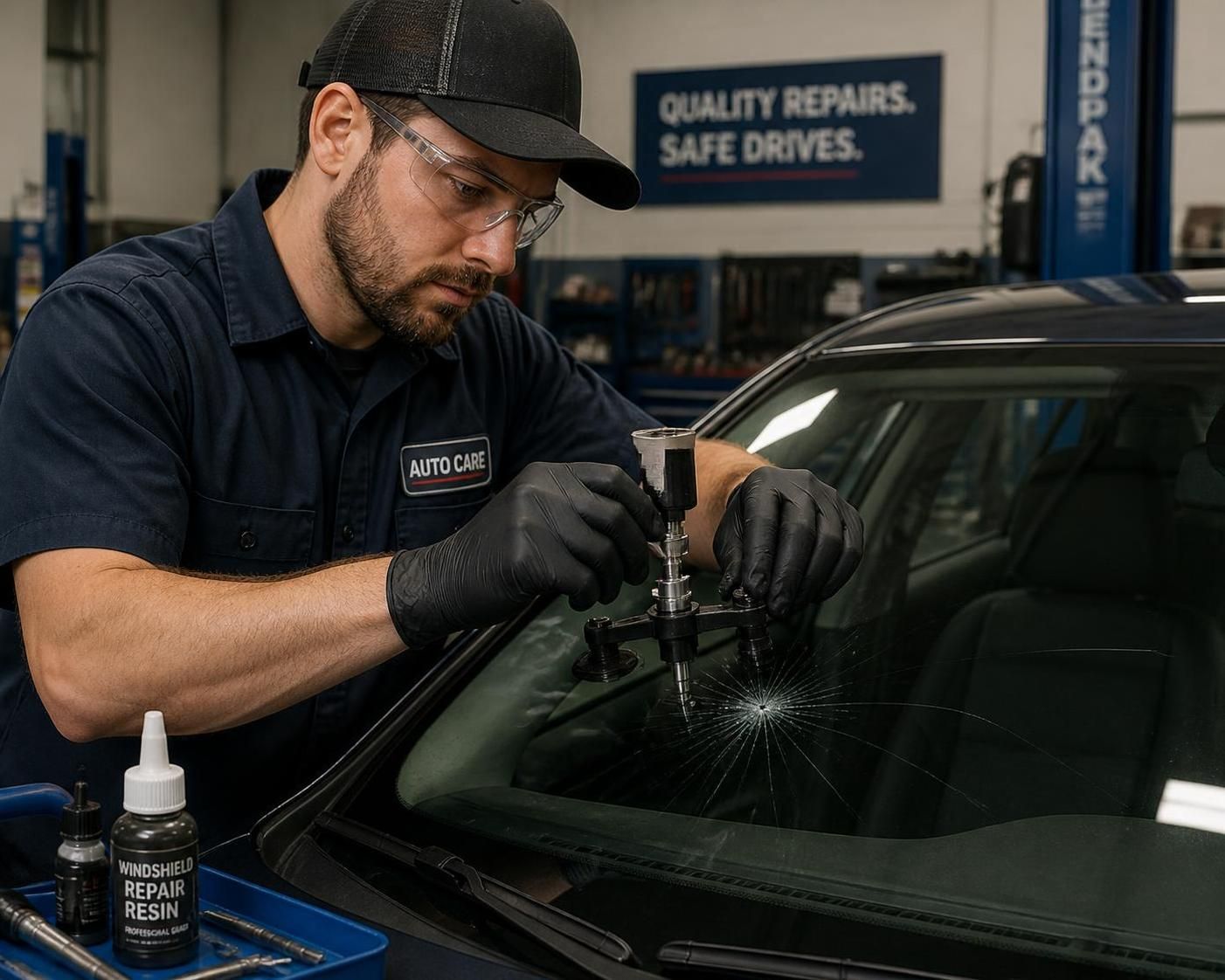
Not all cracks are equal, and whether a cracked windshield can be repaired depends on certain criteria:
If these conditions are satisfied, repair is feasible. The process generally involves cleaning the damaged area, removing any loose fragments, and injecting a special resin into the crack. This resin hardens under UV light, bonding the glass and restoring rigidity while minimizing visual distortion.
Professional windshield repair typically takes around 45 minutes, depending on the severity and location of the crack. Repair kits for DIY enthusiasts are available in the market, usually costing between €25 and €40. However, caution is advised as improper repair can leave hidden weaknesses and may complicate insurance claims.
Professional windshield repair usually costs about €120 to €140. In contrast, when replacement is necessary, prices vary between €300 and €500, depending on the vehicle model, glass type, and technician labor charges.
It is essential to verify insurance coverage for windshield damage. Many insurance policies include ‘bris de glace’ (glass breakage) guarantees, often covering repair or replacement costs with little to no upfront payment from the vehicle owner. Filing an insurance claim promptly can significantly reduce out-of-pocket expenses and speed up the repair process.
Accessing trustworthy repair services can be simplified by consulting dedicated platforms to find the best auto glass repair shop near you. This ensures access to qualified professionals who follow manufacturer guidelines, protect your warranty, and guarantee safety compliance.
Driving with a cracked windshield introduces considerable risks. The windshield plays a fundamental role in protecting occupants by maintaining the vehicle’s structural strength and serving as a shield against debris and environmental elements.
When the glass is significantly compromised, its ability to resist external impacts diminishes. An auto glass crack of significant length or located in critical positions can obstruct clear vision, particularly under night driving or poor weather conditions such as rain or fog. It can also interfere with newly integrated vehicle technologies like ADAS (Advanced Driver Assistance Systems), which rely on sensors usually attached on or near the windshield.
The risk is not limited to impaired vision. A weakened windshield increases the risk of shattering upon further impacts or accidents. Sudden vibration, heavy shocks like potholes, and temperature fluctuations contribute to unpredictable crack propagation.
Replacement becomes mandatory under the following circumstances:
Professional workshops use calibrated assessment techniques to determine whether a damaged windshield can be repaired or must be replaced. In the case of replacement, technicians ensure that the new windshield is mounted following manufacturer prescriptions, preserving the vehicle’s safety standards.
Ignoring a large crack or postponing replacement can lead to fines and potentially dangerous situations on the road. Law enforcement officers can issue a fine of €375, and the vehicle may be immobilized until compliance is restored.
Understanding when to choose windshield replacement over repair is critical to keep both legal and safety obligations in check. For detailed information on safety challenges linked to a cracked windshield, the insurance provider’s advice offers useful perspectives.
Recognizing a cracked windshield early and following the correct steps can prevent further damage and reduce costs. A practical checklist for drivers dealing with this issue includes:
These steps not only enhance safety but also help avoid costly replacements by catching damage early. Moreover, timely repair preserves the vehicle’s resale value and prevents the inconvenience of receiving a failed technical inspection or fines during police checks.
For guidance on selecting certified repair centers or making insurance claims, reliable resources like this expert auto advice platform simplify the process, offering actionable information tailored to your vehicle’s specific needs.

Les critères essentiels pour reconnaître un garagiste honnête et fiable Choisir un garagiste honnête pour la réparation voiture est primordial afin d’éviter…
Lire l’article →
Les critères indispensables pour reconnaître un garage sérieux Lorsque vous cherchez un garage sérieux pour entretenir ou réparer votre voiture, plusieurs critères…
Lire l’article →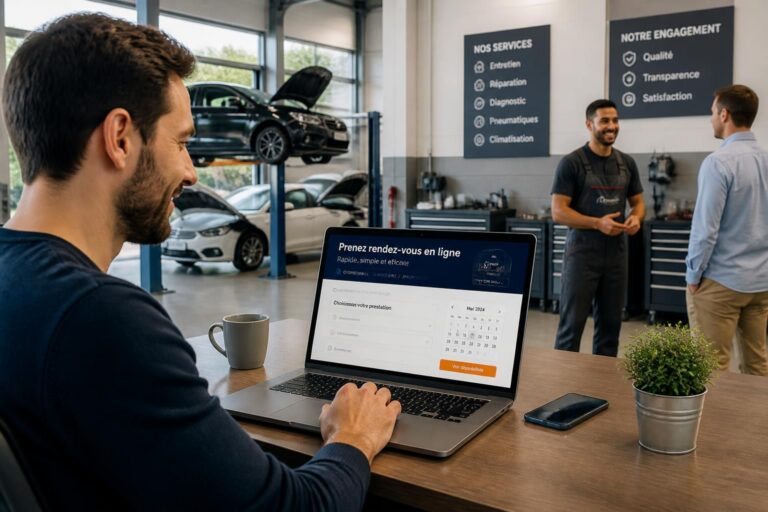
Les étapes clés pour prendre rendez-vous dans un garage facilement Prendre rendez-vous dans un garage peut parfois sembler fastidieux, surtout lorsque l’on…
Lire l’article →