
Quel est le prix d’un diagnostic électronique pour votre véhicule ?
Les bases du diagnostic électronique : comprendre son rôle et son utilité pour votre véhicule Lorsque le témoin d’alerte s’allume sur votre…
Lire l’article →
The head gasket serves as a vital seal between the engine block and cylinder head, maintaining pressure and preventing the mixing of oil, coolant, and combustion gases. When this component fails, it can cause severe engine damage if left undetected. Understanding head gasket symptoms is essential for any driver looking to maintain vehicle health and prevent costly repairs.
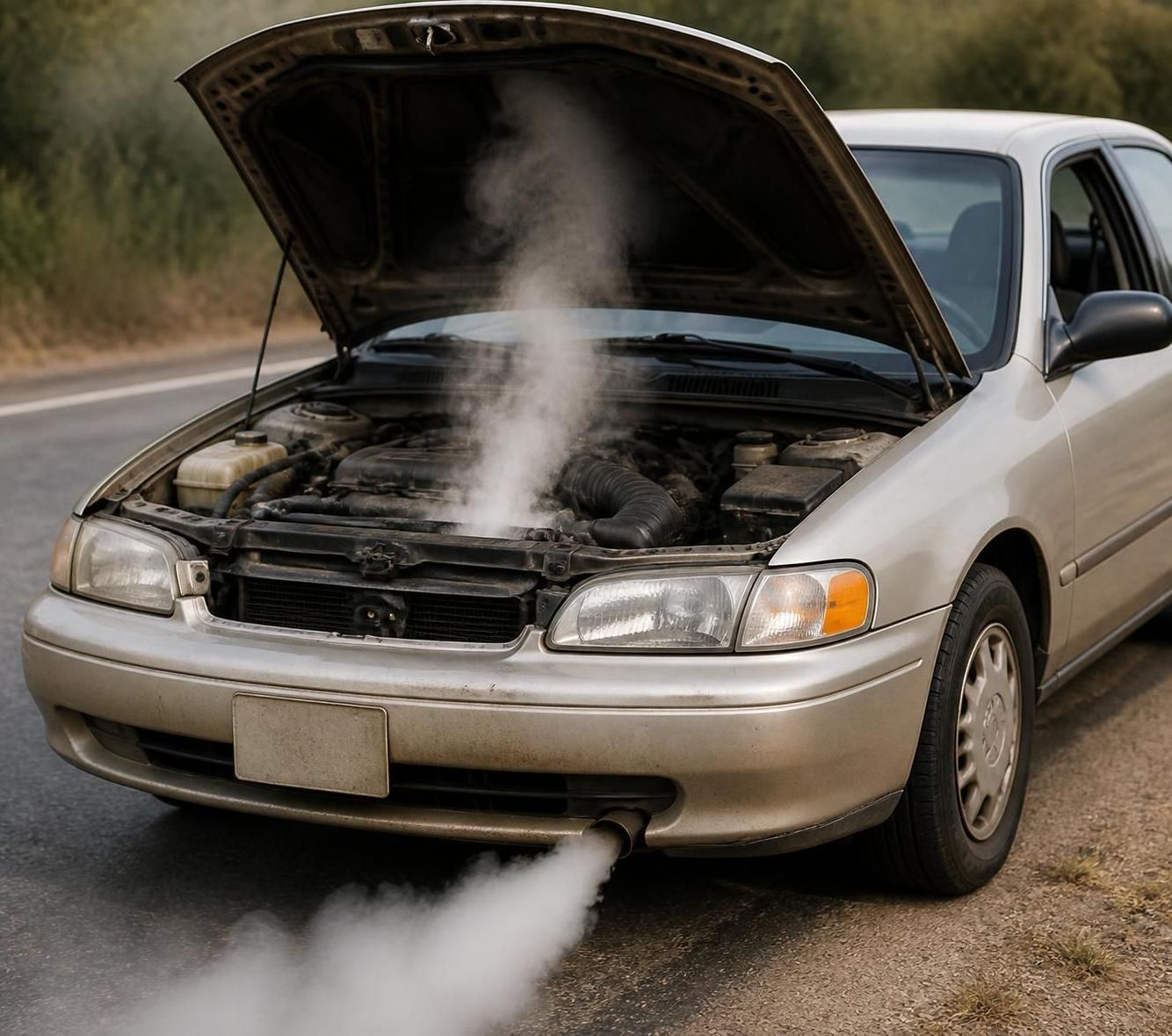
One of the most evident indications of a blown head gasket is white smoke from the exhaust. This smoke results from coolant entering the combustion chamber and vaporizing during engine operation. Unlike ordinary condensation vapor seen briefly on cold starts, persistent thick white smoke at normal engine temperature indicates a serious issue.
Another common sign is engine overheating, which occurs because a damaged gasket disrupts the effectiveness of the engine’s cooling system. Loss of proper coolant flow or mixing with engine oil can cause rapid temperature increases, often repeatedly, even after topping up coolant levels.
Drivers may also notice coolant loss without any apparent external leaks. Since the gasket fails to separate the coolant passages from the combustion chamber or oil passages, coolant can escape internally, reducing its level. This often leads to unexplained liquid drops in reservoirs or repeated need for coolant refills despite no visible leaks.
Oil contamination represents another critical symptom where coolant mixes with engine oil, creating a milky or foamy appearance, commonly called “mayonnaise.” This contamination drastically reduces oil’s lubrication properties and can lead to fast wear on engine parts.
Besides these, engine misfire or engine performance issues can arise. Leaks in the head gasket can cause uneven cylinder compression, resulting in irregular engine operation, loss of power, rough idling, and sometimes noticeable knocking or clattering noises.
It is important to verify these symptoms collectively rather than relying on one alone, as similar signs might result from other mechanical issues. For example, condensation can cause temporary milky oil in short trips, and external coolant leaks may mimic internal gasket issues. Therefore, a thorough professional check is recommended to confirm a blown head gasket.
For a more detailed list and verification, consulting expert resources such as symptoms of a defective head gasket offers clear guidelines on what to observe to avoid misdiagnosis.
The failure of the head gasket is a mechanical issue that evolves rapidly. It is not simply a leak but a breach of critical separation between oil, coolant, and combustion gases. This leads to cascading consequences that affect the whole engine’s reliability and lifespan.
Initially, minor gasket leaks might seem tolerable, causing occasional engine misfire or slight coolant loss. However, if not addressed, these leaks allow coolant and oil to mix, which deteriorates lubricating properties and causes overheating due to inefficient cooling.
This contamination establishes a vicious cycle where heat damages further seals and the gasket itself. The influx of combustion gases into coolant passages causes pressure surges, leading to bubbling in the reservoir and accelerating the breakdown of gasket material and related parts.
Over time, persistent overheating warps the cylinder head, causing warping or cracks that require expensive machining or outright replacement. This progression can culminate in catastrophic engine failure, including fractured blocks or destroyed pistons, forcing a full engine replacement.
Contaminated oil accelerates wear on vital components like bearings and piston rings, frequently causing engine performance issues such as loss of power or rough running conditions. In some cases, ignition timing and combustion efficiency suffer noticeably, compounding mechanical stress and fuel consumption.
Additionally, a defective gasket affects peripheral engine systems. The water pump, radiator, and thermostat are placed under higher stress from improper coolant flow and pressure variations, often leading to associated failures and compounding repair costs.
Ignoring these symptoms often leads to much higher expenses. For example, an unaddressed gasket leak on a turbocharged engine can damage critical parts like the turbocharger itself, where oil contamination and overheating shorten its service life.
Expert analysis at local workshops, such as Garage Crauzaz Nurieux, emphasizes the importance of prompt intervention to avoid a chain reaction of failures. Repairs at early stages commonly prevent the need for extensive engine replacements, reducing downtime and preserving vehicle value.
More insights on potential risks are provided in detail on resources like joint de culasse symptoms and risks for informed decision-making.
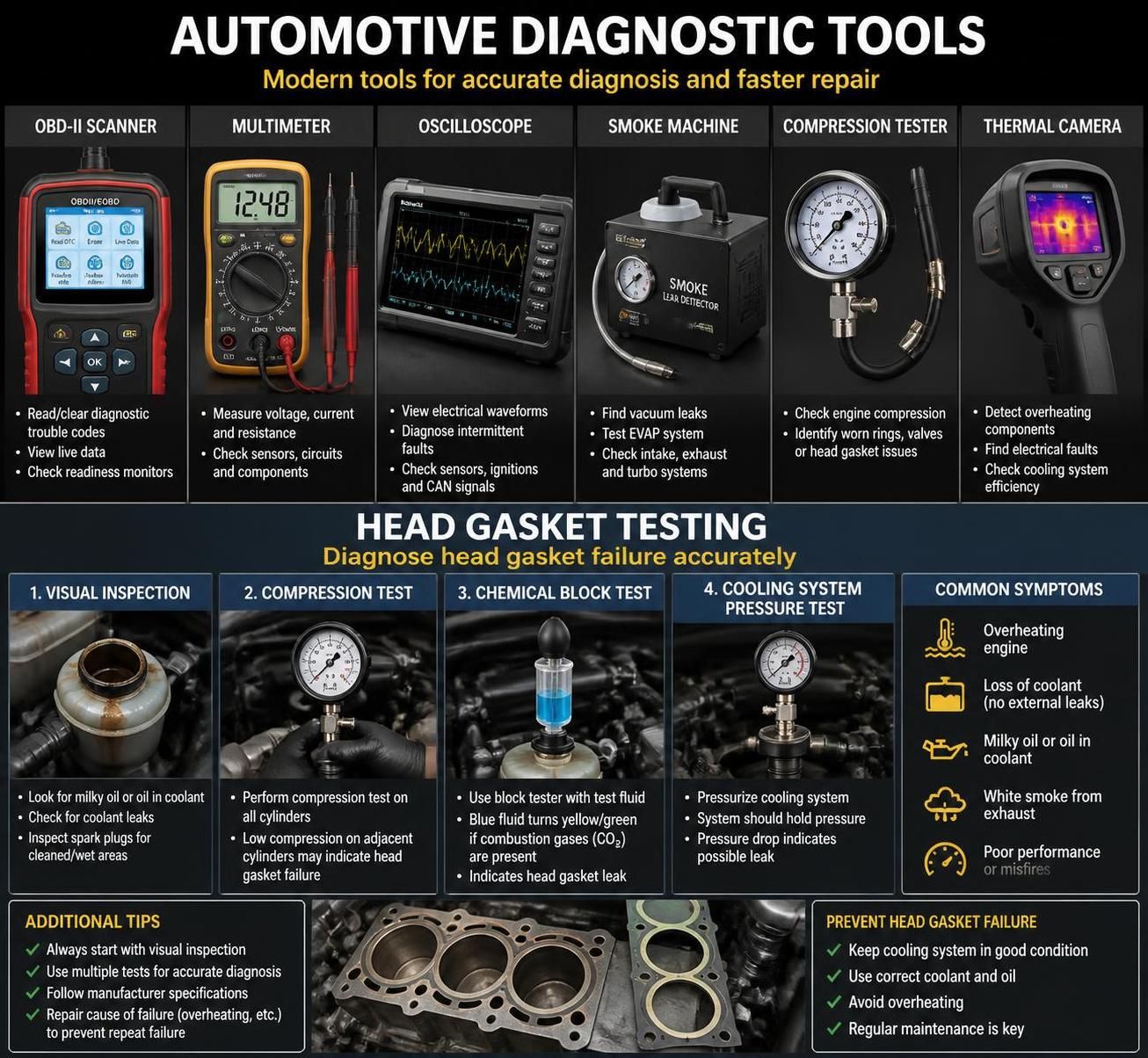
Diagnosing a defective head gasket requires a blend of systematic observation and specialized testing to differentiate it from other engine malfunctions that mimic its symptoms. Modern diagnostic tools improve accuracy but require expertise to interpret results properly.
One of the first diagnostic steps is a cylinder compression test, which checks for uneven pressure levels. A low compression in one or more cylinders can indicate gasket leaks or damaged valves and pistons. However, since some faults allow gases to escape internally without pressure loss, complementary methods are necessary.
To detect combustion gases in the coolant, mechanics use specific chemical tests or gas detection kits that identify exhaust gases dissolved in the coolant system. This test is particularly useful for modern turbo engines, where external signs may be subtle but coolant loss is progressive.
Oil analysis complements the diagnostic process. Identifying water contamination in the oil confirms the mixing problem. It is essential to distinguish this from simple condensation, which may cause similar appearances but with less severe consequences.
Electronic diagnostic tools also play a key role. Engine control units (ECU) monitor sensors for temperature, pressure, and misfire codes that help highlight early symptoms of gasket failure. However, these electronic warnings are not always triggered immediately, so physical inspections remain critical.
Experienced workshops verify multiple parameters simultaneously to eliminate false positives and gauge the severity of the damage. Such comprehensive diagnostics typically cost between 80 and 180 euros and provide peace of mind and an informed basis for repair decisions.
| Diagnostic Method | Purpose | Typical Cost (€) | Reliability |
|---|---|---|---|
| Cylinder Compression Test | Checks pressure loss in cylinders, detects mechanical leaks | 50 – 120 | High for detecting leaks, but needs complementary tests |
| Combustion Gas Detection in Coolant | Identifies exhaust gas ingress into coolant system | 70 – 150 | Very reliable for confirming gasket failure |
| Oil Analysis | Detects water contamination in engine oil | 30 – 60 | Moderate, useful in combination with other tests |
| Electronic Diagnostic Scanner | Monitors engine sensor faults and misfire codes | 40 – 80 | Useful for early alerts but not definitive alone |
For a complete and professional diagnosis, visiting an experienced garage is recommended. To understand the range of tests performed on a suspect head gasket, the article detailing symptoms and diagnostics provides valuable insights.
Repairing a blown head gasket is typically a labor-intensive and expensive undertaking. Costs vary widely depending on the vehicle model, engine type, severity of damage, and local labor rates.
Generally, depending on whether the engine has a simple or multi-layered gasket, and whether machining of the cylinder head is necessary, expenses range between 700 and 3,000 euros. High-performance or modern turbocharged engines often incur higher costs due to more complex disassembly and component replacement.
The repair process usually involves substantial disassembly, including removal of components such as the intake manifold, exhaust system, and possibly ancillary parts like the water pump. This contributes to longer workshop times, typically between 3 to 7 days.
In cases where the gasket failure is ignored too long, additional damage to the head or engine block may require costly resurfacing or complete engine replacement, elevating bills to over 10,000 euros and extending downtime significantly.
Local garages like Garage Crauzaz Nurieux recommend that customers request detailed quotes before proceeding, since upfront pricing can help anticipate the total financial commitment and avoid surprise costs related to unforeseen complications.
| Intervention Type | Average Cost (€) | Estimated Downtime | Risk Level if Ignored | Notes |
|---|---|---|---|---|
| Replacing Simple Head Gasket (Older Engines) | 700 – 1,200 | 3 – 4 days | Medium – possible oil/coolant mixing | No machining usually required if detected early |
| Replacing Multi-Layer Gasket (Modern Turbo/Sport Engines) | 1,500 – 3,000 | 5 – 7 days | High – extensive collateral damage risk | Often requires head machining and new accessories |
| Full Engine Replacement | 4,000 – 10,000 | 7 – 15 days | Very High – total loss risk | Only if neglect leads to catastrophic failure |
| Diagnostic and Testing Only | 80 – 180 | Less than a day | Low – helps avoid costly damage if acted early | Recommended at first suspicion |
Ensuring early detection and timely repair will generally save both money and stress for vehicle owners. Understanding these financial and timeline constraints aids decision-making during what can be a critical mechanical issue.
Prevention remains the most effective approach to avoid the costly consequences of a blown head gasket. Proper maintenance and monitoring help ensure the lasting integrity of this crucial engine component.
Regularly checking and maintaining coolant and oil levels is fundamental. Sudden drops often indicate leaks, and addressing these immediately helps prevent deeper issues. It is advisable to use only manufacturer-recommended coolants and oils that suit the engine specifications.
Monitoring the engine temperature and watchfulness for any sudden engine overheating events provide a key early warning. If the temperature gauge fluctuates unusually or reaches higher than normal ranges repeatedly, the cooling system and gasket should be inspected promptly.
Respecting scheduled service intervals for oil and coolant changes reduces contamination risks and helps maintain suitable operating conditions inside the engine. On more demanding or sport-oriented vehicles, preventive replacement of head gaskets after certain mileage thresholds can be a wise investment.
During servicing, ensuring professional mechanics use or replace all recommended gaskets and seals, including the head gasket, prevents premature failures. Opting for quality OEM parts over cheaper alternatives preserves reliability and long-term savings.
Finally, reacting swiftly to any early signs of gasket issues — such as persistent white exhaust smoke, unusual smells, or performance drops — and seeking professional diagnostics limit the extent of repair and avoid immobilizing breakdowns on the road.
Implementing these measures aligns with recommendations found in expert articles such as recognizing symptoms of gasket failure, helping drivers avoid severe mechanical complications.

Les bases du diagnostic électronique : comprendre son rôle et son utilité pour votre véhicule Lorsque le témoin d’alerte s’allume sur votre…
Lire l’article →
Comprendre la valise de diagnostic automobile : fonctionnement et utilité La valise de diagnostic automobile est un outil devenu incontournable pour quiconque…
Lire l’article →
Comprendre les bases du diagnostic voiture pour un contrôle technique efficace Le diagnostic voiture est devenu une étape incontournable pour assurer la…
Lire l’article →