Que faire lorsque la réparation de votre voiture coûte trop cher ?
Understanding When Car Repair Becomes Too Expensive The cost of car repair can sometimes surpass expectations, leaving vehicle owners uncertain about the…
Lire l’article →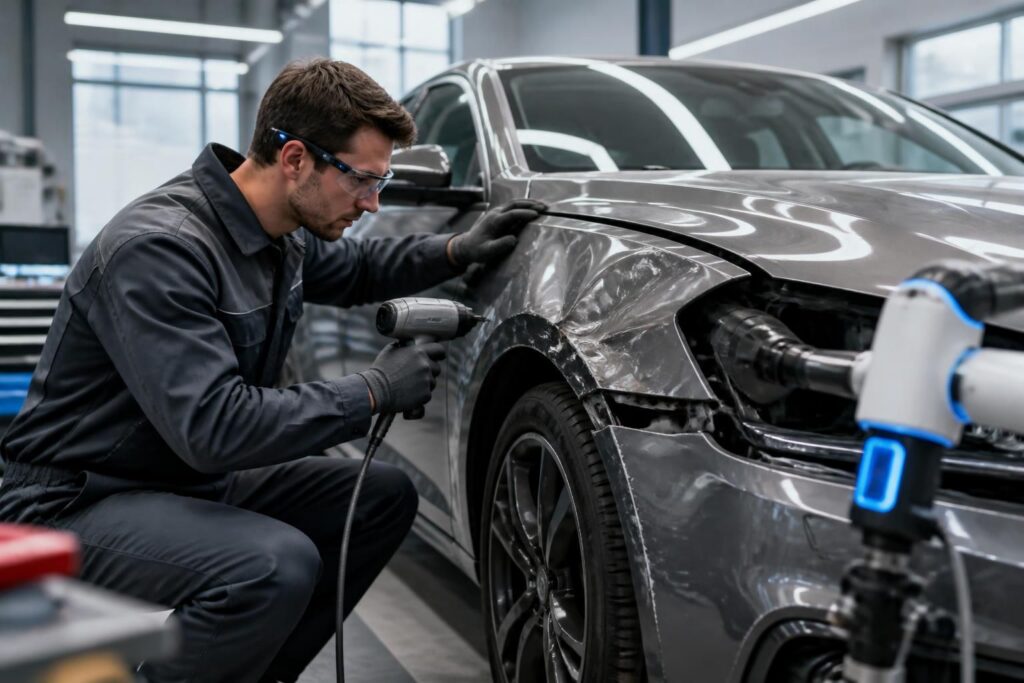
The cost to repair the body of your car in 2026 depends on multiple variables that go beyond the visible damage itself. Vehicle bodywork price is influenced by the type of repair required, the affected parts of the car, and the methods used for restoration. For motorists dealing with scratches, dents, or more significant structural damage, obtaining an accurate auto body repair estimate is a vital step before committing to repairs.
Repair costs vary widely, from minor touch-ups to complete panel replacements. For example, fixing a superficial scratch—a frequent car bodywork issue—can range from a simple polishing costing between €80 to €150 to a full repaint of a panel if the damage extends deeper. The depth and length of scratches heavily influence the final cost. Similarly, car dent repair prices fluctuate significantly based on the size and severity of the dent. Small dents under 3 cm can often be fixed with paintless dent repair (PDR) for approximately €60 to €120, whereas large dents requiring repainting and bodywork can cost up to €1,500.
Several aspects shape the pricing structure:
Technological advances remain a factor. For example, modern plastic bumpers are often repairable rather than replaced, reducing costs. However, if sensors or cameras are integrated, repairs become more specialized and pricey. Furthermore, regional differences in labor rates come into play, with urban centers typically charging higher auto body shop rates than smaller towns.
Because of such a range of factors influencing car body repair cost, a prudent approach is to request detailed auto body repair estimates from several garages. This process helps to identify fair market rates and avoid overpaying.
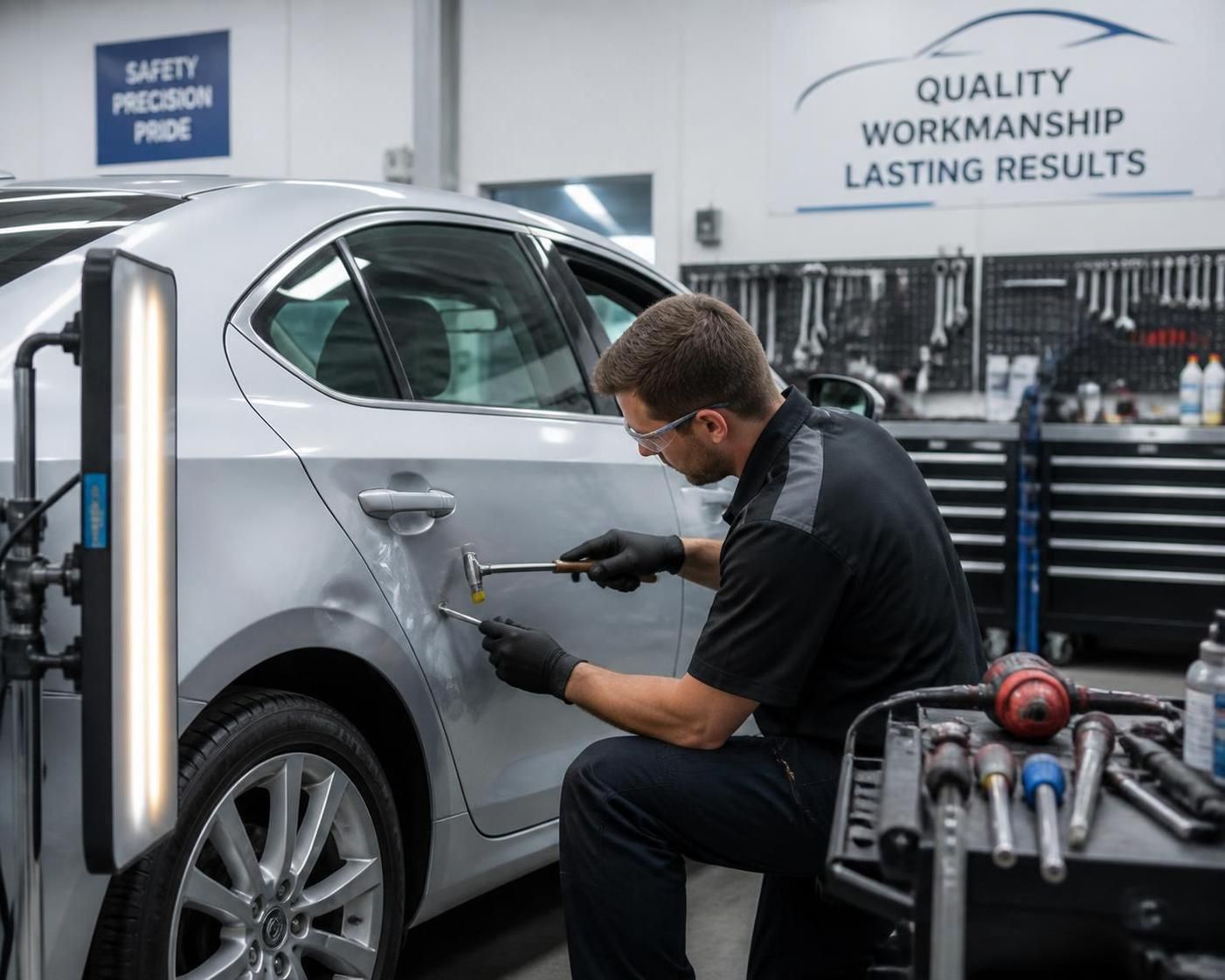
When considering car scratch repair cost, it’s important to categorize scratches based on severity. Superficial scratches that only affect the clear coat or varnish may be removed effectively with machine polishing, costing around €80 to €150. In contrast, deeper scratches reaching through the paint layers to the metal body often require sanding, filling, and repainting, pushing the expense to between €250 and €500.
Many car owners attempt to use DIY kits or touch-up pens priced between €10 to €25 for minor scratches. While these solutions prevent rust and improve aesthetics at a glance, they seldom deliver flawless results close-up.
Dent repairs vary as well, with paintless dent removal (PDR) being the most cost-effective for small dents without paint damage. For dents smaller than 3 cm, PDR costs range between €60 and €120. For medium dents (3 to 10 cm), prices increase up to around €250. Large dents that deform the panel and damage paint are significantly more expensive due to the need for repainting and sometimes panel replacement.
Below is a detailed table summarizing some common repair types with their average price ranges as seen in 2026:
| Type of Repair | Method | Average Cost (€) |
|---|---|---|
| Micro Scratch (superficial) | Machine Polishing | 80 – 150 |
| Light Scratch (clear coat damage) | Touch-up Paint | 100 – 250 |
| Deep Scratch (primer visible) | Sanding, Primer & Painting | 250 – 500 |
| Small Dent (<3cm) | Paintless Dent Repair (PDR) | 60 – 120 |
| Large Dent with Paint Damage | Body Filler + Painting | 300 – 700 |
Accurate estimations like these assist vehicle owners in budgeting their repair costs and avoiding unexpected expenses. For more tailored advice, reading reliable sources on vehicle bodywork pricing trends can be beneficial. These resources offer insights aligned with current market rates and innovations in repair techniques.
The cost to repair or replace car panels such as bumpers, doors, and fenders plays a notable role in the overall vehicle body repair price. Panels absorb much of the impact in collisions and parking mishaps, so knowing typical costs is crucial for informed choices.
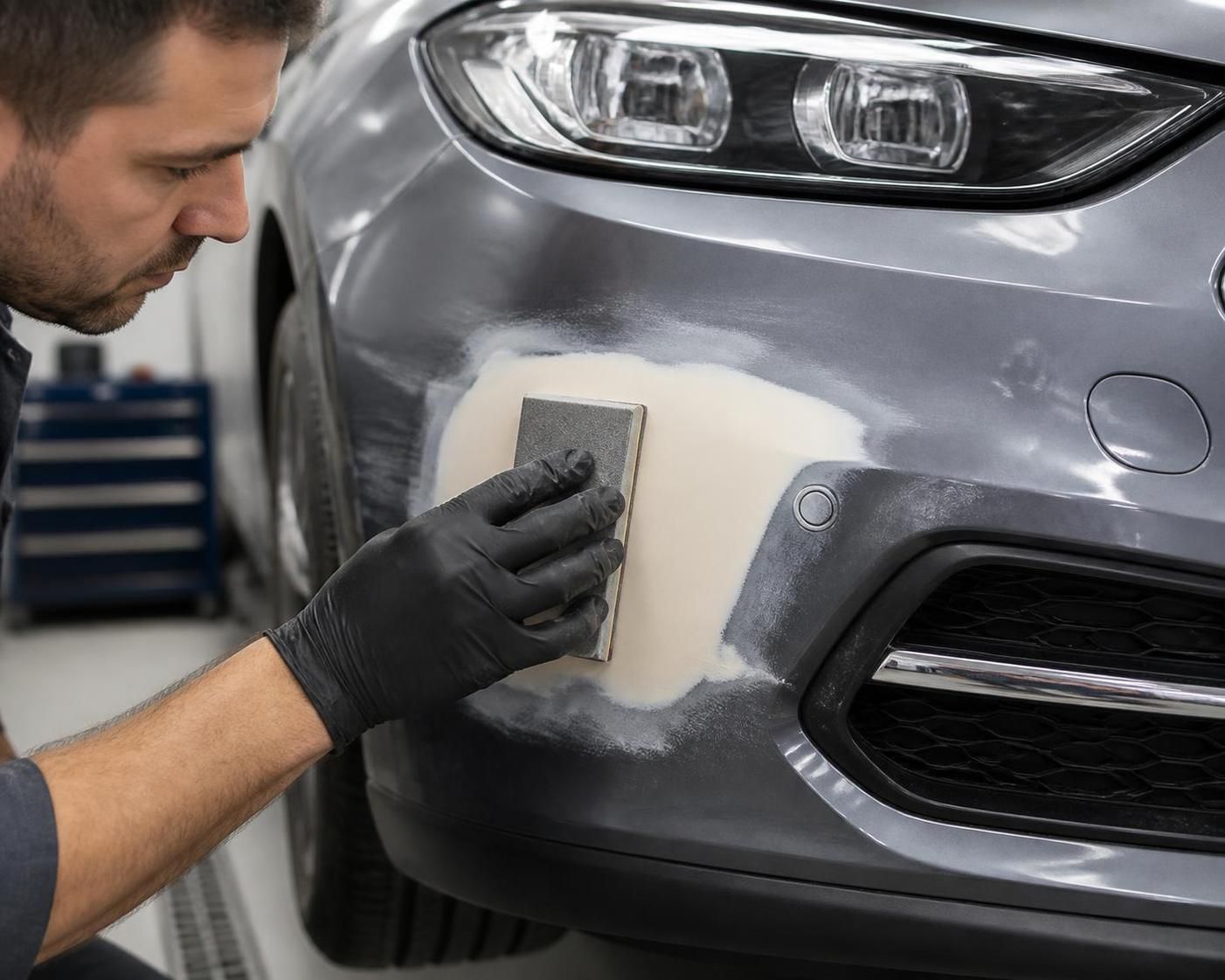
Bumpers are typically made of polypropylene or other plastics, making them repairable in many scenarios. Superficial scrapes or small cracks can be fixed through sanding, plastic welding, and repainting — typically costing between €150 and €350. For extensive damage requiring replacement, including repainting and potentially mounting sensors, prices can rise from €400 to as much as €1,200 depending on the vehicle type.
Repairing doors involves a wider price range. Minor dents with no paint damage can often be addressed with paintless dent repair around €80 to €200. When repainting is necessary, especially on large enfoncements, costs increase to between €500 and €1,000. In cases of severe damage, outright door replacement becomes necessary and can cost anywhere from €800 to €2,500, factoring in labor and paint matching.
Fenders (or wings) also present variability. Front fenders are commonly bolted on, simplifying replacement, whereas rear fenders are frequently welded to the frame, making their replacement more labor-intensive and expensive—sometimes toward the €1,500 to €3,000 range.
Another influencing factor is the vehicle’s brand and model. Repairing a bumper on a luxury car like a BMW or Audi often costs nearly double due to complex paint finishes and expensive parts. In addition, regional labor rates change repair prices, with auto body shop rates higher in metropolitan areas.
It is essential to note that opting for certified used or recycled parts can reduce car panel repair cost by 40% to 60%. Since 2019, garages are legally required to offer this option, helping vehicle owners lower their repair bills without sacrificing quality.
Auto body shop rates vary widely across France and depend heavily on the type of garage and its expertise. Independent garages often offer lower hourly rates ranging between €50 and €70. Centers linked to national chains such as Norauto or Speedy tend to charge between €60 and €80 per hour. In contrast, specialized body shops or dealership workshops usually bill more for the same labor, often from €90 up to €130 per hour.
Understanding the structure of car repair prices involves recognizing the breakdown of costs into labor and parts. Labor accounts for the majority of the bill in many repairs, especially those requiring expert craftsmanship like paint matching or panel replacement. Parts cost depends on whether OEM, aftermarket, or recycled components are used.
To ensure the repair suits both budget and quality expectations, obtaining at least three detailed quotes from different providers is recommended. This comparison allows clients to spot market price ranges and assess the value of services offered. Websites like Garage Crauzaz Nurieux provide valuable advice on how to interpret these estimates and select trusted workshops.
Additionally, crew members at reputable garages are experienced in suggesting cost-saving alternatives, such as smart repairs targeting only the damaged areas instead of full panel repainting. Smart Repair techniques can reduce costs by up to two-thirds for small localized damage.
Here is a summary table highlighting varying labor costs detected in different workshop types:
| Garage Type | Hourly Labor Rate (€) |
|---|---|
| Independent Garage | 50 – 70 |
| National Auto Center (Norauto, Speedy) | 60 – 80 |
| Specialized Car Body Shop | 70 – 90 |
| Brand Dealership Workshop | 90 – 130 |
Not every imperfection on a vehicle’s body requires professional intervention. Several cost-effective DIY solutions exist that can manage minor car damage and help keep repair costs low without compromising vehicle appearance. However, knowing when professional repairs become necessary is critical to prevent worsening the condition.
Simple scratches and light surface imperfections may be treated at home using affordable tools such as polishers and touch-up pens. Polishing agents designed to remove micro scratches often cost between €15 and €30, while touch-up paint pens sell for under €25. Proper application can prevent rust formation and maintain the car’s resale value, although the finish may not be flawless.
Paintless dent repair kits or suction cups costing around €10 to €20 are suitable for minor dents where the paint remains intact. These tools can pull out shallow dents from flat panels effectively when used correctly, though results vary based on panel type and dent shape.
More involved repairs, like plastic bumper crack fixes or headlight restoration, are achievable with repair kits costing between €30 and €50. These kits usually include fillers, sandpaper, and paint supplies or UV sealants for optics.
However, certain scenarios clearly require the expertise of a professional body shop:
Incorrect amateur repairs not only risk further damage but can also decrease the vehicle’s resale price. Misaligned paint or mismatched colors immediately signal improper maintenance to prospective buyers. Therefore, when in doubt, consulting a trusted car bodywork professional is the safest choice.
Resources on how to handle repair costs smartly may provide additional insights for budget-conscious motorists.

Understanding When Car Repair Becomes Too Expensive The cost of car repair can sometimes surpass expectations, leaving vehicle owners uncertain about the…
Lire l’article →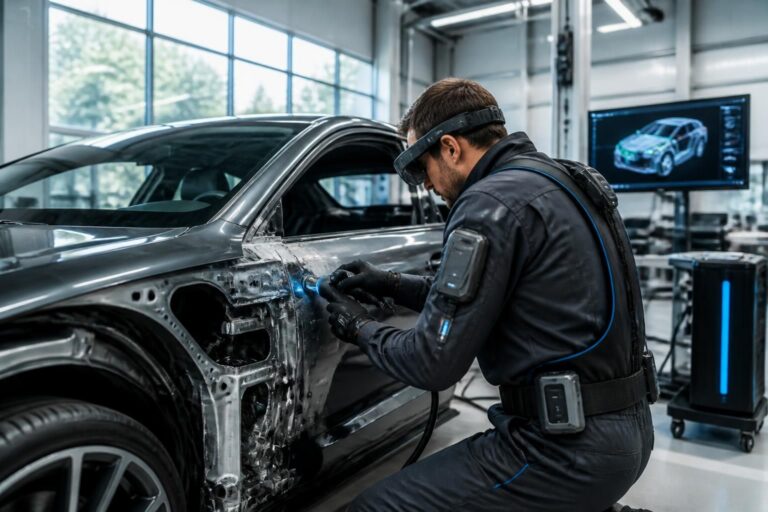
Understanding the Average Car Body Repair Cost in 2026 In 2026, the cost of car body repairs is influenced by numerous variables,…
Lire l’article →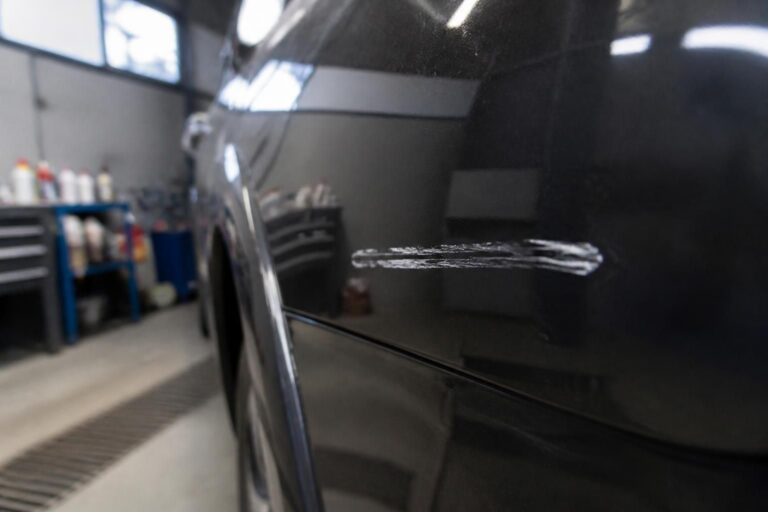
Understanding the Costs of Scratch Repair on Your Vehicle When facing a scratch on your car’s body, understanding the scratch removal cost…
Lire l’article →