
comment réparer une voiture facilement à la maison
Evaluating Home Car Repair: Identifying Feasible DIY Car Fixes Before attempting any at-home car repair, it is essential to evaluate the scope…
Lire l’article →
One of the key aspects that most vehicle owners focus on when considering car repair cost is the labor price, which typically reflects the bulk of the expense. In 2026, the average car repair price in France has experienced a notable rise, with labor rates contributing significantly to this trend. The hourly rates for auto mechanic charges vary widely depending on the type of garage, geographic location, and the complexity of the repair.
Generally, an independent mechanic charges between 50 € and 80 € per hour, primarily catering to common repairs on general vehicles. Meanwhile, large center autos like Norauto, Speedy, or Midas hold rates between 60 € and 90 € per hour, offering standardized services often bundled in transparent package deals for routine maintenance or simple fixes.
Dealerships, especially in metropolitan areas or specialized brand concessions, present a higher labor pricing tier. Regular brand dealerships like Renault or Peugeot apply hourly rates between 70 € and 100 €, reflecting a premium for brand-specific expertise and access to manufacturer parts warranties. Luxury brand dealerships, such as BMW, Mercedes, or Porsche, have the steepest labor fees, ranging from 100 € to 130 € per hour, mainly due to the sophisticated equipment and technician training required for these high-end vehicles.
It’s important for motorists to realize that this labor rate does not include diagnostic costs, spare parts, or applicable taxes, so vehicle repair expenses can escalate depending on these additional factors. For example, a diagnostic scan for electronic faults can alone add between 50 € and 150 € to a repair bill, which is why understanding the difference between hourly labor charges and total labor cost is crucial when reviewing a repair estimate car.
The disparity in hourly rates between garage types also reflects different operational expenses and business models. Independent garages generally have lower overheads and can offer competitive pricing, especially in less urbanized regions where rent and wages are less burdensome. Conversely, dealerships, constrained by manufacturer mandates and higher employee costs, must maintain elevated prices to remain profitable.
In larger cities like Paris, these hourly rates tend to increase by approximately 10 to 20% due to higher operating costs, meaning even independent garages may approach dealership pricing levels. Consequently, the choice of repair facility can have a significant impact on the final car repair budget, particularly for substantial repairs requiring extensive labor hours.
To make an informed decision, drivers are encouraged to request a detailed written quote specifying the labor hours anticipated and the respective rates applied. This allows for a direct comparison across providers and avoidance of unexpectedly high charges, which have become more common amid rising inflation in the automotive repair sector.
When analyzing auto repair pricing 2026, the type of repair is a decisive factor influencing total cost. Different interventions require varied technical skills, parts, and labor time. Understanding typical costs for common repairs can considerably help drivers anticipate expenses and create a realistic car maintenance cost plan.
The table below summarizes typical labor-only fees alongside total estimated costs including parts for frequent repair types in independent garages or centers auto:
| Type of Repair | Labor Cost Only | Estimated Total Cost (Labor + Parts) |
|---|---|---|
| Engine Oil Change + Filter | 30 € – 60 € | 80 € – 150 € |
| Front Brake Pads Replacement | 40 € – 70 € | 100 € – 180 € |
| Front Discs and Pads Replacement | 60 € – 100 € | 180 € – 350 € |
| Timing Belt Replacement | 150 € – 300 € | 350 € – 700 € |
| Air Filter Replacement | 15 € – 30 € | 35 € – 70 € |
| Tire Mounting and Balancing (4 tires) | 40 € – 80 € | Varies depending on tire type |
| Electronic Diagnostic Scan | 50 € – 150 € | (Diagnostic only) |
| Fuel Injection System Repair | 100 € – 250 € | 250 € – 600 € |
| Turbocharger Replacement | 200 € – 400 € | 600 € – 1,500 € |
| Coolant Flush and Replacement | 30 € – 60 € | 60 € – 120 € |
Compared to prior years, these costs have increased notably in labor fees rather than parts prices. This trend reflects inflation-driven adjustments in wages and operating expenses rather than a sharp rise in component manufacturing costs. Customers seeking repairs can benefit from comparing quotes and choosing garages that match their budget and vehicle brand expertise. For ongoing information on this topic, explore tools for estimating repair costs which are regularly updated and aligned with standard market pricing across France.
Finally, common routine maintenance such as oil changes or air filter replacements remain at the lower end of the repair spectrum, while major repairs like timing belt changes or turbo replacements should be budgeted carefully, ideally with multiple quotes for better price comparison and authorization only after transparent estimates are provided.
Recurring repairs and maintenance represent a critical part of managing a car repair budget. Approaching a trusted professional at the outset can save both time and costs later.
The wide range in vehicle repair expenses also stems from differing business models and service promises offered by workshops. It is important to understand why prices fluctuate and what drivers gain or lose by selecting one type of garage over another.
Dealerships typically charge the highest rates, justified in part by their technicians’ specialized training, mandatory equipment, and original parts. Their repair pricing also distinguishes between warranty-covered work and out-of-warranty services, which typically cost 30 to 50% more than at independent garages. Yet many consumers tolerate these premiums for certified expertise and factory warranty security.
Conversely, centers autos focus on standardized service with convenient pricing, often using a forfait system. This results in competitive service prices that are usually 20 to 40% below dealership pricing for common interventions such as oil changes, brake pads replacements, and tire mounting. These establishments employ versatile mechanics rather than brand specialists, which suits many owners whose vehicles are out of warranty or require routine work.
Independent garages are increasingly popular as cost-effective yet reliable solutions, especially for complex repairs or older vehicles. Their lower fixed costs allow for competitive pricing on both labor and parts. The main challenges are ensuring the garage’s experience with specific vehicle brands and verifying their reputation, which can be done through recent customer reviews and formal, transparent quotes.
A notable factor that motorists must acknowledge is the regional influence on pricing. Large urban areas show a consistent trend toward the upper scale of labor costs. For example, in Paris or Lyon, an independent garage may command rates typically found only in dealership workshops elsewhere due to local economic pressures.
Understanding these factors aids customers in aligning their expectations with available services and costs, minimizing unpleasant surprises when receiving their repair estimate car. In this light, consultative communication with the garage about exactly what’s included in the labor rate and whether cheaper part alternatives exist is essential for a well-managed vehicle maintenance and repair plan.

Clarifying and interpreting a car service price 2026 estimate can protect vehicle owners from inflated costs. A comprehensive repair estimate breaks down into four essential components that should always be reviewed in detail before consenting to any work.
Signs of an abusive estimate include inflated labor hours well above official repair time benchmarks and refusal to offer less expensive parts alternatives. With repair costs becoming a bigger burden on household budgets, vigilance and an informed approach are crucial to managing the car repair budget.
To keep control of your expenses, it is sensible to ask for a minimum of three different estimates before approving repairs, especially for expensive work such as timing belt replacement or turbocharger overhaul. This practice can reveal price differences of up to 30-40% on the same service within the same city.
Finally, some financial relief options exist for eligible customers, such as repair solidarity vouchers from social funds or zero-interest loans offered by certain local authorities. These support mechanisms can importantly reduce out-of-pocket expenses associated with critical vehicle repairs.
Knowing the nuances of repair pricing is essential for planning and managing your car repair budget. A realistic expectation prevents shocks and supports faster decision-making when an unexpected vehicle problem arises.
Five practical tips to control your repair expenses include:
Regular vehicle maintenance and careful selection of your garage can minimize the risk of costly repairs. Preventive care such as routine inspections helps detect early signs of wear before they escalate into budget-busting problems.
For those interested in verifying typical service prices, the guide on average car service pricing in 2026 provides valuable insights and benchmarks.
Moreover, knowing when to request a detailed and transparent repair estimate car can ensure peace of mind and help keep your vehicle running reliably without draining your finances.
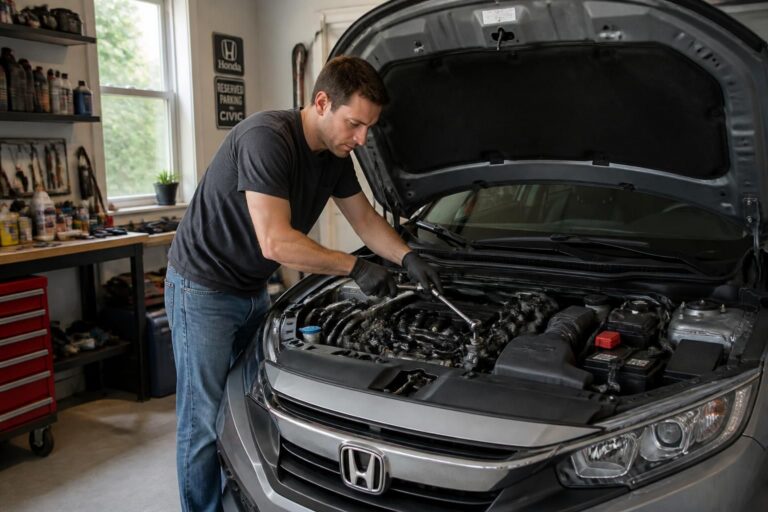
Evaluating Home Car Repair: Identifying Feasible DIY Car Fixes Before attempting any at-home car repair, it is essential to evaluate the scope…
Lire l’article →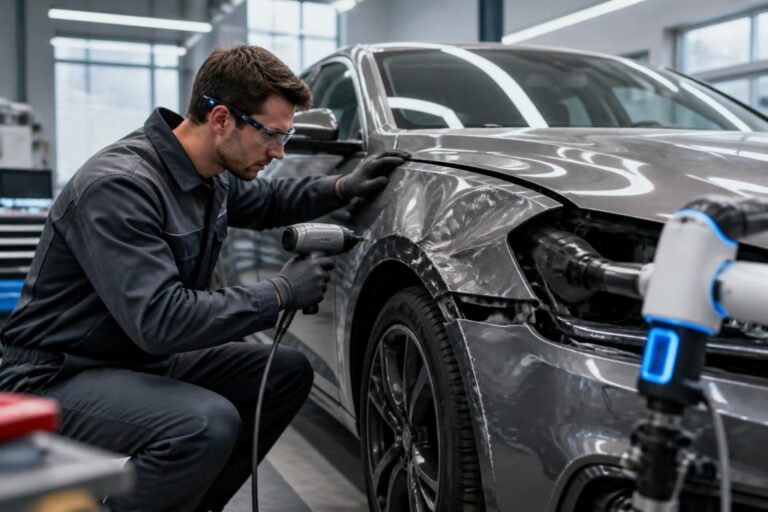
Understanding Car Body Repair Cost in 2026: Key Factors Affecting Your Vehicle Bodywork Price The cost to repair the body of your…
Lire l’article →
Understanding When Car Repair Becomes Too Expensive The cost of car repair can sometimes surpass expectations, leaving vehicle owners uncertain about the…
Lire l’article →