
Quel est le prix d’un diagnostic électronique pour votre véhicule ?
Les bases du diagnostic électronique : comprendre son rôle et son utilité pour votre véhicule Lorsque le témoin d’alerte s’allume sur votre…
Lire l’article →
Engine stalling at idle is a common issue that can affect vehicles regardless of age or mileage. It happens when the engine unexpectedly cuts off while the vehicle is at rest or the accelerator pedal is released. This symptom, often referred to as car stalls at idle, signals that the engine’s idle speed is too low to maintain combustion efficiently.
The problem usually stems from an imbalance in the air-fuel mixture or inaccurate data sent to the engine control unit (ECU). Essentially, three major systems must work in harmony to keep the engine running at idle:
If any of these systems begin to falter—whether due to wear, contamination, or electrical faults—the result can be engine idle issues leading to stalling. A well-maintained engine avoids these problems, but even a slight malfunction can cause the engine to stall when stopped, which requires timely diagnostic and repair to prevent more severe damage.
Typical causes include a dirty throttle body restricting air flow, worn spark plugs causing incomplete combustion, defective air flow sensors sending incorrect signals, or leaks in the intake system introducing unmeasured air. Understanding these factors helps drivers anticipate problems and seek appropriate solutions sooner rather than later. It is advisable to consult experienced automotive workshops like Garage Crauzaz Nurieux for comprehensive engine troubleshooting and repair of idle stall issues.
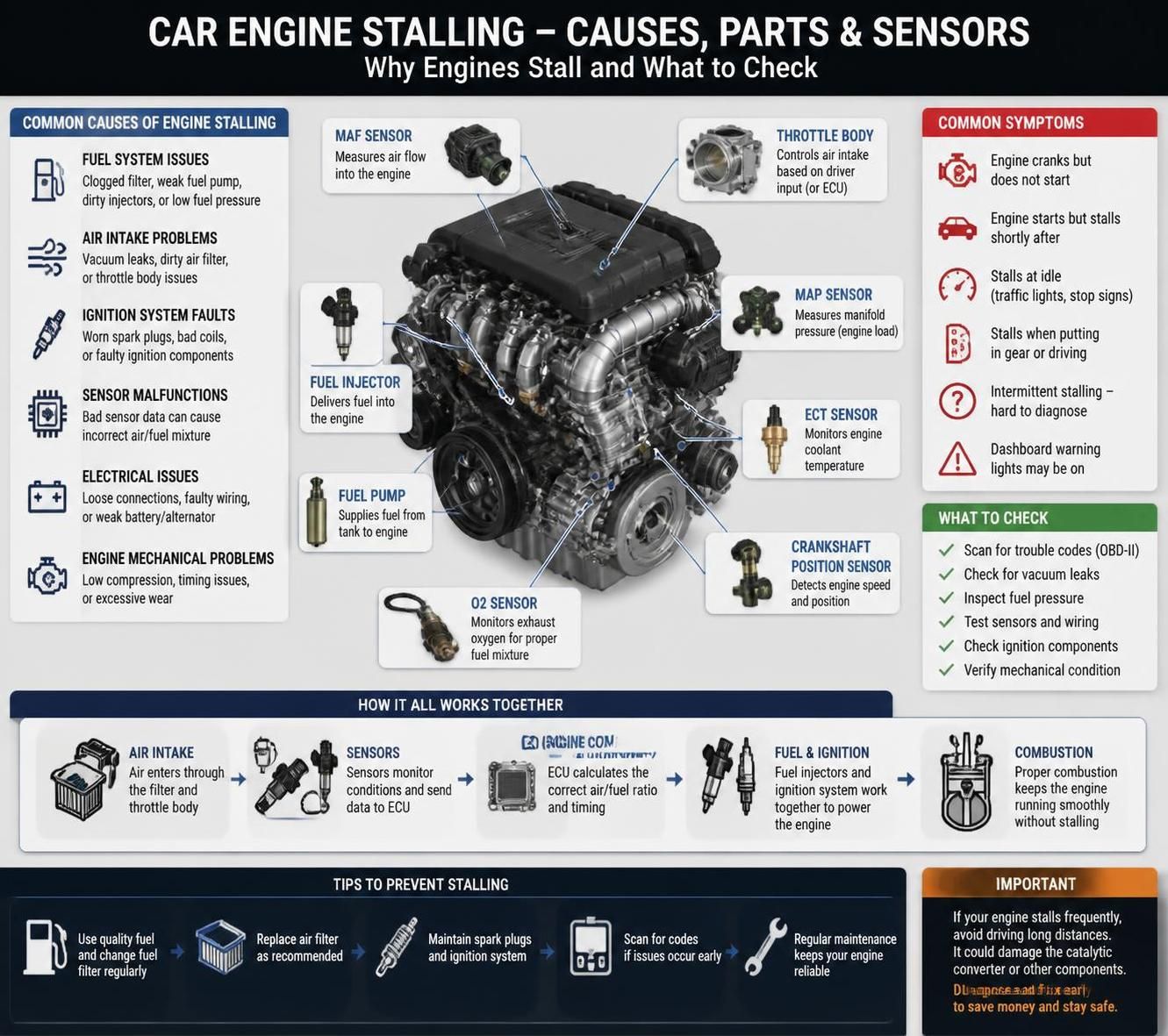
Identifying the specific symptom can guide the diagnosis of why a car stalls at idle. Understanding these elements is critical for effective troubleshooting and to avoid unnecessary replacements.
The following are frequent symptoms alongside their probable causes:
| Observed Symptom | Likely Cause | Urgency Level |
|---|---|---|
| Stalling mainly during cold starts | Idle air control valve, worn spark plugs, ignition faults | Medium |
| Engine stalls mostly when warm and stopped | Faulty air flow sensor, defective oxygen sensor, intake leaks | Medium to High |
| Irregular jerks or misfires before stalling | Worn spark plugs, coil pack failures | Medium |
| Check engine light on plus stalling | Oxygen sensor, airflow sensor issues, or detectable trouble codes | High |
| Strong fuel or burnt smell | Fuel leakage or excessively rich mixture | High |
| Stalls occurring only when air conditioning is on | Insufficient idle speed control to compensate load | Medium |
Drivers noticing recurrent stalls should use these symptom clues to provide technicians with precise information, enabling a more targeted approach that avoids costly guesswork. This systematic process emphasizes the necessity of avoiding random parts replacement and focuses on comprehensive diagnostics instead.
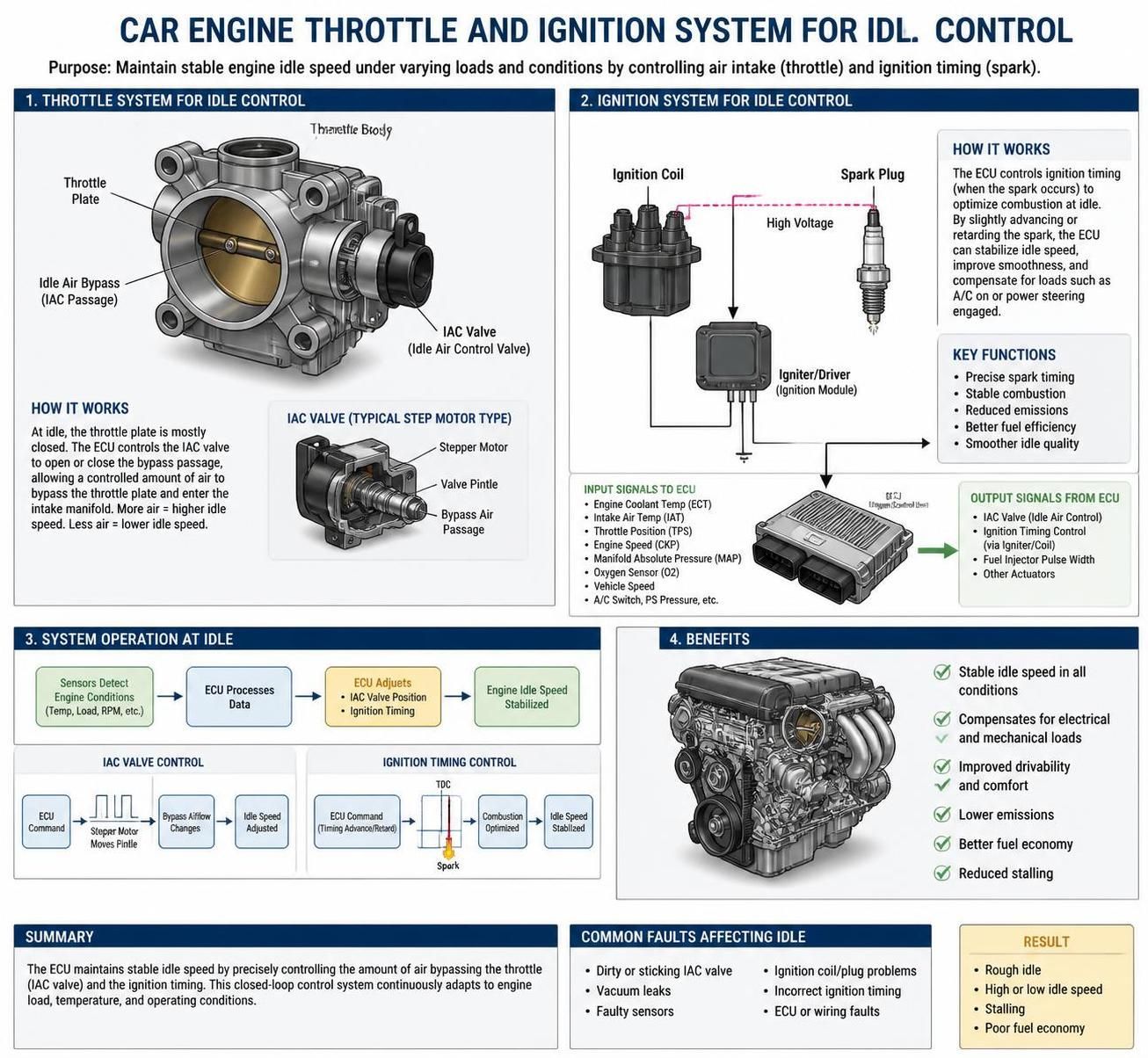
The idle speed is the minimal engine rotation speed necessary to keep the motor running without accelerator input. It generally rests between 700 and 900 rpm, adjusted continuously by the vehicle’s ECU. Maintaining this equilibrium depends on mechanical integrity and sensor accuracy.
Key components involved include:
For instance, a clogged body of papillon is a frequent cause seen in vehicles running primarily in urban stop-and-go traffic. This condition aligns with observations that fuel system problems or sensor faults can exacerbate stalling when the car is stopped. Routine cleaning and replacement of worn parts can avert progression towards complete engine failure.
In practice, technicians frequently recommend a professional diagnosis involving OBD-II scanners to check for error codes linked to these components. Repair times vary from simple parts cleaning to replacement, with diagnostics costing between €50 and €150, a worthwhile investment to prevent more expensive repairs later.
Effectively addressing car repair idle stall issues requires a methodical approach rooted in understanding the problem’s context. Several preliminary checks can be undertaken before visiting a workshop.
The following steps are advised:
Jumping directly to expensive part replacements without these checks can lead to unnecessary expenses and continued dissatisfaction. A disciplined approach, possibly guided by a trusted local garage, ensures that repairs target the root cause.
Importantly, avoid repeated attempts to restart the engine if the problem persists to prevent damage to the starter or flooding the engine.
Reliable sources such as detailed guides on cars stalling at idle and expert explanations on engine stalls provide expanded insights and maintenance tips.
Routine upkeep is essential in preventing idle problems that lead to stalling. Many drivers overlook maintenance intervals, only addressing symptoms after they cause noticeable inconvenience.
Key preventative measures include:
Avoiding harsh driving maneuvers, such as revving the engine to “force” the idle, and addressing early symptoms fosters vehicle longevity and safety. When in doubt, consulting a professional garage like Garage Crauzaz Nurieux for expert advice and tailored maintenance plans is recommended.
By adhering to these practices, drivers reduce the risk of stalling and associated repair costs, providing peace of mind during daily commutes.
Les bases du diagnostic électronique : comprendre son rôle et son utilité pour votre véhicule Lorsque le témoin d’alerte s’allume sur votre…
Lire l’article →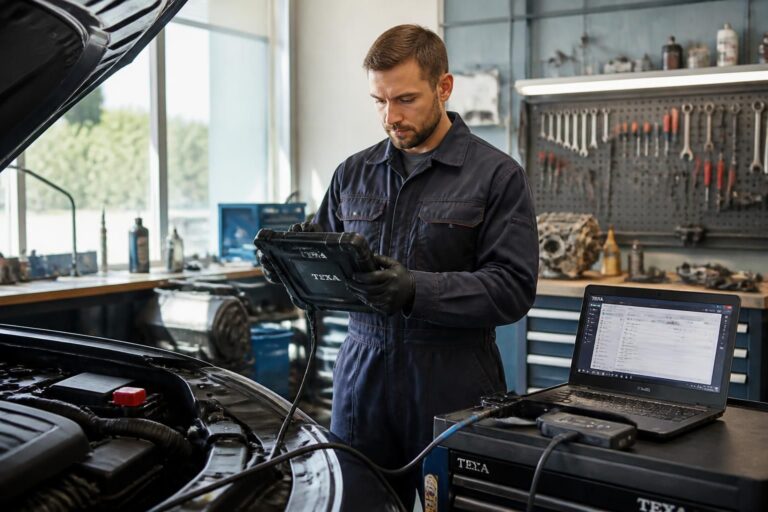
Comprendre la valise de diagnostic automobile : fonctionnement et utilité La valise de diagnostic automobile est un outil devenu incontournable pour quiconque…
Lire l’article →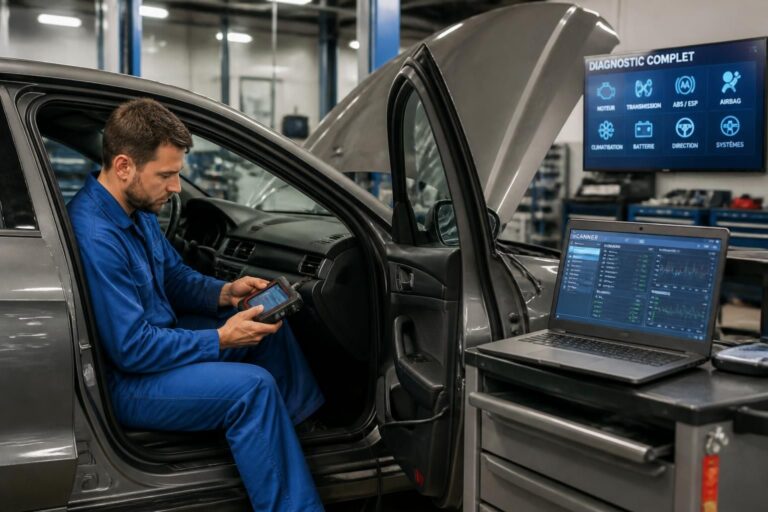
Comprendre les bases du diagnostic voiture pour un contrôle technique efficace Le diagnostic voiture est devenu une étape incontournable pour assurer la…
Lire l’article →