
diagnostic auto gratuit : comment bénéficier d’un contrôle complet de votre véhicule
Understanding the Benefits of a Free Car Diagnostic for Your Vehicle Maintenance Free car diagnostic services have become an essential part of…
Lire l’article →
In 2026, the complexity of modern vehicles has significantly increased, making reliable car diagnostic indispensable for accurate automotive diagnostics. Once limited to visible checks and mechanic intuition, diagnosis now integrates extensive electronic monitoring systems allowing for rapid identification of faults. A modern vehicle can include up to 100 electronic control units (ECUs), each overseeing vital systems such as engine management, braking, safety features, and more. This interconnected architecture means a small fault can cascade into larger mechanical issues if not identified early.
Diagnostic technology primarily splits into two methods: electronic diagnostics and manual inspection. Electronic diagnostics, often performed through an OBD-II scanner, communicate directly with onboard systems to retrieve fault codes—these codes pinpoint malfunctions at the micro-level, such as sensor failures or engine control issues. On the other hand, manual inspection depends on a trained technician’s expertise to detect visual and auditory signs of trouble, such as leaks, unusual noises, or worn-out parts. Both methods are complementary; electronic diagnostic tools offer precision, while manual checks fill gaps where technology may overlook subtle mechanical wear or damage.
Many drivers underestimate the value of understanding their vehicle’s fault codes. A quick fault code reading can reveal engine misfires, sensor malfunctions, or emission control failures, preventing unnecessary part replacements and reducing repair costs. For instance, a seemingly sudden stalling might be traced back to a loose gas cap detected through a diagnostic scan, avoiding complex engine repairs. It’s important to grasp that an onboard computer records data as soon as an issue arises, making real-time analysis possible. Regular use of quick diagnostic tools enables efficient vehicle troubleshooting, ensuring safety and enhancing vehicle longevity.
For any vehicle owner, recognizing the significance of a comprehensive diagnostic approach streamlines repair decisions and helps avoid costly downtime. Informed drivers knowing when to seek professional evaluation versus simple fixes can maintain control over vehicle upkeep expenses. This vigilance is especially vital as environmental regulations tighten, and automotive systems gain complexity, requiring increased attention to emission-related diagnostics and software updates.
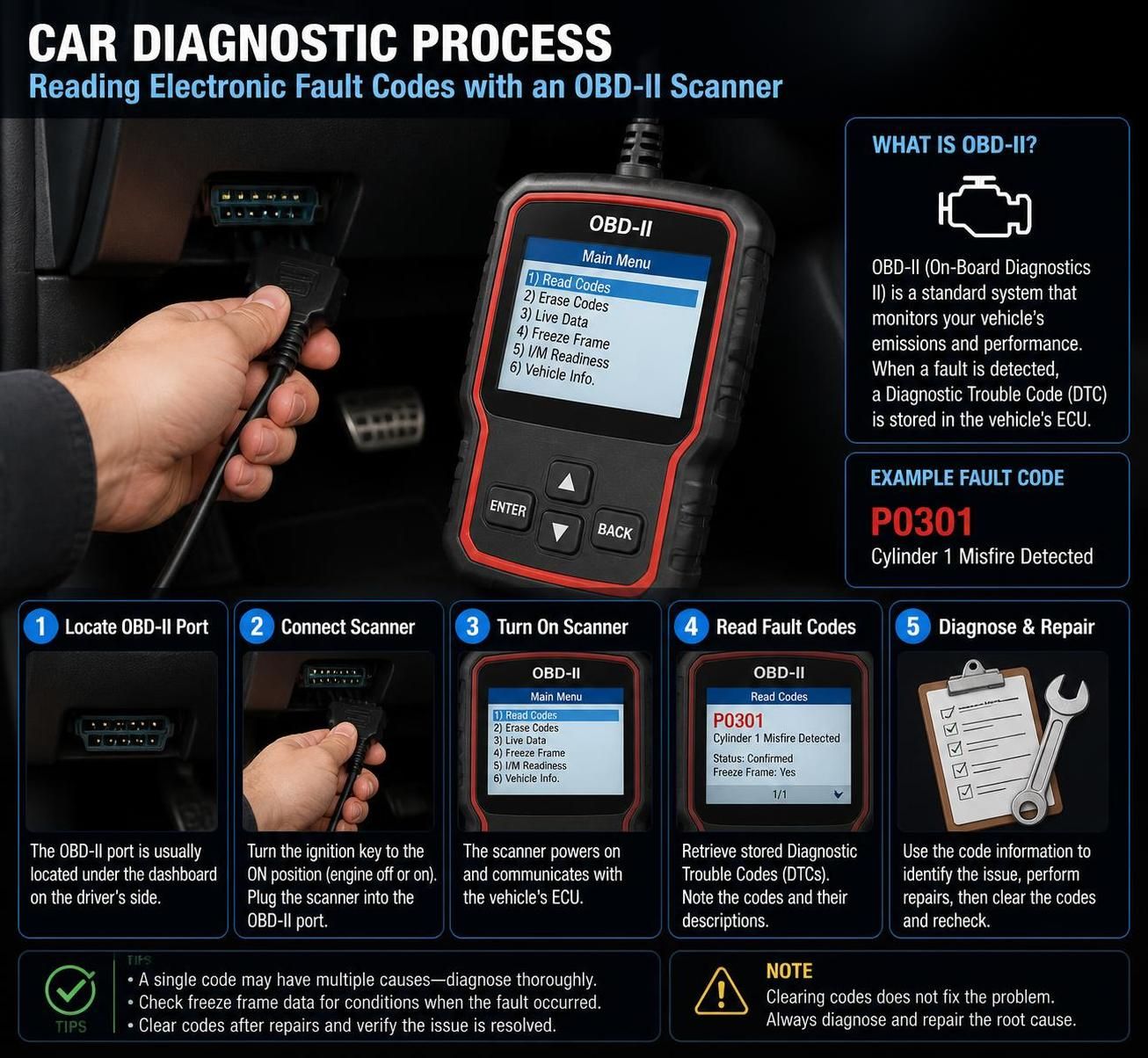
Engine fault detection is a core element of effective car repair diagnosis. Properly identifying engine issues swiftly can prevent minor inconveniences from escalating into major breakdowns. The backbone of modern fault detection lies in the use of specialized diagnostic tools such as the OBD-II scanner and professional-grade diagnostic valises. These devices provide access to extensive data from the vehicle’s ECUs, including live sensor data, error codes, and system status updates.
The OBD-II scanner, standardized since 1996 across many regions including Europe, remains the primary entry point for most vehicle troubleshooting. Its portability and ease of use suit both amateurs and professionals. Basic models allow reading and clearing error codes, while advanced scanners offer access to detailed parameters like fuel trim, ignition timing, and turbo boost pressure. This layered functionality enables users to pinpoint faults accurately and decide whether a visit to a professional garage is warranted.
Professional diagnostic tools, often referred to as valises de diagnostic, offer unparalleled depth by enabling component activation tests, ECU programming, and sensor calibration. For example, they can perform specific actions such as triggering the fuel pump or testing airbag systems to isolate faults that an OBD-II scanner may not detect. Such tools are indispensable in workshops that demand thorough diagnostics for both common and complex vehicle problems, ensuring that repairs are based on factual evidence rather than guesswork.
Manual techniques complement electronic fault detection. Listening for unusual engine noises like knocking or rattling, inspecting spark plugs, checking fuel system pressures, and evaluating exhaust emissions remain vital. Notably, the use of a compression tester can reveal internal wear or cylinder faults that no scanner reads. Combining these approaches aligns with recommendations found in many expert automotive resources, underscoring that a detailed diagnosis comprises both technology and hands-on expertise.
For in-depth guidance on choosing diagnostic tools tailored to specific needs, consulting professional articles such as the one explaining how to choose the right diagnostic tool for your vehicle can be invaluable. This ensures that the right equipment is selected for both swift and accurate engine fault detection, maximizing repair efficiency and minimizing costly errors.
Performing rapid vehicle diagnostics allows drivers and mechanics to quickly uncover underlying issues, minimizing downtime and repair costs. Among the most effective best practices is adopting a systematic approach incorporating both electronic screening and practical vehicle assessment. Rapid vehicle troubleshooting starts with the identification of dashboard warning lights, which serve as early indicators for various system faults.
Dashboard signals vary in color to indicate severity: orange or amber warnings typically point to non-critical issues needing prompt attention, such as emission system faults, while red warnings require immediate stoppage to prevent further damage or accidents, like brake failure indicators. Understanding these signals is pivotal for prioritizing diagnostic urgency.
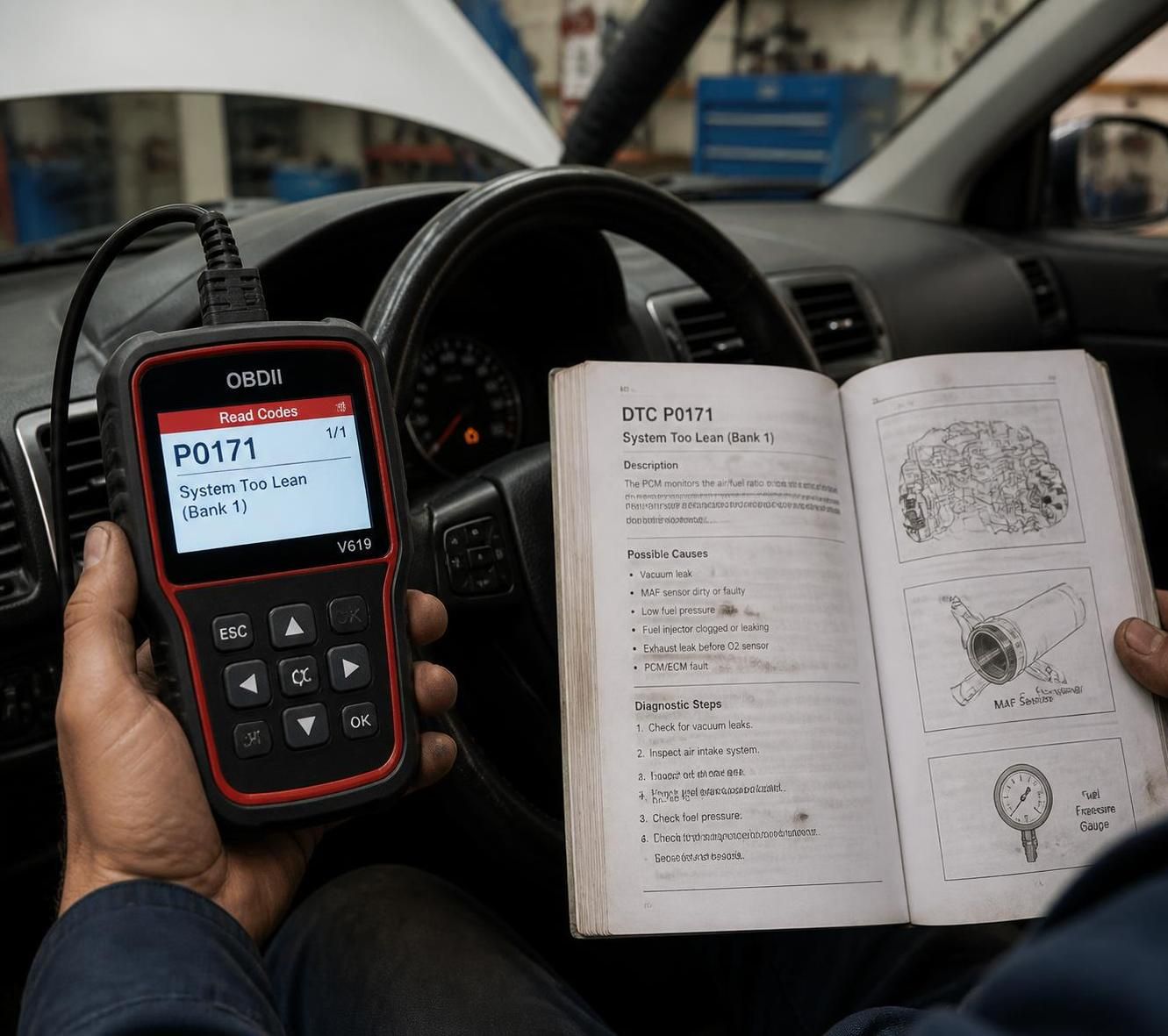
Once initial signs are recognized, immediate connection with an OBD-II scanner facilitates the retrieval of fault codes. These diagnostic trouble codes (DTCs) are standardized messages that narrow down the problem to particular systems or components. For example, a code like P0420 points to catalytic converter efficiency issues, while P0171 might indicate a lean fuel condition. Advanced scanners even provide graphical real-time data, offering insights into sensor outputs and engine performance during operation.
Vehicle problem detection is heightened by integrating a visual and auditory examination of the car. Signs such as oil or coolant leaks, worn belts, or unusual engine vibrations are telltale markers aligned with fault codes, providing a well-rounded picture. Moreover, a routine test drive checks the dynamic behavior—acceleration response, braking smoothness, steering feedback, and noise assessment. These functional tests help confirm electronic fault code findings and reveal intermittent issues that might evade static scanning.
| Diagnostic Method | Strengths | Limitations |
|---|---|---|
| OBD-II Scanner | Quick fault code reading, live system data, accessible | Limited to electronic faults, fewer mechanical insights |
| Valise de Diagnostic | In-depth system analysis, component tests, ECU programming | Higher cost, requires professional skills |
| Manual Inspection | Visual and auditory detection of physical issues | Subjective, relies on technician experience |
| Test Drive | Confirms dynamic faults such as handling or noise | Cannot isolate electronic error codes |
To deepen understanding of rapid and reliable fault identification, numerous professional resources such as the guide to common car fault identification provide practical tips and problem-solving frameworks. Combining technological tools with professional expertise creates a dependable systematic diagnostic — the backbone of effective car repair diagnosis.
Besides the mechanical and electronic analysis, factoring in a vehicle’s historical data significantly improves diagnostic outcomes. A car’s past — including accidents, repairs, servicing records, and modifications — often sheds light on current or potential issues that raw electronic data alone might not reveal. This vehicle history verification is especially critical when evaluating a second-hand vehicle or attempting to diagnose chronic problems.
The vehicle identification number (VIN) acts as a gateway to this vital information. This unique 17-character code encodes the manufacturer details, production year, model, and other specifications. Verified reports linked to the VIN can disclose prior insurance claims, odometer fraud, previous owners, and compliance with recall campaigns—insights that are indispensable for assessing the vehicle’s authenticity and reliability.
Reliable services that compile comprehensive reports, including insurance databases and national vehicle registries, are recommended. They assess aspects such as:
While technical diagnostics focus on visible and electronic symptoms, historical validation uncovers hidden risks. For example, recurrent engine issues might be linked to a previously unreported accident causing frame damage or poor-quality repairs. Knowing this information beforehand enables informed decisions, whether for purchase or repair prioritization.
An integrated approach combining detailed electronic diagnostics with a thorough historical review remains the safest strategy. For guidance on performing such evaluations effectively, the article explaining how to ensure the reliability of auto diagnostics through history and technical checks is particularly useful. This holistic method mitigates unexpected failures, reduces repair costs, and ensures peace of mind.
Executing a practical and effective car diagnostic process requires discipline and methodical action. The following step-by-step routine benefits vehicle owners and technicians by structuring the approach to fault detection and avoiding common missteps:
A few frequent diagnostic errors to avoid help maintain accuracy and cost efficiency:
Cost considerations for professional diagnostics generally range from €50 to €150 depending on complexity and location. Some garages offer free basic checks, which are a good starting point to determine the necessity of more detailed investigations. It is advisable to follow guidance from trusted workshops specializing in diagnostics, such as how to choose a reliable garage for auto diagnostics in 2026, to ensure transparency and effective outcomes.
Understanding the Benefits of a Free Car Diagnostic for Your Vehicle Maintenance Free car diagnostic services have become an essential part of…
Lire l’article →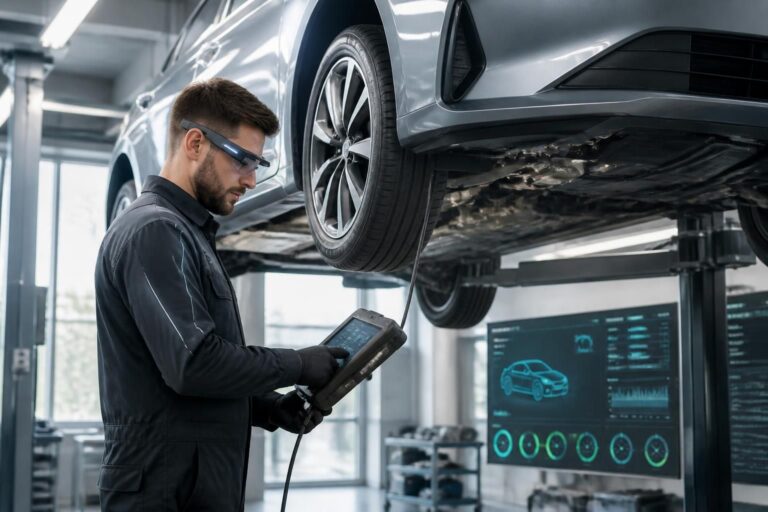
Understanding the Car Diagnostic Cost in 2026: What Influences the Price? The car diagnostic cost remains a critical factor for vehicle owners…
Lire l’article →
Understanding the Importance of Reliable Car Diagnostic Services in 2026 In the evolving landscape of automotive repair, securing a reliable car diagnostic…
Lire l’article →