
Quel est le prix d’un diagnostic électronique pour votre véhicule ?
Les bases du diagnostic électronique : comprendre son rôle et son utilité pour votre véhicule Lorsque le témoin d’alerte s’allume sur votre…
Lire l’article →
Modern vehicles have evolved into complex machines with numerous electronic systems that control everything from engine performance to safety features. When a car displays symptoms like a persistent check engine light, poor acceleration, or starting difficulties, owners and mechanics alike rely on precise diagnostic tools to identify the root cause efficiently. The Delphi Auto Diagnostic system stands out as a comprehensive solution designed to facilitate in-depth vehicle fault analysis and automotive troubleshooting.
Delphi’s diagnostic tools operate by interfacing with a vehicle’s onboard computers via the OBD-II port, capturing fault code readings and real-time data streams. Unlike simple readers that provide only error codes, Delphi’s advanced automotive diagnostic software offers a detailed snapshot of various systems including engine management, ABS, airbag modules, and transmission controls.
One of the core advantages of using Delphi diagnostic tools is their ability to identify the precise electronic control unit (ECU) causing the issue through the Intelligent System Identification (ISI) feature. This functionality ensures automatic recognition of the vehicle’s make and model along with the exact type of onboard computer, facilitating a smoother and more accurate diagnostic session. This eliminates guesswork and reduces the need for manual input, saving valuable time.
To illustrate, imagine a vehicle that intermittently loses power unexpectedly. Traditional diagnostic methods might involve swapping parts or running multiple tests blindly, leading to increased labor costs and longer downtimes. On the other hand, using a Delphi Auto Diagnostic tool, a technician can perform quick and targeted diagnostics by reading fault codes and real-time sensor data, pinpointing whether the trouble comes from a faulty throttle position sensor, injection system malfunction, or ignition component. This level of detailed diagnostic insight directly translates into faster repairs and greater customer satisfaction.
Delphi’s platform also includes helpful built-in report generation capabilities. These allow garage professionals to produce clear, professional reports that detail diagnostic results, including stored fault codes and recorded data curves. Such documentation not only aids in transparent communication with vehicle owners but also supports efficient record keeping for future maintenance. For local garages aiming to provide reliable and effective vehicle repair services, embracing Delphi diagnostic technology is an essential step towards a streamlined workflow and heightened accuracy in car diagnostics.
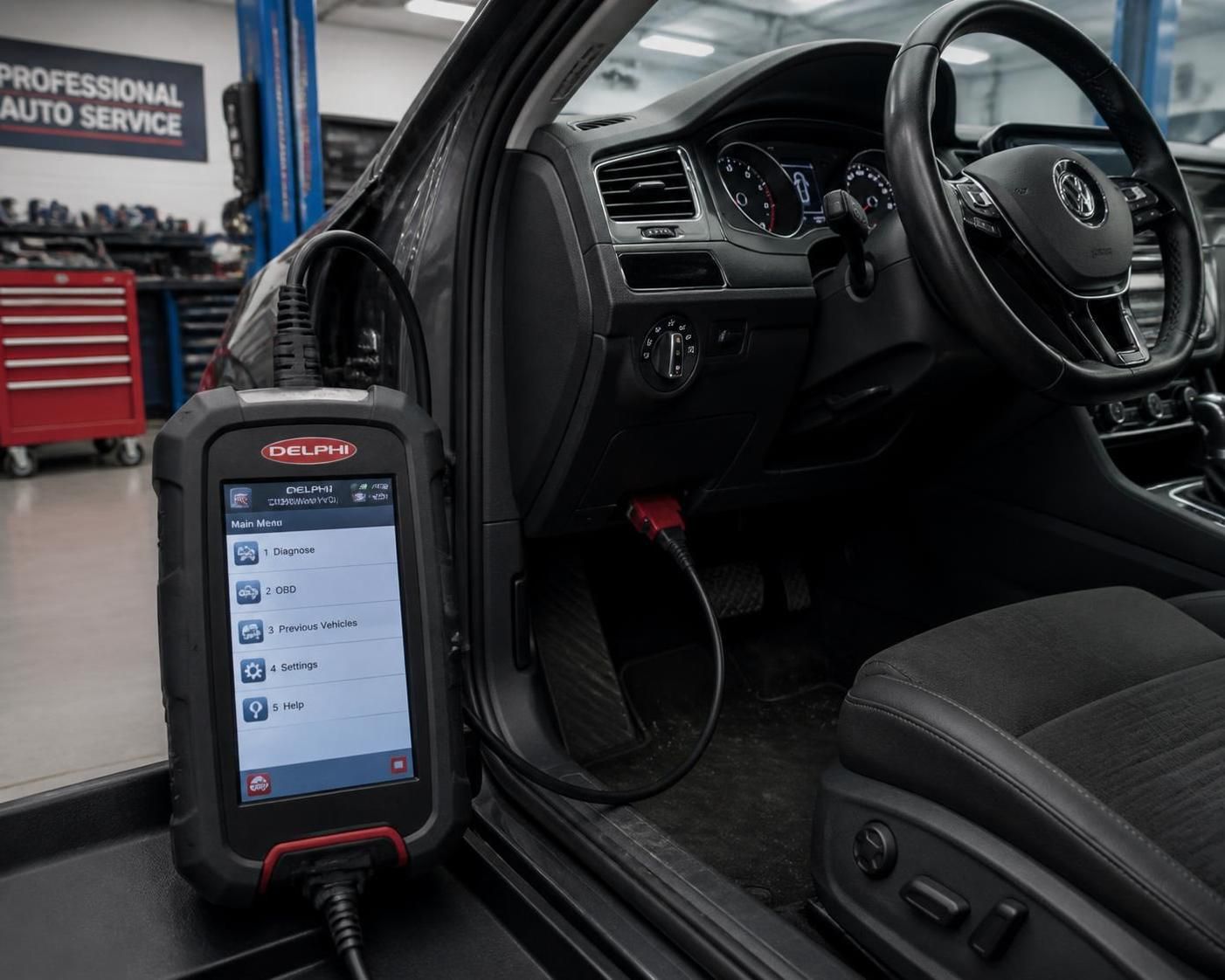
Delphi Diagnostic Tools combine hardware interfaces and sophisticated software, creating a seamless platform for detailed vehicle fault detection and maintenance support across a wide spectrum of car manufacturers and models. The core components typically include the VCI (Vehicle Communication Interface) and diagnostic software installed on a compatible computer.
The VCI acts as a bridge, connecting the vehicle’s electronic systems to the software and translating data packets efficiently. Many contemporary Delphi VCIs support Bluetooth connectivity, enabling freedom of movement in the workshop without being tethered by cables. This is a notable productivity enhancer, as technicians can quickly move around the vehicle and workspace while monitoring live data.
The software side is equally critical. It features an Intelligent Scan System (ISS), which performs a comprehensive vehicle-wide check by scanning each onboard system for faults. This scan produces a concise and prioritized list of error codes and system statuses, speeding up the diagnostic process while reducing the risk of overlooking symptoms spread across multiple systems.
Another standout feature is the onboard recorder function. This tool records parameters such as engine speed, coolant temperature, or sensor voltages in real time, even while the vehicle is in motion. This capability is indispensable for diagnosing intermittent faults that might only appear during specific driving conditions. For instance, if a vehicle hesitates or stalls only when cruising over a certain speed or incline, data captured by this recorder can uncover anomalies that static tests miss.
A noteworthy capability of Delphi’s automotive diagnostic software is its extensive database of adaptive and programming functions. Beyond fault code reading, it also offers step-by-step instructions for performing calibrations, resets, and adaptations—essential during repairs or after component replacements. For example, when replacing a diesel particulate filter (DPF) or resetting the airbag system, these guided procedures simplify and secure the process.
To highlight the scope of functionality, here is a list of Delphi diagnostic capabilities extensively used in modern vehicle repair:
This broad feature set positions Delphi tools not only as fault detectors but as pivotal assistants in vehicle repair and preventive maintenance strategies. To dive deeper into these features and how they integrate across multiple vehicle types, visiting specialized sites such as PartsPoint’s Delphi Diagnostic section provides valuable insights and updates.
The backbone of any effective Delphi diagnostic system lies in its software intelligence. The software is updated regularly to keep pace with the automotive industry’s rapid technological evolution. The intricate network of systems such as engine management, emissions control, transmission, and safety electronics demands a diagnostic suite that is both robust and adaptable.
Delphi’s software supports extensive engine fault detection procedures, essential for identifying problems ranging from faulty sensors to complex mechanical failures. It displays live sensor data including air-fuel ratios, ignition timing, and oxygen sensor voltages, enabling mechanics to assess engine health and pinpoint trouble spots quickly.
One common example involves the detection of misfire faults. The software can not only confirm a fault code like P0301 (cylinder 1 misfire) but also show live data such as injector pulse width or ignition coil voltage, helping discern whether the problem stems from ignition, fuel delivery, or mechanical compression issues.
Furthermore, the Delphi software integrates an onboard troubleshooting guide with clear, step-wise instructions and prerequisites. This feature assists technicians during complex repairs, ensuring that even less experienced users stay aligned with manufacturer recommendations for system adjustments.
Automotive diagnostic software also excels in supporting routine car maintenance by resetting warning lights after repairs and conducting system calibrations. Clear automaker-specific procedures for maintenance features such as diesel particulate filter regeneration or battery registration simplify tasks that, if done improperly, could lead to recurring warning lights or performance degradation.
For garages and professionals committed to providing meticulous care and efficient service, maintaining updated Delphi software is paramount. These updates often deliver new vehicle coverage, software improvements, and bug fixes, ensuring compatibility with the latest vehicle models and diagnostic demands.
Below is a table illustrating common engine fault codes, their typical causes, and Delphi software recommended actions during diagnostics.
| Fault Code | Common Cause | Recommended Delphi Diagnostic Action |
|---|---|---|
| P0420 | Catalytic converter efficiency below threshold | Check oxygen sensors, exhaust leaks, and catalytic converter condition using real-time lambda sensor data |
| P0301 | Misfire detected in cylinder 1 | Analyze ignition coil and injector operation, perform compression test |
| P0171 | System too lean (Bank 1) | Monitor fuel pressure, check for vacuum leaks, evaluate mass airflow sensor readings |
| P0115 | Engine coolant temperature (ECT) sensor malfunction | Inspect wiring, sensor resistance values, and compare to live coolant temperature readings |
Thanks to this integrated approach, Delphi Diagnostic Tools enable thorough automotive troubleshooting, reducing guesswork and offering clear paths toward vehicle repair and maintenance decisions. Additional detailed usage guidelines can be accessed at resources like OBD-Diag’s Delphi DS150E guide.
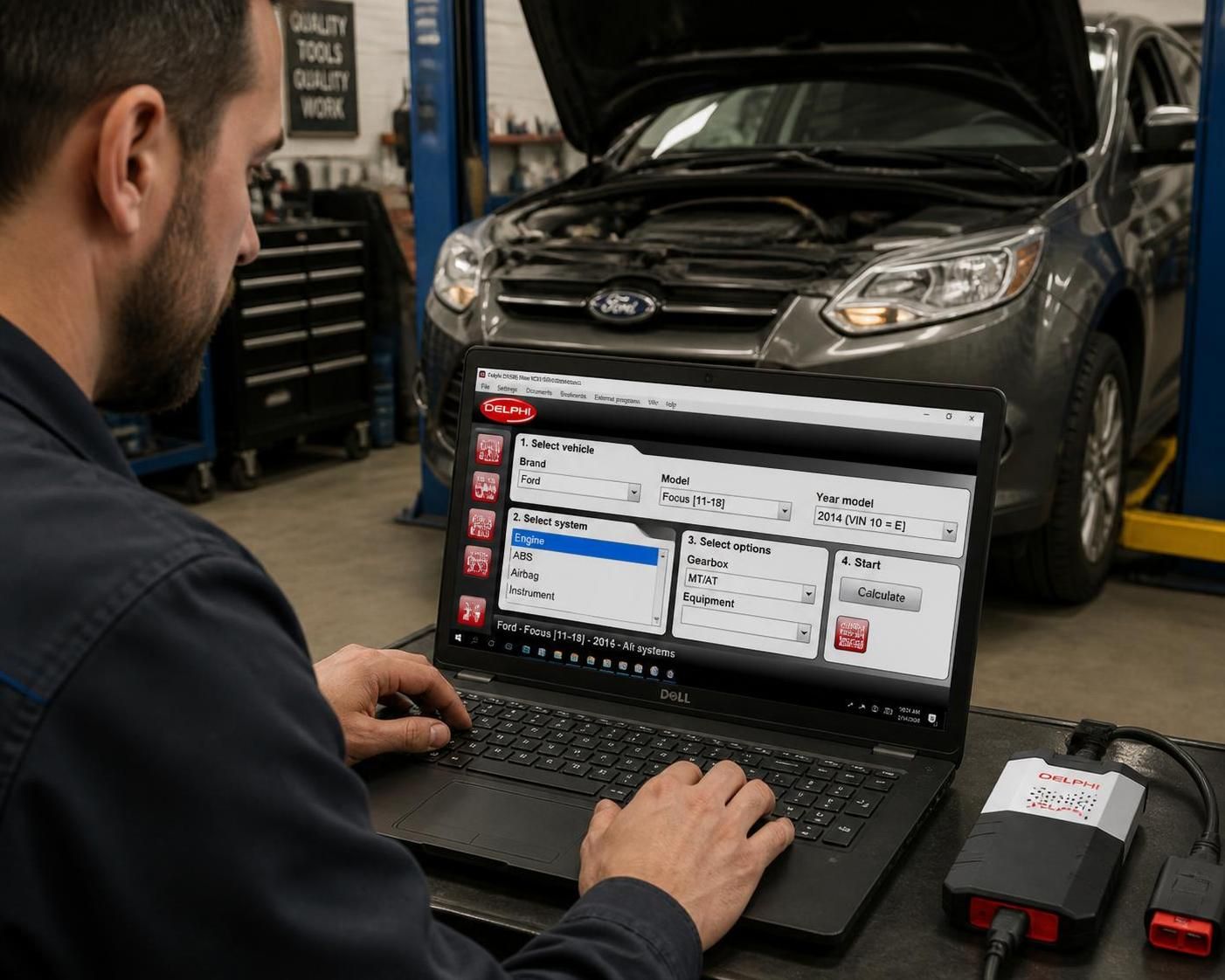
To maximize the effectiveness of Delphi’s powerful diagnostic capabilities, proper use and methodological approach are crucial. While the technology is sophisticated, the interface is designed to be user-friendly for both professional mechanics and knowledgeable enthusiasts.
The first step always involves identifying the vehicle and its systems. Delphi’s Intelligent System Identification (ISI) feature automates this by scanning the vehicle’s ECUs and recognizing the configuration automatically, thus eliminating errors that can arise from manual input. If needed, manual selection is also straightforward and well-guided by the software.
Once connected, the software initiates a full vehicle scan that inspects engine, transmission, ABS, airbags, and other key systems for stored fault codes. Technicians are advised to review all detected codes before proceeding to detailed testing to get a comprehensive understanding of the vehicle’s health status.
Comprehensive fault code reading is only the starting point. Tutorials embedded in the software help users interpret common codes and understand their implications in the context of the vehicle’s symptoms and history. For example, a P0301 misfire detected in real-time might require checking fuel injectors’ activation signals or ignition coil performance — tests manageable via Delphi diagnostics.
During active tests, the software can command actuators such as electric fans, fuel injectors, or solenoids to operate, which helps isolate failing components. This functionality is especially useful when fault symptoms do not persist continuously.
Key recommended steps for efficient use are summarized below:
Cars equipped with advanced systems may require patience and methodical analysis, but the Delphi platform’s built-in guides and data visualization tools assist strongly in this regard. Through its combination of tech prowess and ease of use, Delphi diagnostic tools have become an essential part of modern car maintenance and fault detection workflows.
While Delphi Auto Diagnostic tools offer powerful capabilities, understanding their costs, update requirements, and limitations is important for users aiming to balance investment and utility.
Entry-level Delphi diagnostic devices may start around 100 to 300 euros, but professional-grade original kits including VCI interface and comprehensive software range between 800 and 2000 euros. This price difference reflects the hardware quality, technical support, access to software updates, and extended vehicle coverage. For those serious about quality fault detection and vehicle repair, investing in authentic Delphi tools is recommended over lower-cost imitations.
Missions involving advanced diagnostics on hybrid or heavy-duty vehicles particularly benefit from the broad compatibility and constant updates offered by Delphi. Frequent updates ensure the inclusion of new vehicle models and correction of potential software bugs. These updates can usually be downloaded via the manufacturer’s portal or authorized resellers, sometimes as part of a subscription service.
Delphi tools also offer practical advice on when professional intervention is advisable. While enthusiasts can perform basic diagnostics, interpreting complex data without a thorough understanding of automotive systems can lead to misdiagnoses and costly repairs. For example, clearing a fault code without addressing the underlying mechanical issue will simply cause recurring problems and wasted parts.
For local garages and vehicle owners, Delphi tools provide a reliable first step in automotive troubleshooting. However, it is crucial to complement diagnostics with visual inspections, test drives, and professional advice. It’s advisable to request a detailed diagnostic report or a service quote, especially when complex adaptations or programming are required post-repair.
Summarized recommendations:
Choosing Delphi diagnostic solutions is a sensible investment for those committed to maintaining vehicle health with precision and confidence. More detailed purchasing guides and comparisons are available at sources like Valise Diagnostic Delphi comparisons.
Les bases du diagnostic électronique : comprendre son rôle et son utilité pour votre véhicule Lorsque le témoin d’alerte s’allume sur votre…
Lire l’article →
Comprendre la valise de diagnostic automobile : fonctionnement et utilité La valise de diagnostic automobile est un outil devenu incontournable pour quiconque…
Lire l’article →
Comprendre les bases du diagnostic voiture pour un contrôle technique efficace Le diagnostic voiture est devenu une étape incontournable pour assurer la…
Lire l’article →