quel est le prix moyen pour une réparation de carrosserie en 2026
Understanding Car Body Repair Costs: Key Factors Influencing Auto Body Repair Price Estimating the car body repair cost in 2026 requires an…
Lire l’article →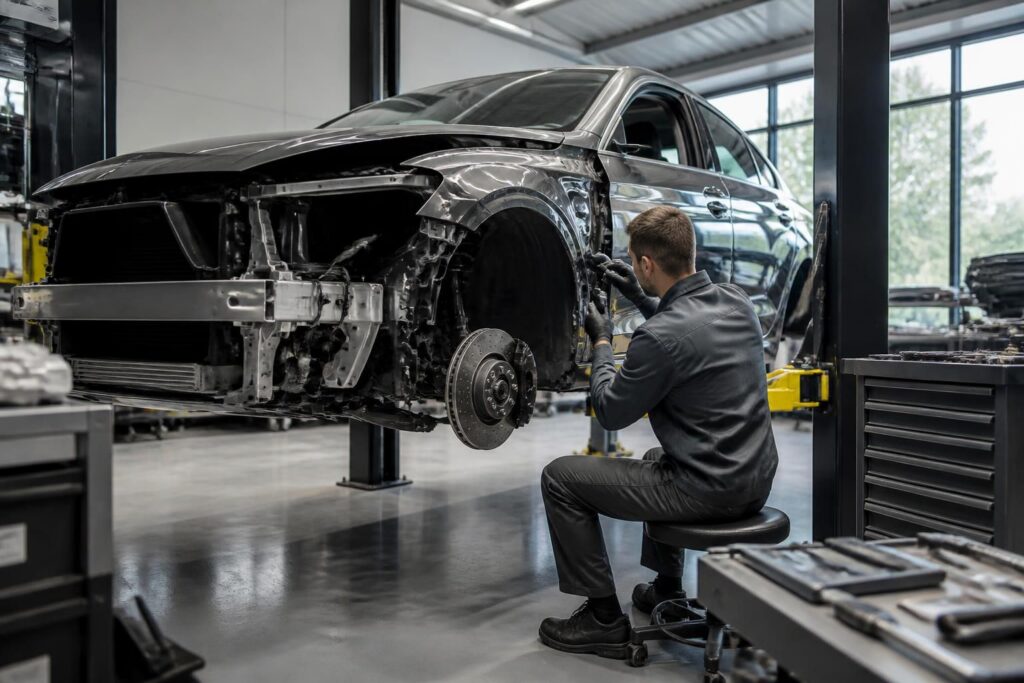
In 2026, the cost to redo car bodywork remains a pressing question for many car owners, especially after incidental damage such as parking lot scrapes or minor collisions. The price of restoring vehicle bodywork depends on numerous critical factors that a seasoned automotive workshop adviser would consider before providing an estimate. Recognizing how these variables influence the final bill is key to making informed decisions and avoiding surprises when dealing with auto body refurbishment.
The first element to assess is the nature and extent of the damage. For instance, a superficial scratch requiring only a light polish contrasts sharply with a deep cut that mandates sanding, filling, priming, and repainting. Moreover, damage spanning multiple panels—like a combination of bumper, door, and fender—necessitates individual attention to each element, inevitably increasing costs.
Common types of bodywork repairs in 2026 include:
Another influential factor is the hourly labor rate, which varies substantially across regions and service providers. Independent garages may charge €50 to €80 per hour, while brand dealerships or authorized service centers commonly command fees ranging from €80 to €120 per hour. Urban centers, particularly areas like Île-de-France, tend to exhibit higher rates compared to more rural or suburban locales. Additionally, technical challenges—such as accessing a dent behind a door pillar—can inflate labor time, reflecting proportionally in the bill.
To illustrate typical financial expectations, the following table summarizes prevalent repairs and their corresponding cost ranges in 2026:
| Repair Type | Typical Price Range (Including Tax) |
|---|---|
| Paintless dent repair (per element) | €80 – €150 |
| Minor scratch or localized touch-up | €100 – €250 |
| Scuff or abrasion on bumper or door | €250 – €350 |
| Fender replacement and repaint | €240 – €530 |
| Wheel rim refurbishment (per rim) | €130 – €300 |
| Complete repaint of a compact city car | €1,500 – €2,500 |
| Complete repaint for SUV or utility vehicle | €2,500 – €4,000 |
Note: Metallic or pearlescent paints generally increase the cost by 10-20% due to the complexity of restoration and color matching. Car owners should inquire whether their car bodywork pricing includes this adjustment before confirming any estimate.
For those seeking cost saving options, using recycled parts for replaceable components like bumpers and fenders may reduce prices by 40-60% compared to brand-new originals. Always confirm with your car body shop if aftermarket or recycled parts are acceptable for your vehicle.
For a deeper dive into typical pricing structures and how they apply to specific repairs, consult resources that specialize in the average body repair cost in 2026 or detailed price guides tailored to automotive refurbishing services.
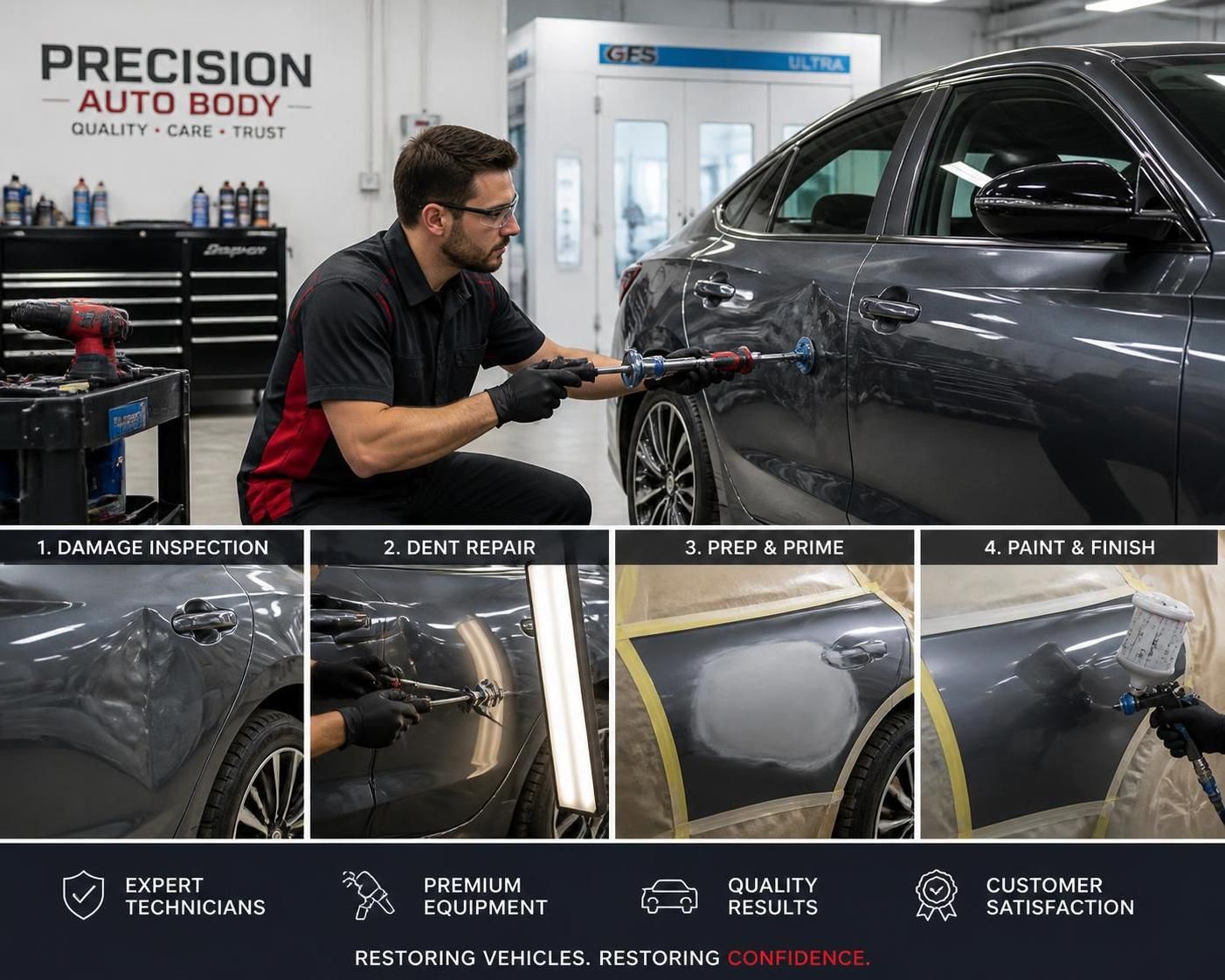
One of the most significant contributors to the overall bill when addressing auto body refurbishment price is the cost of car painting. Painting is not a simple task and goes far beyond just applying color to metal.
The process includes meticulous steps such as surface preparation, sanding old paint, applying primer coats, executing multiple paint layers, and finishing with a protective clear coat or varnish. Each of these stages requires specialized equipment, quality materials, and a skilled workforce—factors that affect the labor time and material expenses considerably.
The type of paint used dramatically influences the car painting cost. Standard solid color paints, generally white, black, or blue, are more economical compared to metallic or pearlescent finishes, which require additional materials and sophisticated color-matching techniques. For instance, a metallic blue finish demands careful blending into adjacent panels to avoid visible color discrepancies, especially on large body areas.
Vehicle size also plays a role: compact vehicles often fall at the lower end of price ranges, while SUVs and utility vehicles can carry elevated painting costs given their larger surface areas and sometimes more complex shapes.
In present-day workshops, the cost for a full vehicle repaint can range widely:
Importantly, partial painting—such as a single panel repaint—invokes detailed craftsmanship. This involves matching the existing color and gloss levels on adjoining panels to achieve a seamless finish, as any mismatch could reduce the vehicle’s aesthetic appeal and resale value.
Practical example: A rear door with a deep scratch on a metallic dark gray car will need the panel to be completely repainted, and possibly parts of adjoining panels blended to ensure uniform appearance, thus elevating both the labor and material costs.
Given the intricacy and price sensitivities surrounding car painting, obtaining a detailed breakdown of the painting work during the vehicle body repair estimate is advisable. Such precision helps prevent discrepancies during billing and ensures that vehicle owners understand the extent of paintwork included.
Those interested can explore further insights about car painting price factors and typical expenses in detailed online guides or by consulting with local professionals. This knowledge assists in budgeting accurately for the bodywork price 2026.
For more comprehensive understanding of paint repair costs, check established automotive repair sites offering updated pricing simulations for auto body repair in 2026.
Replacing car panels versus repairing them has a notable impact on the overall car body restoration cost. When collisions result in bent or structurally compromised panels, repair may not be possible or economically viable, pushing the need for replacement.
The cost to replace a car panel varies widely depending on the type of panel, the make and model of the vehicle, and the quality of replacement parts used. Panels like front wings (fenders), doors, and bumpers commonly fall under replacement consideration after moderate to severe damage.
A practical benchmark for replacements is:
Original Equipment Manufacturer (OEM) parts generally carry higher prices, but assure quality and proper fitment. Conversely, aftermarket or recycled parts offer economic advantages but may vary in quality and fitment standards.
Additionally, labor intensity fluctuates based on whether panels are bolted or welded on. For instance, front fenders are often bolted and replaced relatively quickly, while rear quarter panels can involve complex welding and finishing processes, hiking labor hours and thereby increasing charges.
Overall vehicle body repair estimate calculations must factor these elements in detail, as replacing a panel can sometimes double or triple the price of a straightforward paint repair.
Workshops often advise evaluating damage thoroughly and soliciting multiple quotes. Comparing offers line-by-line aids in identifying the most cost-effective solutions without compromising safety and aesthetics.
The following table lists common panel replacement costs for general areas in 2026:
| Panel | Replacement & Painting Price Range (€) |
|---|---|
| Front fender (bolted) | €500 – €1,200 |
| Door (including internal components) | €800 – €2,500 |
| Rear quarter panel (welded) | €1,500 – €3,000 |
| Rear bumper (plastic, painted) | €400 – €900 |
For those seeking tailored advice, visiting a trusted local garage equipped with modern diagnostic tools can clarify repair versus replacement decisions. Workshops like Garage Crauzaz Nurieux offer insights and customized quotes aligned with customers’ needs and budgets.
In 2026, navigating the labyrinth of auto body repair estimates requires vigilance and critical evaluation to secure both quality and fair pricing. Vehicle body repair estimate documents must detail costs per operation, such as dismantling, metalwork, primer application, paint application, varnishing, and reassembly. Only with such granularity can consumers accurately compare offerings from different garages.
Key advice when reviewing repair estimates includes:
Interestingly, obtaining multiple estimates often results in savings of 20 to 30 percent, as competition drives pricing closer to fair market rates. Many modern platforms now offer online estimates, allowing customers to receive preliminary pricing rapidly, enabling better planning before visiting a workshop.
Another critical factor is understanding insurance coverage; policies with “all-risk” damage guarantees may cover a sizable portion of the bill after deductibles. For minor damages under €250, declaring a claim might not be cost-effective if the deductible is high or the repair jeopardizes no-claim bonuses.
Professional body shops aligned with insurance companies sometimes provide perks such as waived deductibles or zero upfront payments. Evaluating these financial advantages alongside technical aspects forms part of a thorough repair decision process.
Comprehensive advice and price comparison strategies for 2026 can be found through informed automotive sources, helping drivers maintain control over their automotive bodywork pricing.
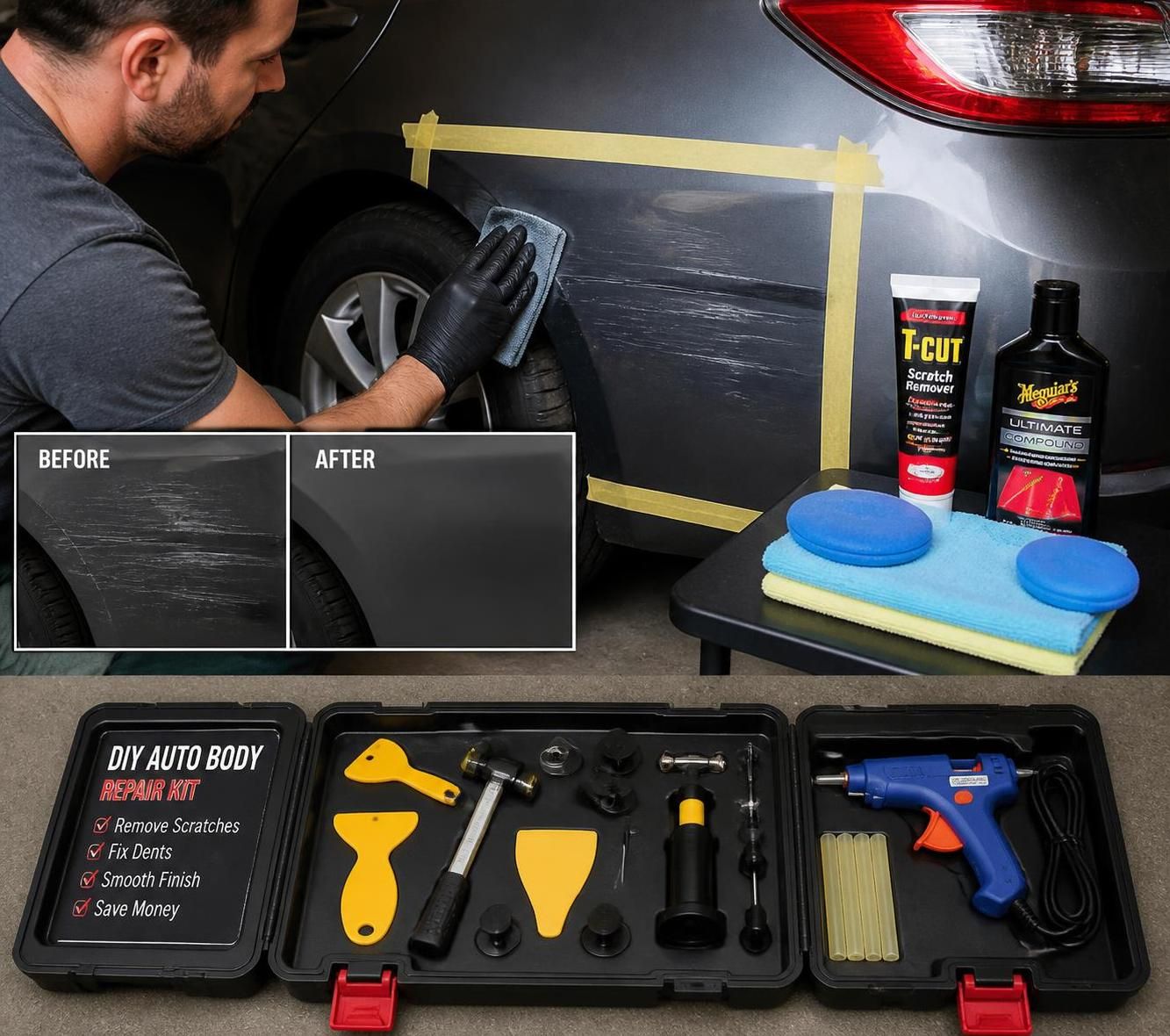
While professional repair guarantees quality and structural integrity, some vehicle owners opt for in-home or DIY approaches to minor repairs to curb expenses. However, knowing the limits of do-it-yourself versus professional intervention is crucial in preserving vehicle value and safety.
Simple cosmetic defects like light scratches or superficial abrasions can be remedied at home using polishing compounds, touch-up pens, and kits designed for SUVs or cars. For example, a polishing machine can effectively reduce micro-scratches costing between €80 and €150 if done professionally.
Some practical DIY methods include:
However, significant damage, including structural deformations, welded body panels, and multi-panel paint matches, require professional expertise. Attempting intricate repairs can lower vehicle resale value if done poorly, as buyers notice amateur paint jobs and question overall vehicle health.
Those unsure about repair scope should utilize advanced diagnostic technology available in professional workshops. Tools and software used by experts can identify subtle issues before they escalate, enabling more accurate auto body repair diagnostics and cost predictions.
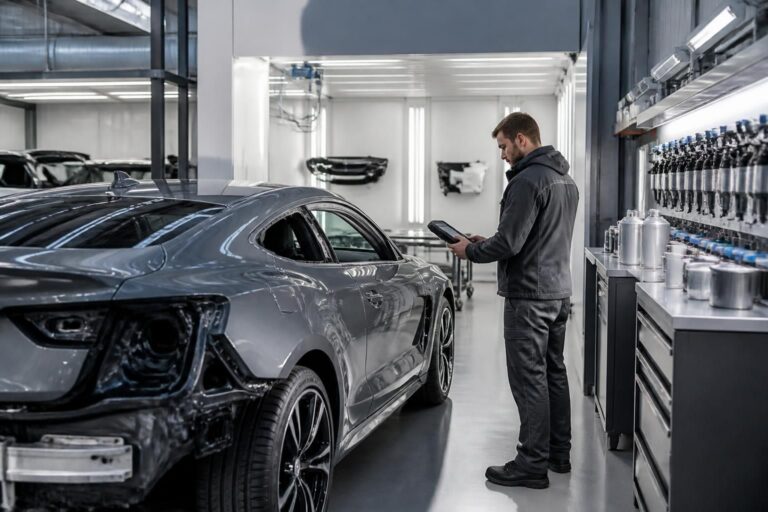
Understanding Car Body Repair Costs: Key Factors Influencing Auto Body Repair Price Estimating the car body repair cost in 2026 requires an…
Lire l’article →