
quel est le prix pour changer des amortisseurs en 2026 ?
Understanding Shock Absorber Replacement Cost in 2026 Replacing shock absorbers is essential for maintaining vehicle safety and ride comfort. In 2026, the…
Lire l’article →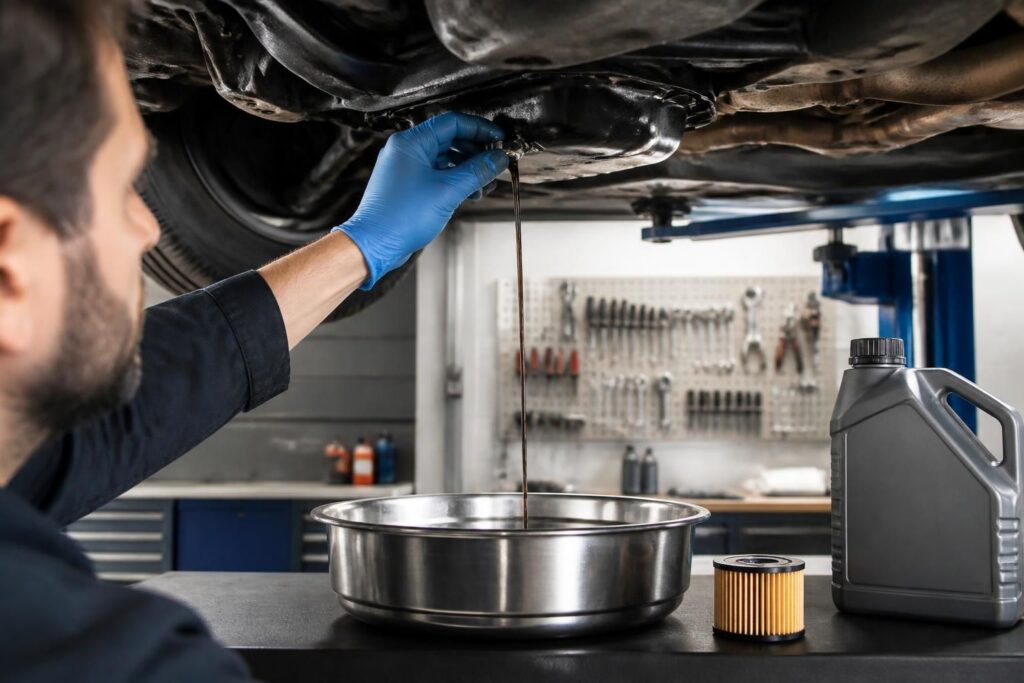
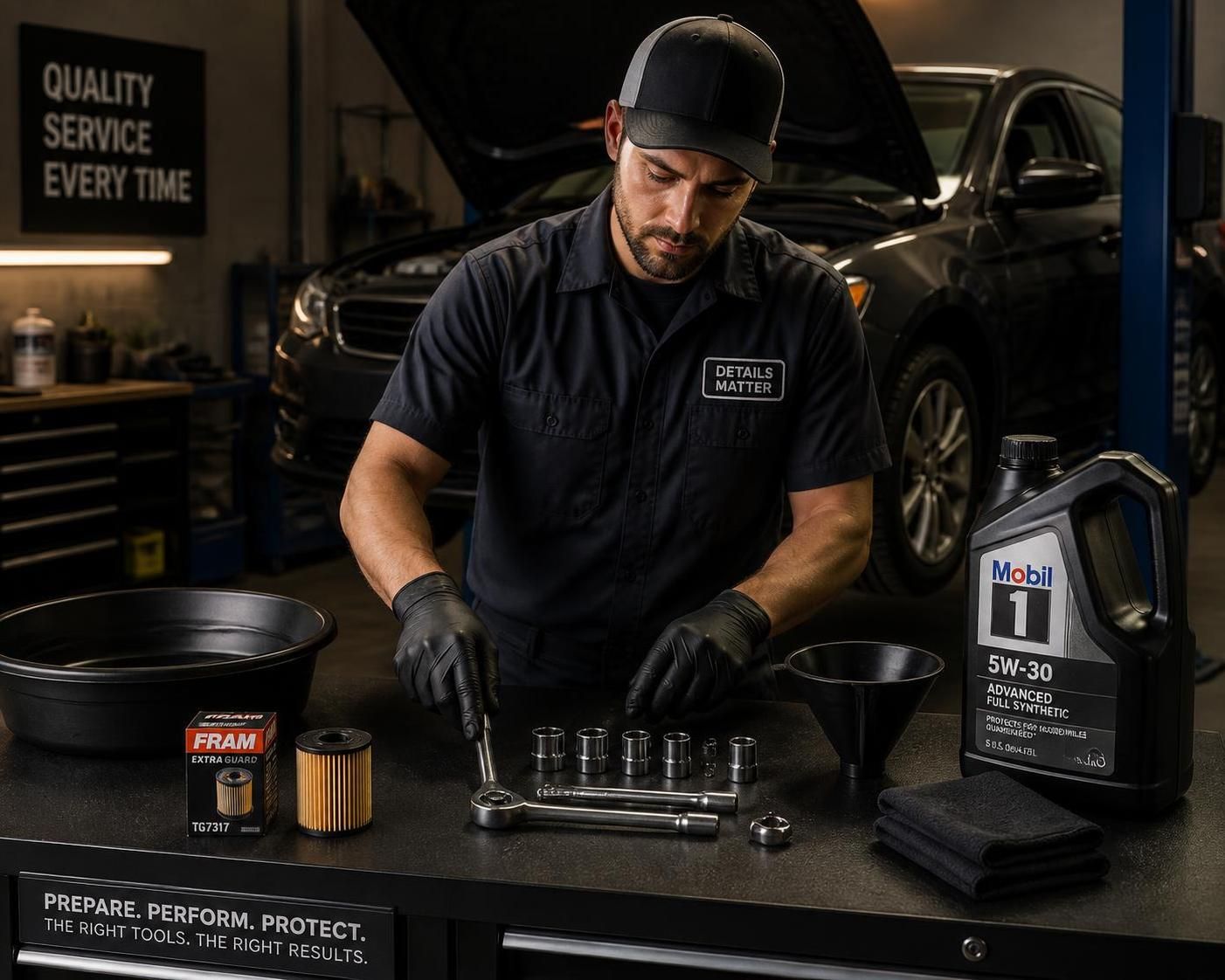
Performing a car oil change at home is one of the most straightforward and rewarding tasks in DIY car maintenance. Before getting your hands dirty, assembling the right tools and supplies is critical to ensure the process runs smoothly and safely. Having everything ready also reduces the risk of errors that could cost time or money.
The fundamental equipment includes the correct type of engine oil replacement for your vehicle, which is specified in your car’s user manual in terms of oil grade and quantity. Modern cars often require synthetic oils that can last longer and provide better engine protection, so verifying compatibility is essential. Alongside oil, a new oil filter must always be used during the change. The filter traps impurities and contaminants, preventing them from circulating and damaging the engine.
Other necessary items are:
Once the tools and materials are gathered, preparing the car properly is the next step. It is advised to drive the car for about 10 to 15 minutes before the oil change so the oil heats up to a moderate temperature. Warm oil drains faster and removes more contaminants compared to cold oil. However, never work with a scorching hot engine to avoid burns. An oil temperature between 60 and 70 degrees Celsius is optimal.
Setting the vehicle securely is a must for safety reasons. Use robust ramps or jack stands to elevate the car. Never rely solely on a hydraulic jack to support the vehicle while working underneath as this is unstable and dangerous. Correct positioning facilitates easier access to the drain plug and oil filter, ensuring a swift oil drain process.
For those unfamiliar with the tool selection for car maintenance, many online resources and guides suggest affordable and effective options to cover different budgets and experience levels. A solid toolkit and the appropriate consumables go a long way in making the task hassle-free.
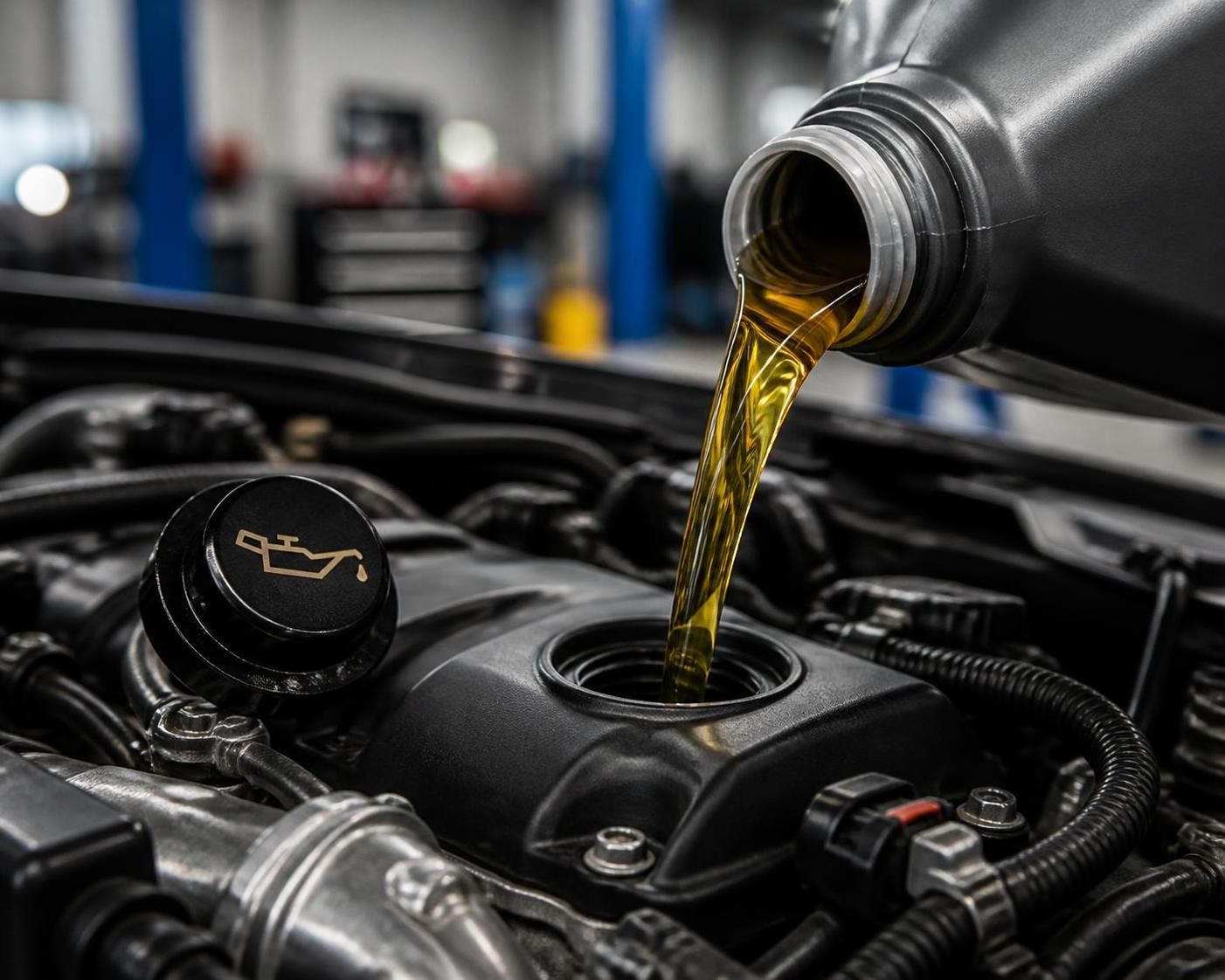
Understanding the main vehicle oil change steps demystifies the process and gives motorists confidence to undertake their own maintenance. The sequence below covers the essential actions aimed at an easy car oil change that protects the engine and a vehicle’s reliability.
Executing these steps accurately results in an efficient, mess-free car oil change. Drivers benefit from improved engine longevity and potentially better fuel economy. For detailed tactics and visual guidance, consulting a comprehensive oil change guide is recommended.
While doing the oil change yourself offers considerable savings and education, being mindful of pitfalls supports a smooth operation and prevents damage. Certain frequent errors can quickly turn a simple maintenance task into a costly or hazardous situation. Understanding these risks is crucial especially for those new to engine oil replacement.
One of the most glaring mistakes is starting the engine without reattaching the drain plug. This error leads to immediate and complete oil loss, resulting in severe engine damage. To avoid it, always double-check that the drain plug is firmly secured before ignition.
Another common oversight is measuring the oil level when the engine is running. For an accurate reading, the vehicle must be turned off and allowed to sit for around five minutes, enabling the oil to settle in the pan.
Discarding used engine oil improperly, such as pouring it into sinks or onto the ground, is illegal and environmentally harmful. The correct practice is to collect used oil in sealed containers and deliver it to a certified recycling center or authorized dealer. Most automotive shops and councils provide this service free of charge.
Lastly, reusing old crush washers or neglecting to change the oil filter compromises the oil change’s effectiveness. These inexpensive parts are critical to preventing leaks and ensuring proper filtration. Ignoring these components risks oil leaks and accelerates engine wear.
Below is a list highlighting critical errors to avoid:
Following these practical tips will ensure your DIY oil change is safe, clean, and effective. For more on best practices and common pitfalls, the resource at Garage Crauzaz Nurieux offers professional advice tailored for car owners.
Planning oil changes with appropriate intervals protects the engine and maintains vehicle performance. The frequency depends on several factors, including engine type, oil quality, driving patterns, and environmental conditions.
In 2026, modern engines using advanced synthetic oils can generally stretch oil change intervals to between 15,000 and 20,000 kilometers or once a year. This applies primarily to gasoline engines designed for longer oil life. Diesel engines with particulate filters (FAP) and vehicles exposed to frequent short trips require more frequent service, typically every 10,000 to 15,000 kilometers or every six months.
For older cars or collector vehicles, shorter intervals between 7,000 and 10,000 kilometers are advised, because older engine technology and potentially less efficient oil additives demand quicker turnover.
| Engine Type | Distance Interval (km) | Time Interval |
|---|---|---|
| Modern Gasoline (Synthetic Oil) | 15,000 – 20,000 | 1 year |
| Modern Diesel (Long-life Oil) | 20,000 – 30,000 | 1 year |
| Diesel with FAP (Frequent Short Trips) | 10,000 – 15,000 | 6 months |
| Older Engines / Collections | 7,000 – 10,000 | 6 months |
Choosing the right oil type and timing your changes appropriately is vital. Always consult your vehicle’s maintenance handbook to adhere to manufacturer specifications and maintain warranty validity. For further clarification on recommended schedules and oil products, visiting an expert website like TotalEnergies advice can provide up-to-date guidance.
An oil change is not simply about replacing oil; it is a fundamental maintenance step that contributes significantly to engine longevity and overall vehicle reliability. Dirty or insufficient oil leads to increased friction, overheating, and accelerated wear of vital engine parts. This can cause poor fuel efficiency, loss of power, and in severe cases, engine breakdown.
Regular, correctly performed oil changes offer distinct advantages:
Ignoring oil change standards often results in costly issues like sludge buildup and engine seizing. Many car owners underestimate the importance of routine fluid maintenance until symptoms like rough idling, engine noises, or warning lights appear. Addressing these signs early prevents expensive repairs and maximizes vehicle uptime.
For a thorough explanation of signs indicating maintenance is due, and how to approach diagnostics, automotive service centers such as Garage Crauzaz Nurieux provide valuable insights and advice based on experience.
Understanding Shock Absorber Replacement Cost in 2026 Replacing shock absorbers is essential for maintaining vehicle safety and ride comfort. In 2026, the…
Lire l’article →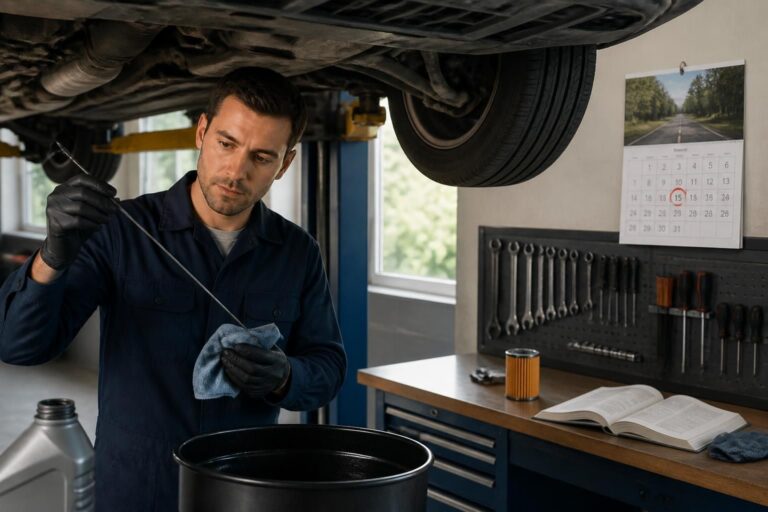
Understanding When to Perform a Car Oil Change: The Fundamentals of Timing and Frequency Determining the optimal moment for a car oil…
Lire l’article →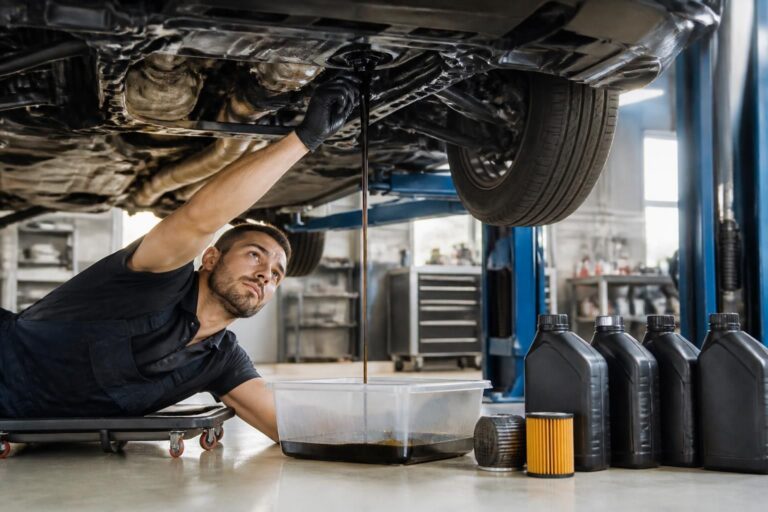
Understanding When to Perform a Car Oil Change: Essential Timing for Engine Maintenance Performing a timely car oil change is one of…
Lire l’article →