Quel est le prix d’un diagnostic électronique pour votre véhicule ?
Les bases du diagnostic électronique : comprendre son rôle et son utilité pour votre véhicule Lorsque le témoin d’alerte s’allume sur votre…
Lire l’article →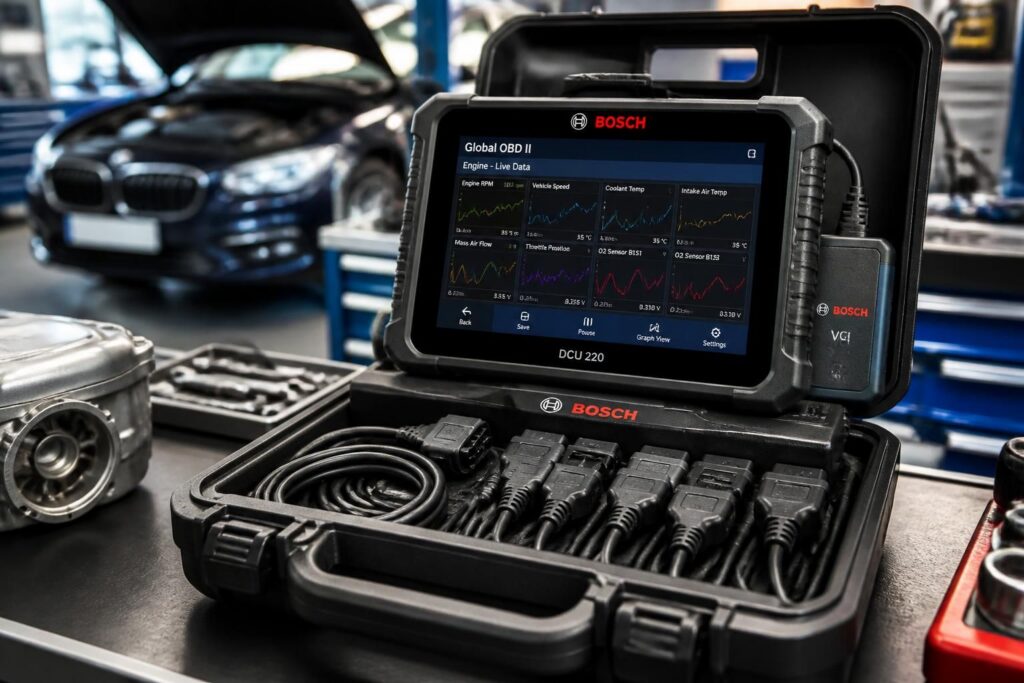
In modern automotive maintenance and repair, the importance of a reliable automotive diagnostic tool cannot be overstated. Vehicles today are complex machines loaded with electronic control units (ECUs) that govern engine performance, brakes, airbags, and many other critical systems. These systems communicate through fault codes that help pinpoint issues when something goes wrong. Among the numerous options available, the Bosch diagnostic device stands out due to its technological stature and compatibility across multiple vehicle brands, making it a mainstay in both professional garages and private workshops.
The Bosch automotive diagnostic kit is designed with the needs of mechanics and car owners in mind. It interfaces with a vehicle’s OBD2 port — the standardized diagnostic connector in most cars manufactured after the year 2000 — to read engine fault codes, reset warning lights, and even perform sophisticated service functions. This multibrand diagnostic scanner by Bosch is particularly appreciated for its broad vehicle compatibility, which suits workshops that deal with a range of manufacturers from European, American to Asian brands.
Choosing the right Bosch car scanner is crucial for effective vehicle fault diagnosis. A typical use case: a common driver experiences the “check engine” light illumination. A quick connection with a professional car diagnostic tool can reveal if it’s an issue with the oxygen sensor, fuel injector, or a more severe engine component failure. Knowing the trouble source early can prevent extensive damage and save on expensive repairs.
Especially in 2026, advancements in automotive electronic systems call for diagnostic devices to be updated regularly. Bosch addresses this by offering software updates for its OBD2 scanners, ensuring the tool can recognize new codes and adapt to the latest vehicle models. For those seeking to invest in a Bosch multibrand scanner, it is advisable to verify the update policy and device compatibility, which can be conveniently done through specialized online platforms.
For further insights on Bosch diagnostic devices and models suited for your vehicle needs, the resource Bosch multibrand diagnostic scanners overview offers practical information on options and features.
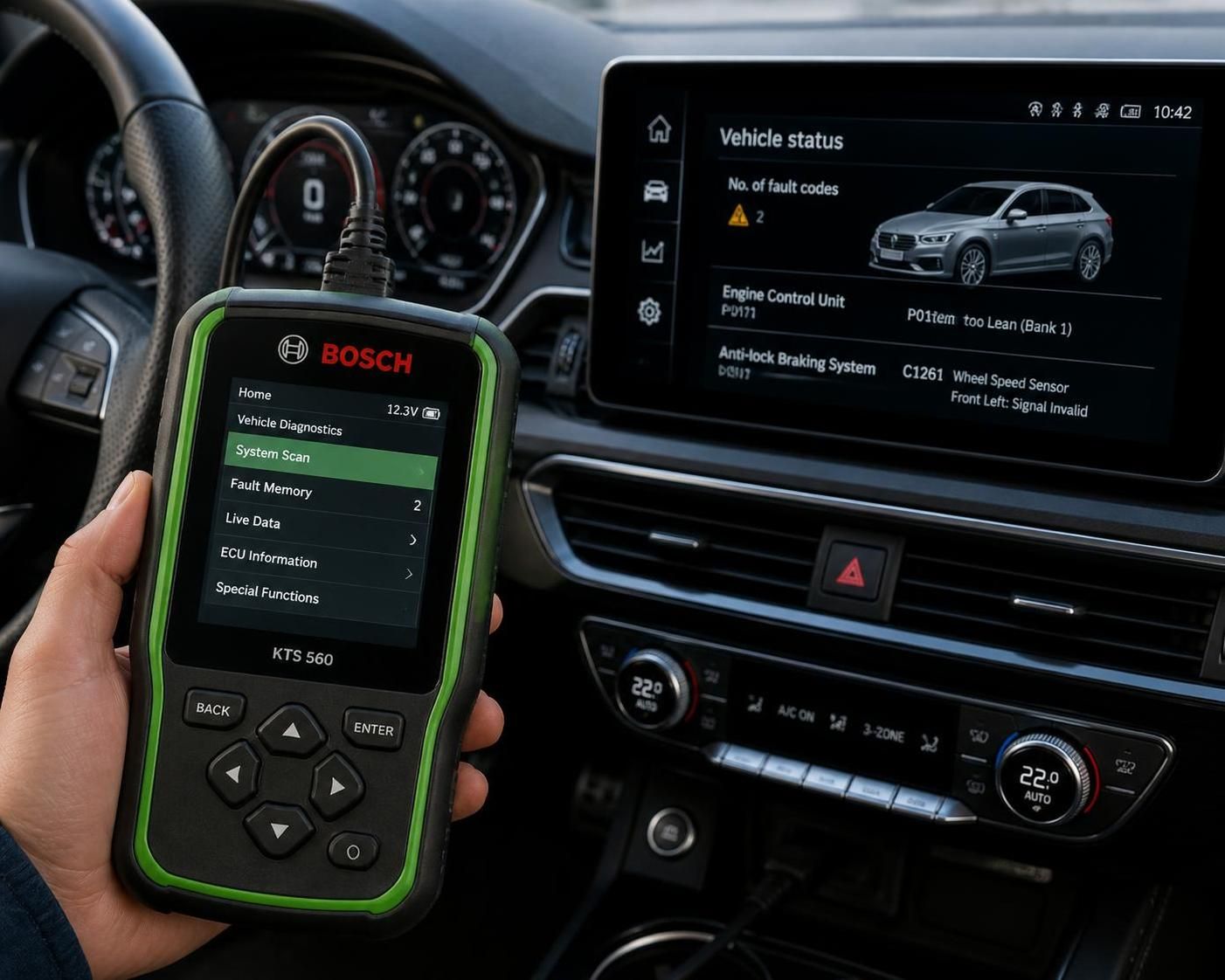
A defining factor for a high-quality automotive diagnostic tool like those from Bosch lies in its multifunctionality. Beyond just reading and clearing engine fault codes, the more advanced Bosch car scanners provide access to essential vehicle subsystems such as ABS (Anti-lock Braking System), SRS (Supplemental Restraint System), and transmission diagnostics.
For example, Bosch diagnostic devices support service functions including oil reset, electronic parking brake release, battery registration, and DPF (Diesel Particulate Filter) regeneration. These operations are vital for proper vehicle maintenance and often require a capable tool rather than just code reading.
Moreover, Bosch equipment typically integrates an intuitive user interface via a large touchscreen display, making the interaction straightforward even for less experienced users. This design aspect improves diagnostic workflows and reduces the risk of misinterpretations, which can lead to unnecessary part replacements. An engine fault code reader with a clear, color-coded display system enhances readability and ensures quicker repair decisions.
Connectivity features are also notable. Some Bosch scanners facilitate wireless connectivity through Bluetooth or WiFi, enabling faster data transfer and integration with diagnostic software on a PC or tablet. This flexibility streamlines vehicle fault diagnosis and allows mechanics to maintain detailed records or print diagnostic reports for clients.
To explore detailed features and user guides on Bosch diagnostic kits, the official Bosch aftermarket site provides great technical documentation available at Bosch automotive ECU diagnostic tools.
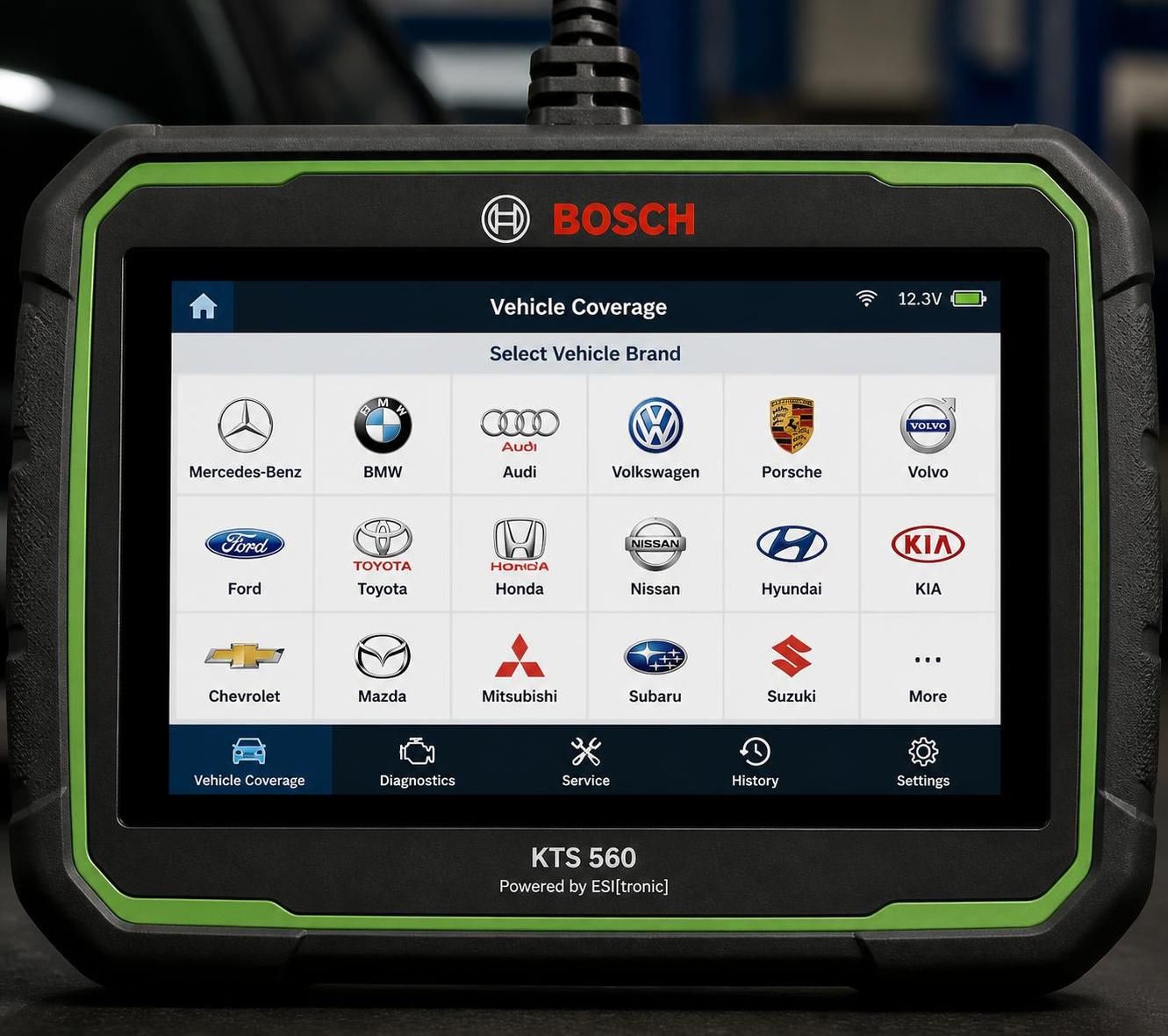
Not all diagnostic tools are created equal when it comes to vehicle compatibility. A standout advantage of the Bosch multibrand diagnostic scanner is its broad coverage across most popular automotive manufacturers. Understanding this aspect is essential to ensure the tool covers the make and model of your vehicle(s).
With an increasing number of hybrid and fully electric vehicles penetrating the market in 2026, diagnostic equipment must support a diversity of systems and communication protocols. Bosch diagnostic devices incorporate the latest OBD2 standards and extended protocols to handle a wide spectrum of vehicle architectures. This includes legacy gasoline and diesel vehicles as well as new electric drive components.
Additionally, these Bosch tools are capable of diagnosing multiple ECUs within a vehicle simultaneously. This is beneficial for professional repair shops handling complex diagnostics where multiple systems interact, such as powertrain and chassis electronics.
For used car owners or fleet managers, a multibrand diagnostic scanner cuts costs and time by eliminating the need for multiple dedicated devices. It’s vital to check the specific vehicle list that the Bosch device supports before purchase. Typically, this information is available on the product’s official description or on specialized diagnostic forums.
In practice, when a car owner brings in a Ford, Peugeot, or Toyota vehicle, the same Bosch vehicle fault diagnosis kit can be used seamlessly. This versatility also attracts enthusiasts who work on several vehicles as a hobby or side business.
For vehicle compatibility specifics and authorized distributors, see the curated consumer reviews and product lists at comprehensive Bosch diagnostic scanners reviews.
Selecting the optimal Bosch car diagnostic kit involves a balanced assessment of factors specific to your vehicle maintenance criteria and budget. Key considerations include:
For budget-conscious buyers, online marketplaces provide competitive prices for Bosch diagnostic kits. However, it is wise to purchase from verified sellers to avoid counterfeit products that could risk vehicle safety and diagnostic accuracy. A reputed source offering authentic units and after-sales support is essential.
Similarly, consulting local garages or trusted professionals before purchasing a diagnostic tool provides practical insight. For more information on pricing and what to expect when you need a professional diagnosis, see the detailed local workshop guidance available at car diagnostic pricing guide.
Owning a Bosch OBD2 scanner is just the beginning. To ensure consistent performance and reliability, a few best practices should be observed in daily use and upkeep.
Firstly, maintain the physical condition of the device. Avoid exposure to dust, moisture, and extreme temperatures. The connector pins should be kept clean to ensure stable communication with the vehicle’s OBD2 port.
Secondly, always perform software updates as released by Bosch. These updates not only add support for new vehicle models but also enhance the diagnostic algorithms to improve accuracy. Most modern Bosch diagnostic tools include WiFi or USB options for seamless updates, allowing users to stay current without complicated procedures.
Additionally, understanding the error codes and fault trends displayed by the scanner is fundamental. Many Bosch devices offer detailed code definitions and repair suggestions, but supplementing this with trusted automotive repair literature improves troubleshooting effectiveness.
User training, either through formal courses or self-education, can vastly increase the value extracted from a Bosch automotive diagnostic kit. This is particularly true for functions like ECU programming or key coding, where errors can cause more harm than good.
Finally, consider the environmental role in diagnostic accuracy. For instance, diagnosing emission-related codes in a cold engine or unstable driving conditions may yield inconsistent results. Always attempt fault diagnosis under recommended conditions outlined in the user manual.
| Maintenance Task | Recommended Frequency | Effect on Device Performance |
|---|---|---|
| Cleaning connector pins | Every 3 months or before major use | Ensures reliable communication with vehicle ECU |
| Software updates | Whenever updates are available (approx. quarterly) | Maintains compatibility with newer vehicle models and improves diagnostics |
| Physical inspection for damages | Monthly | Prevents malfunction due to external wear or impact |
| User training and knowledge refresh | Annually | Maximizes device capabilities and reduces diagnostic errors |
Adopting these practices shields your investment and guarantees accurate vehicle fault diagnosis over time.
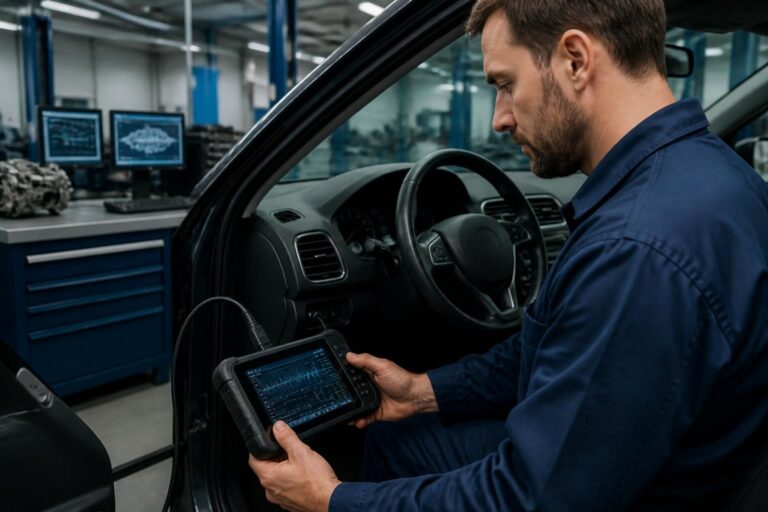
Les bases du diagnostic électronique : comprendre son rôle et son utilité pour votre véhicule Lorsque le témoin d’alerte s’allume sur votre…
Lire l’article →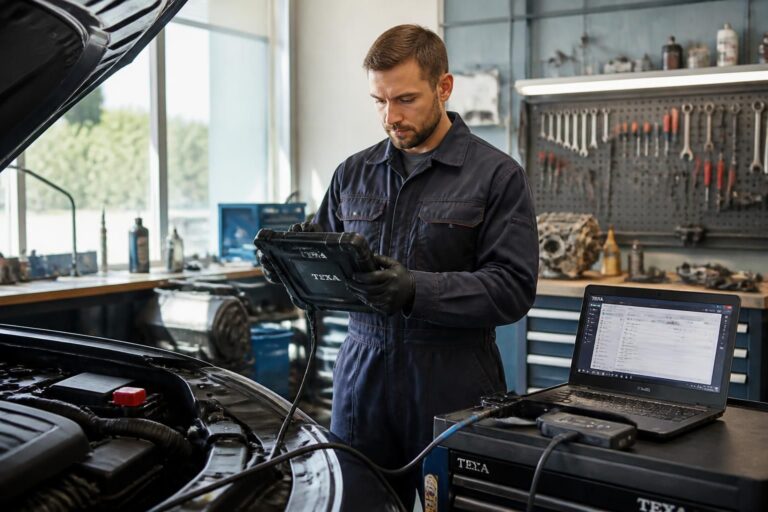
Comprendre la valise de diagnostic automobile : fonctionnement et utilité La valise de diagnostic automobile est un outil devenu incontournable pour quiconque…
Lire l’article →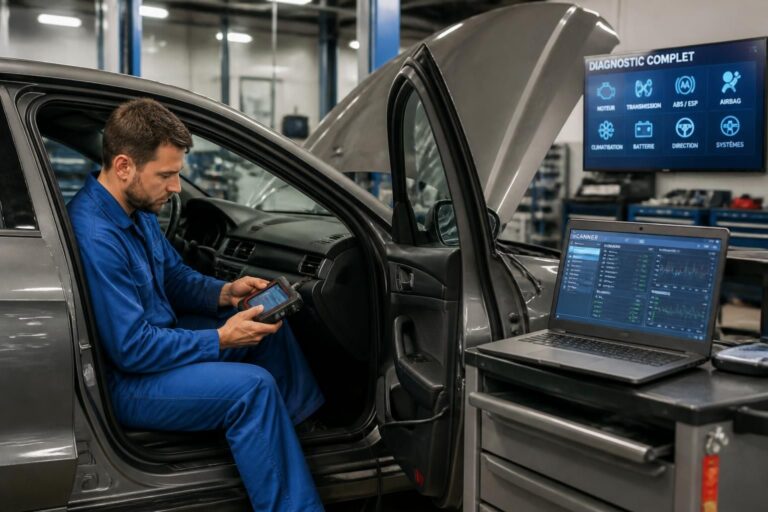
Comprendre les bases du diagnostic voiture pour un contrôle technique efficace Le diagnostic voiture est devenu une étape incontournable pour assurer la…
Lire l’article →