Comment réaliser un diagnostic complet sur une voiture facilement
Comprendre les bases du diagnostic voiture pour un contrôle technique efficace Le diagnostic voiture est devenu une étape incontournable pour assurer la…
Lire l’article →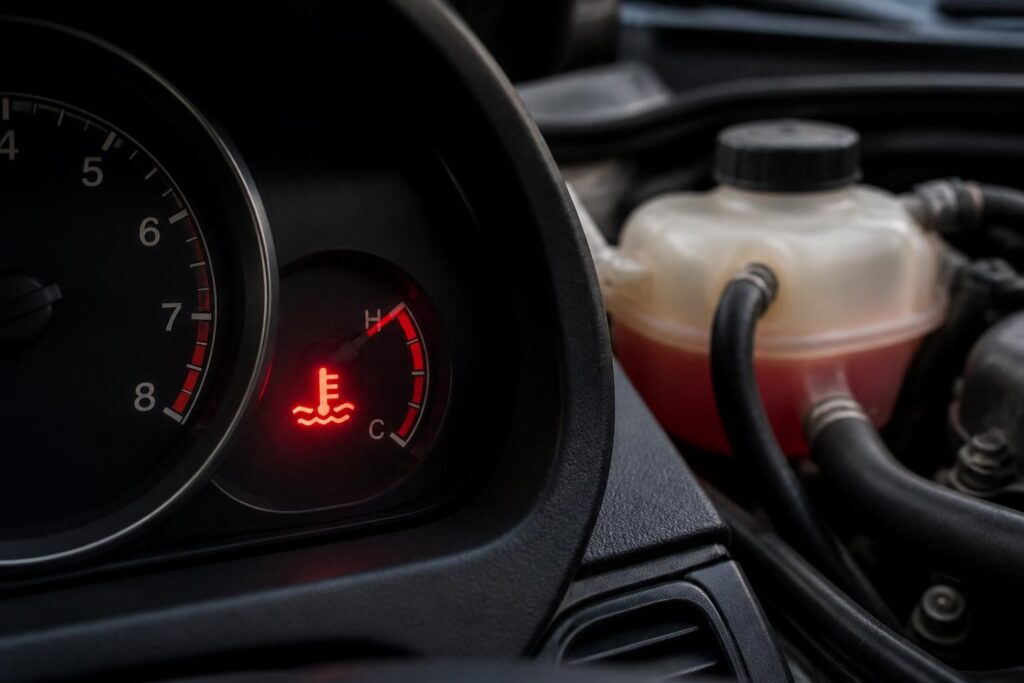
The coolant warning light is a pivotal feature on any vehicle’s dashboard, providing an essential alert system for the engine cooling system’s status. Recognizable by a thermometer symbol above wavy lines, this dashboard warning light signals critical conditions related to the coolant fluid’s temperature and level, vital to the vehicle’s proper operation.
Inside every engine lies a complex cooling system designed to maintain optimal operating temperatures. This system circulates coolant fluid, which absorbs heat from the engine and dissipates it through the radiator. When functioning correctly, this cycle prevents the engine from overheating, preserving engine safety and performance.
The coolant warning light activates primarily in two scenarios: either the coolant temperature exceeds safe limits, indicating a risk of an overheating engine, or the coolant level is dangerously low, suggesting a malfunction or leak in the system. This dual functionality is enabled through sensors: a temperature sensor measuring coolant temperature and a level sensor monitoring the coolant fluid volume.
For motorists, understanding the coolant warning light’s indication is vital to preempt costly repairs. An illuminated or blinking coolant warning light should never be ignored, as it directly corresponds to the risk of engine damage. For example, driving with an overheating engine can lead to warped cylinder heads or a defective head gasket, problems often involving repairs upward of several hundred euros. Recognizing this early-warning system facilitates preventive maintenance and timely consultation with a professional.
Vehicle maintenance, including regular coolant checks and system inspections, is key to ensuring that the engine cooling system functions optimally. Ignoring this warning light can result in severe consequences, ranging from reduced vehicle efficiency to complete engine failure.
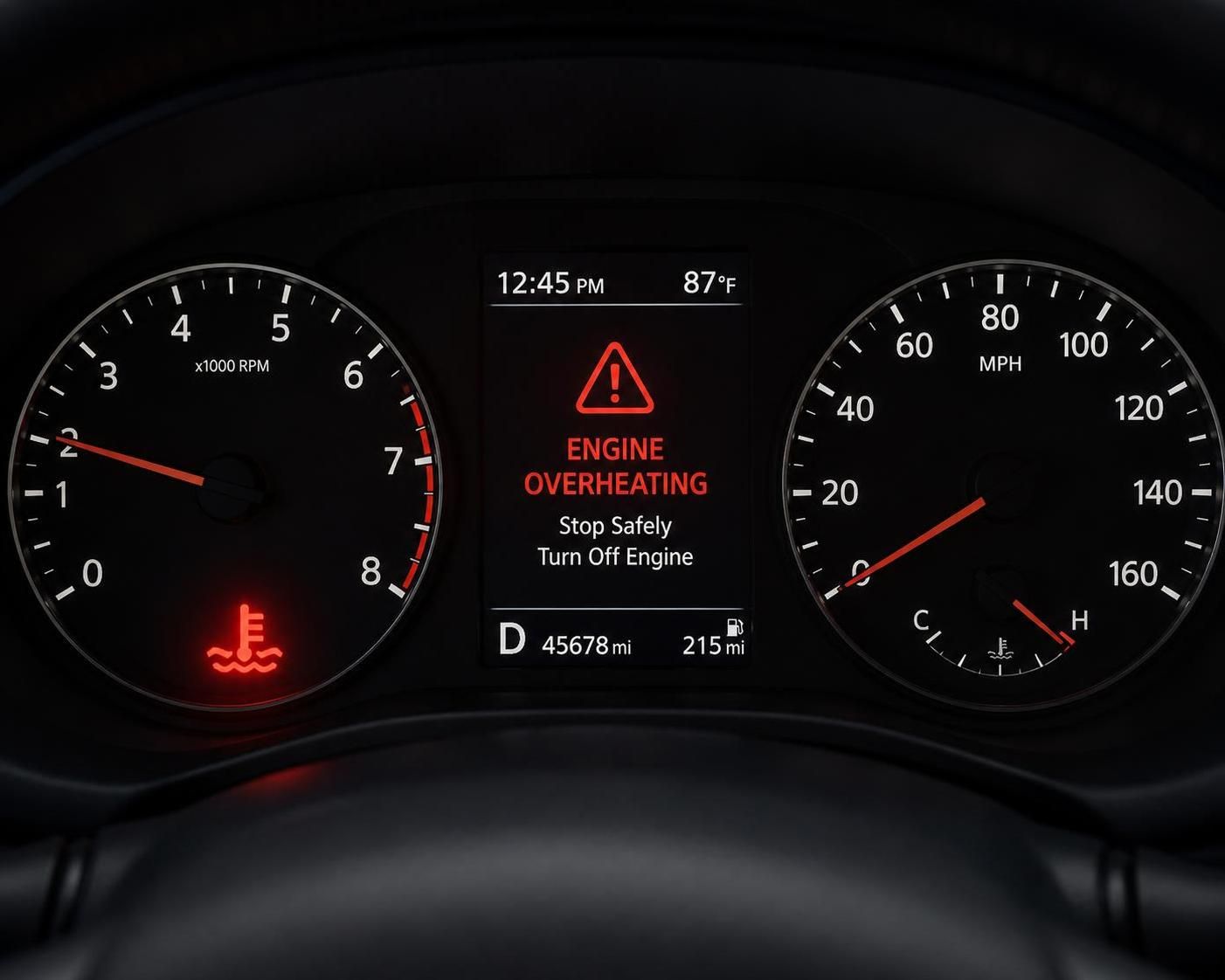
The coolant level indicator is generally depicted as a dashboard symbol resembling a thermometer above waves, often illuminated in red or amber hues. Its color and behavior provide essential clues about the nature and urgency of the cooling system malfunction.
Red Light – Engine Overheating or Low Coolant Level: When the coolant warning light glows red, urgent action is required. This usually means that the coolant temperature has surpassed safe limits, signaling an overheating engine. In these conditions, the engine risks severe internal damage due to inadequate heat dissipation. Alternatively, the red light may indicate a critically low coolant fluid level, impairing the system’s ability to cool effectively.
Amber or Orange Light – Early Warning: An amber glow often serves as a cautionary signal, highlighting a moderate drop in coolant level or a rising coolant temperature not yet critical. This early-stage indication allows drivers to check the coolant level and take preventive action before a full overheating event occurs.
Blue Light – Cold Engine Temperature: Less common but equally important, a blue coolant warning light signals that the engine temperature is abnormally low. This is typical during cold starts, allowing the engine to reach its optimal operational temperature. However, persistent blue illumination could hint at thermostat issues or a cooling system malfunction inhibiting engine warm-up, which may reduce fuel efficiency and increase engine wear.
A steady light suggests a consistent problem such as sustained overheating or a persistent low coolant level. Conversely, a blinking or flashing coolant warning light often points to intermittent issues like a faulty sensor or fluctuating coolant fluid levels.
Understanding these color codes and behaviors helps drivers take appropriate preventive steps or seek professional diagnostic services. For instance, an illuminated red coolant level indicator during a trip requires immediate stoppage and checking of the coolant fluid to avoid expensive damage.
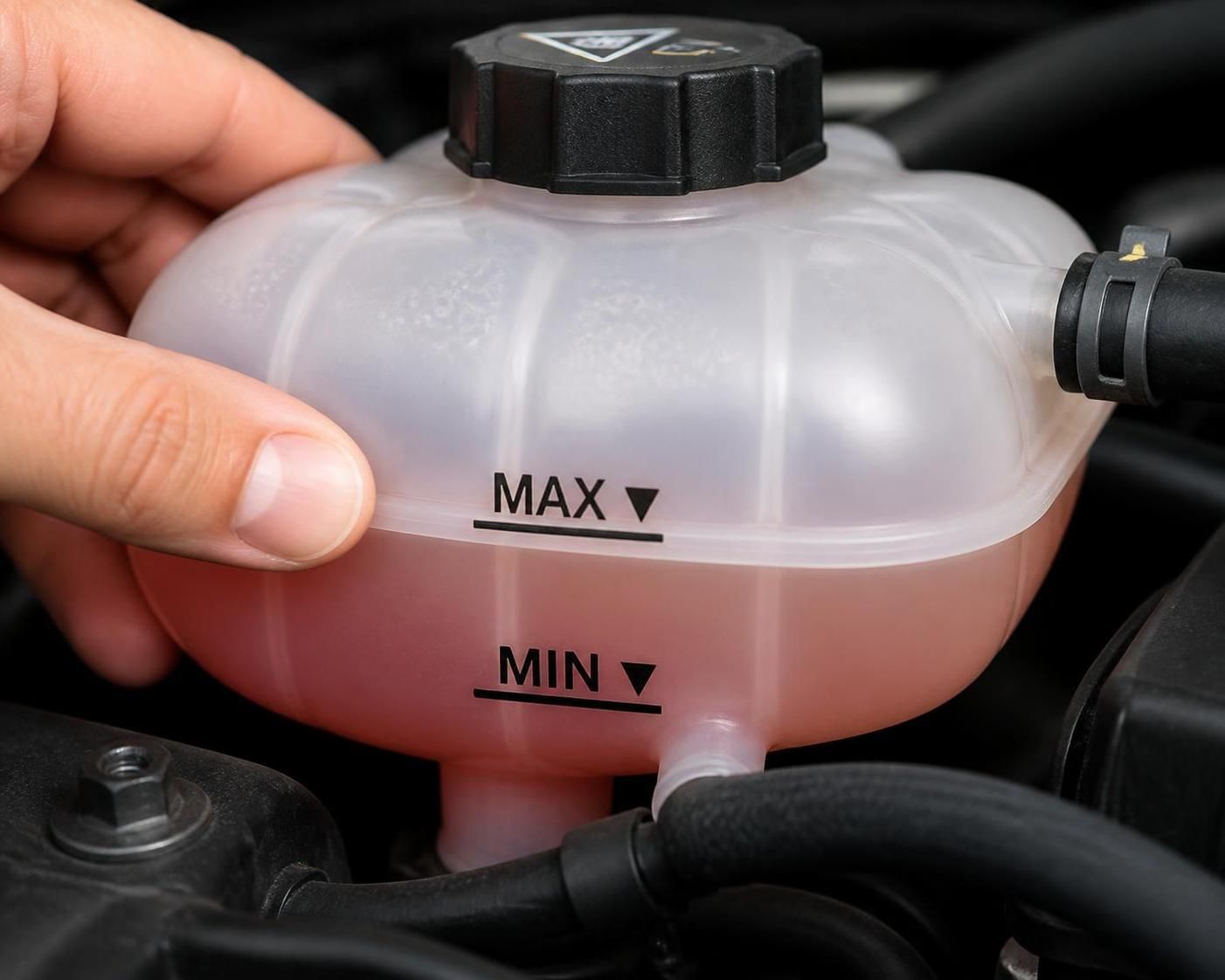
Maintaining the appropriate coolant fluid level is a cornerstone of vehicle maintenance and effective management of the engine cooling system. The coolant reservoir, also known as the expansion tank, is usually a translucent plastic container under the hood, clearly marked with “min” and “max” indicators.
How to Check the Coolant Level Safely:
Failing to maintain correct coolant levels can lead to a cooling system malfunction, triggering the coolant warning light and risking engine overheating. Furthermore, routine coolant changes align with the manufacturer’s schedule, usually every 2 to 5 years or 30,000 to 60,000 kilometers, depending on the vehicle and coolant type. Adhering to these intervals avoids corrosion and sediment build-up, preserving system efficiency and longevity.
In local garage workshops like Garage Crauzaz Nurieux, experienced technicians emphasize the importance of consistent checks and professional coolant fluid replacements. Neglecting these routine services often results in increased mechanical breakdowns and associated repair costs.
| Maintenance Task | Recommended Interval | Purpose | Estimated Cost Range (€) |
|---|---|---|---|
| Coolant Fluid Level Check | Every oil change or monthly | Prevent overheating and cooling system malfunction | Usually included in routine inspections |
| Coolant Replacement | Every 2-5 years or 30,000-60,000 km | Prevent corrosion and maintain coolant efficiency | 50 – 120 |
| Radiator and Hose Inspection | Annually | Detect leaks, cracks, and wear | 20 – 60 |
| Thermostat Check | During major services or if warning light persists | Ensure proper coolant temperature regulation | 80 – 150 |
For more detailed recommendations, drivers are encouraged to consult articles on vehicle maintenance such as routine vehicle servicing intervals, which provide insightful guidance on maintaining cooling system health.
When the coolant warning light appears during driving, the risk of an overheating engine must be taken seriously to avoid severe damage or costly repairs. The appropriate course of action depends on the nature of the alert.
If the warning light stays illuminated or the temperature continues to rise, it signals a deeper issue such as a radiator failure, a defective thermostat, or a head gasket problem. In such cases, immediate professional diagnostics are essential to prevent breakdowns. Symptoms like persistent overheating can be linked to tripped engine safety systems, potentially leading to engine shut down for protection.
Garages in the region often recommend obtaining a clear diagnostic if the coolant warning light persists despite topping up fluid, as detailed explanations about symptom recognition and diagnosis can be found at dashboard warning light troubleshooting guides. This proactive approach can save considerable time and money.
One of the most common concerns for drivers with an illuminated coolant warning light is whether it is safe to continue driving. The general consensus among automotive professionals is that driving with the coolant warning light on presents a significant risk to the vehicle’s engine safety.
While it may seem feasible to drive short distances to reach a garage or home, it is imperative to limit this travel to the absolute minimum, usually no more than 3 to 5 kilometers. Continuing to drive beyond this can cause the engine temperature to rise uncontrollably, leading to engine overheating and potentially irreparable damage.
Several factors influence the safe driving distance, such as ambient temperature, vehicle load, road conditions, and the underlying cause of the warning light. For example, a small coolant leak might allow brief driving, whereas a malfunctioning radiator fan or thermostat could delay proper engine cooling further.
In any case, it’s advisable to heed the warning and avoid unnecessary movement of the vehicle. When in doubt, calling for roadside assistance or having the vehicle towed to a trusted garage ensures that the engine cooling system is inspected professionally, minimizing risks and costs associated with prolonged overheating. This approach aligns with safety best practices highlighted in numerous automotive reliability studies.
Drivers seeking detailed advice on coolant warning light behavior and recommended safety measures can find comprehensive analyses and tips at reliable automotive knowledge bases and expert mechanic blogs.

Comprendre les bases du diagnostic voiture pour un contrôle technique efficace Le diagnostic voiture est devenu une étape incontournable pour assurer la…
Lire l’article →
Les bases d’un diagnostic véhicule efficace : comprendre les symptômes et éviter les erreurs courantes Réaliser un diagnostic véhicule rigoureux est la…
Lire l’article →
Les critères essentiels pour choisir un pc portable diagnostic auto fiable Dans le secteur automobile, disposer d’un ordinateur portable automobile capable de…
Lire l’article →