Comment choisir un pc portable adapté au diagnostic auto facilement
Les critères essentiels pour choisir un pc portable diagnostic auto fiable Dans le secteur automobile, disposer d’un ordinateur portable automobile capable de…
Lire l’article →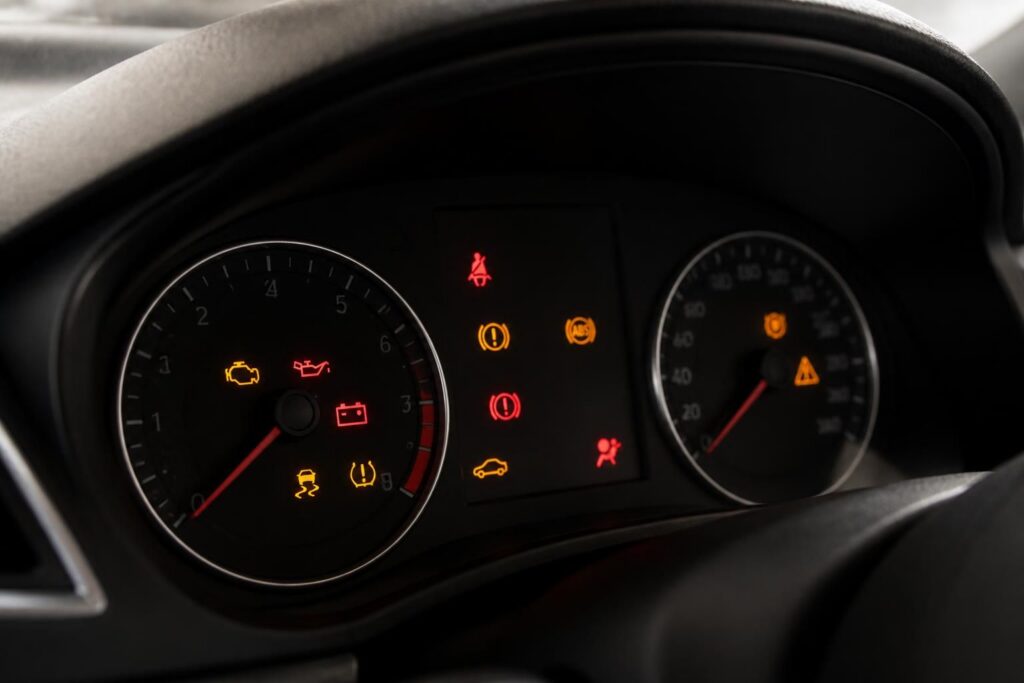
The dashboard of a vehicle serves as the critical interface between the car’s internal systems and the driver, conveying vital information through various warning lights and symbols. Recognizing these car dashboard warning lights and comprehending their meanings can make the difference between a minor maintenance task and a costly repair or serious safety issue. The colors of these dashboard indicators serve as immediate visual cues, guiding the driver on the urgency and nature of the information received.
Primarily, dashboard indicator symbols fall into three color categories: green and blue, orange (or amber), and red. Each color reflects distinct levels of urgency and function. Green and blue lights are generally informational, indicating activated systems such as headlights or turn signals. Orange lights function as warnings or reminders, alerting drivers to potential issues that should be addressed soon but don’t require immediate halting of the vehicle. Lastly, red indicators signal urgent problems or critical system failures that require the driver’s immediate attention and usually necessitate stopping the vehicle without delay.
For example, a blue light typically signals that the vehicle’s high beams are active. These lights are potent and can impair the visibility of other drivers, so being aware of this indication helps promote safer nighttime driving. In contrast, an orange engine symbol may denote a malfunction in the engine management system, such as a sensor failure or emission control issue, urging the driver to schedule a diagnostic check promptly to prevent worsening conditions. A red oil pressure warning light, however, is a serious alert indicating that oil pressure has fallen below safe levels, risking severe engine damage and necessitating an immediate stop and evaluation.
Automobile warning lights are not all uniform across makes and models; newer vehicles often include additional indicators related to advanced safety or efficiency systems, such as ABS (Anti-lock Braking System) or ESP (Electronic Stability Program). Despite these variations, the fundamental use of color coding remains consistent, aiding drivers in prioritizing and interpreting alerts at a glance.
When starting a vehicle, it is normal for many dashboard lights to illuminate briefly as part of a self-diagnostic check, assuring that each sensor and system is functional. This allows the driver to detect any pre-existing faults before setting off. Persistent or flashing lights beyond this moment frame, however, should draw immediate concern.
The significance of understanding these warning lights extends well beyond passing driving exams or meeting basic safety standards. It’s about maintaining the vehicle in good condition, avoiding preventable breakdowns, and ensuring safety on the road. For those seeking a thorough refresher or a detailed explanation of car warning light codes, resources such as recommended car dashboard alerts guides provide in-depth breakdowns adapted to various car makes and models.
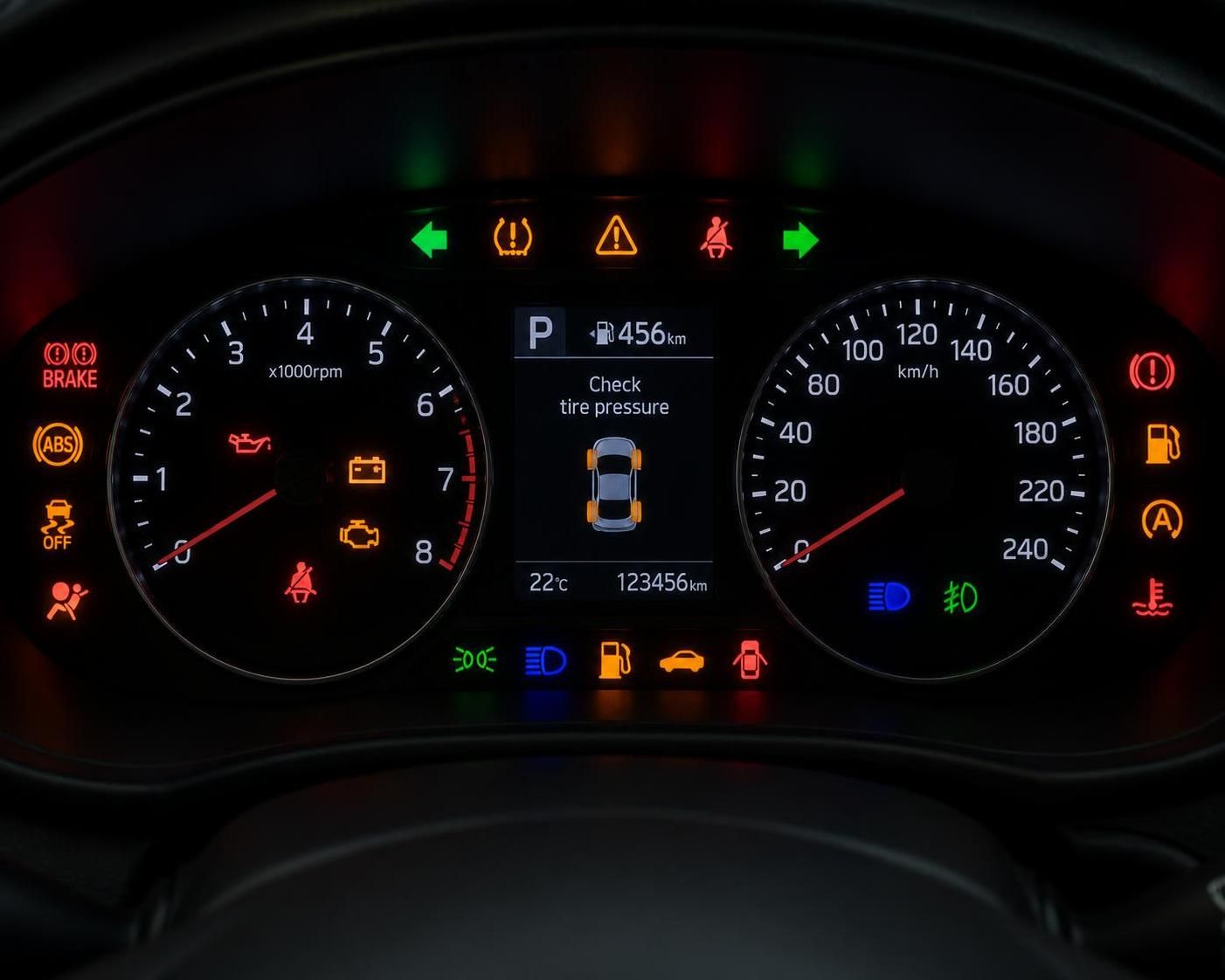
Green and blue lights are the least alarming on the car dashboard but are essential for conveying which lighting systems are currently active. Since these lights serve as informative dashboard indicators, they do not require stopping or mechanical checks but should be understood fully to avoid confusion or unintentional misuse of vehicle lighting.
The most common blue symbol is the high beam indicator. This light illuminates when the vehicle’s full headlights are powered on, designed for use in low traffic or dark, open road conditions. Drivers should be cautious to switch back to low beams to prevent dazzling oncoming traffic.
Green lights typically indicate the activation of standard driving lights such as:
Understanding these symbols helps drivers verify that the correct illumination settings are active, preventing traffic infractions and reducing risks during changing visibility conditions.
It is worth mentioning that car dashboard alerts related to headlights will vary visually but retain consistent color classification for easier recognition. Of note, the rear fog light indicator is typically orange rather than green to emphasize its specific cautionary use, as these lights can cause glare for drivers behind.
Staying attentive to these indicators helps ensure that lighting systems are used properly and responsibly, both for compliance with road regulations and for practical safety. If any light remains active unexpectedly or seems malfunctioning, drivers should consult a professional for inspection or visit informative platforms like dashboard light explanations to better understand their vehicle’s specific signals.
Orange or amber lights on the car dashboard serve as vehicle warning signs that denote caution. They typically correspond to a fault or condition that does not require immediate cessation of driving but signals that intervention is needed shortly to avoid escalation.
Some orange indicators function as helpful reminders, such as:
More critical orange lights signal potential mechanical or electronic issues, demanding timely attention:
When an orange light appears, immediate stopping is usually not necessary. Instead, the driver should plan for a prompt inspection or repair by a qualified technician to prevent further damage or unsafe conditions. Ignoring these warnings can lead to more severe problems, increased repair costs, or diminished vehicle safety.
For comprehensive explanations and proactive maintenance advice, sources such as car warning light meanings provide extensive analyses and practical guidance suitable for any driver.
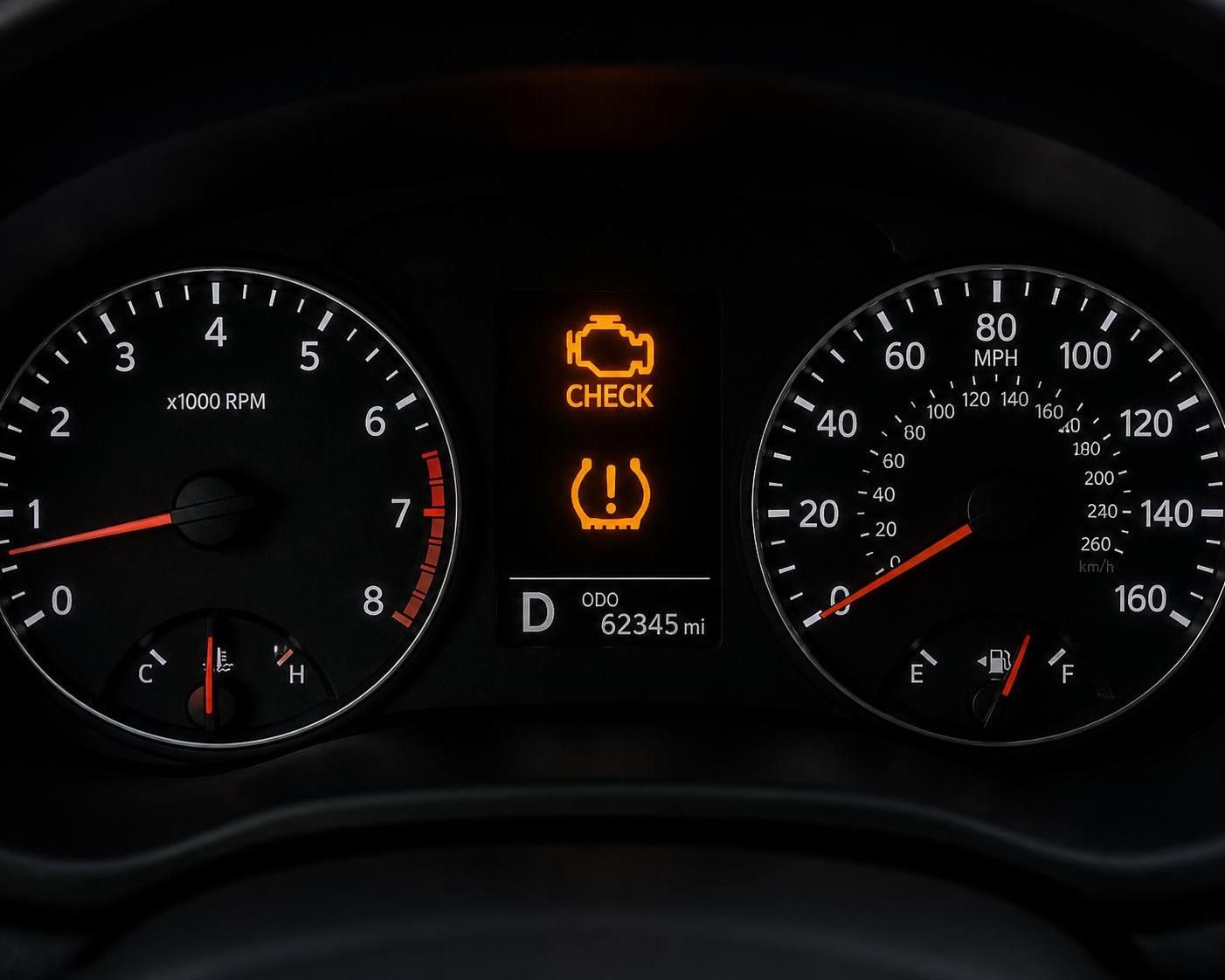
Red dashboard warning lights are reserved for critical issues or safety alerts warning the driver that immediate action is mandatory. When a red light appears, stopping the vehicle safely and investigating the problem without delay is crucial. Continuing to drive while a red warning light is lit can jeopardize vehicle safety or cause extensive damage.
Highlighted examples of red dashboard indicator symbols include:
The presence of any red light should encourage drivers to use roadside assistance services or have their vehicle inspected by professionals without delay. While some red lights like the parking brake or hazard lights do not indicate vehicle faults, the majority are critical. Drivers should be able to differentiate these by recognizing the corresponding symbols and understanding their implications.
Consulting detailed car warning symbols guide can be invaluable in accurately distinguishing between red light meanings and recommended responses. Ignorance or neglect of such warnings can lead to breakdowns, accidents, or costly repairs.
| Warning Light | Color | Meaning | Recommended Action | Urgency Level |
|---|---|---|---|---|
| High Beam Indicator | Blue | High beams are on | Switch to low beams near traffic | Informational |
| Check Engine Light | Orange | Engine fault or emission system alert | Schedule diagnostic ASAP | Moderate |
| Brake System Warning | Red | Brake fluid low or handbrake engaged | Stop immediately; check brakes | High |
| Tire Pressure Warning | Orange | Tire pressure below recommended level | Check and inflate tires | Moderate |
| Oil Pressure Warning | Red | Oil pressure too low | Stop engine immediately | Critical |
| Seat Belt Reminder | Red | Seat belt not fastened | Fasten seat belt | Informational/High |
| Engine Preheat (Diesel) | Orange | Glow plugs are heating | Wait before starting engine | Low |
This table offers a clear overview to assist drivers in quickly identifying warning lights and understanding the necessary steps to follow. Acquiring such knowledge supports better vehicle care and safer road practices.
When in doubt about any indicator’s meaning or behavior, do not hesitate to consult expert advice or use resources dedicated to dashboard light explanations. Early diagnosis and prompt action can prevent excessive costs or hazardous situations.
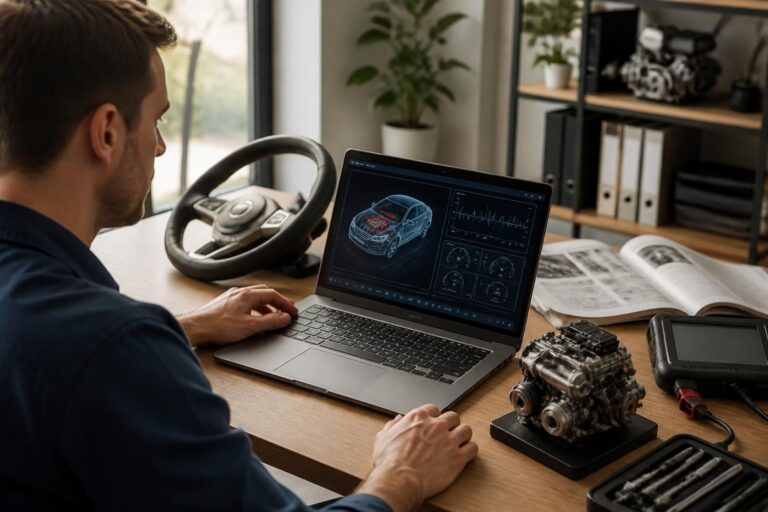
Les critères essentiels pour choisir un pc portable diagnostic auto fiable Dans le secteur automobile, disposer d’un ordinateur portable automobile capable de…
Lire l’article →
Les centres auto modernes : une solution rapide pour un diagnostic voiture gratuit Pour un automobiliste soucieux de la sécurité et de…
Lire l’article →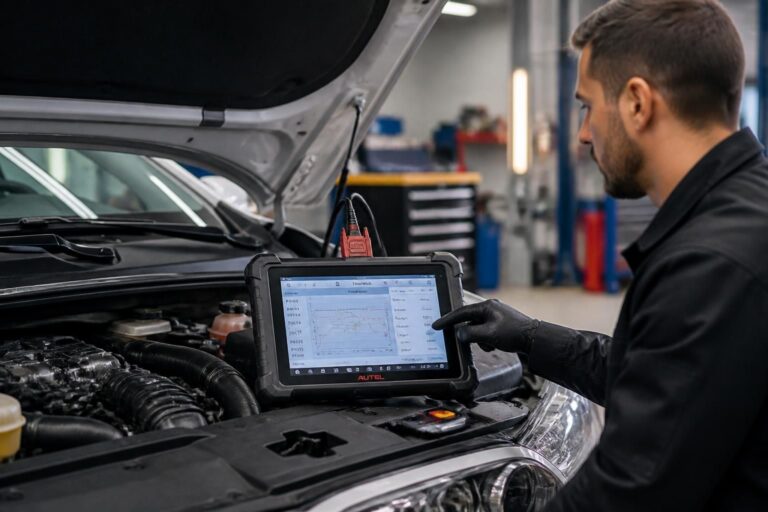
Les bases du diagnostic voiture : un indispensable pour l’entretien véhicule Dans le contexte actuel où les véhicules se complexifient chaque année…
Lire l’article →