
Quel prix prévoir pour l’entretien de votre voiture en 2026 ?
Comprendre le prix entretien voiture : les éléments qui influencent votre budget en 2026 L’année 2026 présente un contexte économique où le…
Lire l’article →
Knowing the right car maintenance interval is crucial for any vehicle owner. The question of “révision voiture tous les combien” or how often to carry out a vehicle service is often misunderstood, leading to either premature servicing or, worse, severe mechanical issues. Regular routine checks and car servicing schedule tailored to your car’s make and model significantly contribute to preventing unexpected breakdowns and costly repairs.
First, it is essential to differentiate between the two main criteria that define when a car requires servicing: kilometrage (mileage) and time elapsed. Manufacturers typically recommend service intervals based on either the number of kilometers driven or the time since the last maintenance, whichever comes first. This dual criterion design helps accommodate different driving habits—whether daily long-distance drives or infrequent short trips in urban settings.
For most modern vehicles, a general rule is to have a comprehensive check-up every 15,000 to 20,000 kilometers, or roughly every 12 months if this mileage is not reached. This interval applies to petrol and diesel engines with slight variations, as diesels sometimes require more frequent due to higher mechanical stresses. Hybrids and electric cars have different requirements and often benefit from longer intervals for engine servicing but demand specific battery and system diagnostics.
Proper adherence to the recommended vehicle service frequency is reinforced by documentation such as the car service checklist or maintenance book provided by the vehicle maker. This record not only guides the owner with specific components and fluid replacements but is a critical factor in maintaining warranties and resale value.
Ignoring these intervals can lead to accelerated wear of important parts like the timing belt, filters, brake pads, or engine oil quality. These components deteriorate either from actual use or just from the passage of time, as oil degrades and rubber seals harden. Failing to service a vehicle on time increases the risk of mechanical failure—a turbocharger failure or an engine breakdown can cost thousands in repairs.
Understanding your car’s car inspection timing helps plan preventive maintenance, aligns with insurance conditions, and sustains the vehicle’s performance and safety.
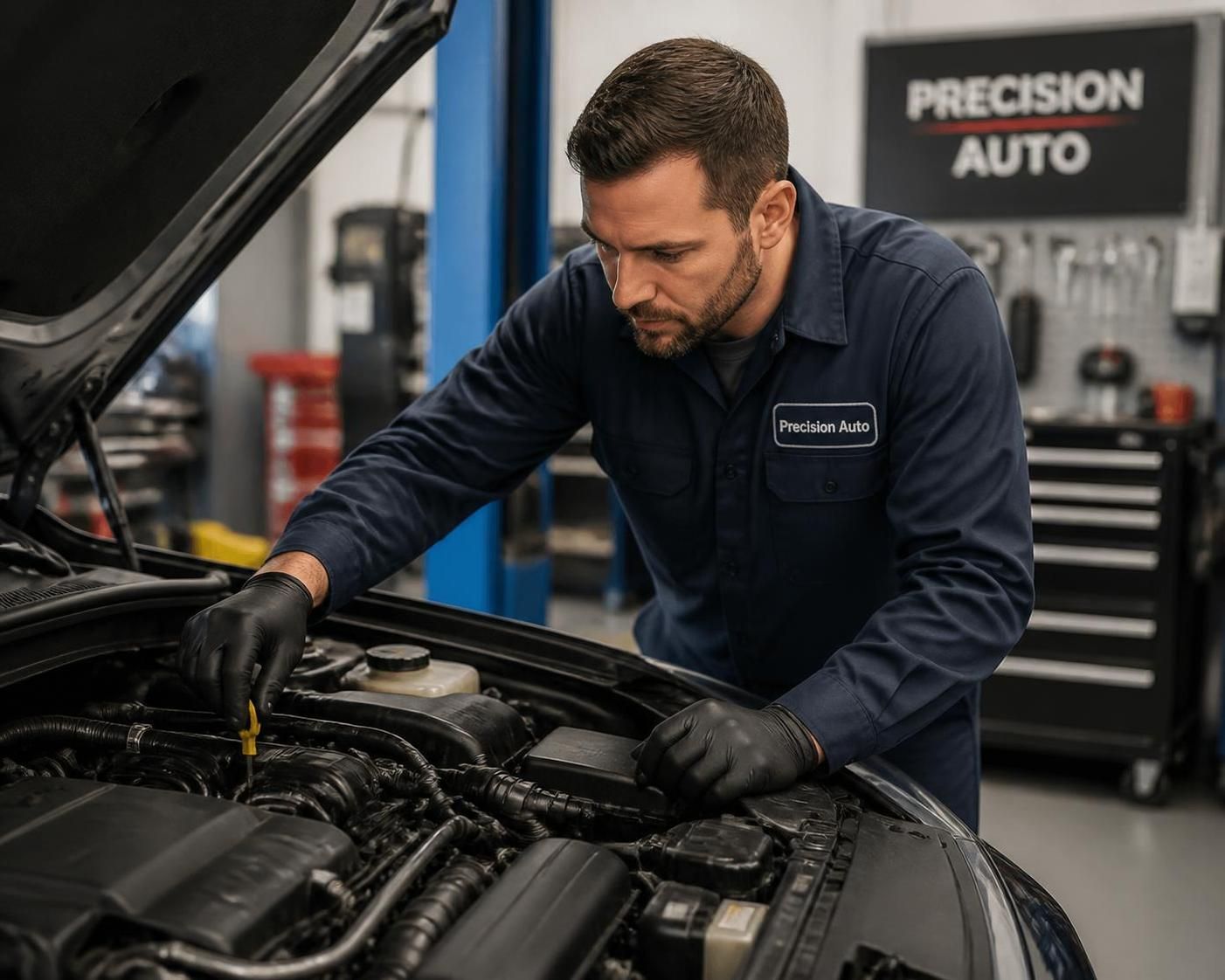
The scope of a routine vehicle service goes far beyond a simple oil change. Service mechanics carefully inspect vital components, fluids, and electronic systems to ensure optimal functioning.
One primary task is the oil and filter change. Engine oil degrades over time from heat and contaminant exposure, reducing its ability to lubricate crucial engine parts. Typical oil changes occur every 15,000 km for petrol cars, but some vehicles with more demanding engines may require more frequent changes.
Filters are another critical aspect of car maintenance. The air filter prevents dust and contaminants from entering the engine, maintaining combustion efficiency. It’s usually replaced every 20,000 to 40,000 km, or sooner in dusty environments. Diesel vehicles also include a fuel filter replacement approximately every 30,000 to 60,000 km, vital for clean fuel system operation.
Brake system inspections during servicing focus on pad thickness, disc condition, and fluid levels. Brake fluid, being hydrophilic, absorbs moisture which impairs braking efficiency and is recommended for replacement every two years regardless of mileage. Worn braking components directly affect vehicle safety and legal compliance.
The timing belt or chain receives special attention during scheduled high-mileage services. Failure to replace the belt on time, often around 90,000 to 120,000 km depending on the model, can result in catastrophic engine damage, costing multiple thousands of euros. Unlike belts, timing chains generally last longer but still require periodic inspection.
Additional checks include the battery health, fluid levels (coolant, transmission oil, steering fluid), and electronic diagnostics to detect any sensor faults or system warnings. Lights and tire condition are verified to comply with safety regulations.
Here’s an overview of typical service operations and intervals commonly enforced by professionals:
| Operation | Recommended Interval | Estimated Cost Range (€) | Approximate Duration |
|---|---|---|---|
| Oil and Filter Change | Every 15,000 km or 12 months | 60 – 120 | 30 – 45 min |
| Air Filter Replacement | 20,000 – 40,000 km | 15 – 30 | 15 – 20 min |
| Brake Fluid Change | Every 2 years | 40 – 70 | 30 – 60 min |
| Timing Belt Replacement | 90,000 – 120,000 km | 400 – 800 | 4 – 6 hours |
| Diagnostic Scanning | At every scheduled service | Included in service | 15 – 30 min |
By adhering to a thorough car service checklist during each visit, car owners prevent car breakdowns and ensure mechanical reliability throughout the vehicle’s life.
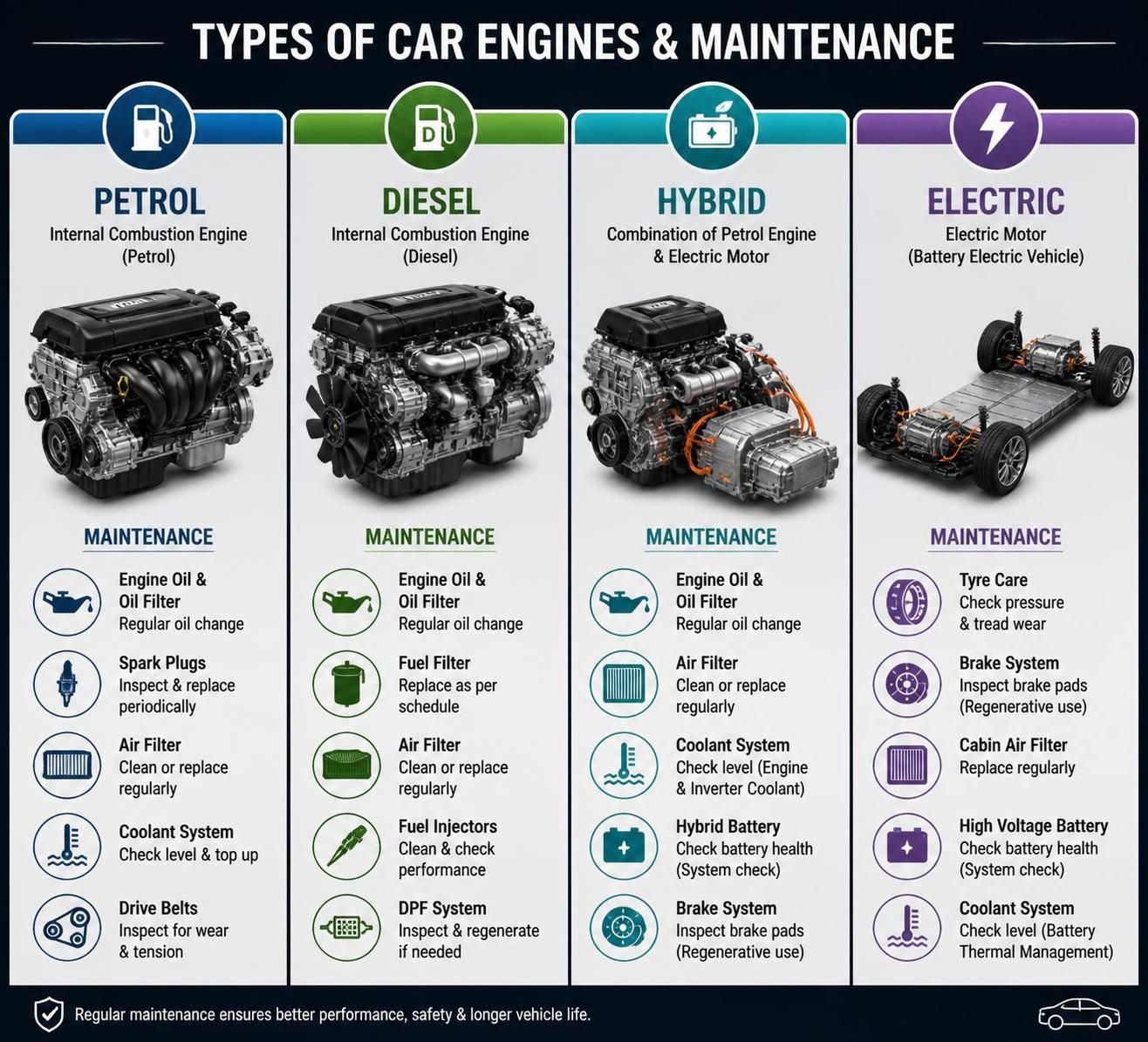
Service intervals are significantly influenced by the engine type: petrol, diesel, hybrid, or electric. Each demands specific attention to maintain efficiency and longevity.
Petrol Engines: Typically require servicing every 15,000 km or annually. Advances in direct injection and turbocharging have increased the need for quality oil and timely oil changes to prevent deposit build-up, especially in smaller turbocharged engines.
Diesel Engines: Usually benefit from service intervals of 15,000 to 20,000 km, sometimes with an extended time limit of up to 24 months. The incorporation of complex after-treatment systems such as diesel particulate filters (DPF) and EGR valves require additional maintenance focus to avoid clogging and loss of performance.
Hybrid Vehicles: Hybrids combine electric motors with petrol or diesel engines, so servicing is a mix of both worlds. Regular checks on battery cooling systems, electrical connections, and high-voltage cables are crucial along with traditional fluids and filter changes. Typically, hybrid cars are serviced every 10,000 to 15,000 km or annually.
Electric Vehicles: Require less frequent engine-related services as they lack combustion engines, but they need battery management and brake system checks every 20,000 to 30,000 km or 24 months. Brake wear is often reduced due to regenerative braking but still monitored.
Moreover, driving habits and environment profoundly influence the car servicing schedule. For example, urban driving with frequent stops, short trips, and idling causes quicker oil and brake wear compared to long-distance highway driving.
Usage-based service recommendations:
This nuanced approach to how often car maintenance should be done helps prevent car repair prevention error and keeps the vehicle adapted to its actual use patterns. For further detailed guidance on maintenance related to your specific car type, consult the manufacturer’s recommendations or trusted professional sources such as expert automotive advice.
Failing to comply with recommended car maintenance intervals carries tangible risks and can lead to significant financial burdens. Skipping services can result in accelerated wear of critical parts, decreased safety, and increased fuel consumption. Here are the major consequences car owners face:
Consider a real-world example where a functioning diesel turbocharger has an average lifespan of 200,000 km but can fail at 80,000 km without oil changes, leading to repair bills between 800 and 1,400 euros. Additionally, worn brake pads can increase stopping distance by up to 15 meters at 90 km/h, amplifying the danger significantly.
Given these risks, regular servicing acts as an effective car repair prevention strategy. Moreover, maintaining a well-documented servicing history is invaluable for resale value. As highlighted on automotive resale platforms, a complete service record can enhance a vehicle’s price by up to 12% compared to similar models lacking proof of maintenance.
For vehicle owners looking for further information about the risks of delayed maintenance and professional recommendations, trusted resources like expert maintenance tips provide thorough insights.
Where to have your car serviced plays a pivotal role in balancing quality, cost, and warranty concerns. Owners often question whether to rely on official dealerships or opt for independent garages.
Dealership Benefits: Authorized dealers offer factory-trained technicians, original parts, and precise adherence to manufacturer protocols. They maintain electronic service records that help retain warranty compliance and provide reassurance when resale value is at stake. However, dealership service often comes at a premium. Hourly labor rates can range from 90 to 130 euros depending on the brand.
Independent Garages: These offer competitive rates (generally 55 to 75 euros per hour) and can match dealership service standards by employing qualified mechanics and sourcing OEM-certified parts. Since 2002, European regulations allow servicing at any qualified garage without voiding warranties, provided maintenance follows the prescribed schedule and uses appropriate components.
Independent workshops, such as trusted local establishments like Garage Crauzaz Nurieux, combine personalized service, competitive pricing, and convenience. They often deliver transparent pricing and accommodate urgent appointments.
When deciding, consider service scope and hidden costs. While the average price of a car service starts around 150 euros for basic interventions, more comprehensive maintenance can reach 350 euros or more depending on model and required repairs. Extra parts like brake pads or timing belt replacements add to costs.
Here’s a comparative cost framework:
| Service Type | Dealership Average Cost (€) | Independent Garage Average Cost (€) |
|---|---|---|
| Basic Service (oil change, inspection) | 180 – 250 | 120 – 180 |
| Full Service (filters, fluids, diagnostics) | 300 – 450 | 220 – 350 |
| Major Service (timing belt, complex repairs) | 500 – 800 | 400 – 650 |
Before booking, request a detailed quote and inquire about part provenance and warranty conditions. For detailed local pricing and guidance on common maintenance such as oil changes or timing chain replacements, consult Garage Crauzaz Nurieux price guides and related resources.
Ultimately, whether choosing a dealership or an independent service, the priority should be consistent, documented maintenance to uphold vehicle performance, safety, and value.

Comprendre le prix entretien voiture : les éléments qui influencent votre budget en 2026 L’année 2026 présente un contexte économique où le…
Lire l’article →
Comprendre le prix d’une vidange voiture en 2026 : les facteurs clés à considérer La vidange reste l’entretien indispensable pour préserver la…
Lire l’article →
Pourquoi demander un devis entretien voiture précis est indispensable Avant de confier votre véhicule à un garage, il est crucial de comprendre…
Lire l’article →